


 русский
  Español
  中文简体
中文简体
Industry News

Home / News / Industry News / Why Are Blue Safety Lights Used on Forklifts?
Why Are Blue Safety Lights Used on Forklifts?
Admin 2026-07-16Content
- 1 Understanding the Role of Blue Safety Lights in Warehouses
- 2 Why the Color Blue Was Chosen Over Other Options
- 3 How the Warning System Works in Practice
- 4 Why Collision Prevention Matters in Material Handling Operations
- 5 Blue Safety Lights Compared to Other Common Warning Methods
- 6 Why LED Technology Is the Standard Choice for This Application
- 7 Spot Versus Flood: Choosing the Right Beam Pattern
- 8 Extending the Concept Beyond Forklifts
- 9 Key Factors When Selecting Industrial Vehicle Lighting
- 10 Practical Considerations for Warehouse Vehicle Fleets
- 11 Frequently Asked Questions
- 11.0.1 Q1: How do industrial vehicle lights improve safety?
- 11.0.2 Q2: What is the difference between spot and flood work lights?
- 11.0.3 Q3: Why use LED lighting on industrial vehicles?
- 11.0.4 Q4: Which LED light is suitable for mining vehicles?
- 11.0.5 Q5: How do industrial vehicle lights improve workplace safety?
Understanding the Role of Blue Safety Lights in Warehouses
Warehouses and distribution centers are busy, visually cluttered environments where pedestrians and powered equipment frequently share the same aisles. Blind corners, stacked pallets, and narrow lanes make it difficult for workers on foot to hear or see an approaching forklift until it is dangerously close. This is the core problem that blue safety lights were designed to solve, and understanding their function requires looking closely at how industrial vehicles lighting is engineered for high-risk operating conditions.
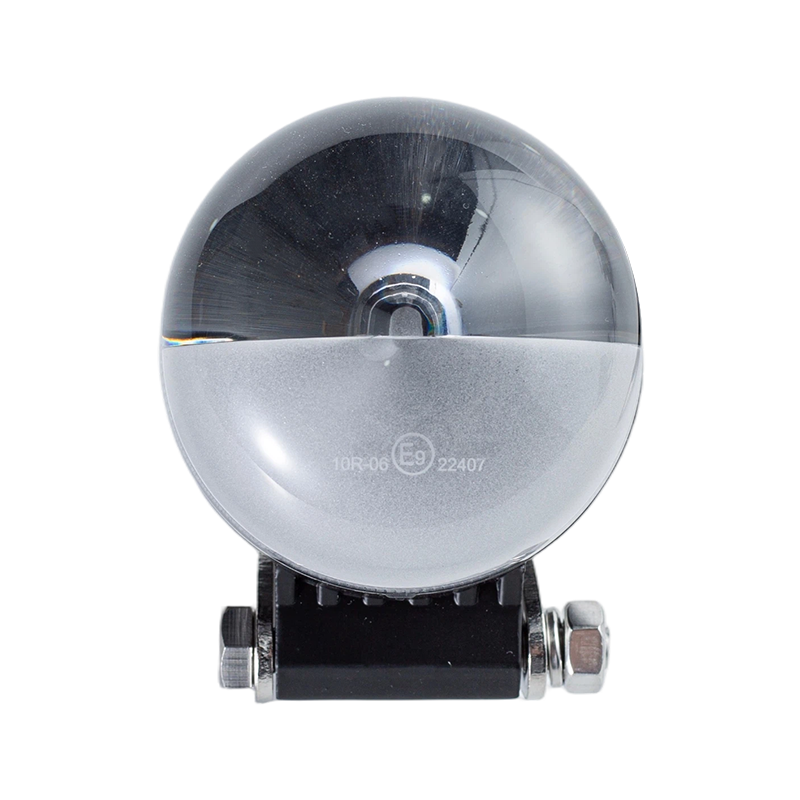
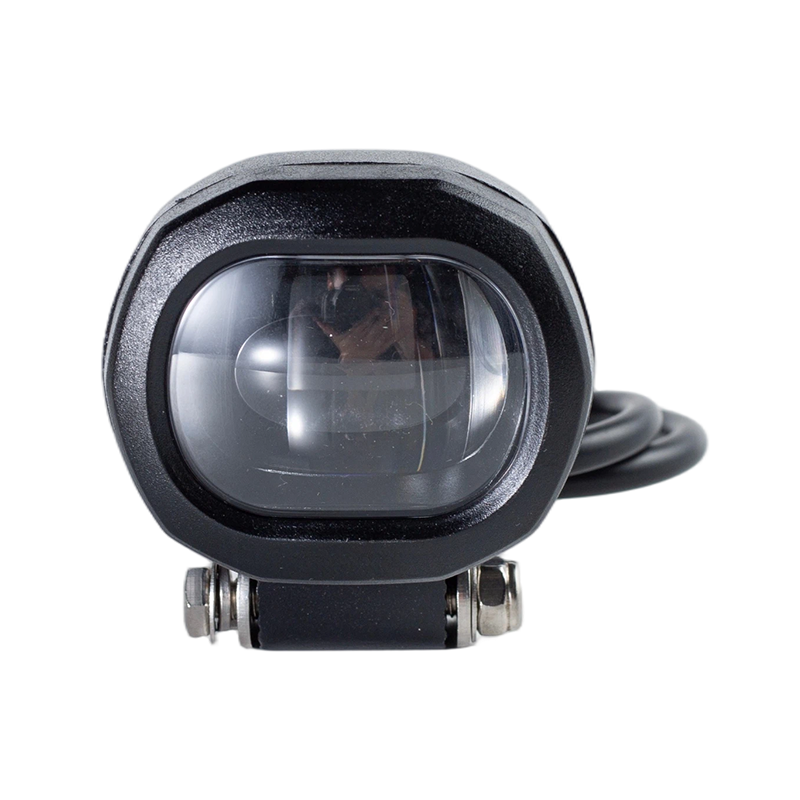
Unlike standard headlights that illuminate the path directly ahead of a vehicle, a blue safety light is mounted to project a distinct colored spot onto the floor several meters in front of or behind the forklift, well before the vehicle itself becomes visible around a corner. This early visual cue gives pedestrians a critical few seconds of warning.
Why the Color Blue Was Chosen Over Other Options
The choice of blue is not arbitrary. Warehouse environments are already saturated with red and amber signals used for stop indicators, hazard beacons, and emergency lighting. Introducing another red or amber light into that visual environment increases the risk of confusion or desensitization, where workers begin to ignore warning colors because they appear too often for unrelated reasons.
- Blue stands out sharply against the typical grey, beige, and off-white tones of concrete warehouse floors.
- Blue is rarely used elsewhere in facility signage, which keeps its meaning specific and unambiguous.
- The wavelength of blue light tends to scatter less under bright overhead fluorescent or LED facility lighting, keeping the projected spot crisp rather than washed out.
- Human peripheral vision is comparatively sensitive to blue-toned light, which helps pedestrians notice the projected spot even when not looking directly at it.
Facilities that adopt a dedicated forklift lighting strategy often standardize on blue specifically so that every operator and pedestrian associates the color with one single meaning: a vehicle is approaching from this direction.
How the Warning System Works in Practice
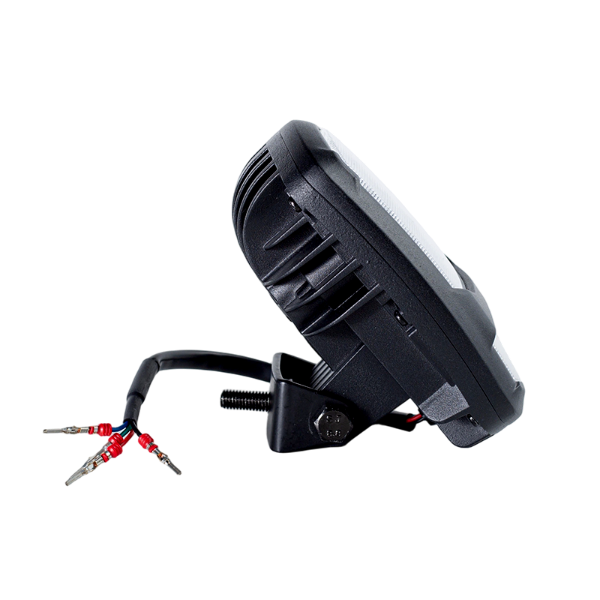
A blue safety light is typically mounted on the mast, overhead guard, or rear chassis of a forklift and angled downward so the beam forms a visible oval or circular spot on the floor at a set distance from the vehicle, commonly between two and five meters depending on aisle width and typical vehicle speed. As the forklift moves, the projected spot moves with it, effectively acting as a moving early-warning marker that arrives at an intersection before the vehicle does.
The projected blue spot reaches a blind intersection ahead of the vehicle, giving pedestrians a visual warning before the forklift is in view.
Why Collision Prevention Matters in Material Handling Operations
Pedestrian and forklift interactions remain one of the most persistent safety concerns in logistics and manufacturing settings. Occupational safety authorities in multiple countries have repeatedly identified struck-by incidents involving powered industrial trucks as a leading cause of serious warehouse injuries, particularly at blind corners, loading dock entrances, and cross-aisle intersections where sightlines are obstructed by racking or stacked inventory.
These figures illustrate why facility safety teams increasingly treat auxiliary lighting as a standard operational control rather than an optional accessory. A well-placed warning light does not replace speed limits, mirrors, or pedestrian walkway markings, but it closes a visibility gap that none of those other controls fully address.
Blue Safety Lights Compared to Other Common Warning Methods
| Warning Method | Warning Range | Works in Noisy Areas | Works Around Blind Corners |
|---|---|---|---|
| Audible backup alarm | Short to medium | Limited | Yes, if loud enough |
| Red or amber rotating beacon | Medium, requires line of sight | Yes | No |
| Blue projected spot light | Fixed distance ahead of vehicle | Yes | Yes |
| Convex mirrors at intersections | Depends on mirror placement | Yes | Yes, but passive |
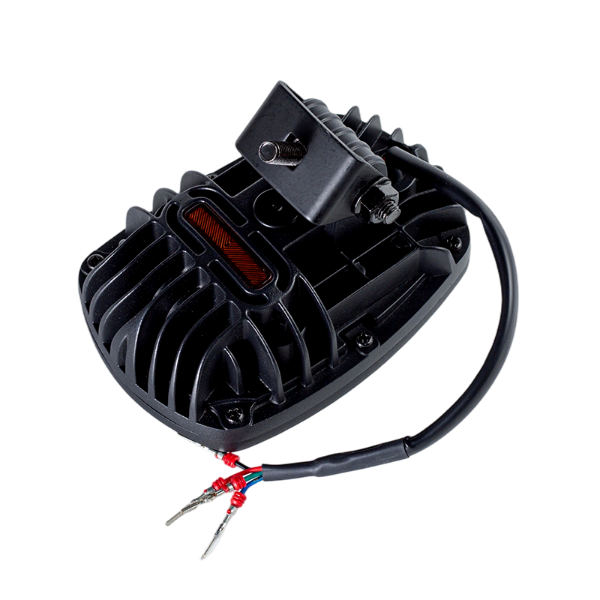
The advantage of a blue spot light is that it is an active, moving indicator rather than a fixed installation. It travels with the vehicle, so coverage is not limited to specific intersections that happen to have a mirror installed.
Why LED Technology Is the Standard Choice for This Application
Nearly all modern blue safety lights and other industrial LED lighting components used on forklifts rely on LED rather than halogen or incandescent sources. Several practical factors drive this preference in demanding warehouse and yard environments.
Durability Under Constant Vibration
Forklifts operate on uneven concrete, ramps, and dock plates, generating continuous mechanical shock. LED emitters have no filament to fracture, making them far more tolerant of this vibration than older lighting technologies.
Instant Illumination and Low Heat Output
LEDs reach full brightness immediately, which matters when a light needs to project a clearly defined warning spot the instant a vehicle starts moving. They also generate comparatively little heat, reducing strain on the surrounding housing and wiring.
Sealed, Weather Resistant Housings
Many IP68 LED work lights used in this role are fully sealed against dust and water ingress, which is essential for facilities that include outdoor yard areas, cold storage docks, or frequent washdown procedures.
Long Service Life
Extended operating hours reduce the frequency of replacement compared to conventional bulbs, which lowers maintenance interruptions on vehicles that may run in multiple shifts per day.
Spot Versus Flood: Choosing the Right Beam Pattern
Beyond blue warning lights, forklifts and other material handling vehicles typically carry general-purpose work lights for industrial vehicles to illuminate the travel path and work area. Selecting the correct beam pattern matters as much as selecting the right color.
| Beam Type | Coverage Area | Best Use Case |
|---|---|---|
| Spot beam | Narrow, long throw | Long aisles, outdoor yard travel, high-speed transit lanes |
| Flood beam | Wide, shorter throw | Loading docks, staging areas, close-range maneuvering |
| Combination spot and flood | Mixed coverage | Multi-purpose vehicles used across varied zones |
Facilities operating a mixed fleet often equip vehicles differently depending on their assigned zone, pairing narrow-aisle reach trucks with tighter flood patterns and yard tractors with longer-range spot beams.
Extending the Concept Beyond Forklifts
The same visibility logic behind blue safety lights applies broadly across heavy equipment lighting and off highway vehicle lighting used in mining, construction, ports, and agriculture. Any environment where large vehicles share space with pedestrians on foot benefits from an early, unambiguous visual warning system.
- Mining vehicles operating in low-light underground or open-pit conditions often require higher-lumen, ruggedized fixtures rated for extreme dust and vibration exposure.
- Port and container yard equipment benefits from long-throw spot lighting due to large open distances between vehicles and personnel.
- Agricultural equipment lighting must tolerate mud, moisture, and irregular terrain while still providing clear operator visibility at night.
Selecting a fixture from experienced industrial vehicle lighting manufacturers generally means access to application-specific housings, mounting brackets, and voltage compatibility already matched to these demanding conditions.
Key Factors When Selecting Industrial Vehicle Lighting
Choosing the right combination of warning and work lighting involves more than picking a color. Facility managers typically evaluate the following before specifying equipment across a fleet.
- Operating environment: indoor warehouse, outdoor yard, cold storage, or washdown area.
- Required ingress protection rating for dust and moisture resistance.
- Beam pattern needed for the specific vehicle route or task.
- Mounting compatibility with existing vehicle chassis and wiring systems.
- Expected duty cycle and operating hours per shift.
- Local or facility-specific safety regulations regarding auxiliary warning lights.
A coordinated approach to industrial lighting systems across an entire fleet, rather than ad hoc fixture selection per vehicle, tends to produce more consistent safety outcomes and simplifies long-term maintenance planning.
Practical Considerations for Warehouse Vehicle Fleets
For facilities managing multiple forklifts, reach trucks, and order pickers, standardizing on a single warning color and consistent projection distance across the fleet reinforces the visual language that pedestrians learn to recognize. Mixing warning colors or inconsistent placement across vehicles can undermine the very training that makes these systems effective.
Regular inspection is also part of maintaining an effective warehouse vehicle lights program. Lenses can accumulate dust or become scratched over time, and misaligned brackets can shift the projected spot distance, both of which reduce the warning time the system is designed to provide.
Frequently Asked Questions
Q1: How do industrial vehicle lights improve safety?
They increase visibility for both operators and nearby pedestrians, particularly at blind corners and intersections, giving people advance warning of an approaching vehicle before it becomes visible.
Q2: What is the difference between spot and flood work lights?
Spot lights produce a narrow, long-reaching beam suited to travel lanes and outdoor areas, while flood lights spread a wider, shorter beam better suited to close-range work such as loading docks and staging zones.
Q3: Why use LED lighting on industrial vehicles?
LED fixtures withstand vibration better than older bulb technologies, reach full brightness instantly, run cooler, and generally last longer, which reduces maintenance interruptions on vehicles operating multiple shifts per day.
Q4: Which LED light is suitable for mining vehicles?
Mining applications typically require ruggedized, high-lumen fixtures with strong dust and vibration resistance ratings, since underground and open-pit conditions are harsher than typical indoor warehouse settings.
Q5: How do industrial vehicle lights improve workplace safety?
Beyond basic illumination, purpose-built warning and work lighting reduces blind-spot risk, supports safer maneuvering in tight spaces, and helps pedestrians and operators react earlier to potential hazards on the floor.
For exclusive deals and latest offers, sign up by entering your email address below.

CONTACT
- 88 Chuangye Street, Qingshanhu Street, Lin 'an District, Hangzhou City, Zhejiang, China
- fldz@fengletech.com
- +86-571-61097576
- +86-13721109386
- +86-15067105688
NEWSLETTER
Contact us today to get your exclusive solution and quote.
We promise never to disclose your privacy.
Copyright © Hangzhou Fengle Electronic Technology Co., Ltd. All Rights Reserved
Custom Forklift Electrical Parts Manufacturers
