


 русский
  Español
  中文简体
中文简体

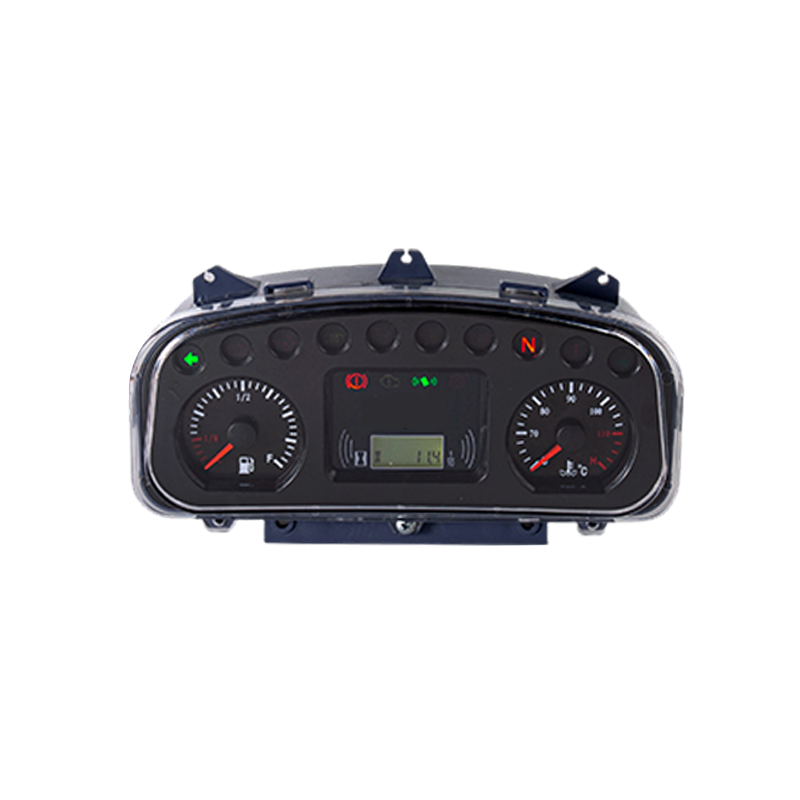
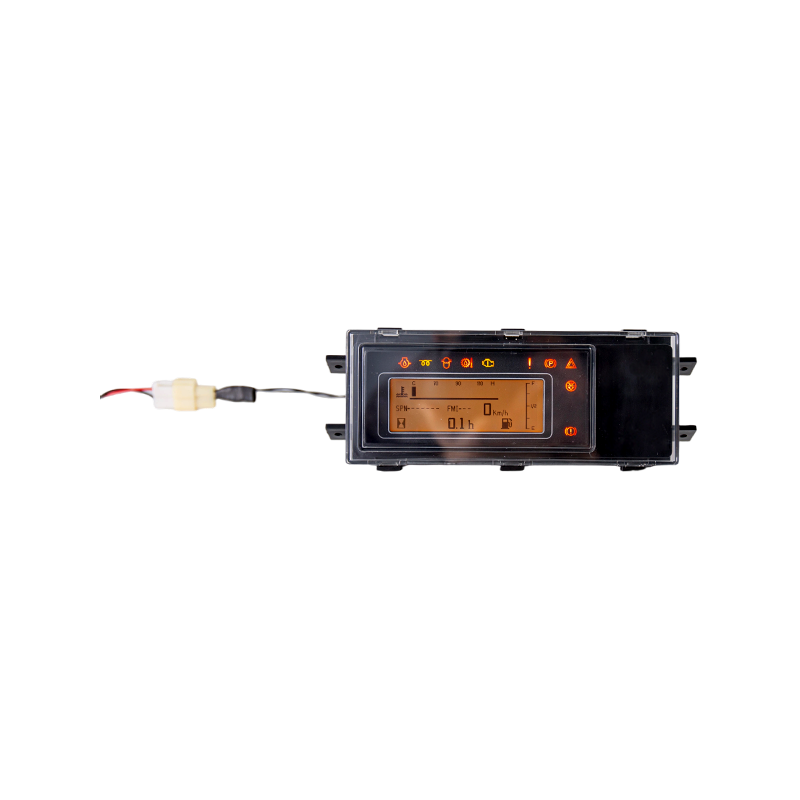
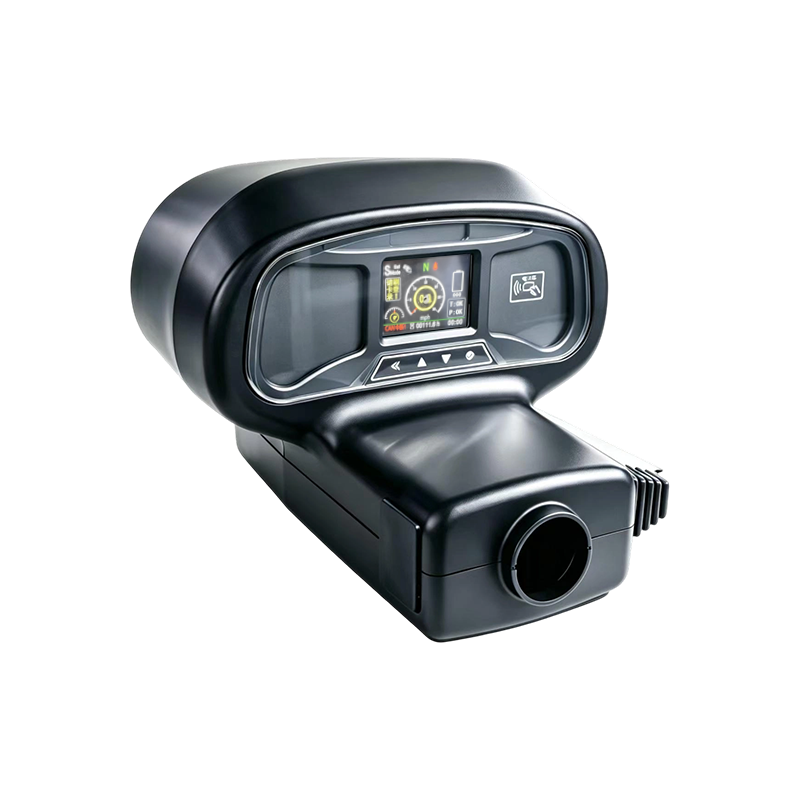
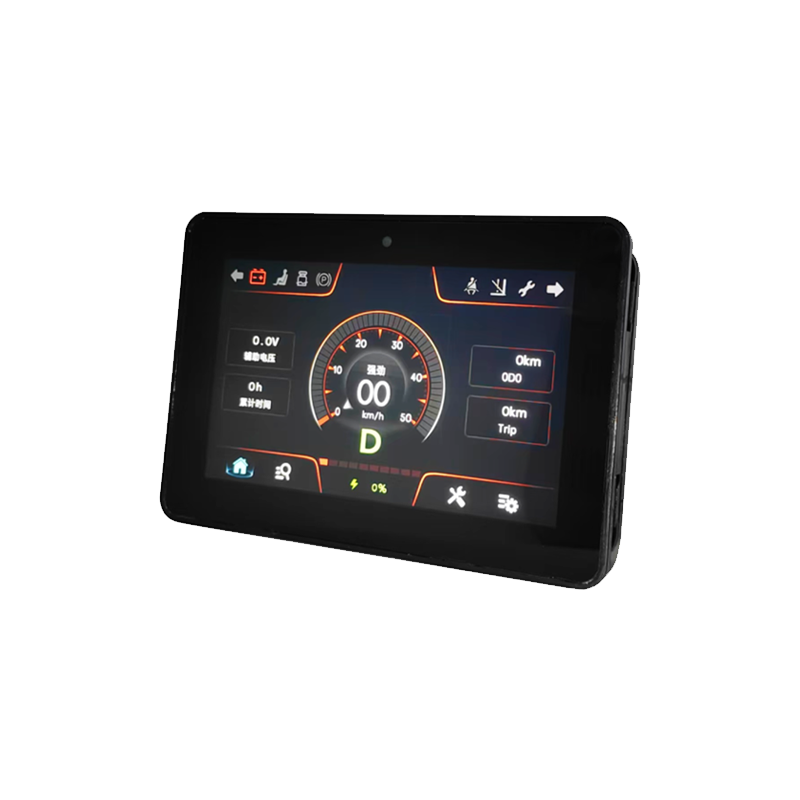
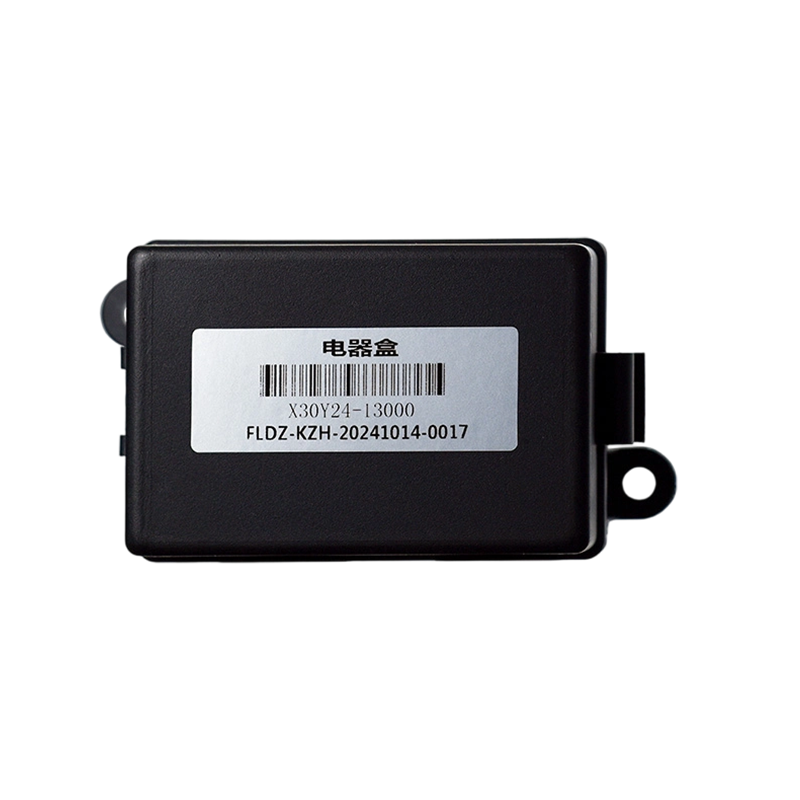
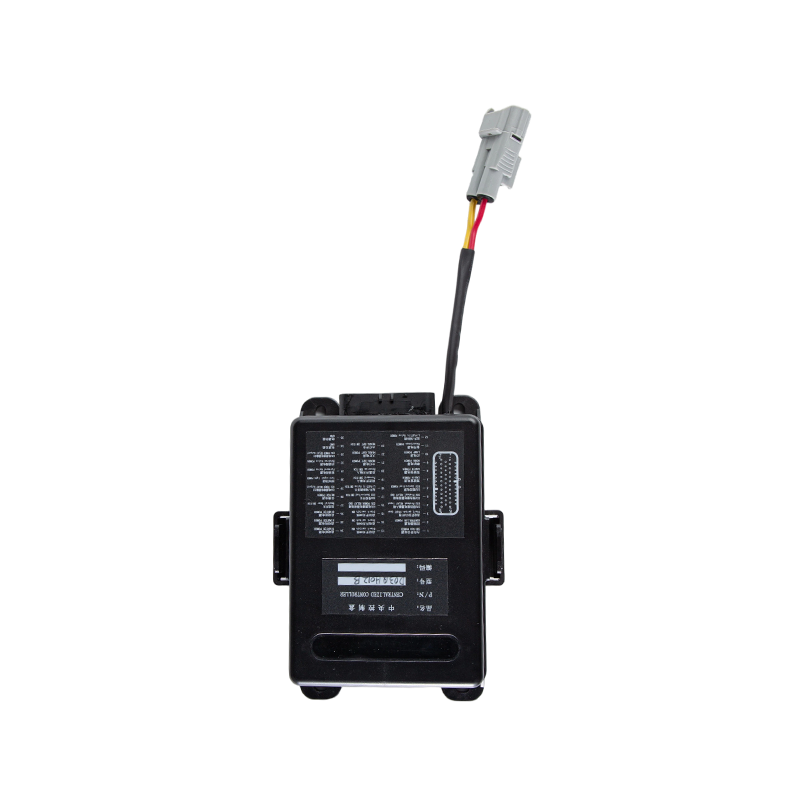
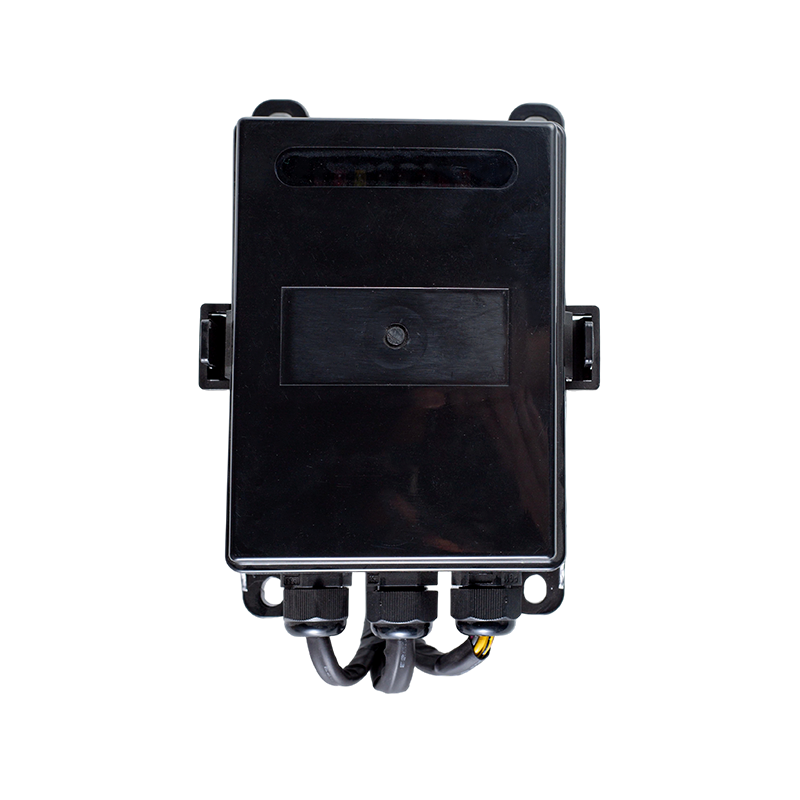
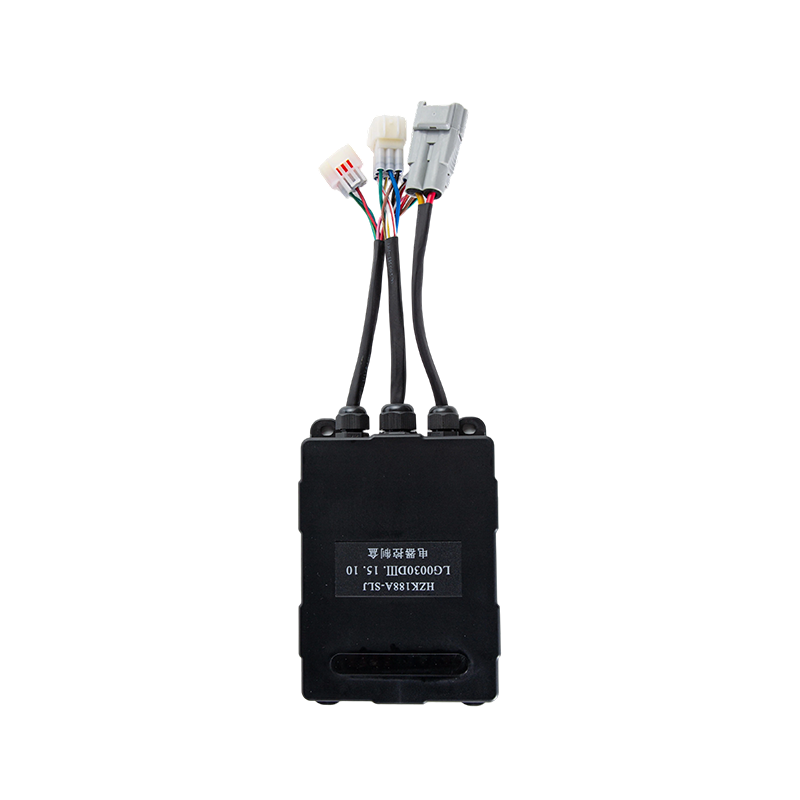
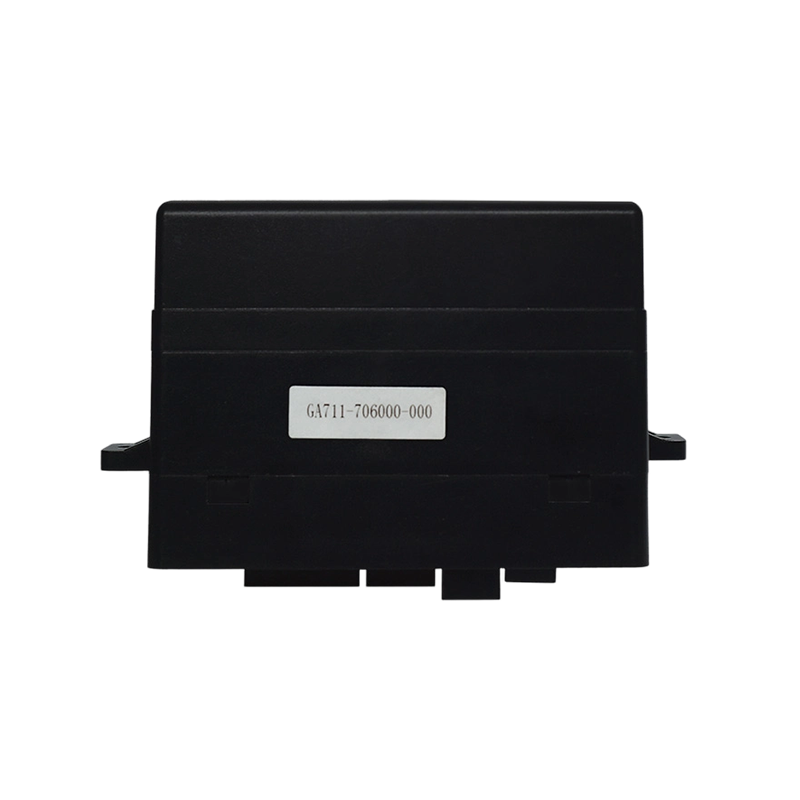
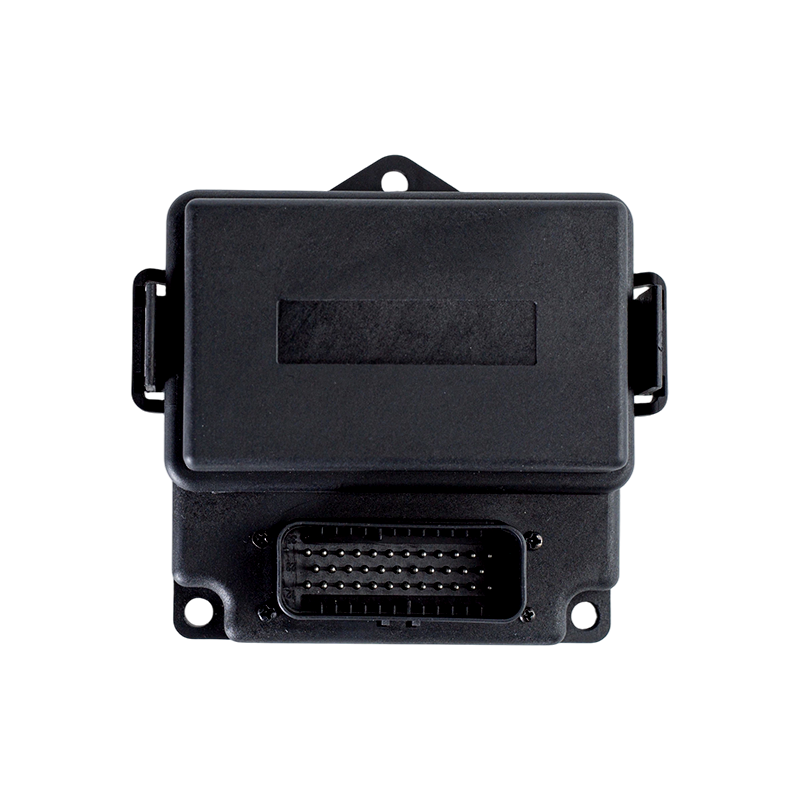
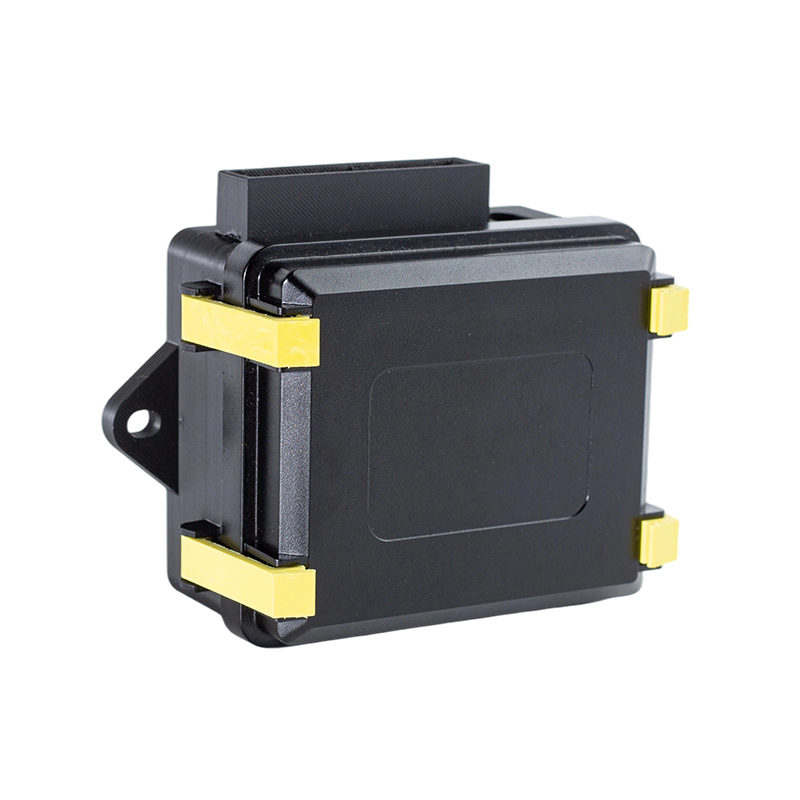
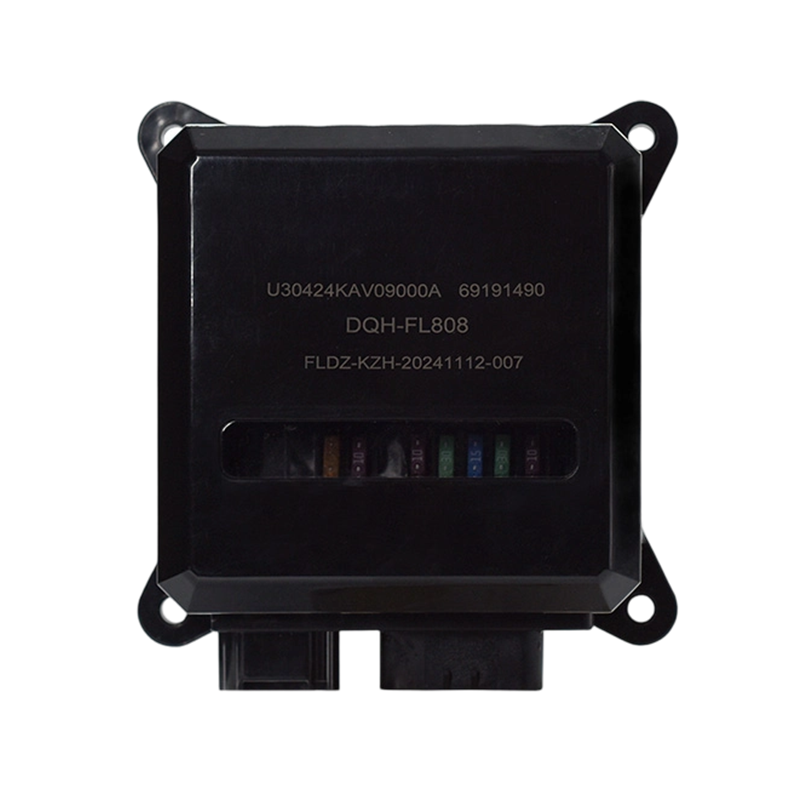

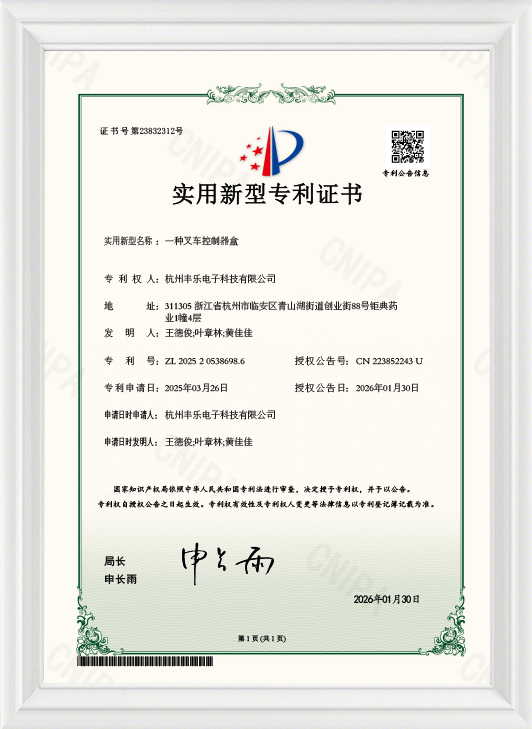
1. Introduction to Industrial Vehicle Electrical Boxes
In the demanding world of heavy machinery and engineering vehicles, the electrical system serves as the nervous system of the entire vehicle. Hangzhou Fengle Electronic Technology Co., Ltd. specializes in engineering top-tier Industrial Vehicle Electrical Boxes, which are centralized units designed to house, organize, and protect critical electrical connections, fuses, relays, and circuit breakers.
These power distribution units (PDUs) ensure that electrical currents are safely and efficiently routed from the power source to various components like motors, lighting, sensors, and control valves. Without a robust and well-designed electrical box, modern engineering vehicles would face frequent downtime caused by electrical shorts, environmental damage, or circuit overloads.
2. Key Components and Technical Architecture
An industrial vehicle electrical box is far more than a simple metal or plastic enclosure. It is a highly engineered system designed to withstand extreme environments. Understanding the core components helps in recognizing the complexity behind these products:
- Busbars and Power Distribution Boards: These are the thick strips of copper or brass that conduct electricity within the box. They are designed to carry high-current loads with minimal resistance and heat generation.
- Relays and Contactors: Relays act as electrically operated switches. They allow a low-power signal from the vehicle control unit to switch a much higher power circuit, which is essential for operating heavy machinery functions.
- Fuses and Circuit Breakers: These are the primary defense mechanisms against overcurrent. Fuses melt and break the circuit if the current spikes, while circuit breakers trip and can be reset, protecting expensive downstream electronics.
- Enclosure and Sealing Gaskets: The outer shell must resist impacts, while high-grade silicone or rubber gaskets ensure the box meets strict Ingress Protection (IP) ratings to keep out water, dust, and oil.
- Connectors and Wiring Harness Interfaces: Heavy-duty, vibration-resistant plug-and-play connectors ensure reliable data and power transmission from the box to the rest of the vehicle.
3. Industry Standards and Environmental Resilience
Engineering vehicles operate in some of the harshest environments on Earth, from muddy construction sites and dusty mining operations to freezing agricultural fields. Therefore, electrical boxes manufactured by Hangzhou Fengle Electronic Technology Co., Ltd. are designed to meet stringent industry standards.
Ingress Protection (IP) Ratings
For industrial vehicles, IP65, IP67, or even IP69K ratings are essential. An IP67 rating means the electrical box is completely dust-tight and can withstand immersion in water up to 1 meter for 30 minutes. IP69K, the highest protection level, ensures the box can withstand high-pressure, high-temperature washdowns, which are common in agricultural and food-processing heavy machinery.
Vibration and Shock Resistance
Heavy machinery is subject to continuous low-frequency vibrations and high-impact shocks. Industrial-grade electrical boxes utilize specialized anti-vibration mounts, locked-in relay clips, and potted electronics to prevent components from shaking loose, ensuring continuous operation.
Thermal Management
With high currents flowing through multiple fuses and relays, heat generation is inevitable. Advanced electrical boxes incorporate thermal dissipation designs, such as aluminum heat sinks or breathable vents that let moisture out without letting water in, keeping internal temperatures within safe operating limits.
4. Product Category Overview and Selection Matrix
Different engineering vehicles require different electrical architecture layouts. Choosing the right electrical box depends heavily on the vehicle operating voltage, current requirements, and the complexity of the integrated systems.
The following matrix outlines the typical specifications across different industrial applications:
| Vehicle Type | Typical System Voltage | Common IP Rating Needed | Primary Material Used | Core Functionality |
|---|---|---|---|---|
| Construction Machinery (Excavators, Cranes) | 24V DC | IP67 / IP69K | Heavy-duty Polymer / Aluminum | High-current distribution, hydraulic valve control, sensor monitoring |
| Mining Vehicles (Dump Trucks, Drills) | 24V / 48V DC | IP69K | Stainless Steel / Reinforced Alloys | Extreme shock resistance, high-capacity circuit protection |
| Agricultural Equipment (Tractors, Harvesters) | 12V / 24V DC | IP66 / IP67 | UV-Resistant Thermoplastic | Multiplexing integration, implement control system management |
| Logistics & Material Handling (Forklifts) | 48V / 80V DC | IP65 | Lightweight Composite | Electric powertrain routing, battery management system interfacing |
5. Our Service and Technical Advantages
As a national high-tech enterprise, Hangzhou Fengle Electronic Technology Co., Ltd. is uniquely positioned to deliver superior value to global Original Equipment Manufacturers (OEMs) and aftermarket clients.
- Integrated R&D and Manufacturing: We control the entire lifecycle of our products, from initial conceptual design and circuit layout simulation to mass production and strict quality testing. This ensures unparalleled product consistency.
- Customized Engineering Solutions: Every engineering vehicle has unique space constraints and electrical demands. We provide tailor-made electrical box designs, including custom busbar layouts, specific connector types, and optimized spatial configurations.
- Advanced Testing Protocols: Our in-house testing facilities subject our electrical boxes to rigorous thermal cycling, salt spray corrosion tests, ingress protection validation, and high-frequency vibration testing to guarantee long-term field reliability.
- Global Supply Chain Reliability: We source only premium-grade electronic components, fuses, and relays, ensuring that our finished assemblies perform flawlessly under continuous load conditions.
- Comprehensive Technical Support: Our responsibility does not end at delivery. We provide detailed wiring schematics, integration consulting, and responsive troubleshooting support for our clients engineering teams.
6. Frequently Asked Questions
FAQ 1: Why is a centralized electrical box better than decentralized wiring in engineering vehicles?
A centralized electrical box clusters all fuses, relays, and control modules into a single, protected location. This significantly reduces the total length of wiring harnesses needed, lowers the risk of circuit failure, simplifies diagnostic troubleshooting, and protects sensitive components from environmental hazards far better than scattered, decentralized wiring.
FAQ 2: What materials are best suited for industrial vehicle electrical box enclosures?
The choice depends on the application. High-grade thermoplastics or glass-fiber reinforced polymers are excellent for complex shapes, offer natural electrical insulation, and are lightweight and corrosion-proof. For extreme mining or heavy construction environments where mechanical impacts are common, aluminum alloys or stainless steel enclosures provide superior physical protection and excellent thermal dissipation.
FAQ 3: How does Hangzhou Fengle Electronic Technology Co., Ltd. ensure products handle high-vibration environments?
We implement multiple design safeguards against vibration. These include using positive-locking connectors that cannot wiggle loose, utilizing relays with mechanical retention clips, designing rigid internal busbars rather than loose wires, and deploying specialized potting compounds or dampening gaskets that absorb mechanical shock before it reaches critical electrical connections.
FAQ 4: Can your electrical boxes support both 12V and 24V DC systems simultaneously?
Yes, we can design multi-voltage power distribution units. Many modern engineering vehicles run a standard 24V system for heavy operations but require 12V feeds for cabin electronics, GPS tracking, or specialized sensors. Our customized internal circuitry can integrate voltage converters or separate insulated busbars to manage multiple voltage rails safely within a single enclosure.
FAQ 5: What custom options can be adjusted during the design phase?
When collaborating with Hangzhou Fengle Electronic Technology Co., Ltd., customers can customize almost every aspect of the electrical box. This includes the physical dimensions to fit specific vehicle chassis spaces, the number and rating of fuse slots, the integration of smart controller boards (CAN bus integration), specialized sealing levels, and the precise type and orientation of external quick-connect wire harnesses.

