


 русский
  Español
  中文简体
中文简体

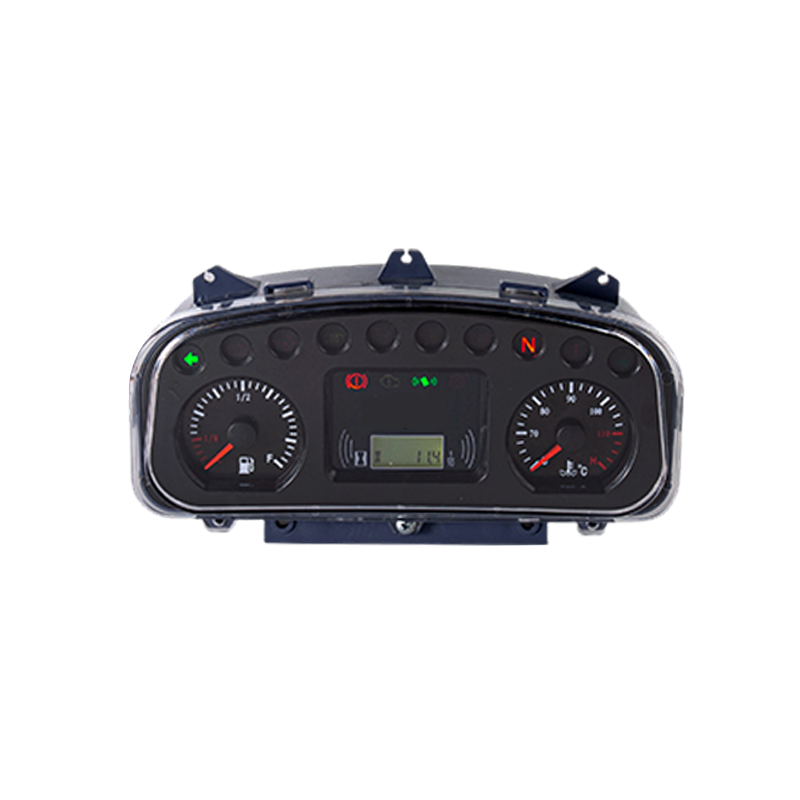
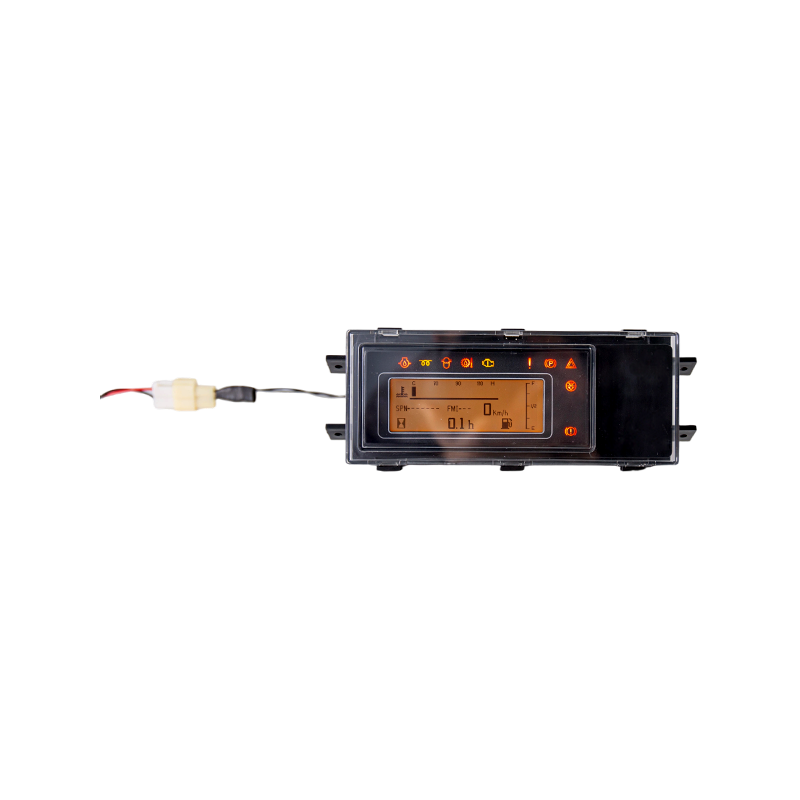
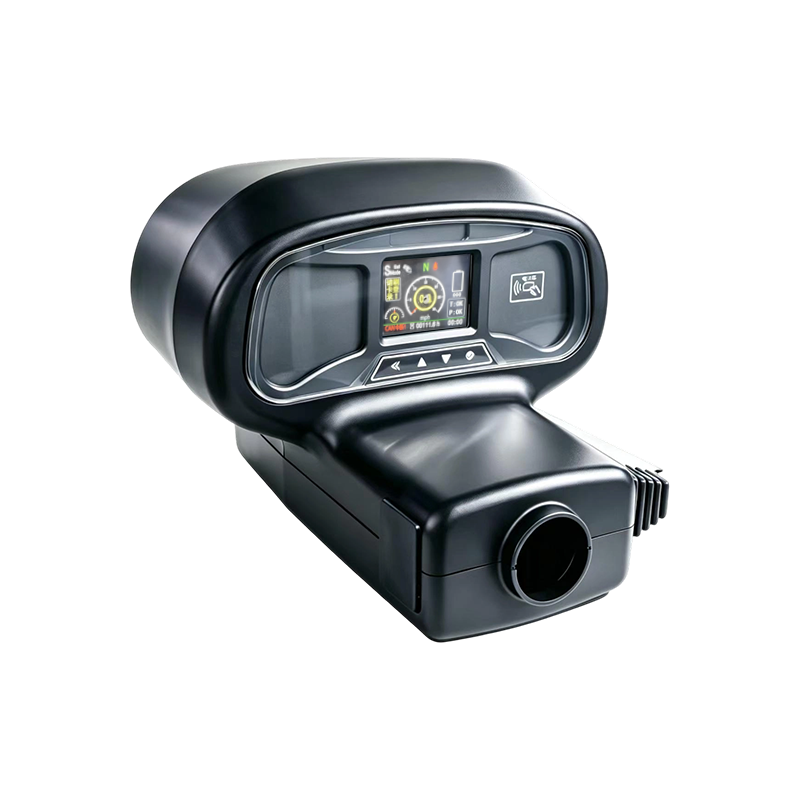
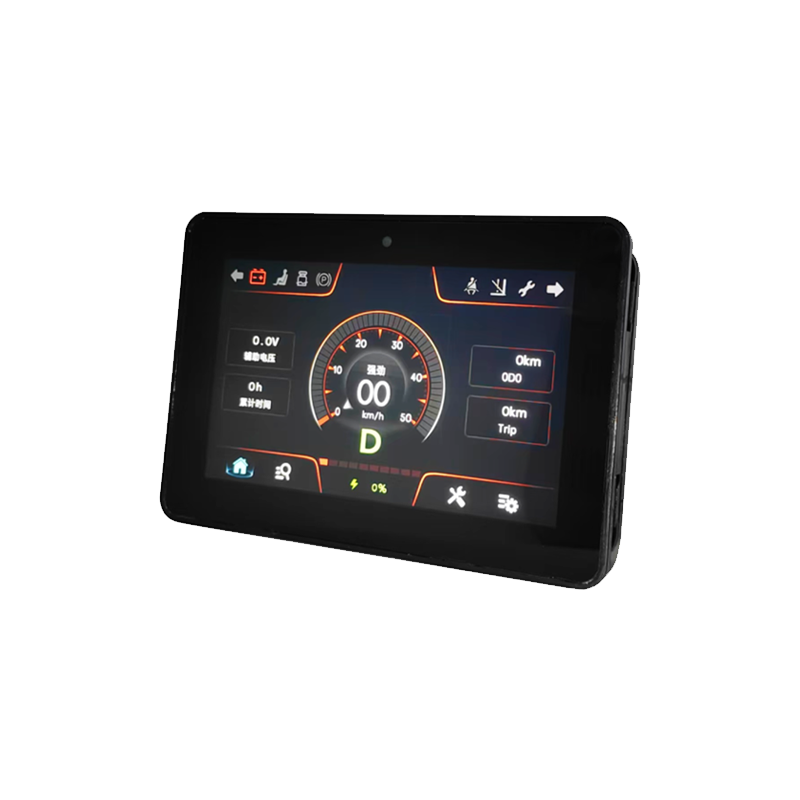
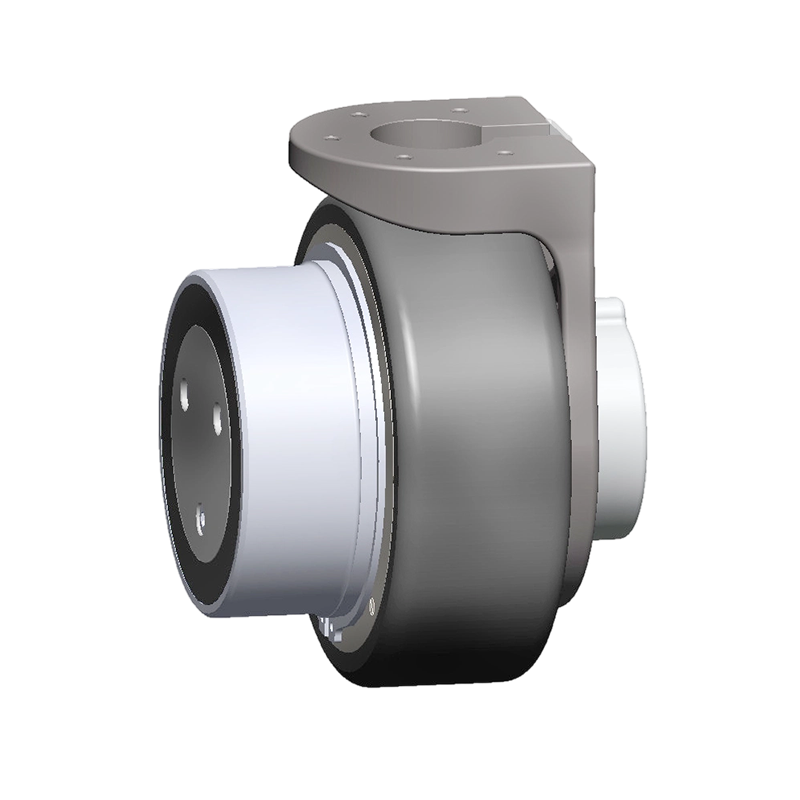
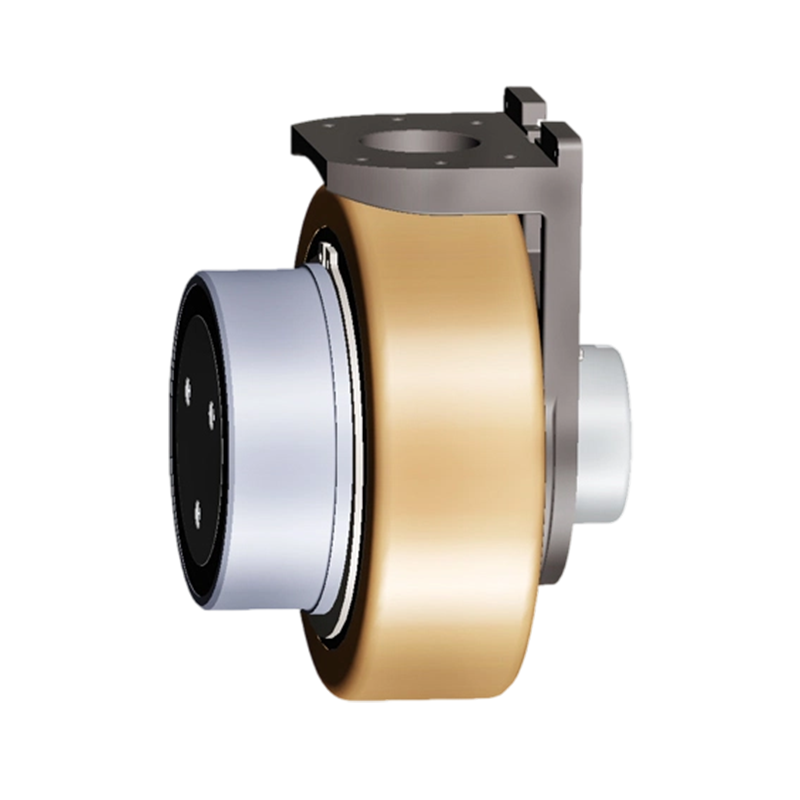
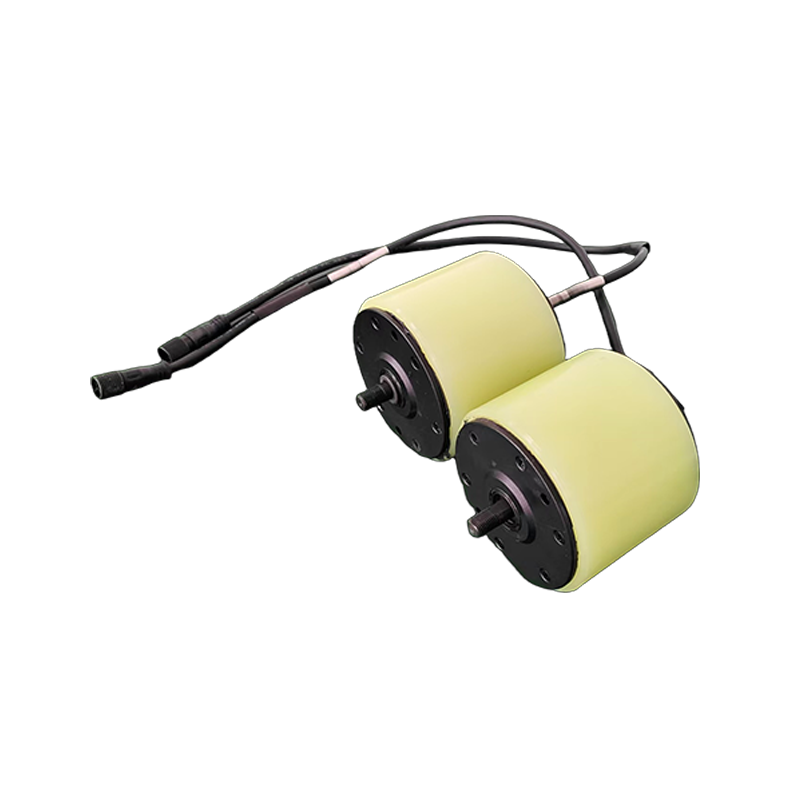
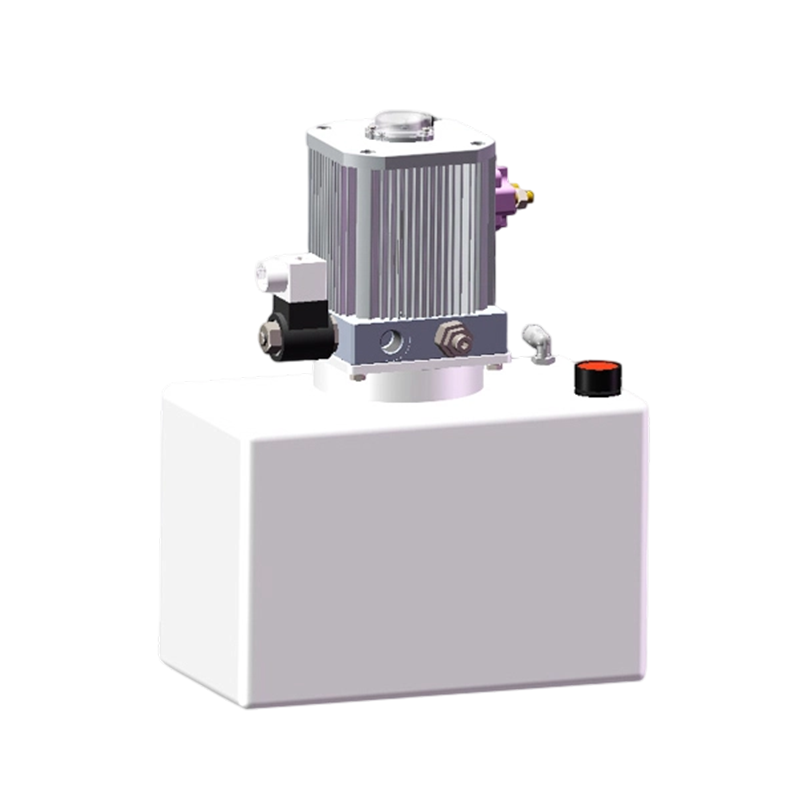
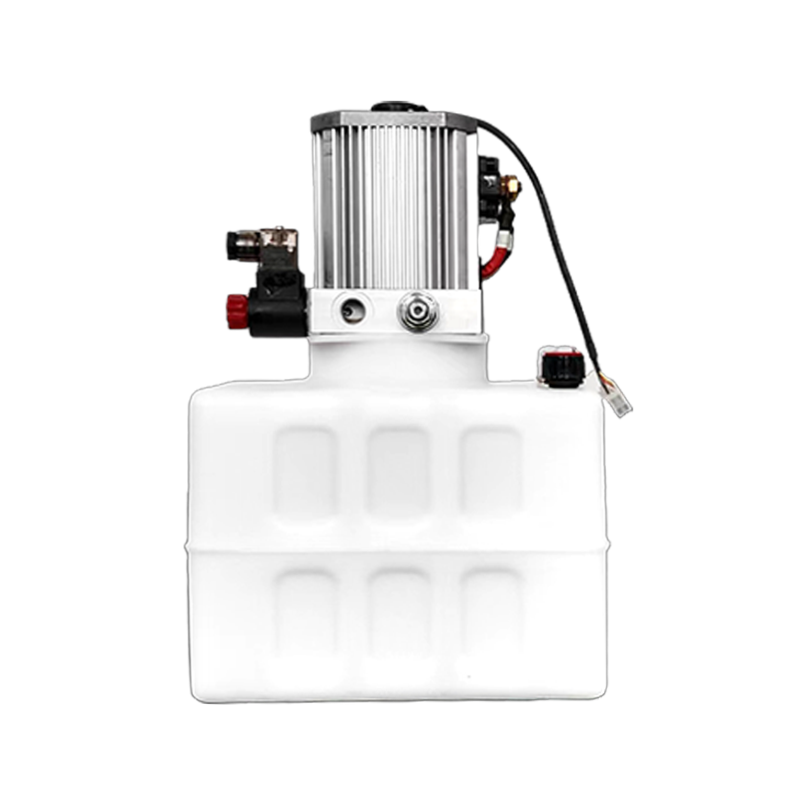
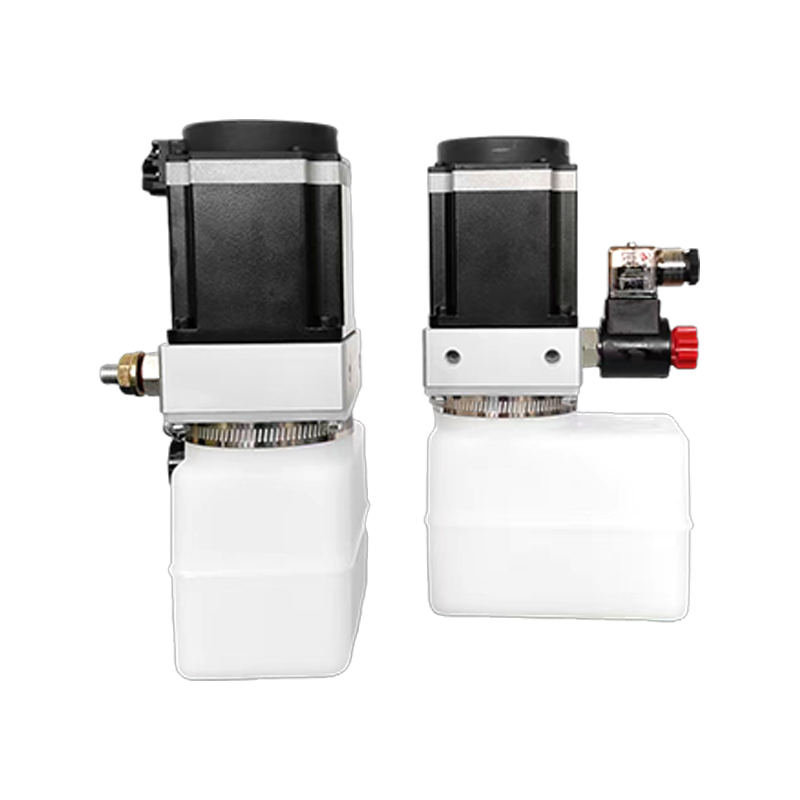
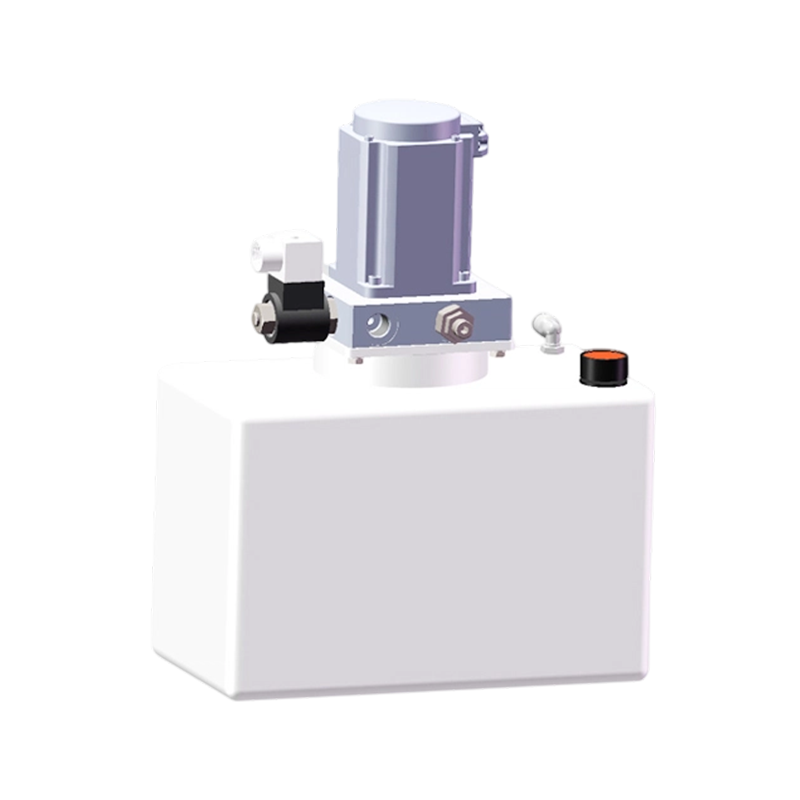
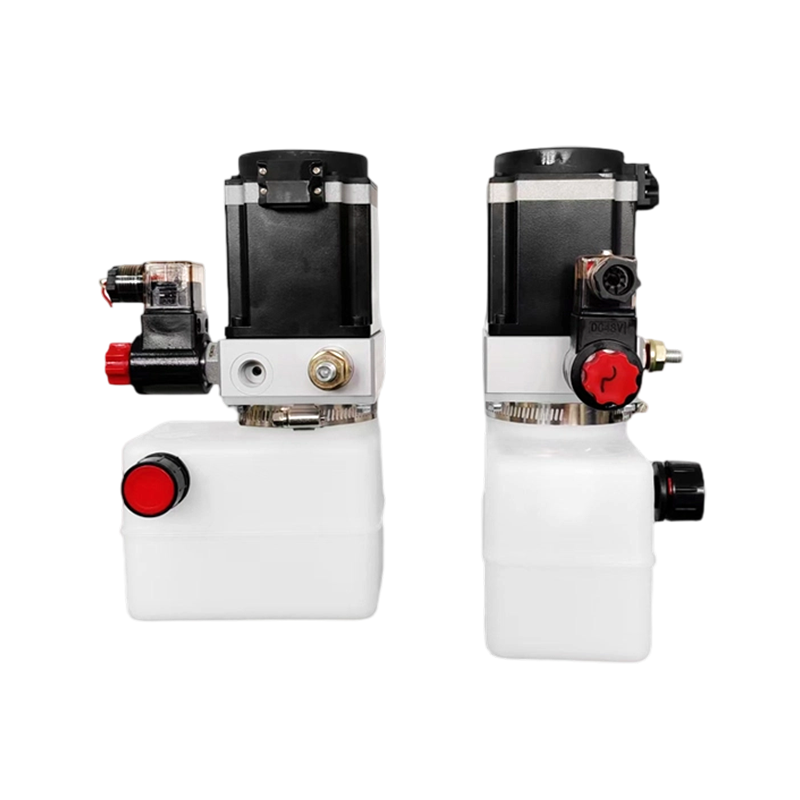



1 Introduction to Industrial Vehicle Energy Recovery Systems
Industrial vehicle energy recovery systems represent a major technological shift in modern material handling and construction equipment design. As global industries prioritize operational efficiency and carbon reduction, heavy machinery manufacturers and fleet operators are looking for advanced ways to capture and reuse energy that is otherwise lost during standard operations. These systems are designed to intercept kinetic and thermal energy, convert it into usable electrical or hydraulic power, and feed it back into the vehicle powertrain or battery storage.
For engineering vehicles such as forklifts, excavators, reach stackers, and heavy duty mining trucks, energy recovery is not just an environmental choice but a direct driver of operational cost reduction. In traditional industrial vehicles, massive amounts of energy dissipate as heat during braking, load lowering, and hydraulic deceleration. By implementing specialized electronic control units, power converters, and energy storage links, modern fleets can capture this energy, resulting in extended battery life, reduced component wear, and minimized fuel consumption.
2 Core Technologies and Working Principles
The technology behind industrial vehicle energy recovery relies heavily on the integration of power electronics, advanced motor controllers, and smart energy management systems. Unlike standard passenger electric vehicles, industrial work trucks operate under high load cycles, frequent start stop patterns, and heavy lifting demands. Therefore, the recovery systems must be robust enough to handle high current spikes and rapid energy transfers.
There are two primary methods used to capture and recycle energy in heavy industrial vehicles:
- Regenerative Braking Systems: When a heavy engineering vehicle decelerates or stops, the electric traction motor acts as a generator. Instead of wasting kinetic energy as friction heat in mechanical brakes, the motor converts this kinetic energy into electrical energy. The power electronics route this electricity back to the main battery pack or a supercapacitor bank.
- Hydraulic and Lifting Energy Recovery: For equipment like forklifts and excavators, a tremendous amount of potential energy is stored when loads are lifted high into the air. When the heavy load is lowered, gravity pulls the mechanism down. Advanced energy recovery systems utilize hydraulic motors or specialized electric generators connected to the lifting valves to capture this downward kinetic energy, converting it into stored power rather than bleeding it off as heat through hydraulic fluids.
3 Technical Specifications and Comparison Data
To understand the practical impact of energy recovery products on industrial fleets, it is helpful to look at how different vehicle types utilize these systems and the tangible benefits they achieve. The table below outlines key metrics across common engineering vehicle categories equipped with high performance energy recovery technology.
| Vehicle Type | Primary Recovery Mechanism | Average Energy Savings Range | Major System Components Involved | Impact on Component Lifespan |
|---|---|---|---|---|
| Electric Forklifts | Regenerative braking and load lowering | 15 percent to 25 percent | Dual inverter modules, bidirectional DC to DC converters, smart lifting valves | Reduces brake pad wear and lowers hydraulic oil operating temperatures |
| Heavy Duty Excavators | Swing deceleration and boom downward movement | 20 percent to 30 percent | Hydraulic hybrid accumulators, integrated starter generators, energy management units | Lowers thermal stress on the main engine and hydraulic pumps |
| Port Reach Stackers | High load braking and container lowering | 18 percent to 28 percent | Supercapacitor storage banks, high power traction inverters, control gateways | Extends the operational runtime per charge or fuel tank fill |
| Mining Haul Trucks | Long downhill braking and retardation | 25 percent to 35 percent | Grid resistors with regenerative links, high voltage liquid cooled inverters | Drastically cuts down on mechanical brake maintenance cycles |
4 Market Value and Operational Benefits
Implementing energy recovery systems directly addresses the most pressing challenges faced by modern industrial operations, offering clear financial and functional advantages:
Reduced Total Cost of Ownership
Fuel and electricity represent a massive portion of the ongoing expenses for any logistics or construction enterprise. By recycling between 15 percent and 35 percent of operational energy, companies see an immediate drop in energy utility bills and diesel consumption. Over the lifespan of a fleet, these savings easily offset the initial investment in advanced electronic components.
Extended Equipment Runtime
For battery powered electric forklifts and warehouse vehicles, energy recovery directly translates to longer shifts on a single charge. This minimizes the need for mid shift battery swapping or opportunity charging, maximizing overall warehouse throughput and keeping operators productive.
Thermal Management and Component Protection
When energy is recovered instead of wasted, less heat is generated within the vehicle mechanical brakes and hydraulic systems. Lower operating temperatures mean that hydraulic seals last longer, oil degrades at a much slower rate, and electronic components are protected from thermal stress, leading to fewer unexpected breakdowns.
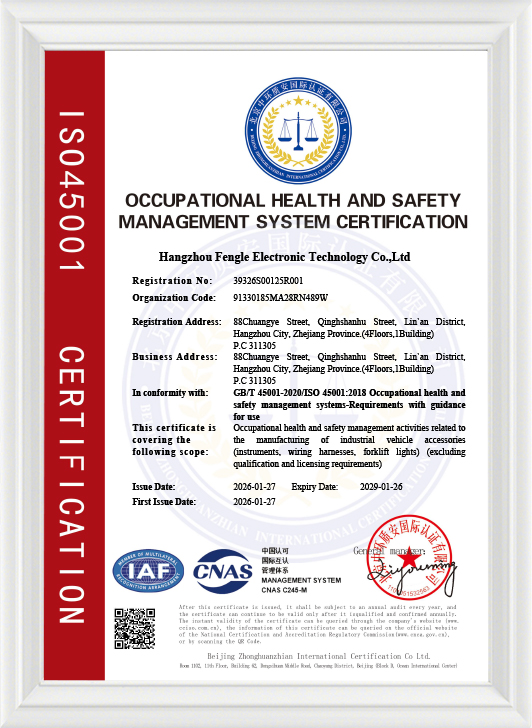
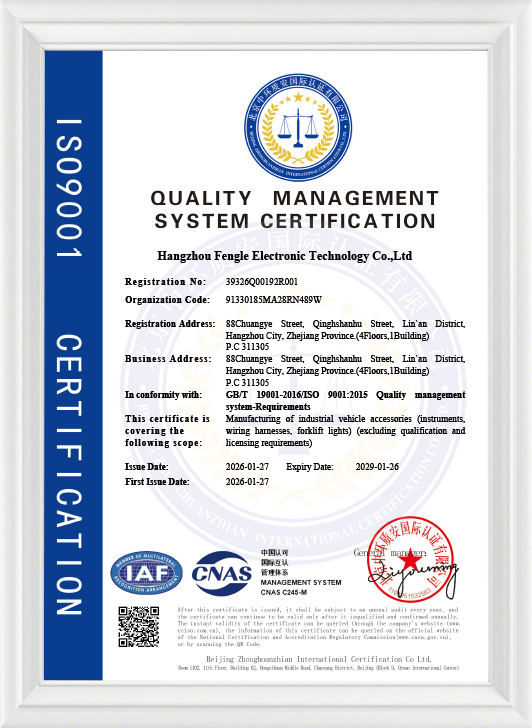
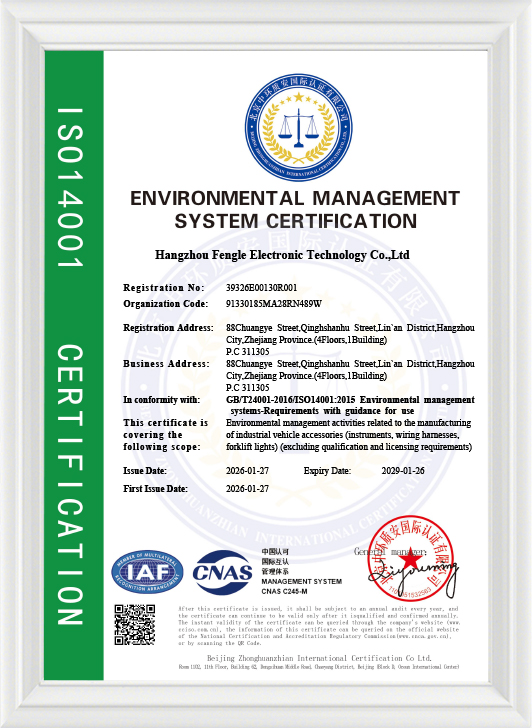
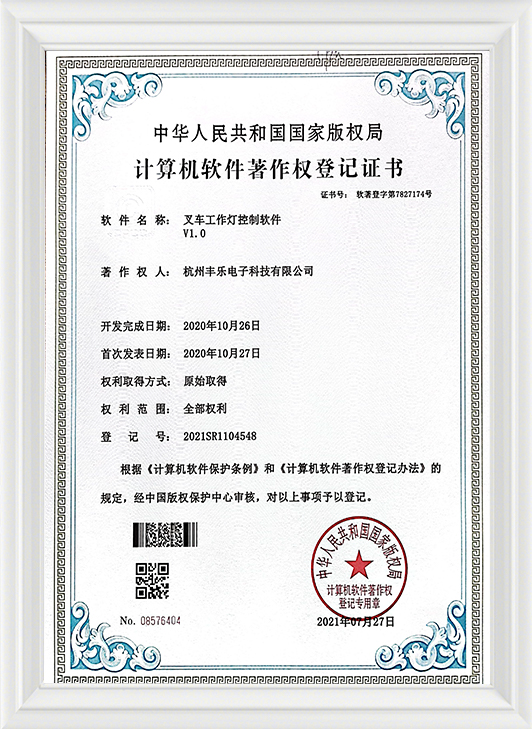
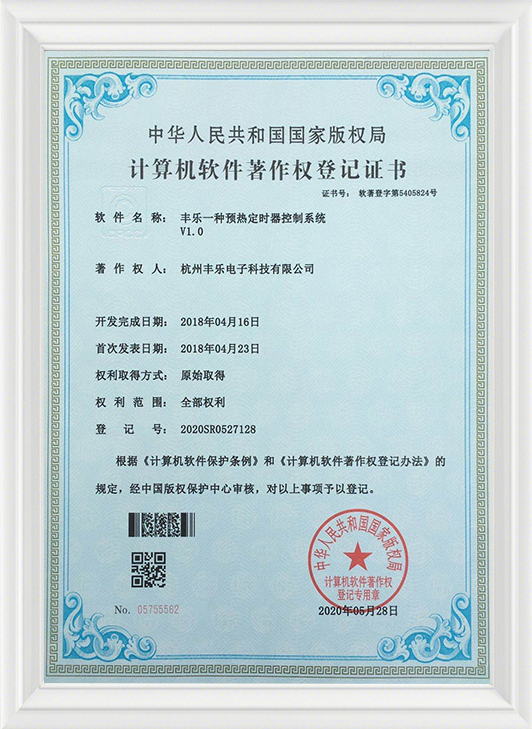
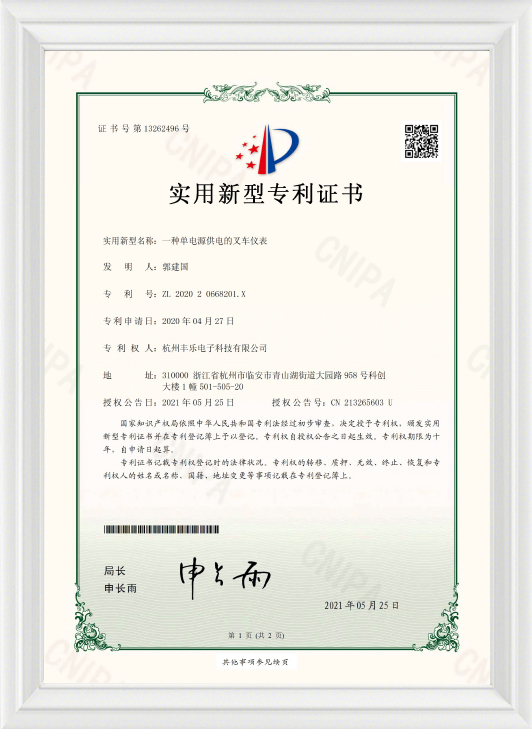
5 Service Advantages of Hangzhou Fengle Electronic Technology Co Ltd
When choosing an industrial partner for vehicle electronics and energy recovery integration, Hangzhou Fengle Electronic Technology Co Ltd provides unparalleled corporate capabilities and support:
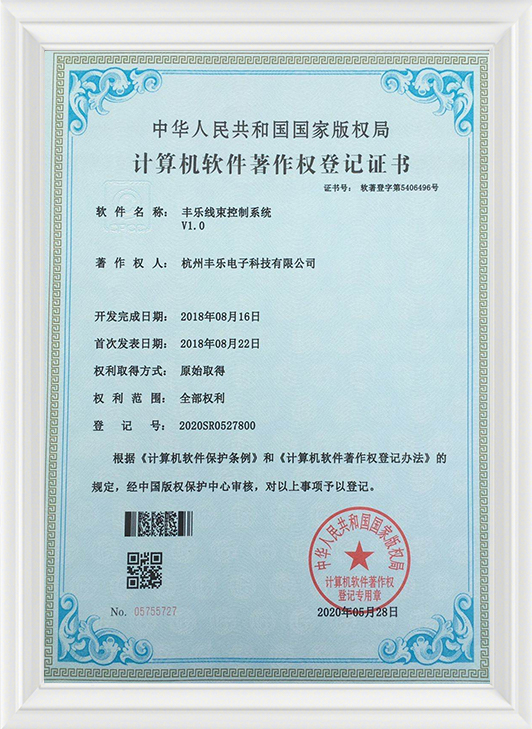
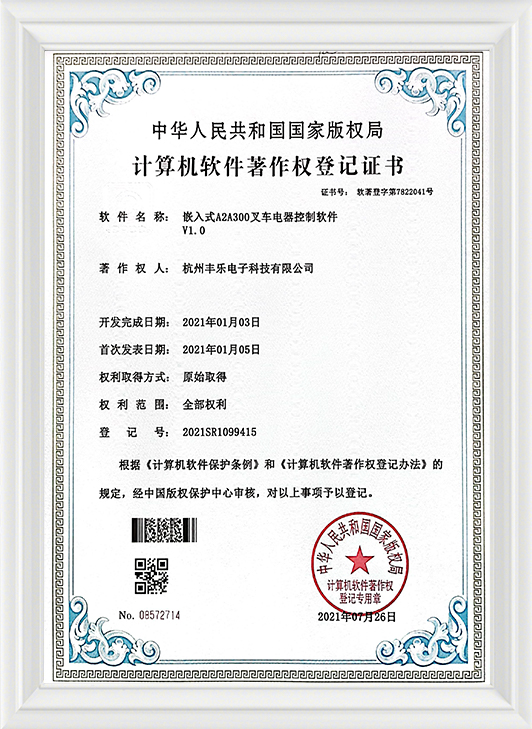
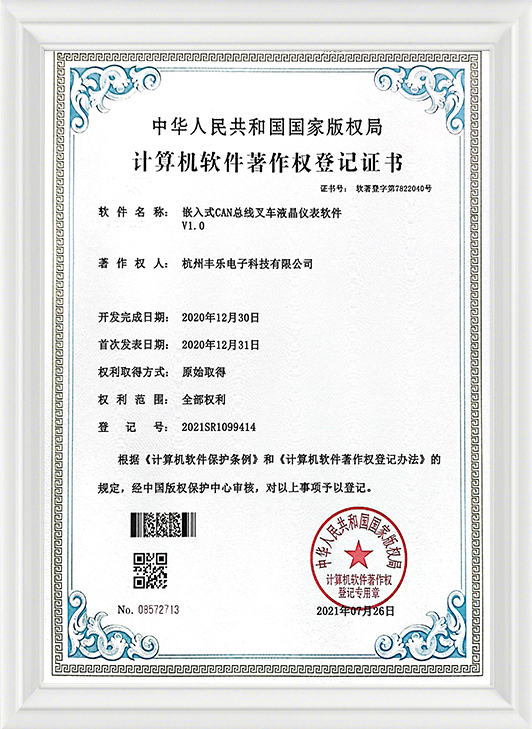
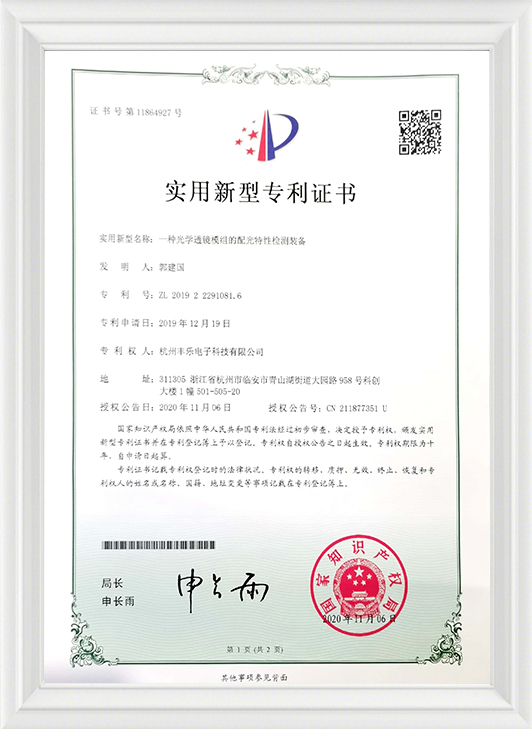
- National High Tech Expertise: As an established national high tech enterprise, Hangzhou Fengle Electronic Technology Co Ltd seamlessly integrates professional design, research and development, production, and global sales to deliver world class electronics solutions.
- Tailored Engineering Solutions: We specialize in providing highly customized, robust engineering solutions that match the precise voltage, space, and environmental requirements of your specific vehicle fleet.
- Innovative Core Technology: Driven by continuous technological innovation, our products feature advanced electronic control logic designed to withstand the harshest industrial environments, from dusty mines to high intensity logistics hubs.
- Comprehensive Lifecycle Support: From initial product conceptualization and technical layout design to large scale manufacturing and post sale technical assistance, Hangzhou Fengle Electronic Technology Co Ltd ensures your engineering vehicles achieve peak efficiency.
6 Industry Frequently Asked Questions
FAQ 1 What is the typical return on investment period for energy recovery systems?
The return on investment generally ranges from 12 to 24 months, depending on the vehicle utilization rates, shift patterns, and local energy costs. Fleets operating across multiple shifts daily see the fastest payback times due to the sheer volume of energy recycled.
FAQ 2 Can these energy recovery systems be retrofitted onto existing industrial vehicles?
While factory integration offers the highest level of optimization, certain advanced energy recovery modules and power electronic converters can be retrofitted into existing fleet vehicles, provided the existing control architecture supports bidirectional power flow.
FAQ 3 How do energy recovery products perform in extreme environmental conditions?
Our industrial grade products are engineered to meet strict ingress protection standards, ensuring reliable operation in extreme temperatures ranging from below freezing northern winters to high heat industrial environments, while resisting dust and heavy vibration.
FAQ 4 What type of maintenance is required for these electronic recovery units?
Because these are solid state power electronic components, they require virtually no mechanical maintenance. Regular fleet maintenance is limited to routine software diagnostic checks and ensuring that cooling paths or heatsinks remain free of debris.
FAQ 5 Does energy recovery affect the lifting or braking performance of the vehicle?
Not at all. The integration of technology from Hangzhou Fengle Electronic Technology Co Ltd ensures that the transition between mechanical action and energy capture is completely smooth, often improving braking responsiveness and overall operator control.

