


 русский
  Español
  中文简体
中文简体

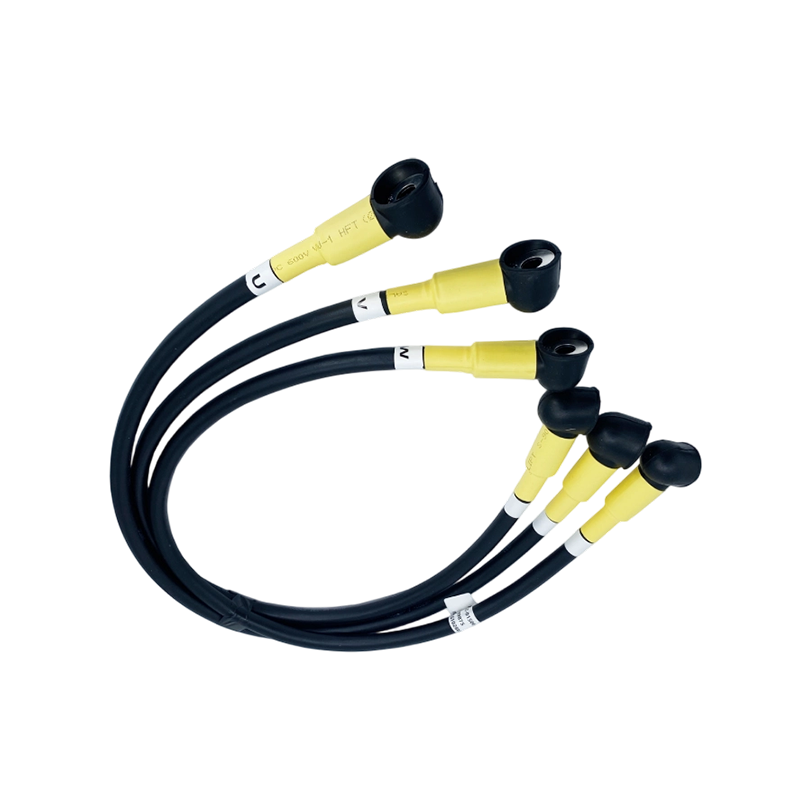
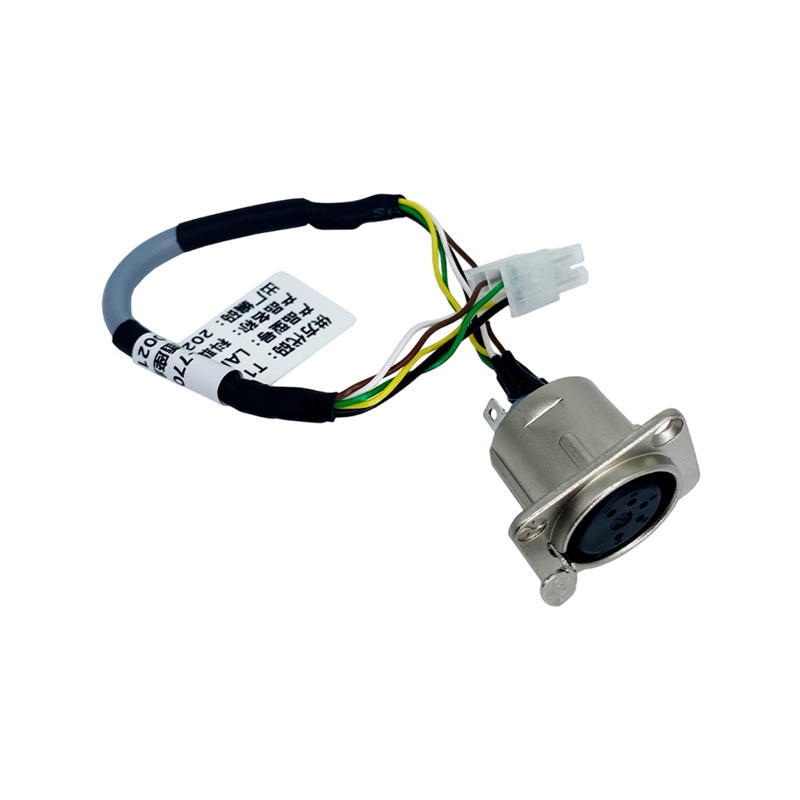

The modern industrial vehicle sector relies heavily on complex electrical architectures to ensure safety, operational efficiency, and precise control under harsh environmental conditions. As heavy duty machinery transitions toward higher automation, intelligent control, and electrification, the performance requirements for specialized function and auxiliary wiring harnesses have grown significantly.
This technical guide provides an in-depth analysis of auxiliary wiring systems for industrial vehicles, outlining key engineering standards, manufacturing processes, and specialized application scenarios. This information is designed to assist global procurement managers and heavy equipment engineers in optimizing their component selection and supply chain strategies.
1. Defining Specialized Function and Auxiliary Wiring Harnesses
In heavy engineering and industrial logistics vehicles, the electrical architecture is divided into the main powertrain or chassis network and auxiliary sub systems. While the main harness handles core functions like engine management and primary power distribution, auxiliary wiring harnesses manage specific localized operations, safety attachments, and control modules.
These assemblies act as the central nervous system for secondary vehicle functions, ensuring that control signals and power are delivered reliably between the central control unit and peripheral devices. Because industrial vehicles operate in high vibration, high moisture, and extreme temperature environments, these harnesses require rugged construction far exceeding standard automotive specifications.
2. Key Application Scenarios in Industrial Vehicles
Auxiliary and functional wiring harnesses are customized based on the specific utility of the industrial vehicle. Below are the primary application zones where these specialized systems are deployed.
Material Handling and Lifting Equipment
In electric forklifts, reach trucks, and telehandlers, auxiliary harnesses are vital for managing mast operations, hydraulic valve controls, electronic steering assists, and load sensor integration. These systems must handle continuous flexing and movement as the mast elevates or tilts.
Construction and Earthmoving Machinery
Excavators, wheel loaders, and bulldozers utilize complex auxiliary networks to connect attachment control systems, cabin comfort modules, exterior LED lighting systems, and comprehensive sensory arrays. These components are often exposed directly to mud, dust, and physical debris.
Agricultural and Forestry Vehicles
Tractors and harvesters rely on functional harnesses to manage precise implement controls, electronic hitch systems, automated guidance or GPS tracking feeds, and multi camera monitoring systems. Resistance to chemical fertilizers and high pressure washing is critical in these environments.
Mining and Specialized Transport Vehicles
Heavy dump trucks and underground mining equipment require heavy duty wiring to manage fire suppression triggers, payload measurement systems, proximity warning sensors, and telemetry units that transmit real time equipment health data.
3. Engineering Specifications and Component Material Selection
To survive decades of intensive field use, the material composition and construction methodologies of specialized function wiring harnesses are strictly regulated. The table below details the standard component selection and design parameters required for industrial vehicle applications.
Industrial Vehicle Wiring Harness Technical Specifications
| Harness Component | Material or Standard Selection | Primary Engineering Purpose |
|---|---|---|
| Conductor Core | High purity oxygen free tinned copper strands | Ensures excellent electrical conductivity and prevents long term oxidation in damp environments. |
| Primary Insulation | Cross linked polyethylene or thermoplastic polyurethane | Provides superior thermal resistance, preventing insulation breakdown at high operating temperatures. |
| Outer Protective Sheathing | Corrugated nylon tubes, high density braided mesh, or heavy PVC shrink wrapping | Delivers exceptional mechanical protection against abrasion, impacts, crushing forces, and puncture. |
| Connector Housings | Fiberglass reinforced polyamide or specialized heavy duty thermoplastic | Offers high structural rigidity, impact resistance, and secure locking mechanisms to prevent loose connections. |
| Terminal Pins | Gold plated or silver plated copper alloy with high retention force | Minimizes contact resistance, prevents signal attenuation, and avoids fretting corrosion under vibration. |
| Sealing Components | Fluorosilicone or high elasticity nitrile rubber seals | Provides robust defense against moisture ingress, oil contamination, hydraulic fluid exposure, and diesel fuel. |
4. Manufacturing Quality Control and Testing Standards
High reliability in industrial applications is achieved through rigorous testing and zero defect manufacturing workflows. Every functional harness assembly must undergo a battery of performance validations prior to factory delivery.
Automated Continuity and High Voltage Isolation Testing
Advanced circuit testing equipment checks every wire path for proper point to point continuity. This test ensures that terminal crimps are solid and verifies insulation resistance under high voltage conditions to prevent short circuits or electrical leakage.
Environmental Ingress Protection Testing
Connectors and sealed joints undergo pressure tests to verify their ingress protection rating. Achieving an IP67 or IP69K rating ensures that the auxiliary system can withstand high pressure steam cleaning and total immersion in water or mud.
Mechanical Pull Out and Crimp Force Monitoring
During production, wire crimping tools utilize electronic monitors to check the force profile of every terminal attachment. Destructive pull out tests are performed regularly to guarantee that wires will not detach from their terminals when subjected to physical pulling forces during machine maintenance.
5. Industrial Trends Driving Auxiliary Harness Development
The rapid evolution of industrial vehicles is reshaping the design of functional wiring harnesses. Three macro trends are currently transforming the market.
Accelerated Digitalization and CAN Bus Integration
Modern industrial vehicles rely heavily on Controller Area Network bus architectures to communicate across systems. Auxiliary harnesses must now feature high quality twisted pair wiring and comprehensive electromagnetic shielding to transmit high speed data signals without interference from heavy electric motors or generators.
Electrification of Heavy Material Handling Fleet
As industries replace diesel forklifts and loaders with battery electric alternatives, auxiliary harnesses are shifting toward managing high density power distribution. This shift requires specialized high voltage auxiliary lines that power onboard cooling systems, air compressors, and heavy hydraulic pumps.
Autonomous and Advanced Driver Assistance Systems
The integration of proximity radar, LiDAR systems, automated guided vehicle sensors, and drive by wire modules requires auxiliary harnesses to deliver absolute signal integrity. Redundant wiring paths and fail safe connections are increasingly mandatory to prevent catastrophic system failures during driverless operations.
6. The Service Advantages of Hangzhou Fengle Electronic Technology Co Ltd
Choosing the right manufacturing partner is critical when deploying custom electrical distribution systems. Hangzhou Fengle Electronic Technology Co Ltd stands out as an industry leader through our commitment to quality, engineering depth, and customer service.
Full Lifecycle Design and Collaborative Research and Development
Hangzhou Fengle Electronic Technology Co Ltd does not just manufacture according to drawings; we collaborate closely with customer engineering teams from the earliest phases of vehicle development. Our dedicated research and development staff helps optimize routing layouts, select cost effective materials, and solve complex electromagnetic interference challenges before production begins.
State of the Art Manufacturing and Strict Quality Systems
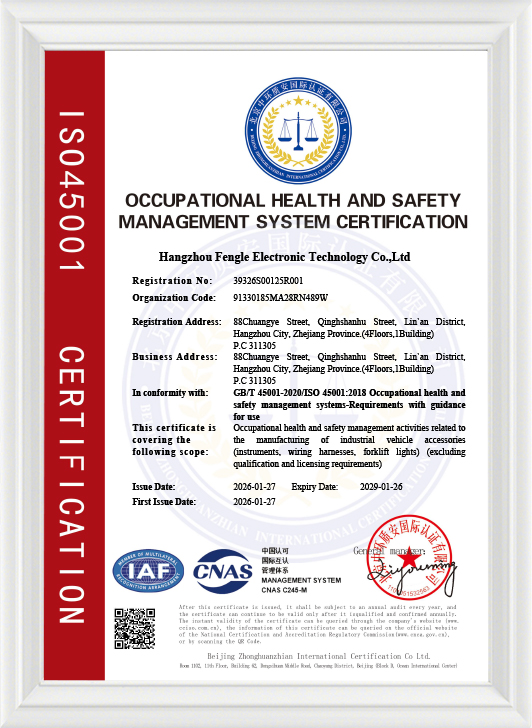
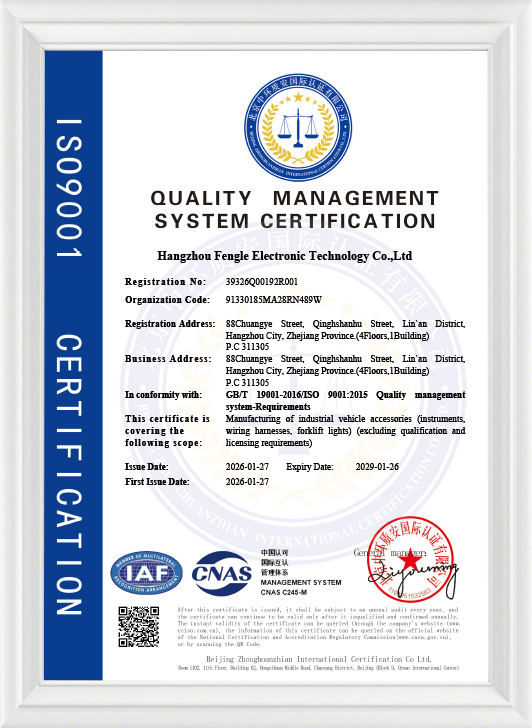
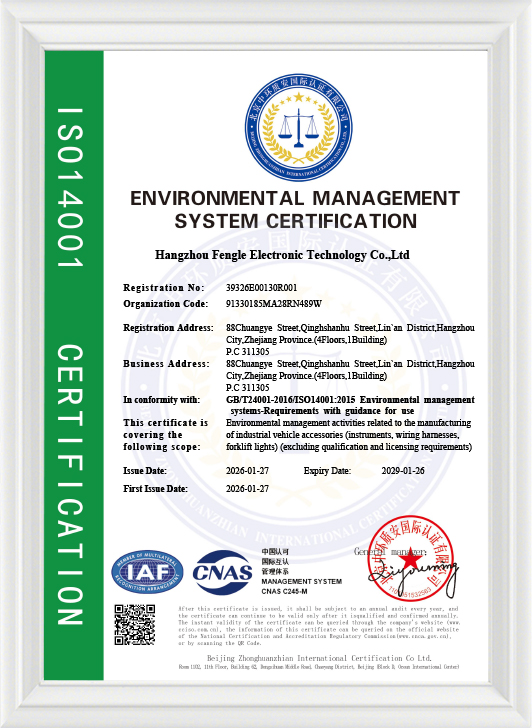
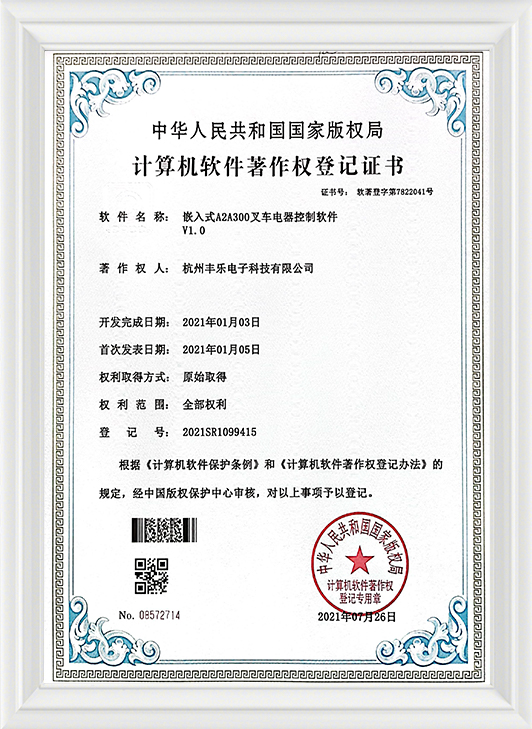
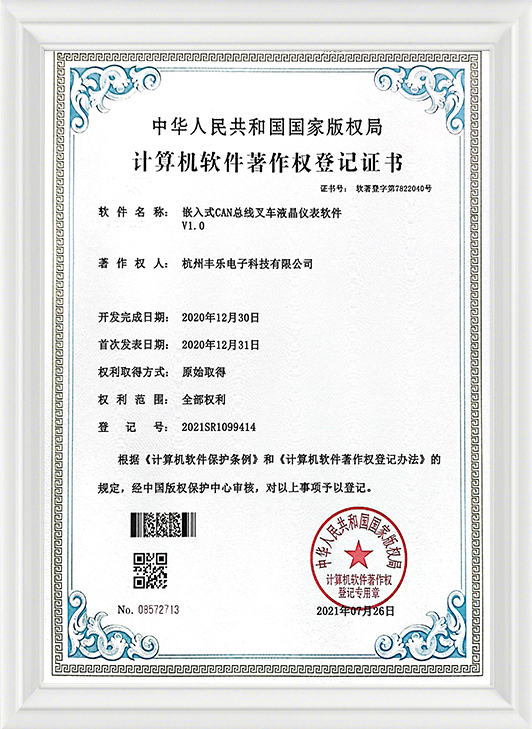
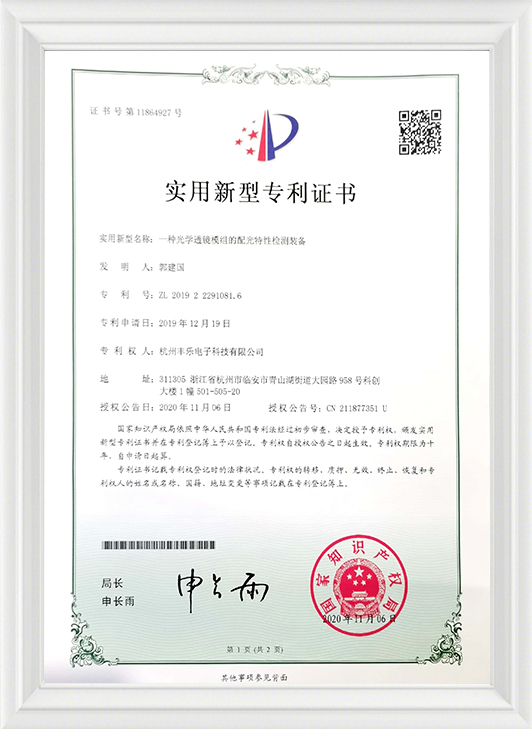
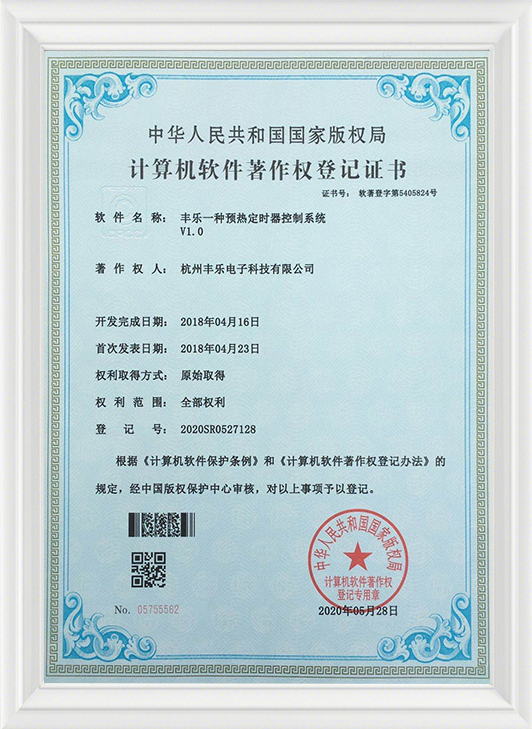
As a national high tech enterprise, Hangzhou Fengle Electronic Technology Co Ltd utilizes advanced automated wire cutting, stripping, crimping, and testing machinery. Our production facilities operate under strict international quality control systems, ensuring that every batch of auxiliary wiring harnesses exhibits identical precision and reliability.
Tailored Customization for Diverse Low Volume High Mix Programs
We understand that industrial vehicles often require specialized, low volume production runs with highly specific configurations. Hangzhou Fengle Electronic Technology Co Ltd maintains an agile production ecosystem capable of handling high mix, customized orders efficiently, delivering rapid turnaround times without sacrificing quality.
Premium Global Sourcing Network and Components
To guarantee the longest service life for our functional harnesses, Hangzhou Fengle Electronic Technology Co Ltd utilizes only high grade raw materials and authentic connectors from internationally recognized brands. This premium sourcing strategy prevents field failures caused by substandard component degradation.
7. Frequently Asked Questions Regarding Industrial Wiring Systems
FAQ 1: How do auxiliary wiring harnesses handle continuous mechanical bending in lifting machinery?
In equipment like forklifts or boom lifts, wiring harnesses are engineered with high flex conductors that feature extra fine wire strands. They are housed within specialized plastic energy chains or high abrasion braided sleeves that manage the bend radius, preventing copper fatigue and insulation cracking during repetitive lifting movements.
FAQ 2: What methods are used to prevent electromagnetic interference in data transmission lines?
To safeguard sensitive sensor and communication signals from heavy machinery noise, we utilize aluminum foil shielding, tinned copper braided shields, and precise twisted pair cable architectures. These components absorb and ground stray electromagnetic waves, preserving signal clarity.
FAQ 3: Can these auxiliary harnesses withstand exposure to oils and industrial chemicals?
Yes, the outer jackets and tubing materials are explicitly chosen based on chemical resistance. Materials like cross linked polymers, thermoplastic polyurethane, and specialized nylon conduits resist degradation when exposed to diesel, engine oil, hydraulic fluid, brake fluids, and common industrial solvents.
FAQ 4: What is the significance of IP69K ratings for industrial vehicle connectors?
An IP69K rating means the connector assembly can withstand close range, high pressure, high temperature washdowns. This is an essential requirement for construction and agricultural equipment that must be cleaned regularly with hot pressure washers to remove heavy mud, grease, and debris.
FAQ 5: How does Hangzhou Fengle Electronic Technology Co Ltd ensure crimp quality for heavy gauge wiring?
Our manufacturing process utilizes automated crimp force monitoring systems integrated into the pressing machinery. This technology analyzes the pressure curve of every single crimp cycle in real time, automatically flagging and rejecting any terminal that exhibits minor variations in crimp height or compression density.

