


 русский
  Español
  中文简体
中文简体

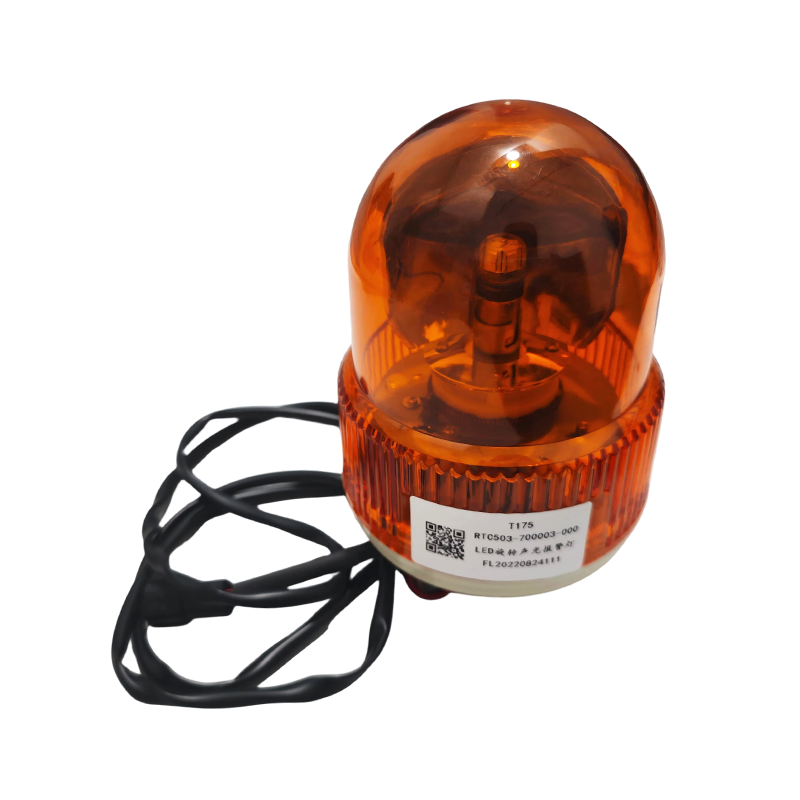
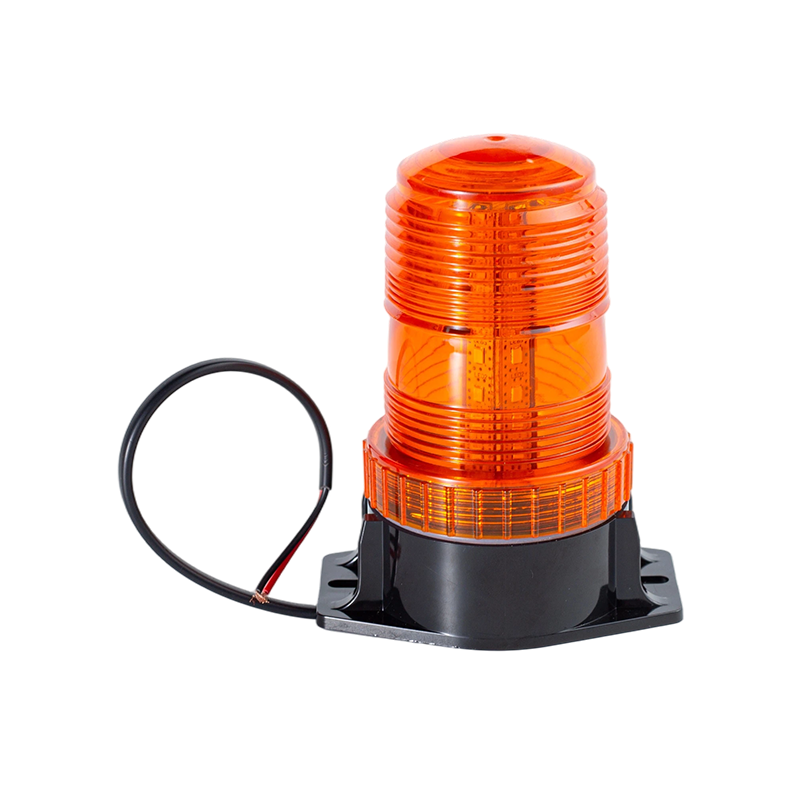
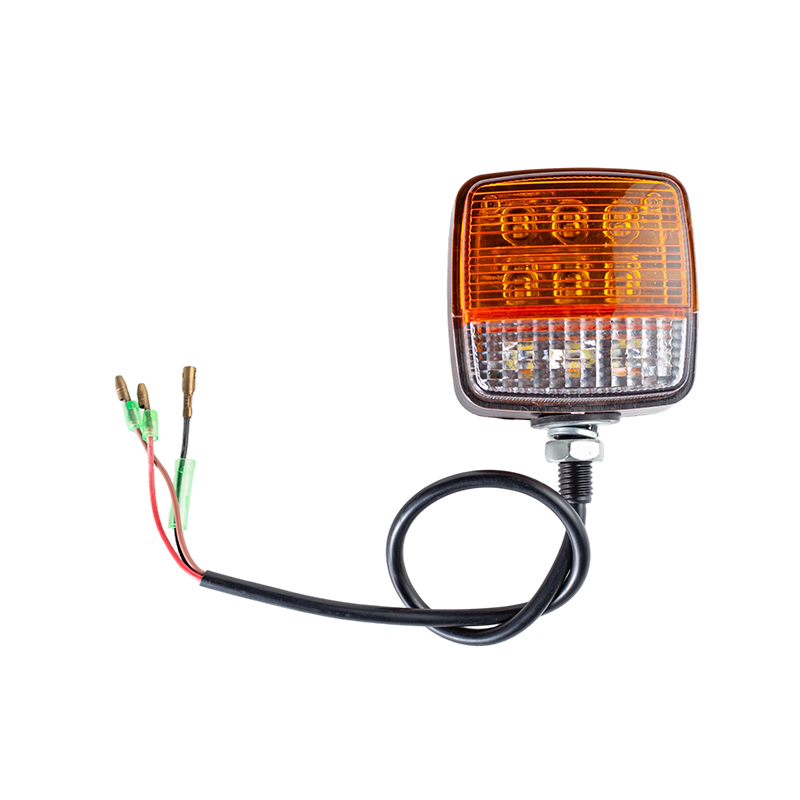

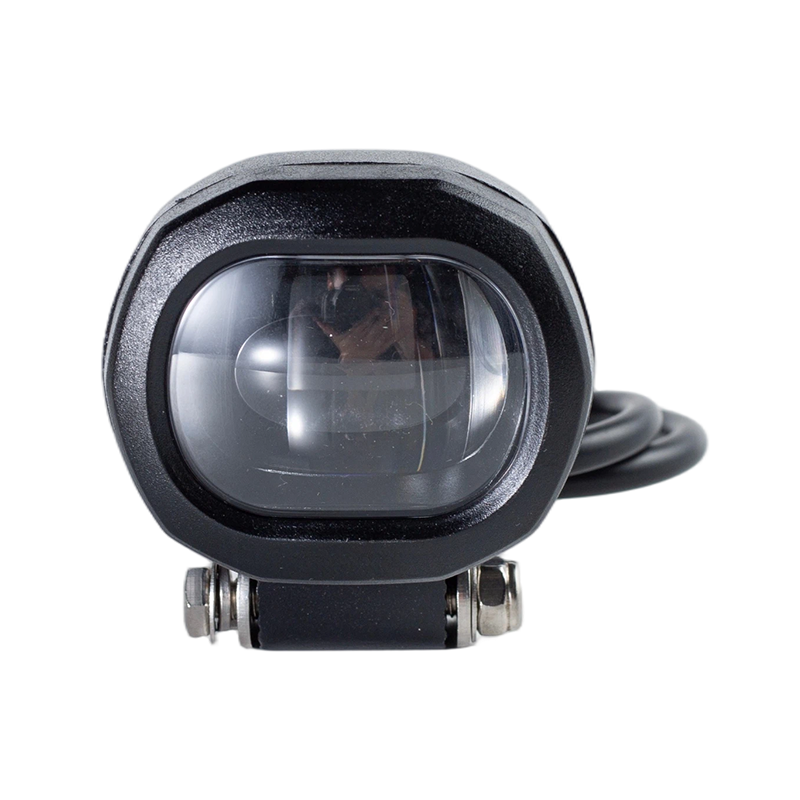
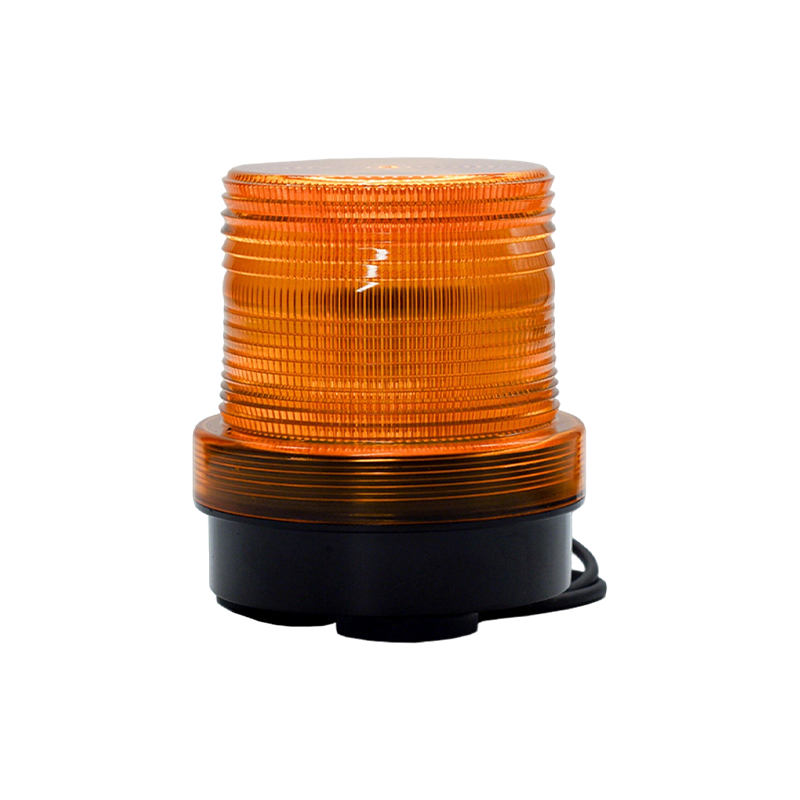

1. Introduction to Industrial Vehicle Safety Beacons
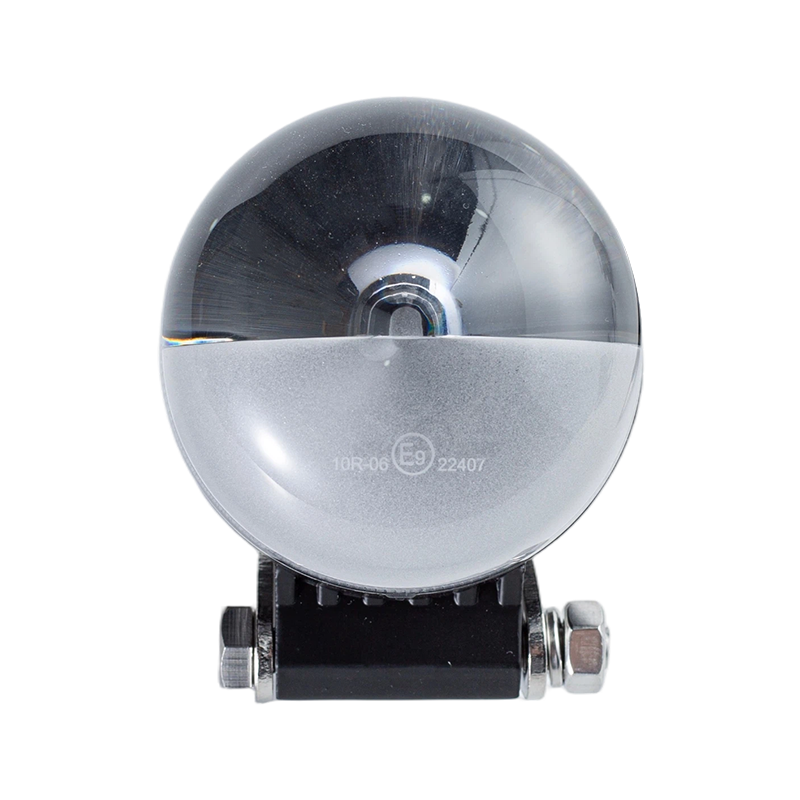
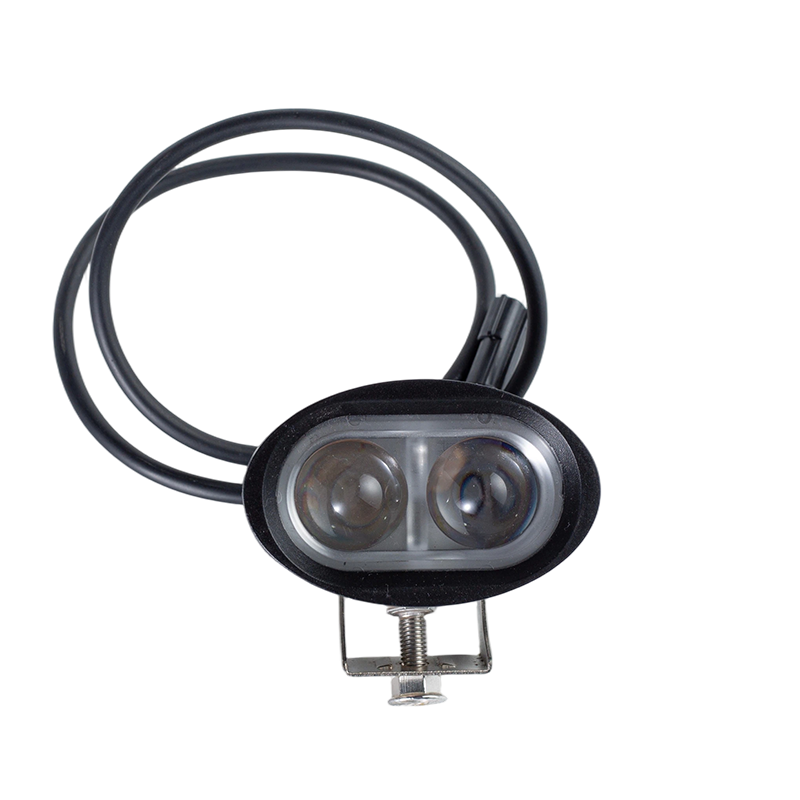
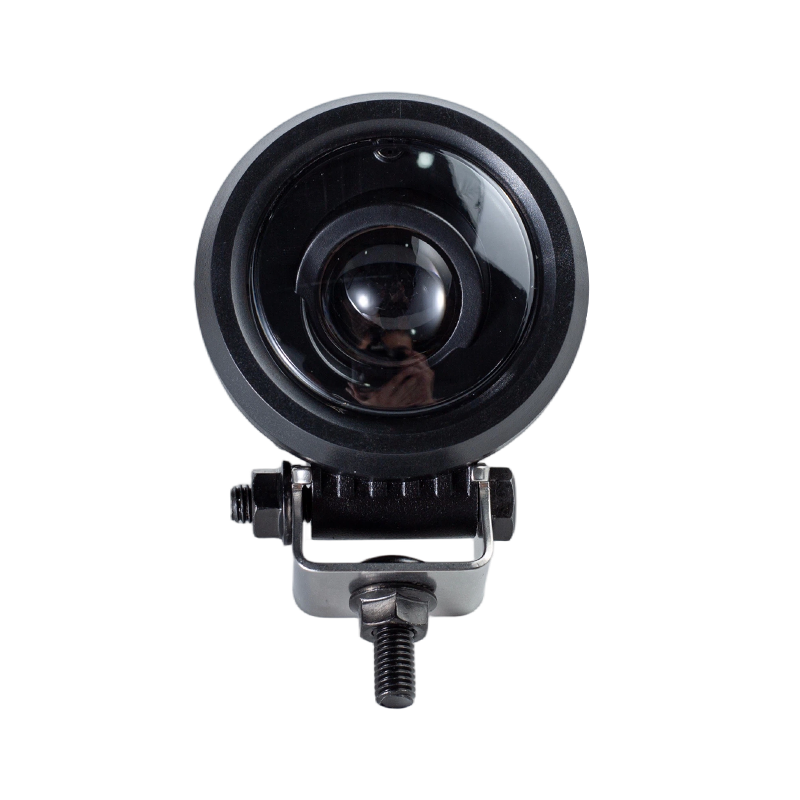
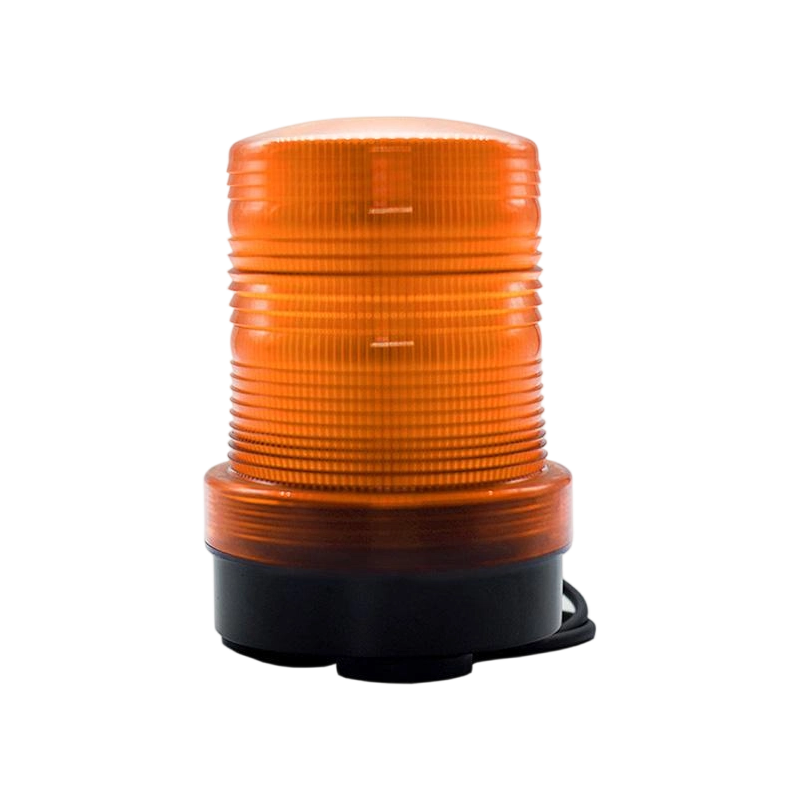
Industrial vehicle safety beacons are critical signaling devices designed to enhance visibility, prevent accidents, and ensure regulatory compliance in high-risk work environments. These rugged lighting solutions are engineered to withstand harsh operating conditions, including extreme temperatures, heavy vibrations, and intense moisture, while providing continuous, high-intensity visual warnings. For engineering vehicles operating in construction zones, mining sites, warehousing facilities, and industrial plants, these beacons serve as the primary line of defense against collisions and workplace injuries.
As material handling and logistics operations grow more automated and fast-paced, the reliance on advanced automotive electronics has increased dramatically. Modern industrial beacons are no longer simple flashing lights. They are highly engineered optical instruments that utilize advanced electronics to maximize light output, manage thermal dissipation, and reduce power consumption. Hangzhou Fengle Electronic Technology Co., Ltd. specializes in developing state-of-the-art electronic solutions that address these demanding requirements, ensuring that industrial fleets remain visible and safe under all operating conditions.
2. Core Technological Components of Modern Safety Beacons
The performance and reliability of an industrial vehicle safety beacon depend entirely on its internal architecture and material composition. High-tech engineering vehicles require heavy-duty components that can handle continuous operation without failure.
2.1 Light Source Technology
The industrial signaling industry has fully transitioned from traditional incandescent and halogen bulbs to light-emitting diode technology. LEDs offer superior brightness, an exceptionally long operational lifespan, and high resistance to shock and impact. The electronic circuitry driving these LEDs must deliver a stable current to prevent flickering and maintain consistent luminosity even when the vehicle experience voltage fluctuations from its electrical system.
2.2 Lens Optics and Light Distribution
The outer dome or lens of a beacon is responsible for shaping and directing the light output. Advanced safety beacons utilize polycarbonate lenses molded with internal Fresnel optics. These specialized optics redirect divergent light rays into a concentrated horizontal beam, maximizing 360-degree visibility over long distances. Polycarbonate is selected for its high impact resistance, protecting the internal electronics from flying debris, branches, and accidental drops.
2.3 Housing and Environmental Protection
Industrial environments expose electronic components to dust, water, and chemical cleaning agents. Heavy-duty safety beacons feature rugged housings, often constructed from reinforced polymers or die-cast aluminum bases, sealed with high-quality rubber gaskets. This ensures the unit achieves a high ingress protection rating, preventing moisture and fine particulates from penetrating the internal circuitry and causing short circuits.
3. Comparative Technical Specifications of Beacon Technologies
To assist fleet managers and industrial procurement specialists in selecting the appropriate signaling solutions, it is essential to understand the technical distinctions between various beacon designs. The following table provides a comprehensive comparison of standard industrial vehicle beacon configurations based on their operational parameters.
| Beacon Parameter | Strobe Tube Beacons | Halogen Rotator Beacons | Solid State LED Beacons | High Intensity LED Beacons |
|---|---|---|---|---|
| Operational Lifespan | 3000 Hours | 1000 Hours | 50000 Hours | 100000 Hours |
| Power Consumption | High | Very High | Low | Extremely Low |
| Vibration Resistance | Moderate | Low | Excellent | Outstanding |
| Maintenance Requirement | Periodic Replacement | Frequent Replacement | Maintenance Free | Maintenance Free |
| Light Output Style | Sharp High Voltage Pulse | Smooth Rotating Beam | Multiple Flash Patterns | Synchronized Pulse Patterns |
| Operating Temperature Range | Minus 20 to 50 Celsius | Minus 30 to 40 Celsius | Minus 40 to 65 Celsius | Minus 45 to 85 Celsius |
| Housing Material | Standard Acrylic | Polycarbonate | High Impact Polycarbonate | Heavy Duty Grade Polycarbonate |
| Circuit Protection | Minimal | Fuse Only | Overvoltage and Reverse Polarity | Complete Thermal and Digital Protection |
4. Key Application Environments for Engineering Safety Beacons
Industrial vehicle safety beacons are deployed across a diverse range of heavy industries, each presenting unique environmental and operational challenges.
- Construction and Earthmoving Sites: Excavators, bulldozers, and dump trucks operate in dusty, outdoor environments with high ambient sunlight. Beacons used here must possess high peak candela ratings to cut through dust clouds and remain visible during bright daylight hours.
- Mining and Quarrying Operations: Heavy mining machinery operates under severe vibration and in pitch-black underground or deep-pit conditions. Beacons must feature heavy-duty vibration dampening bases and robust electronic circuitry to withstand constant mechanical shock.
- Warehousing and Logistics Facilities: Forklifts, automated guided vehicles, and reach trucks navigate tight indoor spaces with intersecting pedestrian walkways. Low-profile LED beacons are preferred to prevent clearance issues, while specific color configurations help differentiate vehicle types.
- Port and Marine Terminals: Container handlers and straddle carriers face highly corrosive saltwater environments and extreme weather. Beacons in these applications require UV-stabilized lenses and marine-grade corrosion-resistant seals.
5. Our Service Advantages at Hangzhou Fengle Electronic Technology Co., Ltd.
When establishing an international digital presence for global wholesale procurement, technical expertise and manufacturing capabilities are paramount. Hangzhou Fengle Electronic Technology Co., Ltd. stands out as a premier partner for global B2B clients through our distinct corporate advantages.
5.1 Comprehensive National High-Tech Enterprise Integration
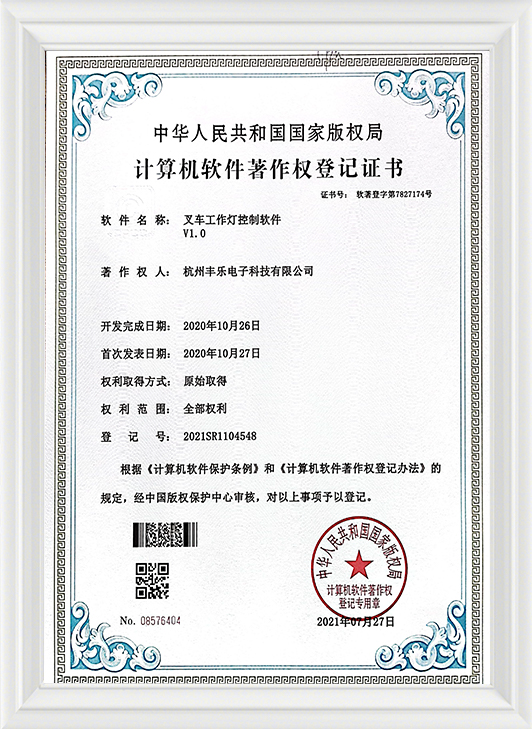
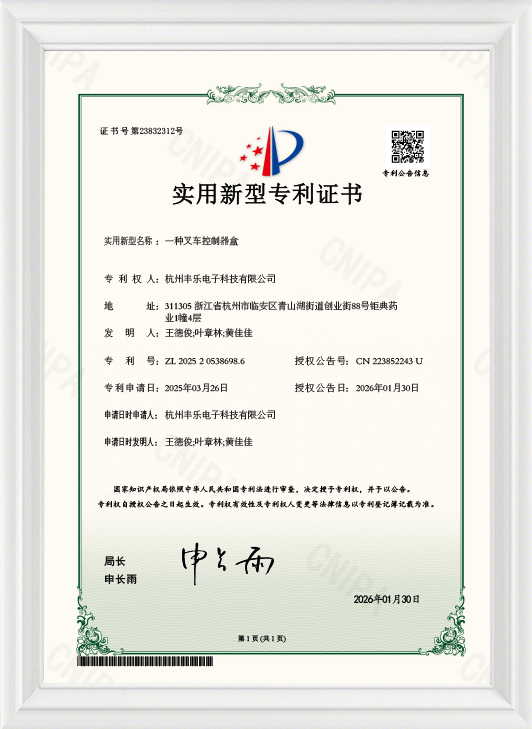
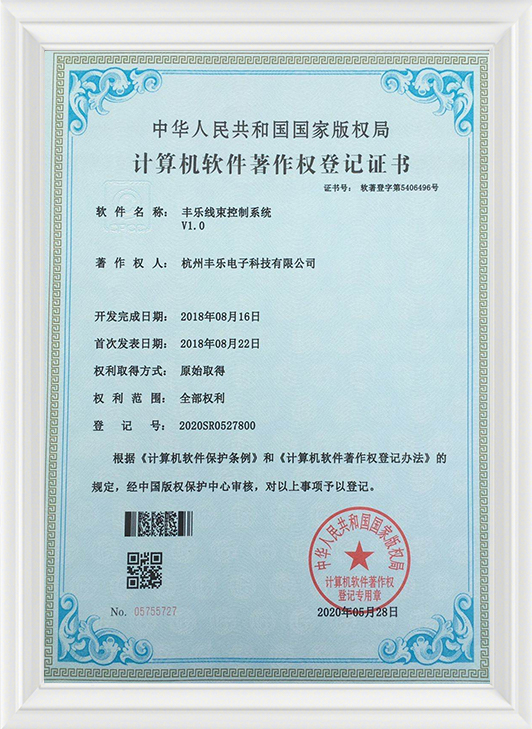
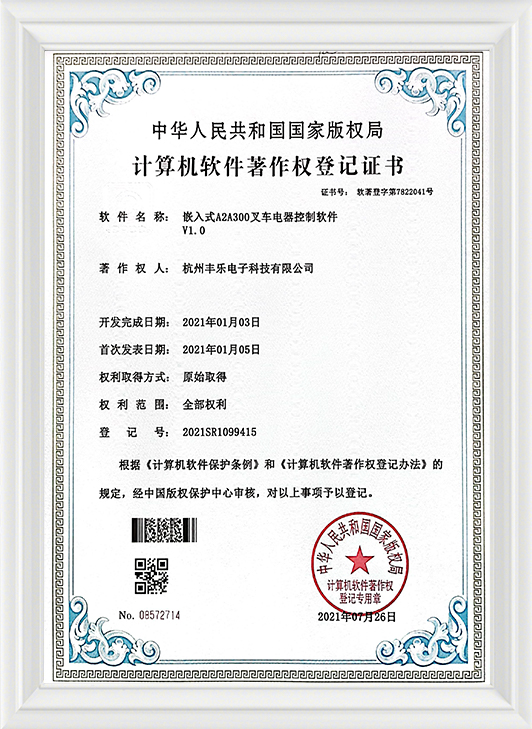
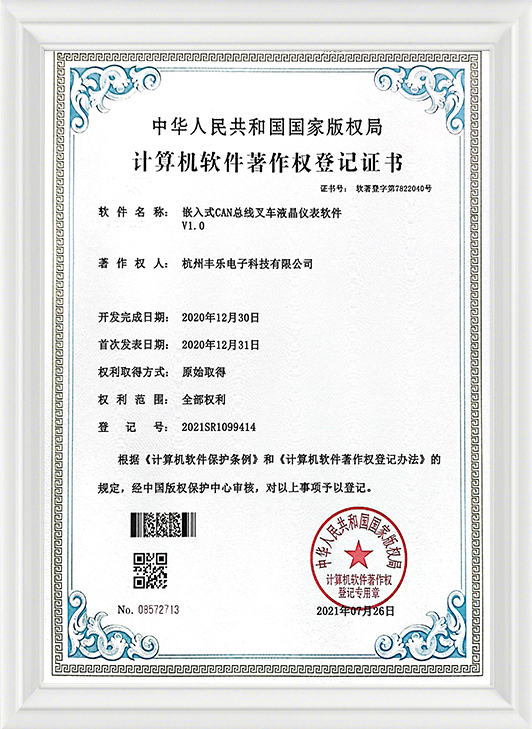
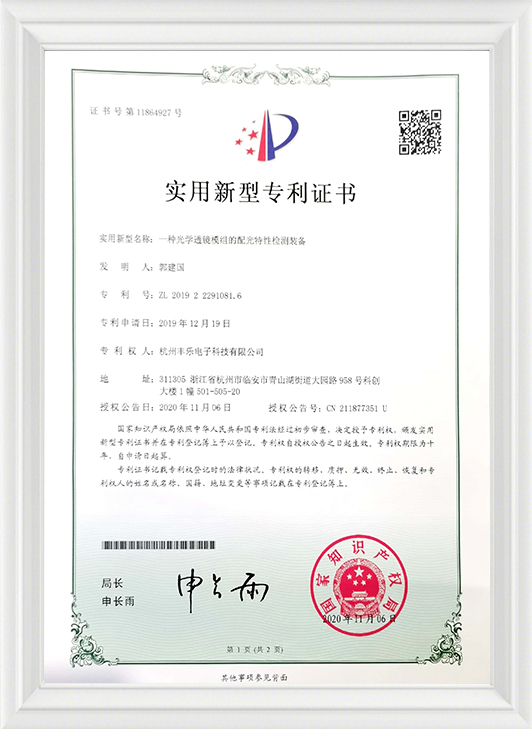
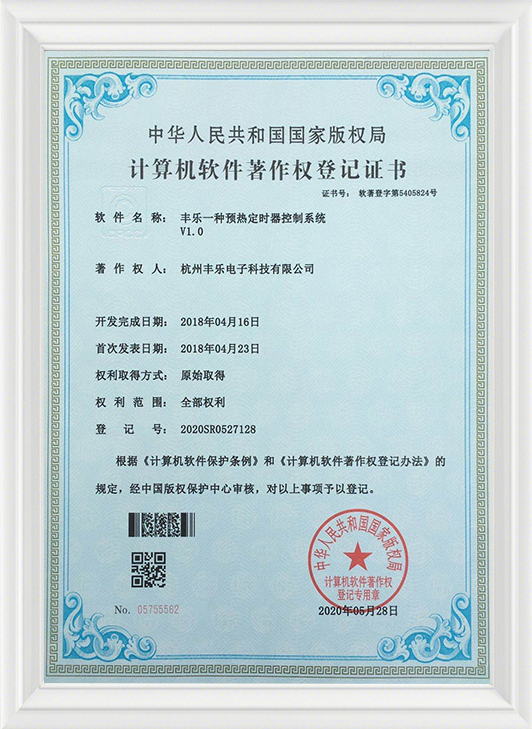
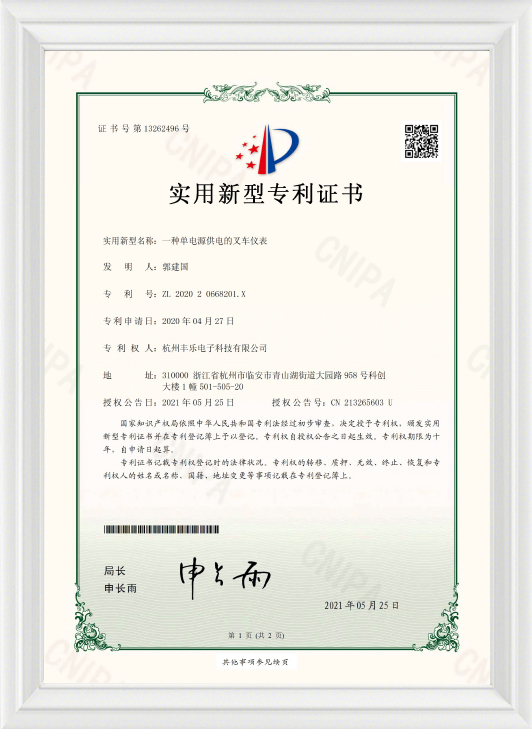
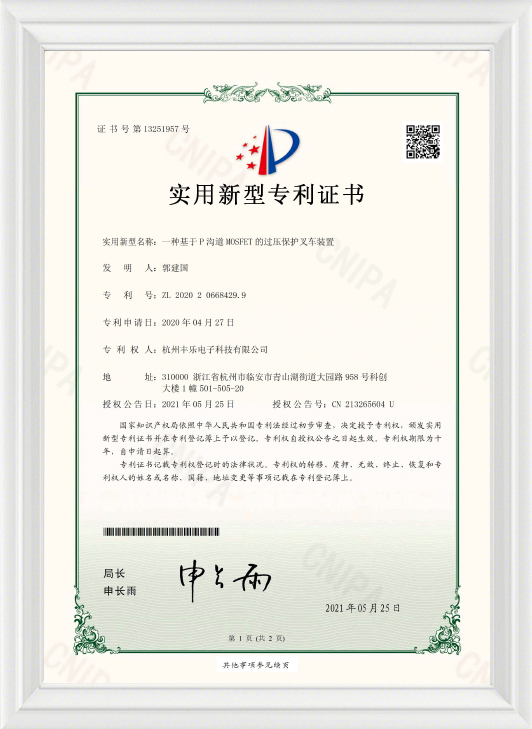
As a certified national high-tech enterprise, Hangzhou Fengle Electronic Technology Co., Ltd. seamlessly integrates design, research and development, production, and sales under one operational framework. This unified structure ensures that cutting-edge technology is rapidly translated into mass-produced, market-ready solutions for engineering vehicles.
5.2 Advanced Customization and Engineering Expertise
We understand that standard solutions do not fit every industrial application. Hangzhou Fengle Electronic Technology Co., Ltd. specializes in providing highly reliable, customized electronic solutions tailored to the precise specifications of our clients. Whether adjusting voltage ranges, modifying flash patterns, or designing custom mounting brackets, our engineering team delivers precision results.
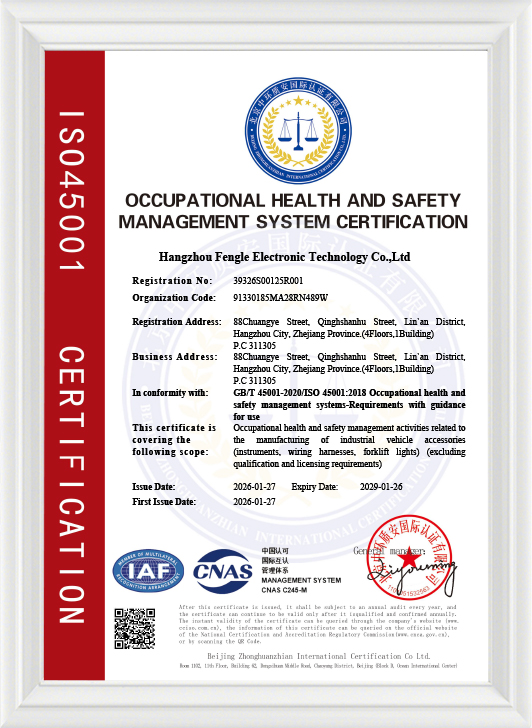
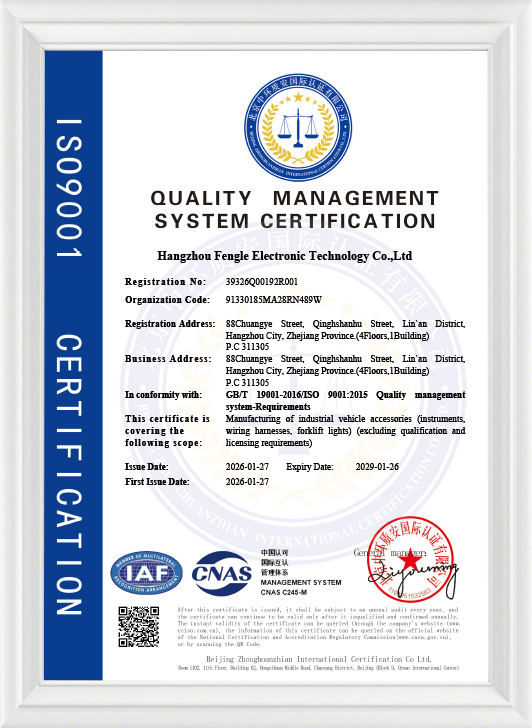
5.3 Rigorous Quality Assurance and Automotive Standards
Operating at the intersection of automotive electronics and industrial manufacturing, our production processes strictly adhere to stringent quality control guidelines. Every product undergoes rigorous environmental and electrical testing to guarantee long-term reliability and performance in the field, minimizing downtime for global fleet operators.
6. Frequently Asked Questions Regarding Safety Beacons
What is the significance of different color options for industrial safety beacons?
Safety beacon colors denote specific warning levels and vehicle functions. Amber or yellow is the universal standard for general caution, widely used on construction vehicles, utility trucks, and forklifts. Blue is frequently designated for airport ground support equipment or specific maintenance vehicles. Green is often used to indicate security vehicles or safety compliance, while red is reserved for emergency response or high-hazard machinery.
How do modern LED beacons handle voltage spikes in heavy engineering vehicles?
Engineering vehicles often experience sudden voltage surges or drops due to the heavy electrical load of hydraulic pumps and starters. High-quality safety beacons utilize integrated voltage regulation circuits. This automotive electronics design protects the internal components by accepting a wide input voltage range, often from 10 volts to 110 volts, ensuring constant brightness and preventing circuit burnout.
Why is vibration resistance crucial for industrial vehicle beacons?
Heavy industrial vehicles generate continuous, high-amplitude vibrations and experience sudden impacts during operation. Traditional bulbs with delicate filaments break quickly under these conditions. Solid-state LED components, securely soldered to robust circuit boards and encapsulated in protective resin or sturdy housings, eliminate moving parts and fragile elements, making them highly resilient against mechanical failure.
What environmental ratings should a buyer look for in a heavy duty beacon?
A buyer should look for a high Ingress Protection rating, such as IP65, IP66, or IP67. These classifications indicate how well the beacon enclosure prevents the entry of solid objects like dust and liquids like water. An IP67 rating, for example, ensures that the beacon is completely dust-tight and can withstand temporary immersion in water, which is ideal for vehicles subjected to high-pressure pressure washing.
How does thermal management affect the performance of high power LED beacons?
Although LEDs generate less heat than halogen bulbs, high-intensity LEDs produce significant thermal energy within their internal junctions. If this heat is not dissipated, the LEDs will degrade rapidly and lose brightness. Advanced industrial beacons incorporate aluminum heat sinks and thermally conductive PCBs to draw heat away from the electronic components, maintaining optimal performance and extending the product lifespan.

