


 русский
  Español
  中文简体
中文简体


1. Introduction to Safety and Interlock Control Units in Industrial Vehicles
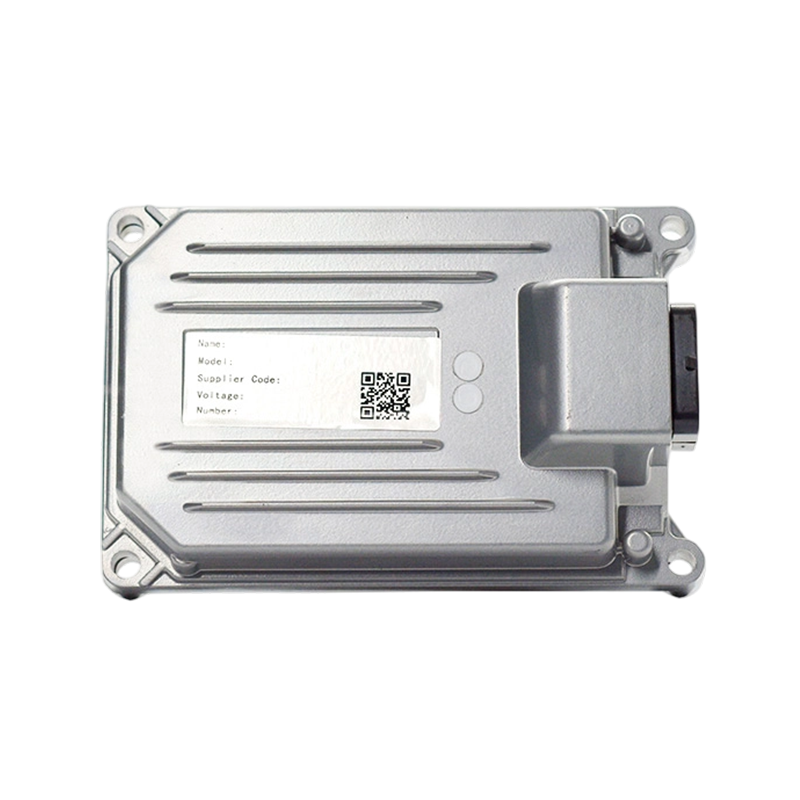
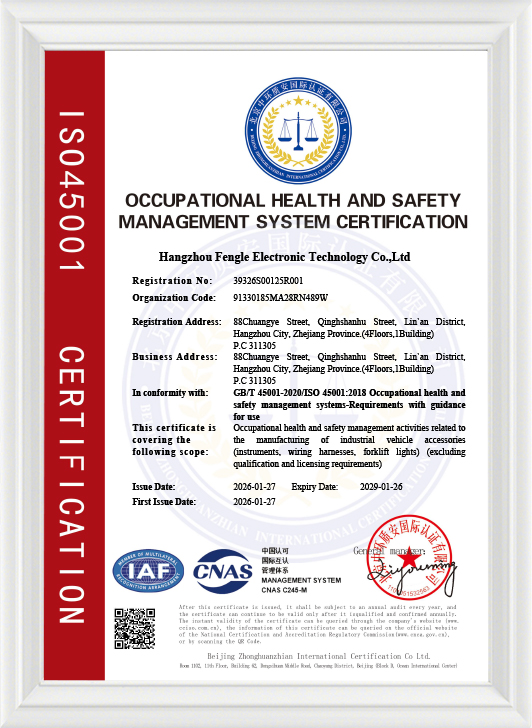
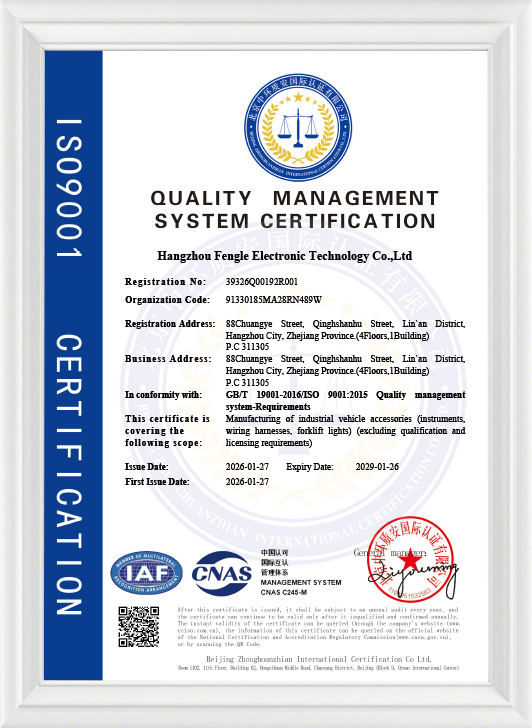
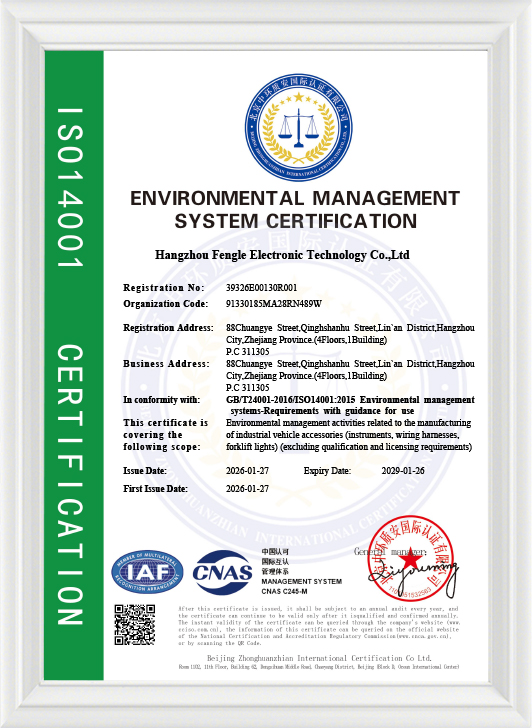
In modern industrial environments, the operational safety of heavy machinery and engineering vehicles is paramount. Industrial vehicles—such as forklifts, reach stackers, excavators, and agricultural equipment—operate under demanding conditions where human error or mechanical failure can lead to catastrophic consequences. Hangzhou Fengle Electronic Technology Co., Ltd. specializes in engineering top-tier Safety & Interlock Control Units designed to mitigate these risks effectively.
An interlock control system acts as the digital guardian of an industrial vehicle. It continuously monitors the state of various vehicle inputs, such as seat switches, handbrakes, door sensors, and hydraulic pressure valves. If a hazardous condition is detected (for example, an operator attempting to activate the hydraulic lift while not properly seated), the control unit instantly intercepts the signal and prevents the action. By integrating advanced automotive electronics, Hangzhou Fengle Electronic Technology Co., Ltd. ensures that compliance, productivity, and personnel safety coexist seamlessly on the factory floor and construction site.
2. Key Technology and Functional Architecture
The core architecture of a modern Safety & Interlock Control Unit relies on redundant microcontroller units (MCUs), robust communication protocols, and industrial-grade sensor inputs. For global industrial markets, adhering to international safety standards like ISO 13849-1 (Performance Level) and IEC 61508 (Functional Safety) is non-negotiable.
Dual-Channel Redundancy
To prevent a single point of failure from compromising vehicle safety, premium control units utilize dual-channel or matrix architectures. If one processing path experiences an electrical short or logic error, the secondary backup path immediately engages to force the vehicle into a designated safe state.
Real-Time Bus Communication
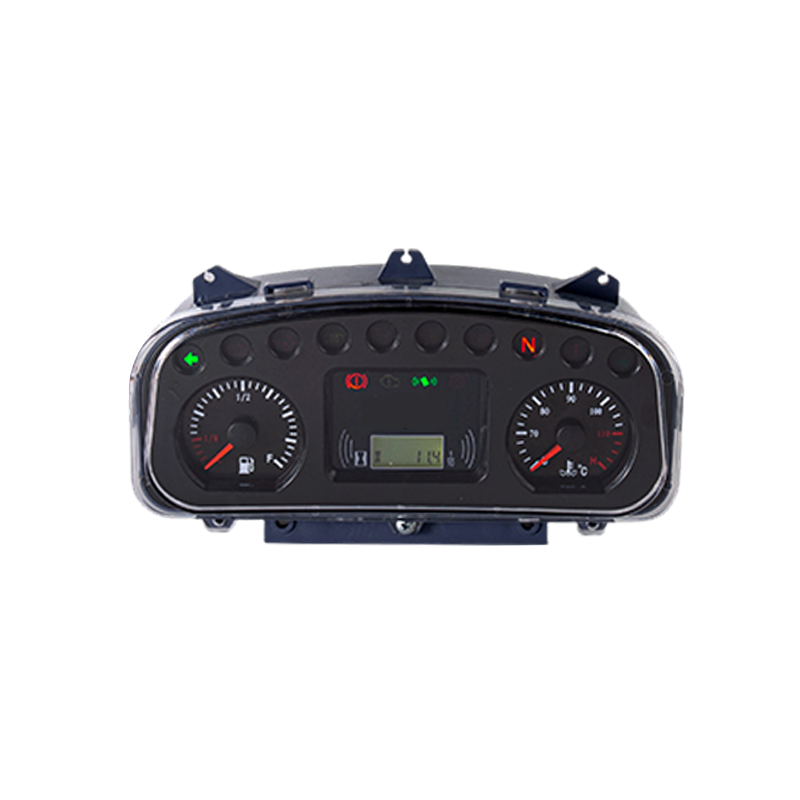
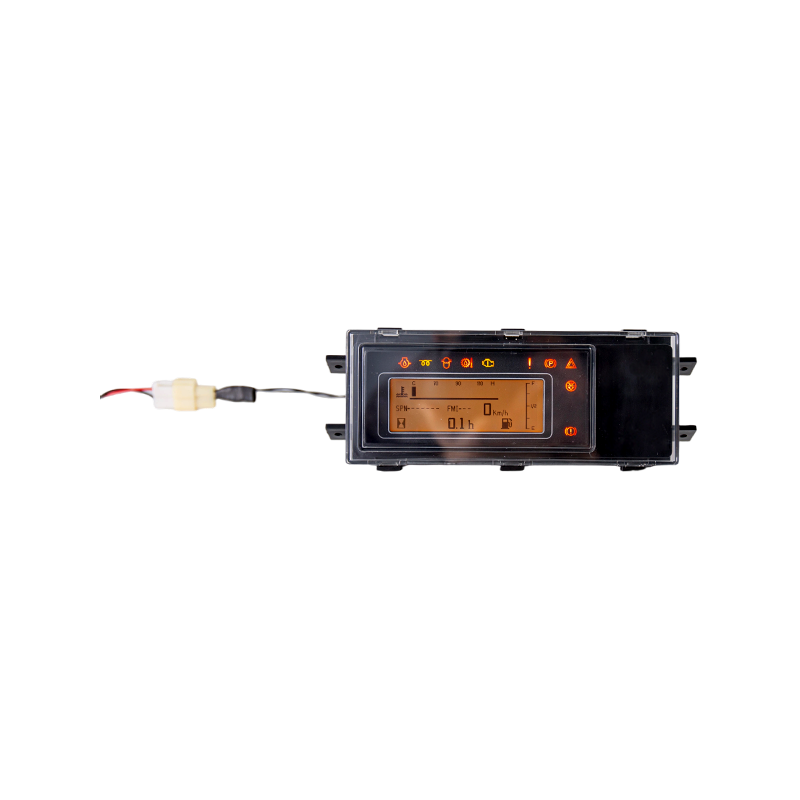
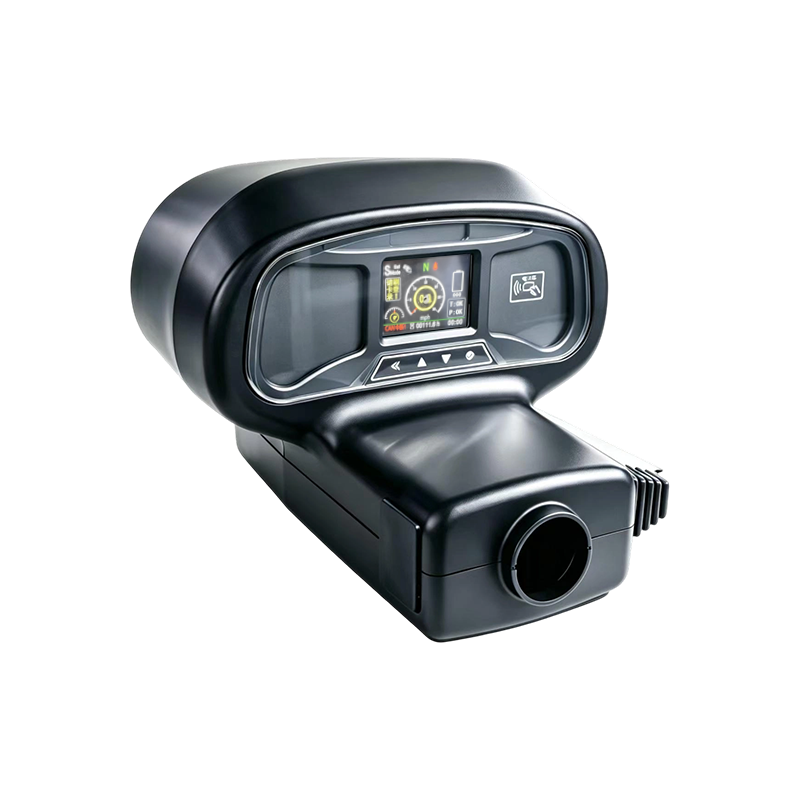
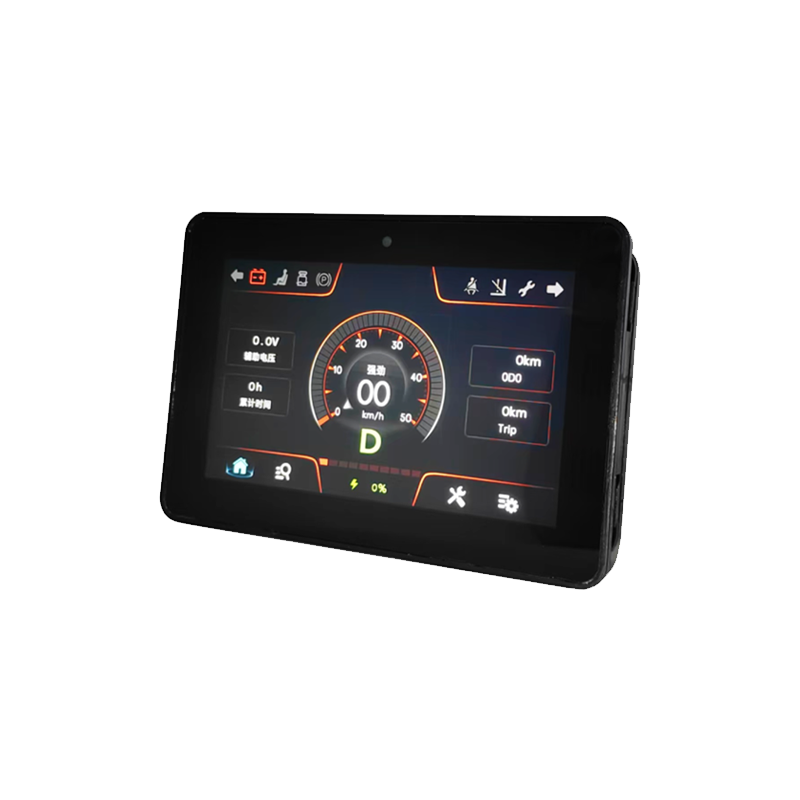
Industrial vehicles generate massive amounts of data. Safety systems utilize Controller Area Network (CAN bus) protocols, specifically CANopen Safety or J1939, to communicate with engine control modules, transmission systems, and digital dashboards with minimal latency.
Environmental Hardness
Unlike consumer electronics, automotive electronics for engineering vehicles must endure extreme thermal cycling, prolonged mechanical vibration, and exposure to moisture or chemical dust. Hangzhou Fengle Electronic Technology Co., Ltd. designs these systems with high Ingress Protection (IP) ratings and ruggedized housing to guarantee field reliability.
3. Comparative Technical Analysis of Control Systems
To better understand how specialized safety units improve upon traditional mechanical or basic electronic relays, the following table highlights the critical technical differences.
| Feature Criterion | Traditional Mechanical Relays | Standard Electronic Control Units | High-Safety Interlock Control Units |
|---|---|---|---|
| Response Latency | Slow (Mechanical delay) | Moderate (Varies by load) | Ultra-fast (Real-time microsecond monitoring) |
| Diagnostic Capabilities | None (Requires manual testing) | Basic error logging | Advanced real-time telemetry and fault isolation |
| Redundancy Level | Single point of failure risk | Software-based validation | Hardware and software dual-channel redundancy |
| Environmental Durability | Low resistance to vibration | Standard automotive grading | High vibration resistance and IP67 rating |
| Customization Flexibility | Hardwired fixed logic | Limited firmware changes | Fully programmable logic for specific vehicle applications |
4. Industry Applications and Operational Use Cases
Safety & Interlock Control Units are deployed across a diverse spectrum of heavy industries to prevent accidents, lower insurance liabilities, and optimize fleet management.
Material Handling and Warehousing
In high-density warehouses, forklifts and reach stackers move at rapid speeds. Interlock units ensure that mast tilting, lifting, and travel speeds are automatically restricted based on load weight and height metrics, protecting both operators and inventory.
Construction and Earthmoving Machinery
Excavators and loaders operate on uneven terrain. Safety controllers monitor chassis inclination angles. If the vehicle approaches a dangerous tilt threshold, the interlock system locks out high-risk hydraulic movements to prevent rollovers.
Agricultural and Forestry Equipment
Complex harvesting machinery contains multiple high-speed rotating components. Interlock systems ensure that processing drums and cutting blades cannot be engaged unless the operator cabin is fully secured and the main drive transmission is in neutral.
5. Our Service Advantages at Hangzhou Fengle Electronic Technology Co., Ltd.
Choosing the right technical partner is vital for heavy machinery manufacturers. Hangzhou Fengle Electronic Technology Co., Ltd. offers distinct competitive advantages that empower our clients globally.
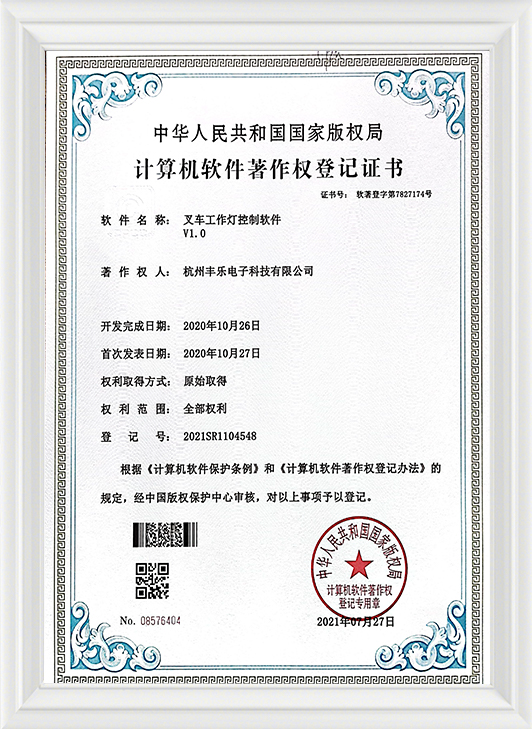
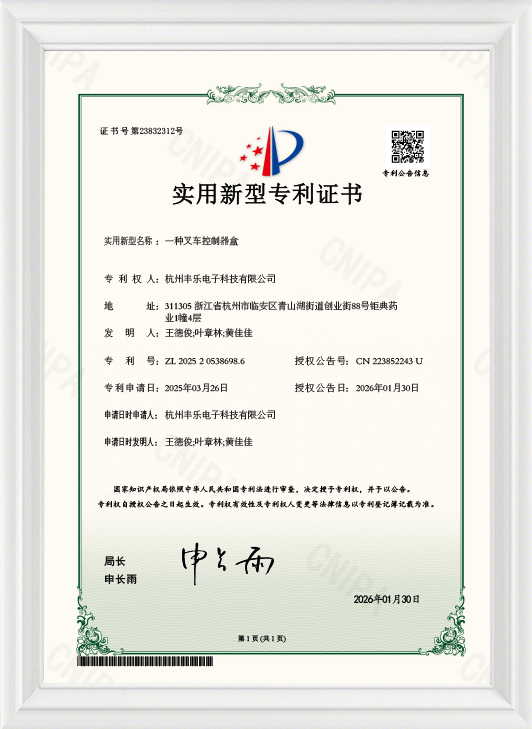
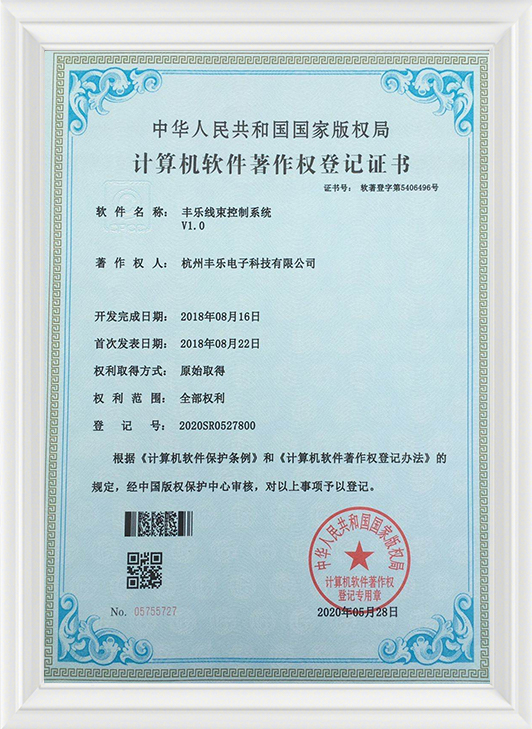
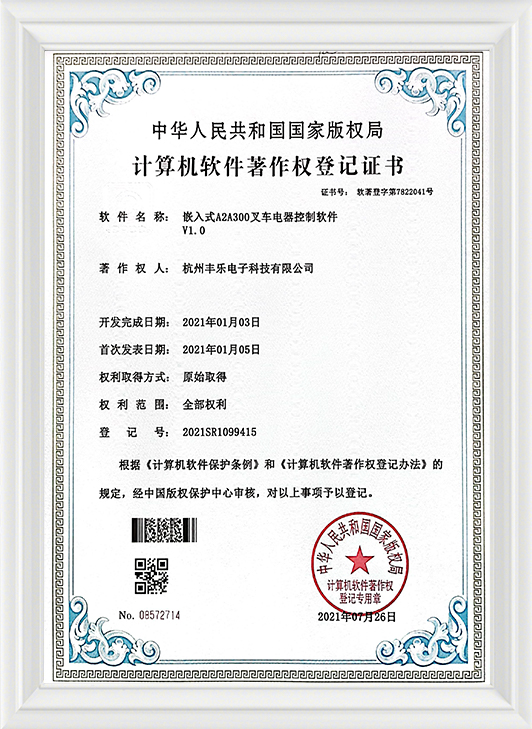
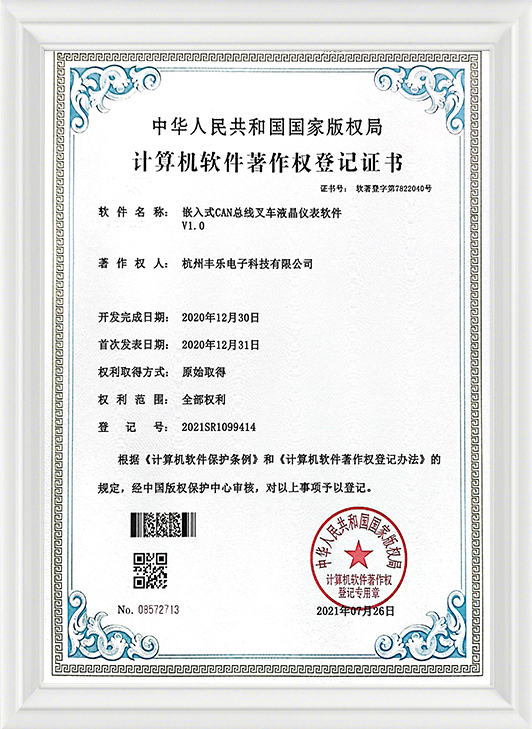
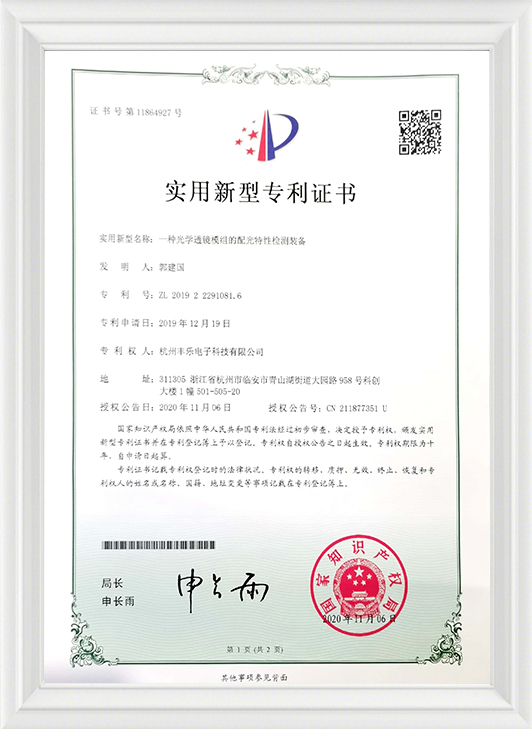
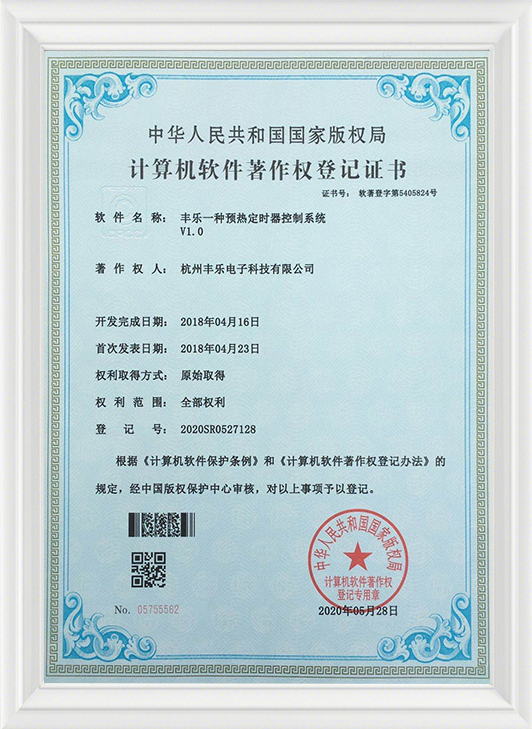
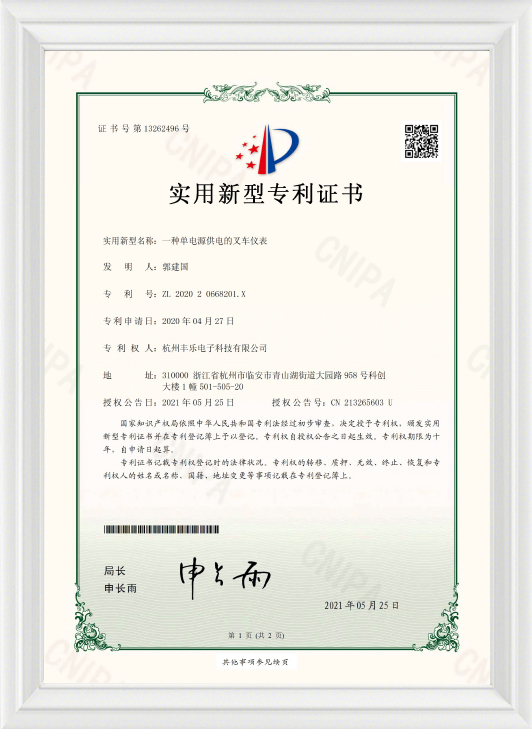
- End-to-End R&D Integration: As a national high-tech enterprise, we manage the entire lifecycle of our products. From initial schematic design and PCB layout to embedded software development, manufacturing, and final quality assurance, we maintain complete control over the value chain.
- Customized Engineering Solutions: We recognize that no two engineering vehicles are identical. Our dedicated engineering team provides tailor-made hardware adjustments and firmware modifications to match your specific vehicle architecture and functional safety requirements perfectly.
- Automotive Grade Reliability: All components used in our Safety & Interlock Control Units undergo rigorous stress testing, thermal cycling, and electromagnetic compatibility testing to ensure they perform flawlessly under the harshest industrial conditions.
- Agile Technical Support: We provide comprehensive technical documentation, API integration support, and responsive troubleshooting to accelerate your product development cycles and minimize time-to-market.
6. Frequently Asked Questions
FAQ 1: What international safety standards do your interlock control units comply with?
Our development processes and electronic designs align with recognized global safety benchmarks, including ISO 13849-1 for performance levels and relevant IEC functional safety frameworks, ensuring your export vehicles meet stringent European and American safety compliance laws.
FAQ 2: Can these control units be retrofitted onto existing fleet vehicles?
Yes. While many clients integrate our systems during the OEM factory assembly phase, our flexible CAN bus architecture and configurable digital inputs allow them to be retrofitted into older engineering vehicle fleets to upgrade their safety profiles.
FAQ 3: How does the system handle extreme environmental conditions?
Our industrial vehicle control units are engineered using specialized automotive electronics designed for wide operating temperature ranges. They feature rugged enclosures with high IP ratings to resist dust ingress, high-pressure water jets, and severe structural vibration.
FAQ 4: Is the control logic customizable for unique vehicle attachments?
Absolutely. Through our customized solutions service, we can program specific interlock logic dependencies into the firmware to accommodate unique auxiliary tools, specialized hydraulic attachments, or specific operational safety protocols required by your industry.
FAQ 5: How do these units communicate with other vehicle systems?
Our control units utilize standardized industrial protocols such as J1939 and CANopen. This ensures seamless plug-and-play communication with standard engine control units, transmission controllers, and digital displays.

