


 русский
  Español
  中文简体
中文简体
Industry News

Home / News / Industry News / Forklift Red Side Lights: How to Choose the Right Fit
Forklift Red Side Lights: How to Choose the Right Fit
Admin 2026-08-14Content
Side collisions rarely happen because a forklift moved unpredictably. They happen because nobody saw it coming from the side. Forklift red side lights exist to fix exactly that gap, projecting a visible red boundary along the vehicle's flank so pedestrians register danger before they are close enough for it to matter.
What Forklift Red Side Lights Are
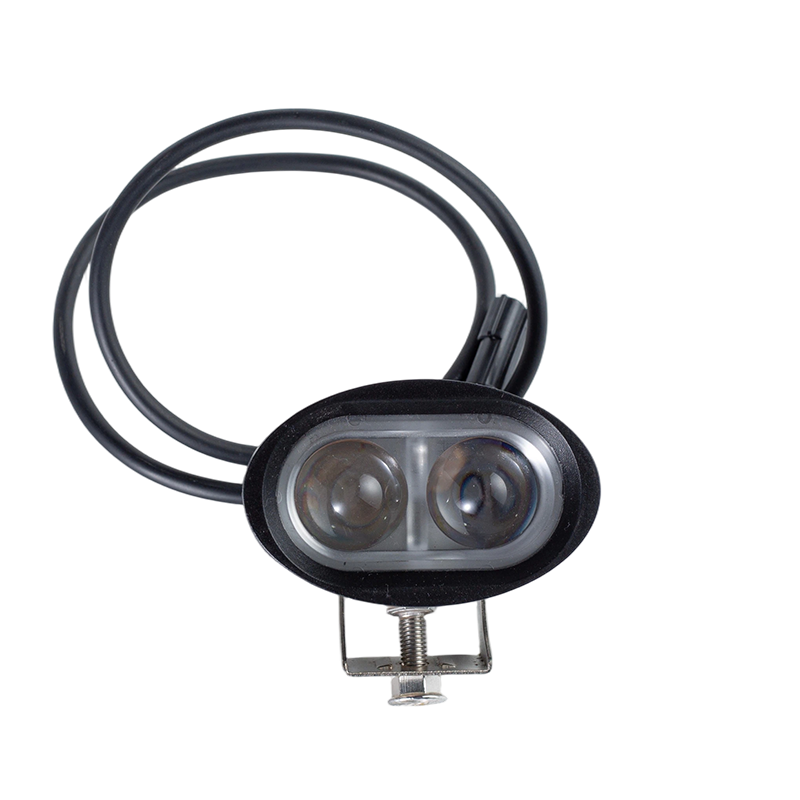
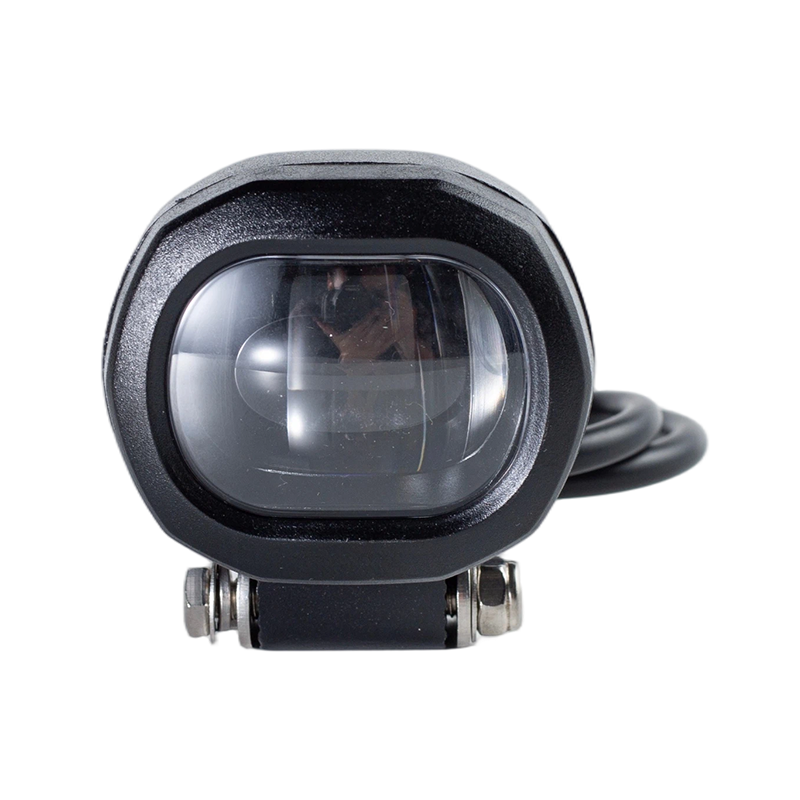
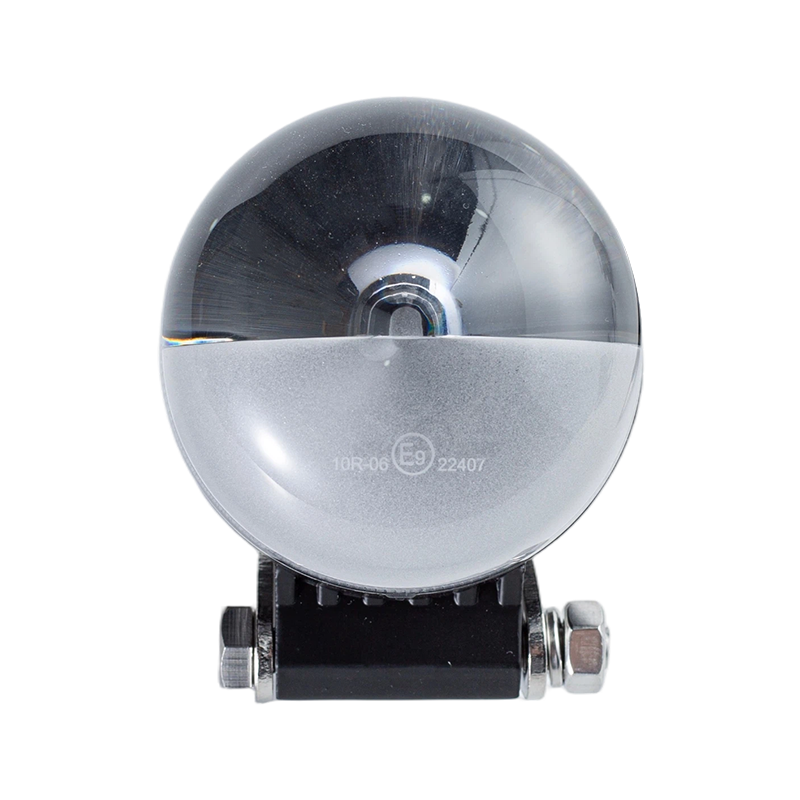
Forklift red side lights are LED devices mounted along the side or overhead guard of a forklift that project a red warning line or zone onto the floor beside the vehicle, giving pedestrians a continuous visual cue rather than an intermittent alarm.
How Side Lighting Closes the Blind-Spot Gap
Most forklift side collisions happen in the exact zones operators cannot see directly, mast areas, counterweight corners, and narrow aisle intersections. Side lighting addresses each of these differently than a horn or mirror can.
- 1
Marks the danger zone continuously, not just when a horn sounds or a worker happens to look up.
- 2
Covers the vehicle's side profile, the area rear and overhead lights typically miss entirely.
- 3
Stays effective in loud environments where audible alarms get lost in ambient warehouse noise.
- 4
Requires no behavior change from pedestrians, since the light is designed to be noticed passively.
Red Side Lights vs Traditional Warning Methods
Forklift Red Side Lights
Visible LED boundary that moves with the vehicle. Simple bracket installation, low maintenance, and coverage that adapts automatically as the forklift changes direction or aisle.
Traditional Warning Methods
Fixed signage, painted floor lines, or audible alarms. Effective in theory, but static coverage and reliance on worker attention leave real gaps in busy or noisy facilities.
Specs That Determine Long-Term Reliability
Four specifications separate a light that survives daily industrial use from one that fails within a season.
Working With the Right Manufacturer
Two forklifts running the same light model can produce different results if one supplier skipped vibration or waterproof testing. Ask for that data before committing to a fleet-wide rollout, not after the first unit fails.
Buyers sourcing across multiple forklift models, electric, diesel, and LPG alike, should also confirm mounting flexibility and beam customization, since a fixed bracket design that fits one platform often needs adaptation for another, and that mismatch is a common source of installation delays.
Where should red side lights be mounted on a forklift?
Common mounting points include the overhead guard, side protection frame, and mast area, chosen based on which side profile needs the widest visible coverage for a given warehouse layout.
Can red side lights replace forklift horns and alarms?
No. Side lights are a visual complement to existing audible warnings, not a replacement, and most safety programs use both together for layered protection.
Do side lights work with reach trucks and pallet trucks?
Yes, most LED side lighting systems are designed for compatibility across reach trucks, pallet trucks, and standard forklifts, though mounting bracket selection should match the specific vehicle profile.
How bright do forklift red side lights need to be?
Brightness requirements depend on ambient lighting conditions, dim cold storage areas typically need higher output than well-lit production floors, so beam intensity should be matched to the installation environment.
For exclusive deals and latest offers, sign up by entering your email address below.

CONTACT
- 88 Chuangye Street, Qingshanhu Street, Lin 'an District, Hangzhou City, Zhejiang, China
- fldz@fengletech.com
- +86-571-61097576
- +86-13721109386
- +86-15067105688
NEWSLETTER
Contact us today to get your exclusive solution and quote.
We promise never to disclose your privacy.
Copyright © Hangzhou Fengle Electronic Technology Co., Ltd. All Rights Reserved
Custom Forklift Electrical Parts Manufacturers
