


 русский
  Español
  中文简体
中文简体

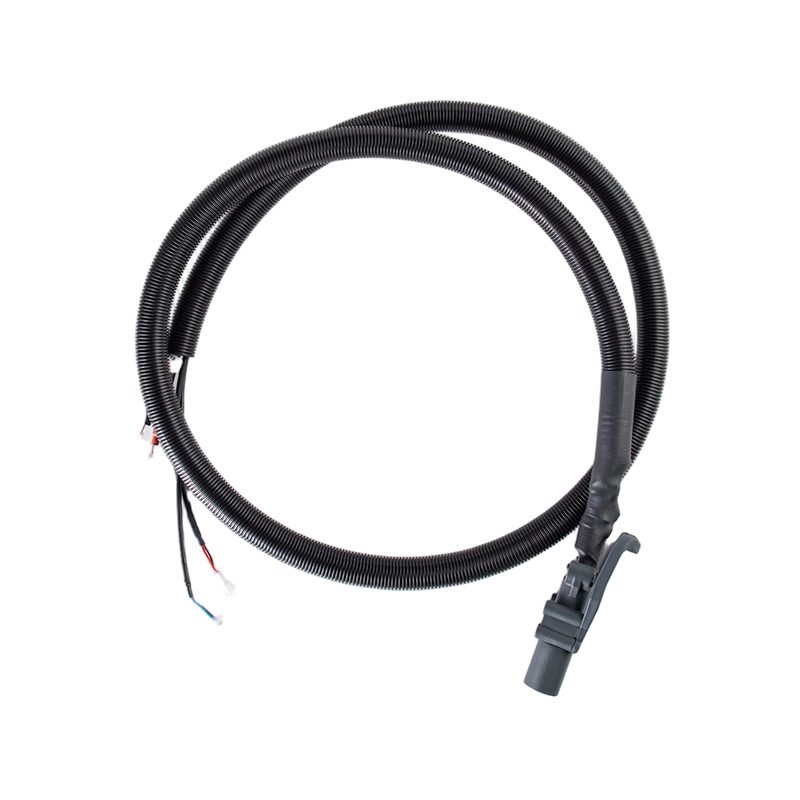
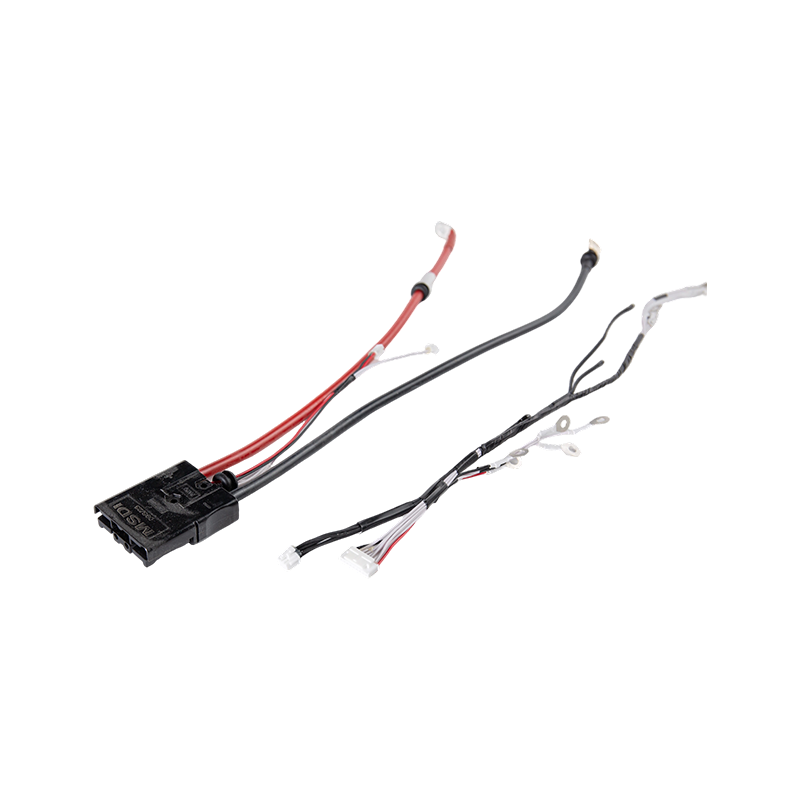
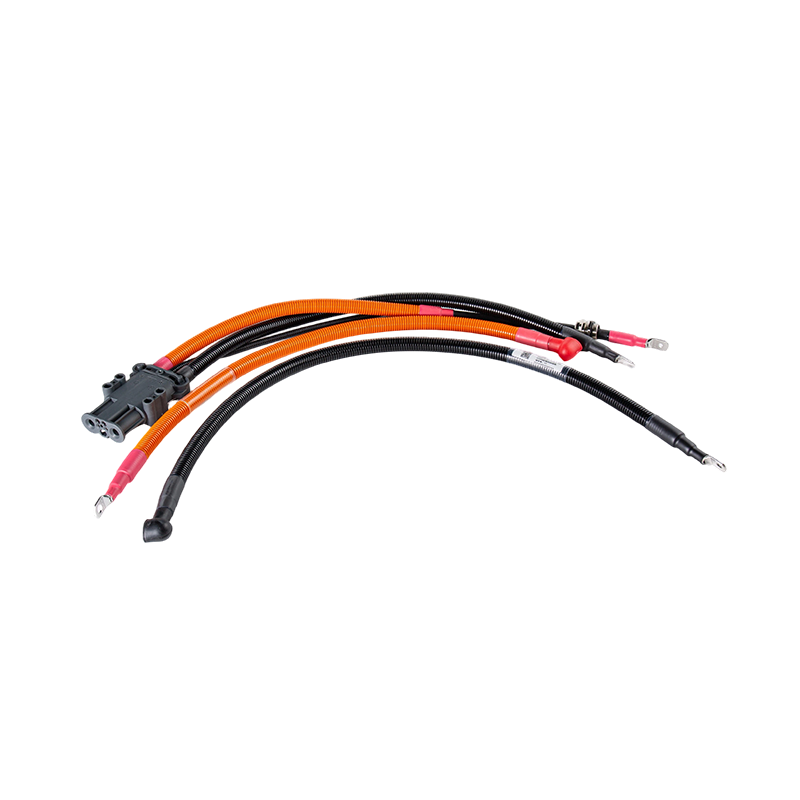
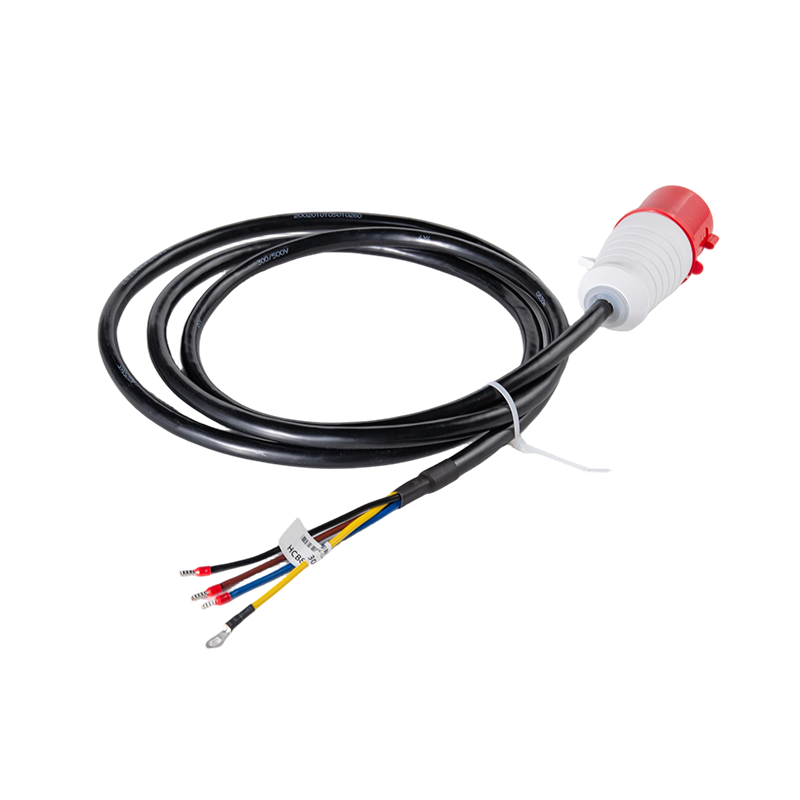

1 Comprehensive Industry Insights on Power and Battery Traction Harnesses
The global shift toward green energy and industrial electrification has altered the requirements for heavy engineering vehicles and high performance electronics. At the core of this transformation is the high voltage power distribution system, where Power and Battery Traction Harnesses serve as the vital vascular network. These special heavy duty cable assemblies do not merely connect electrical components; they must safely transmit immense electrical energy under severe environmental stress.
Unlike standard low voltage automotive wiring, traction battery harnesses operate in severe conditions. They withstand high electrical loads, relentless mechanical vibration, and extreme temperature fluctuations common in mining, construction, and agricultural equipment. Understanding the engineering complexities, safety metrics, and material properties of these components is crucial for global buyers, engineering managers, and technical procurers.
2 Critical Engineering Requirements and Technical Parameter Standards
Engineering vehicles rely on high working voltages to optimize power conversion efficiency and minimize heat generation during intense work cycles. To ensure operational safety and system reliability, Power and Battery Traction Harnesses are designed around strict technical and material standards.
The table below outlines the critical parameters and material standards governing high performance traction wire harnesses in the heavy industry and electric vehicle sectors.
| Engineering Property | Industry Standard Requirement | Technical Benefit and Purpose |
|---|---|---|
| Voltage Rating | 600V DC to 1000V DC | Enables high power transmission and matches modern 400V and 800V battery architectures |
| Temperature Resistance | -40 to +150 Degrees Celsius | Protects insulation from cracking in cold winters and melting near hot drive motors |
| Conductor Composition | Fine Stranded Class 5 or Class 6 Copper | Delivers excellent flexibility to withstand repetitive routing and component vibration |
| Insulation Material | Cross linked Polyethylene XLPE or Silicone Rubber | Provides superior dielectric strength and exceptional flame retardant capabilities |
| EMC Shielding Coverage | 85% to 95% Braided Copper with Foil | Blocks electromagnetic interference to protect low voltage control and communication lines |
| Ingress Protection IP Rating | IP67 or IP69K Waterproof Sealing | Prevents dust, moisture, and pressurized water jets from compromising electrical connections |
| Safety Color Coding | High Visibility Safety Orange RAL 2003 | Universally identifies high voltage shock hazards for field technicians and maintenance crews |
3 Architectural Safety and Layout Integrity in Engineering Vehicles
Designing traction harnesses for engineering vehicles involves strict adherence to physical layout safety. Because traction batteries provide substantial direct currents, these heavy systems cannot use the vehicle chassis as a ground return. A strict dual rail design is required, meaning both positive and negative circuits must run through fully insulated separate lines.
Dual Rail System Insulation
The dual rail layout eliminates the risk of high voltage leakage into the metal frame of the machine, preventing dangerous shocks during maintenance or accidental body contact. This layout also demands premium insulation resistance testing, ensuring that even under heavy current loads, the dielectric layer does not break down.
Advanced Shielding Against EMI
Heavy industrial machinery utilizes switching power electronics like inverters and variable frequency drives. These components generate significant Electromagnetic Interference EMI. To keep sensitive digital signals clean, traction harnesses employ 360 degree braided shielding. This shielding completely wraps the primary high current conductors and terminates seamlessly at the backshell of the high voltage connector, containing high frequency electrical noise inside the cable jacket.
Physical Isolation and Routing Strategies
To mitigate interference and enhance safety, modern industrial vehicle designs separate wiring into layered or parallel zones:
- Layered Routing: High voltage traction harnesses and low voltage signal wires are mounted on completely different spatial planes.
- Parallel Separation: When paths must run in parallel, high voltage bundles are fixed tightly to one side of the main frame while communication networks run along the opposite side, minimizing cross talk and capacitive coupling.
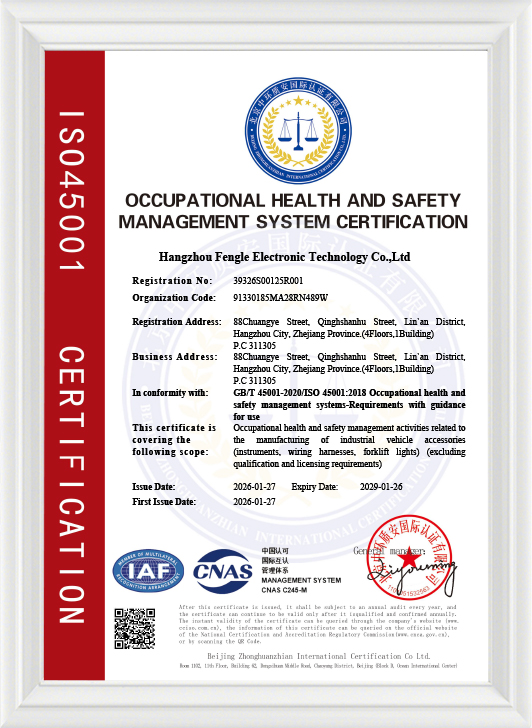
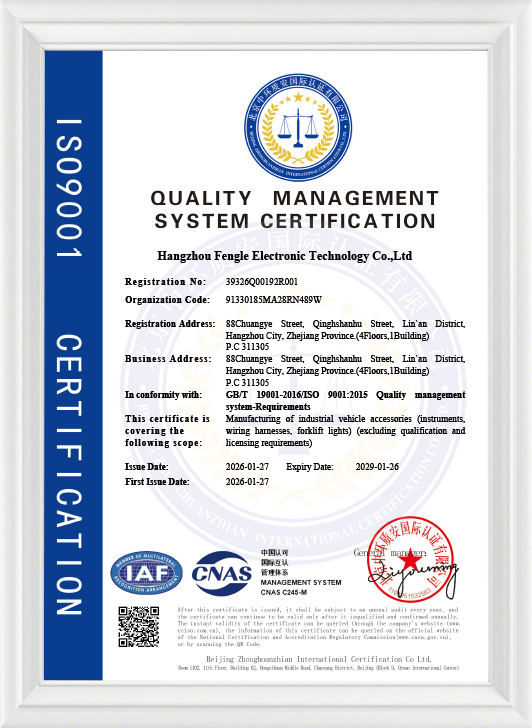
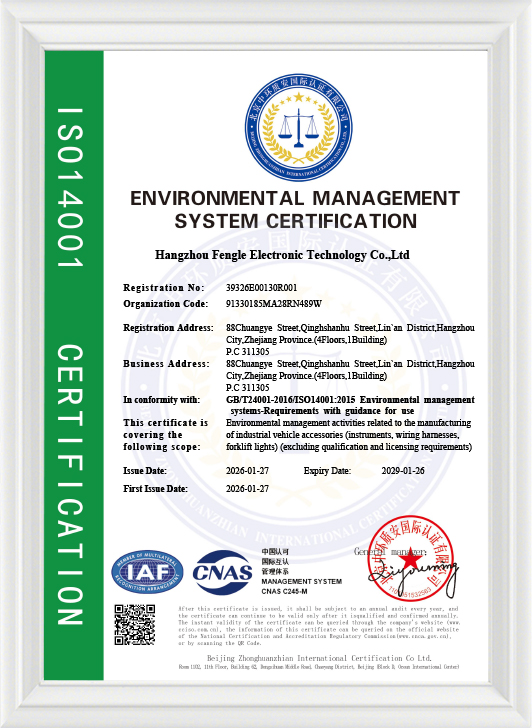
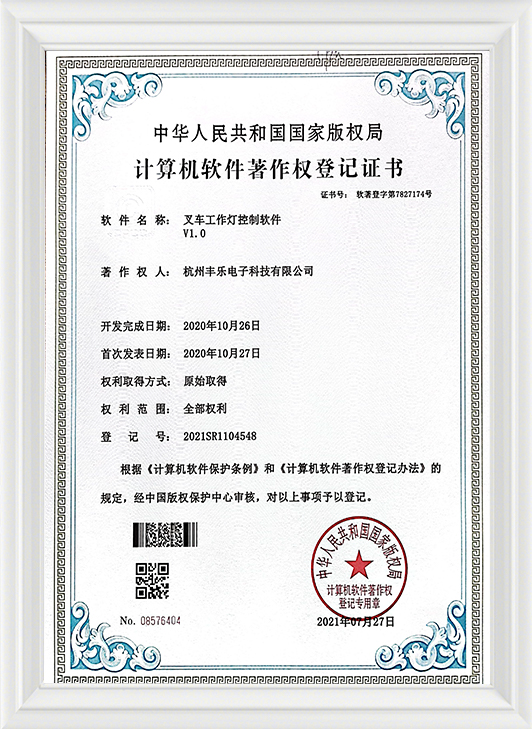
4 Service Advantages of Hangzhou Fengle Electronic Technology Co Ltd
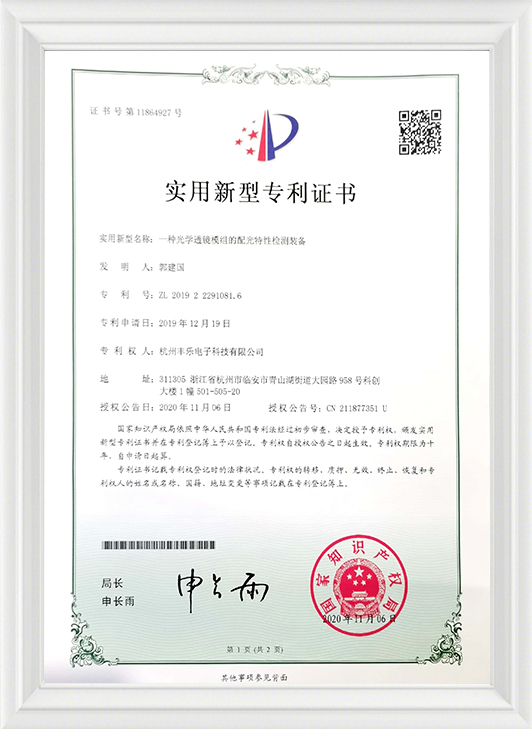
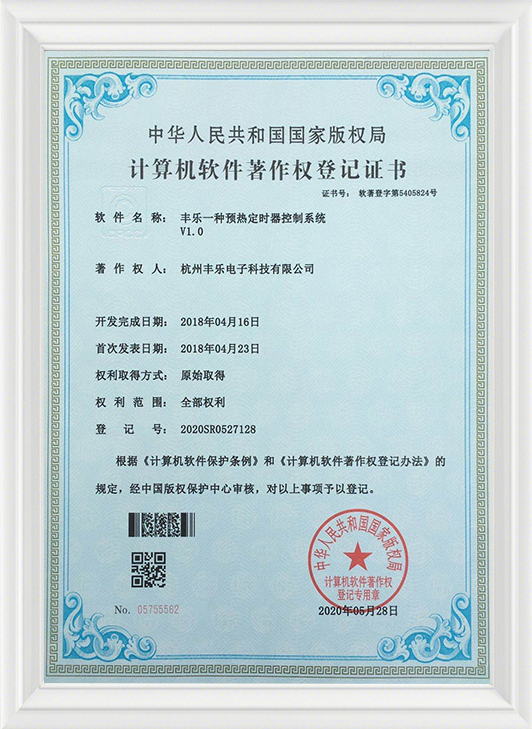
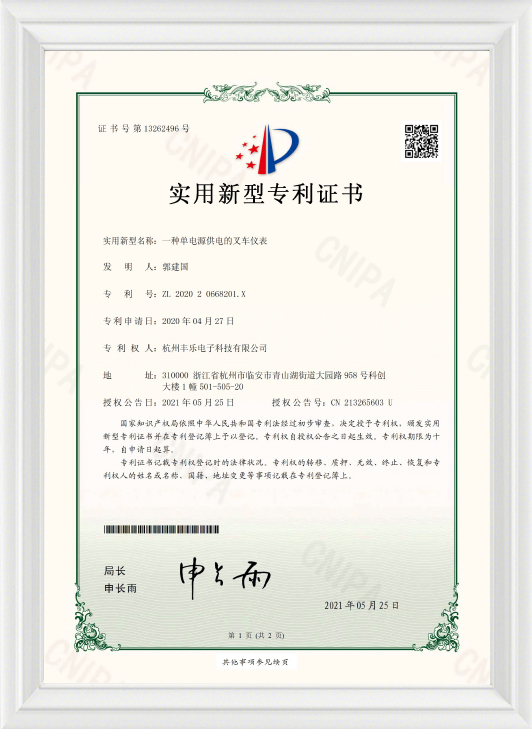
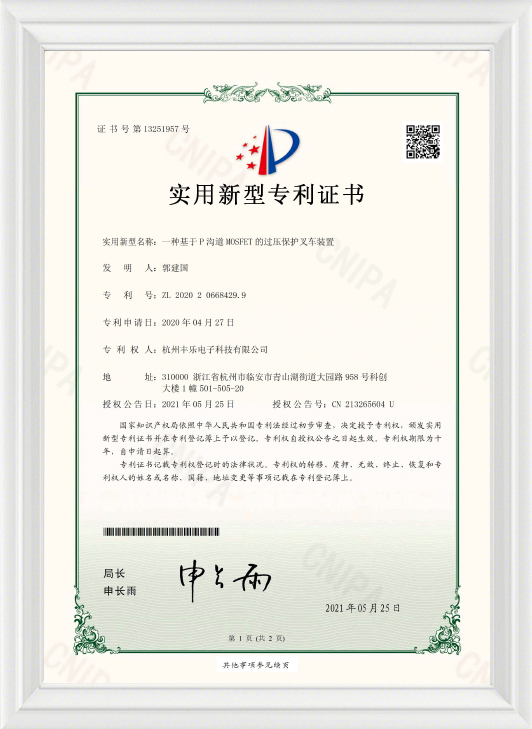
As a recognized national high tech enterprise, Hangzhou Fengle Electronic Technology Co Ltd stands at the forefront of the automotive electronics and integrated solutions industry. We bring design innovation, precise research and development, modern manufacturing, and global sales support together into a streamlined service experience for engineering vehicle and electronics manufacturers.
Our service advantages reflect our commitment to performance, reliability, and precision engineering.
- Turnkey Custom Design and R and D Integration: We do not offer generic components. Hangzhou Fengle Electronic Technology Co Ltd partners closely with your engineering teams from initial concept drawing to prototyping, ensuring every traction harness matches the precise spatial limitations, bending radii, and electrical profiles of your specific vehicle model.
- Rigorous Testing and Automotive Quality Verification: Safety is non negotiable in high voltage systems. Every single Power and Battery Traction Harness undergoes 100% comprehensive testing before leaving our facility, including high potential Hipot insulation testing up to 3000V AC, insulation resistance checks, and rigorous seal integrity testing.
- Premium Material Procurement and Longevity: By utilizing fine stranded copper conductors, advanced XLPE or silicone insulation, and authentic touch safe high voltage connectors with High Voltage Interlock Loop HVIL functionality, our products deliver long service lives even under heavy operational vibration.
- Scalable Production and Supply Chain Agility: Our optimized production infrastructure enables us to handle small specialized custom orders for specialized construction machinery as well as high volume manufacturing runs for commercial vehicle fleets, delivering reliable components exactly on schedule.
- Expert Technical Support and Global Compliance: Our service extends beyond delivery. The technical application specialists at Hangzhou Fengle Electronic Technology Co Ltd provide prompt integration guidance, thermal analysis support, and compliance advisory to ensure smooth system qualification and field deployment.
5 Industry Frequently Asked Questions FAQ
FAQ 1 Why must traction battery wire harnesses use safety orange jackets
The high visibility safety orange jacket, specifically matching the RAL 2003 standard, is a universal regulatory safety requirement. It serves as an immediate visual warning to operators, mechanics, and emergency personnel that the cable assembly carries dangerous high voltage levels, distinct from standard low voltage electrical wiring.
FAQ 2 What is the purpose of an HVIL circuit in high voltage harnesses
HVIL stands for High Voltage Interlock Loop. It is a safety feature embedded within the connector assembly. If a high voltage connection becomes loose or is disconnected while the machine is active, the low voltage HVIL circuit breaks first, sending a signal to the main vehicle controller to instantly disconnect the main battery contactors, protecting workers from dangerous arcs.
FAQ 3 How does Hangzhou Fengle Electronic Technology Co Ltd prevent water ingress in heavy machinery harnesses
We achieve IP67 and IP69K waterproof protection by applying specialized wire seals, advanced adhesive lined heat shrink tubing, and heavy duty rubber overmolding over the critical connector junctions. This robust barrier blocks moisture, mud, and high pressure cleaning sprays during field maintenance.
FAQ 4 Why is fine stranded copper preferred over solid core conductors in these systems
Engineering vehicles endure continuous mechanical shock and heavy vibration during operation. Solid core or coarse stranded wires would quickly suffer from metal fatigue and crack under these conditions. Fine stranded copper, conforming to Class 5 or Class 6 flexibility, allows the cable assembly to bend easily, absorb constant vibration, and maintain electrical integrity over years of use.
FAQ 5 How do your traction harnesses protect sensitive onboard sensors from electrical noise
Our Power and Battery Traction Harnesses utilize high coverage braided metal shields combined with aluminum foil wrappers. This dual layer shielding design intercepts electromagnetic emissions generated by high current switching, redirecting the noise safely to the system shield ground and protecting nearby digital control networks.

