


 русский
  Español
  中文简体
中文简体

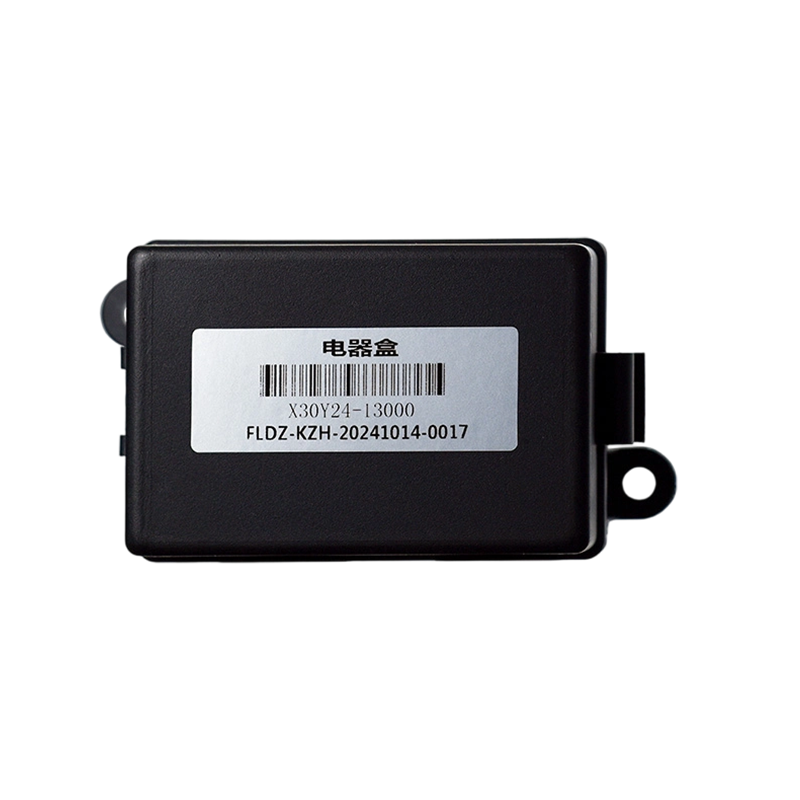
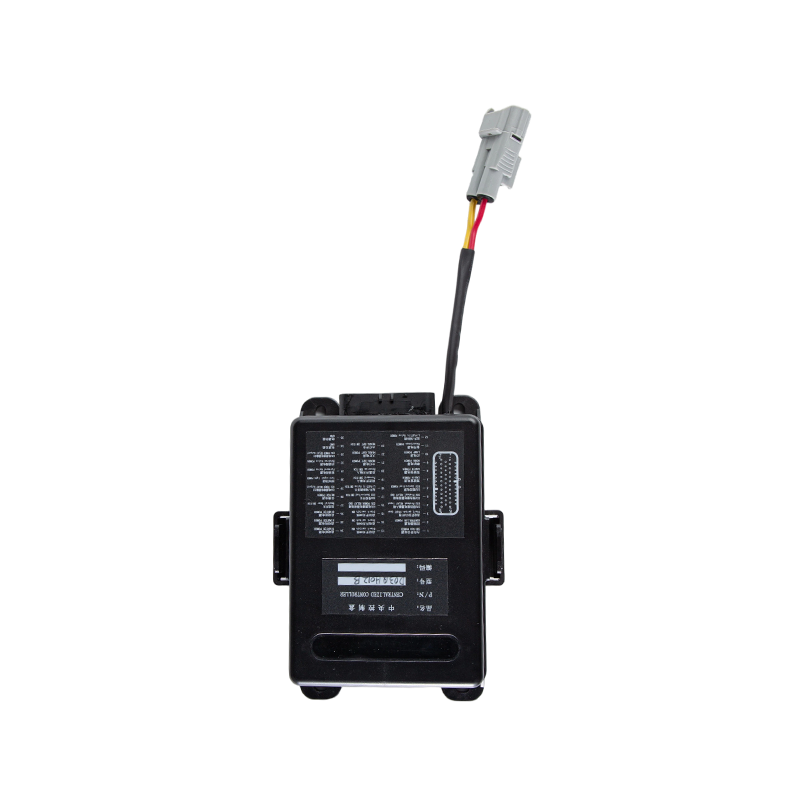
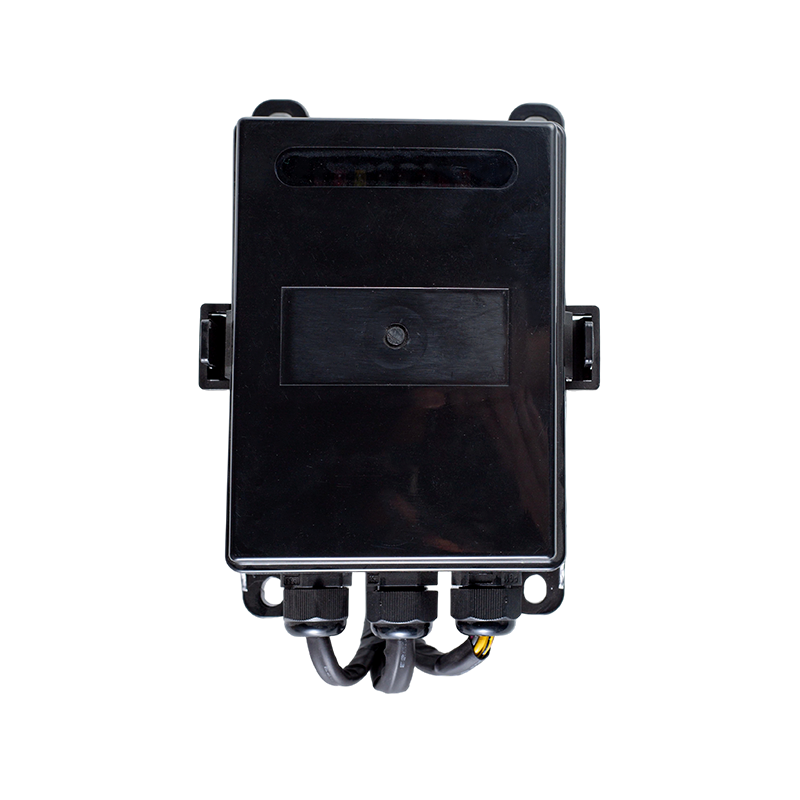
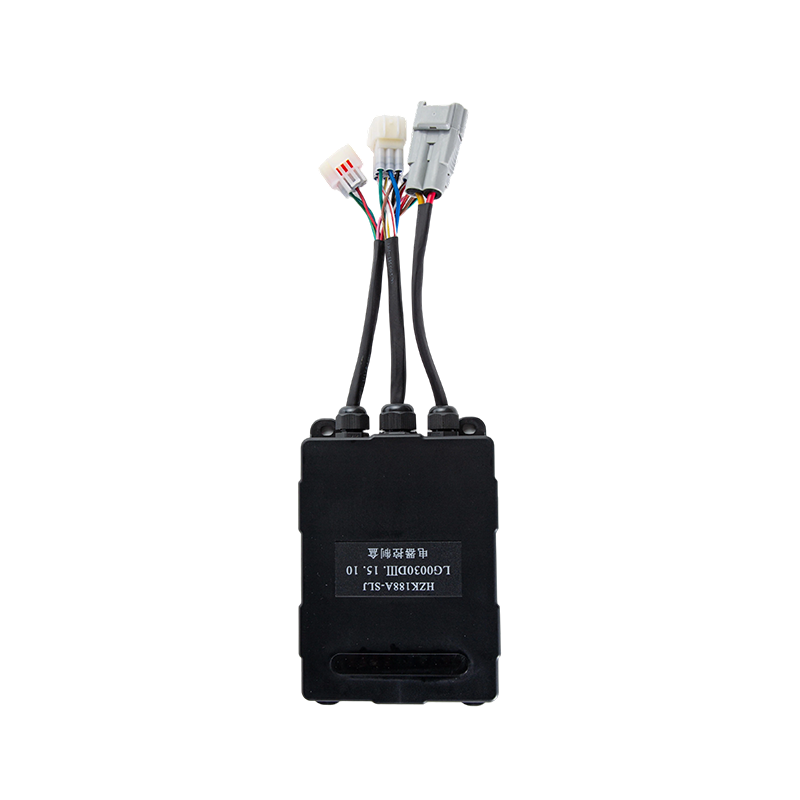
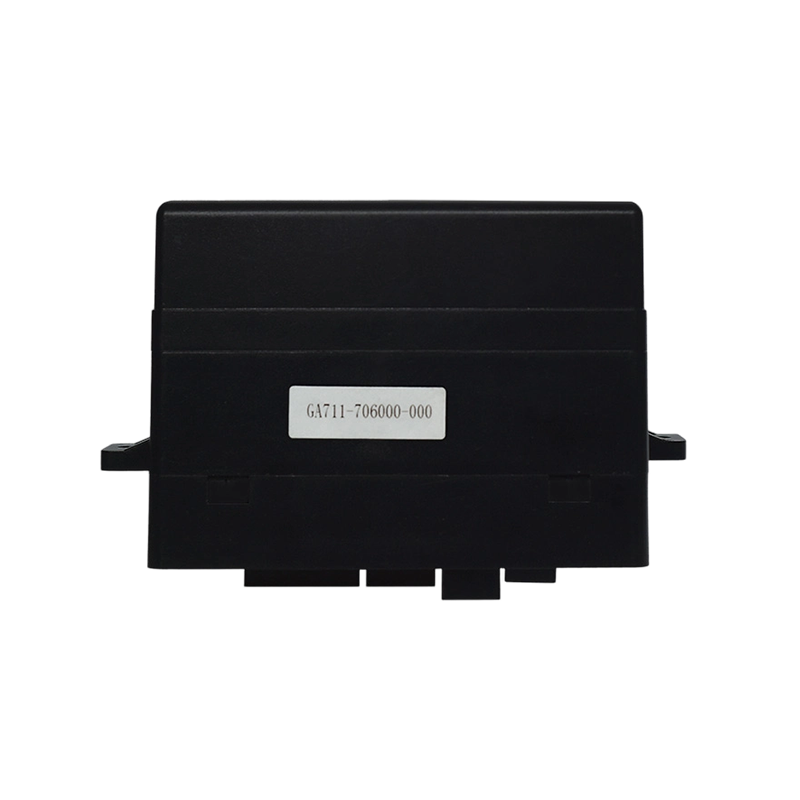
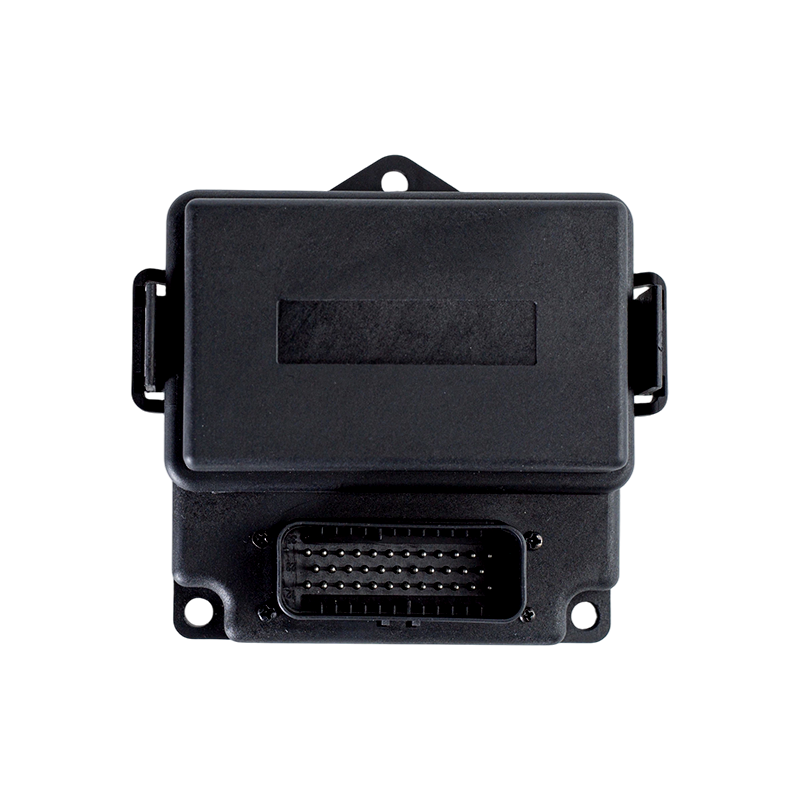
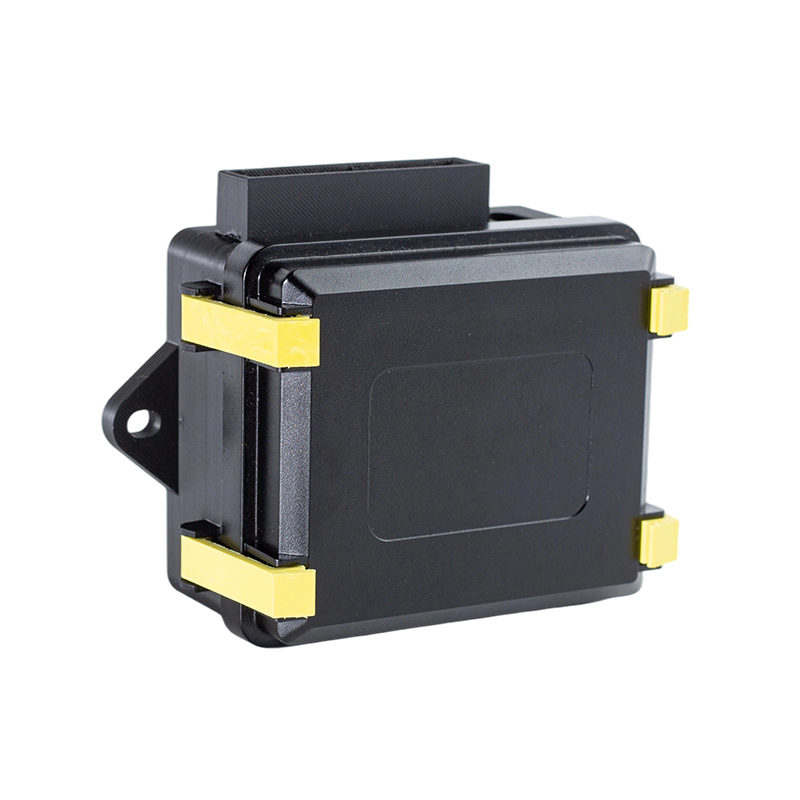




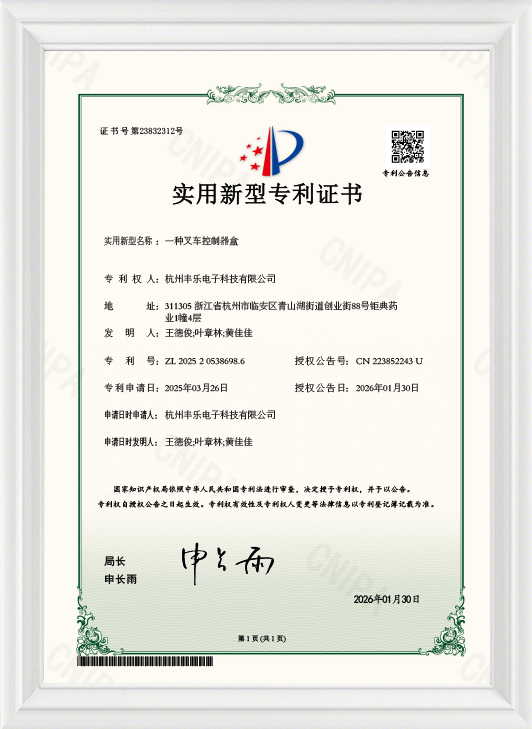


1. Introduction to Vehicle Power Distribution Boxes (PDBs)
In modern engineering vehicles and industrial machinery, the electrical architecture has evolved from basic wiring circuits into highly complex, integrated networks. At the heart of this electrical evolution is the Vehicle Power Distribution Box (PDB). A PDB acts as the central hub for managing, regulating, and protecting the electrical power generated by the vehicle’s alternator and battery, distributing it safely to various electronic components, sensors, actuators, and auxiliary systems.
For heavy-duty engineering vehicles—such as excavators, loaders, cranes, and agricultural machinery—the demands placed on the electrical system are exceptionally high. These vehicles operate under extreme environmental conditions, requiring power distribution systems that are not only highly efficient but also remarkably durable. Hangzhou Fengle Electronic Technology Co., Ltd. specializes in designing and manufacturing advanced, high-reliability Vehicle Power Distribution Boxes tailored to meet these exact industrial demands, ensuring optimal performance and minimizing vehicle downtime.
2. Key Components and Internal Architecture of a PDB
A professional-grade Vehicle Power Distribution Box is much more than an enclosure with fuses. It is a precisely engineered system comprising multiple layers of components designed to handle varying voltage and current levels while preventing electrical failures.
- Fuses and Circuit Breakers: These are the primary defense mechanisms against overcurrent situations. In engineering vehicles, a mix of mini-fuses, ATO fuses, and high-current MIDI or MEGA fuses are utilized to protect sensitive electronic control units (ECUs).
- Relays and Solenoids: Relays act as electrically operated switches, allowing low-current control signals from the vehicle’s dashboard or ECU to switch high-current loads, such as hydraulic pumps, heavy lighting arrays, and cooling fans.
- Busbars: Heavy-duty copper or brass busbars are integrated into the PDB to conduct high levels of current across multiple circuits efficiently, reducing heat generation and eliminating cluttered wiring harnesses.
- Printed Circuit Boards (PCBs) vs. Hardwired Systems: Modern PDBs frequently utilize multi-layer PCBs to streamline internal routing, reduce the overall physical footprint, and allow for the integration of smart diagnostic components.
- Enclosures and Sealing Gaskets: Because engineering vehicles operate in dusty, wet, and high-vibration environments, the outer shell is typically constructed from high-strength thermal plastics or aluminum alloys, paired with advanced silicone gaskets to achieve high Ingress Protection (IP) ratings.
3. Technical Classification and Comparison
Vehicle Power Distribution Boxes can be classified based on their internal structure, intelligence level, and application environment. Choosing the right architecture is critical for the overall efficiency of the engineering vehicle.
The table below outlines the differences between traditional mechanical PDBs, standard electronic PDBs, and next-generation smart PDBs:
| Feature / Metric | Traditional Mechanical PDB | Standard Electronic PDB | Intelligent Smart PDB |
|---|---|---|---|
| Primary Switching | Mechanical Relays | Solid-State Switches | Smart MOSFETs / eFuses |
| Circuit Protection | Standard Thermal Fuses | PCB-mounted Fuses | Programmable Digital Overcurrent Protection |
| Communication Interface | None | Limited (Hardwired Status Signals) | CAN bus / LIN bus Integration |
| Diagnostic Capabilities | Visual Inspection Required | LED Status Indicators | Real-time Telematics and Predictive Maintenance data |
| Vibration Resistance | Medium (Relays prone to wear) | High | Extremely High (No moving parts) |
| Customization Flexibility | Low (Requires physical rewiring) | Medium (PCB redesign needed) | High (Software configurable parameters) |
| Typical Applications | Legacy Agricultural Tractors | Standard Forklifts and Loaders | Advanced Mining Trucks and Autonomous Excavators |
4. Critical Design Considerations for Engineering Vehicles
When designing or selecting a Vehicle Power Distribution Box for engineering machinery, several strict engineering standards must be met to guarantee longevity and operational safety.
4.1 Thermal Management
Engineering vehicles frequently operate under full load for extended periods, generating significant internal heat within the electrical system. A properly designed PDB utilizes optimized busbar layouts and thermal vias on the PCB to dissipate heat efficiently. Proper thermal management prevents localized hotspots, which can cause premature component aging or electrical fires.
4.2 Ingress Protection (IP Rating)
Dust, mud, and water are constant threats on construction sites and mining operations. PDBs must feature high environmental sealing, typically rated at IP67 or IP6K9K (which protects against high-pressure, high-temperature water jets). This ensures that the internal electronics remain completely dry and free from corrosive contaminants.
4.3 Vibration and Shock Resistance
Heavy machinery is subject to continuous low-frequency vibrations and high-impact mechanical shocks. Standard commercial-grade electrical boxes will quickly fail under these conditions due to loose connections or cracked solder joints. Industrial-grade PDBs employ robust locking connectors, potted compounds, and reinforced mounting brackets to withstand severe mechanical stress.
5. Our Service Advantages at Hangzhou Fengle Electronic Technology Co., Ltd.
As a national high-tech enterprise, Hangzhou Fengle Electronic Technology Co., Ltd. is uniquely positioned to deliver premium, reliable, and tailored solutions for the global automotive electronics and engineering vehicle industries. Our service advantages include:
- End-to-End Comprehensive Solutions: We seamlessly integrate design, research and development, production, and sales. This holistic approach ensures absolute quality control at every phase of the product lifecycle, from initial conceptual sketches to mass manufacturing.
- Advanced Innovative Customization: Recognizing that every engineering vehicle has unique space constraints and electrical requirements, we specialize in providing high-quality, reliable customized solutions. We co-develop layouts with our clients to perfectly fit their specific application profiles.
- Industrial Grade Reliability: Our products are engineered explicitly to withstand the harshest operating environments. By utilizing top-tier materials and rigorous testing methodologies, we guarantee that our PDBs deliver exceptional longevity and stable performance under extreme thermal and mechanical stress.
- Expert Technical Support: Beyond delivering physical products, we provide deep technical support, helping clients optimize their vehicle electrical architecture, improve wire harness routing, and troubleshoot complex integration challenges.
6. Industry Trends: The Shift Towards Intelligent Power Distribution
The industrial vehicle sector is undergoing a massive transformation driven by electrification, digitization, and automation. Traditional power distribution methods are rapidly giving way to smart PDBs.
By integrating CAN bus communication protocols, modern PDBs can communicate directly with the vehicle’s central computer. This allows the system to monitor current consumption in real-time, detect micro-faults before they lead to full system failures, and dynamically allocate power based on operational priorities. For instance, if an alternator experiences a temporary drop in output, an intelligent PDB can automatically shed non-essential loads (like cabin air conditioning) to ensure that critical hydraulic and steering control systems remain fully powered.
7. Frequently Asked Questions (FAQ)
7.1 What is the primary function of a Vehicle Power Distribution Box in an excavator?
The PDB acts as the central electrical brain of the excavator. It takes the raw power from the battery and alternator and safely distributes it to all auxiliary systems, such as the hydraulic control valves, cabin control panels, engine management systems, and exterior safety lighting, while providing overcurrent protection for each circuit.
7.2 Why are IP67 or IP6K9K ratings crucial for engineering vehicle PDBs?
Engineering vehicles operate in environments filled with fine dust, mud, moisture, and debris. An IP67 or IP6K9K rating ensures that the PDB enclosure is completely sealed against dust ingress and can withstand immersion in water or high-pressure power washing, preventing short circuits and corrosion.
7.3 How do customized PDB solutions from Hangzhou Fengle Electronic Technology Co., Ltd. benefit vehicle OEMs?
Customized solutions allow Original Equipment Manufacturers (OEMs) to optimize space utilization inside the vehicle engine bay or cab, reduce the complexity and weight of the wiring harness, speed up assembly line manufacturing times, and ensure that the electrical protection ratings exactly match the vehicle’s load profiles.
7.4 What is the difference between utilizing fuses versus smart eFuses in a power distribution system?
Traditional fuses are sacrificial components that melt and must be physically replaced when an overcurrent event occurs. Smart eFuses (silicon-based switches) detect overcurrent electronically, turn off the circuit instantly to prevent damage, and can be reset automatically or via software commands once the fault is cleared, significantly reducing vehicle maintenance downtime.
7.5 Can a single PDB handle both 12V and 24V DC systems simultaneously?
Yes, advanced PDBs can be engineered with isolated internal multi-busbar systems to handle multi-voltage architectures. This is common in heavy engineering machinery where a 24V system is used for primary engine starting and heavy-duty actuators, while a 12V subsystem powers sensitive communication equipment, GPS tracking, and cabin electronics.

