


 русский
  Español
  中文简体
中文简体

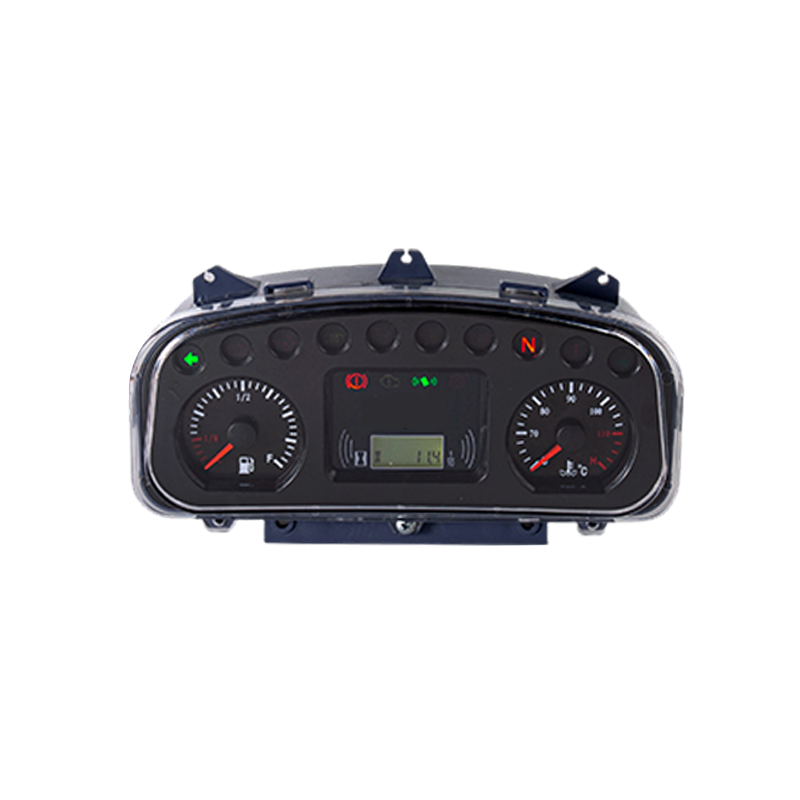
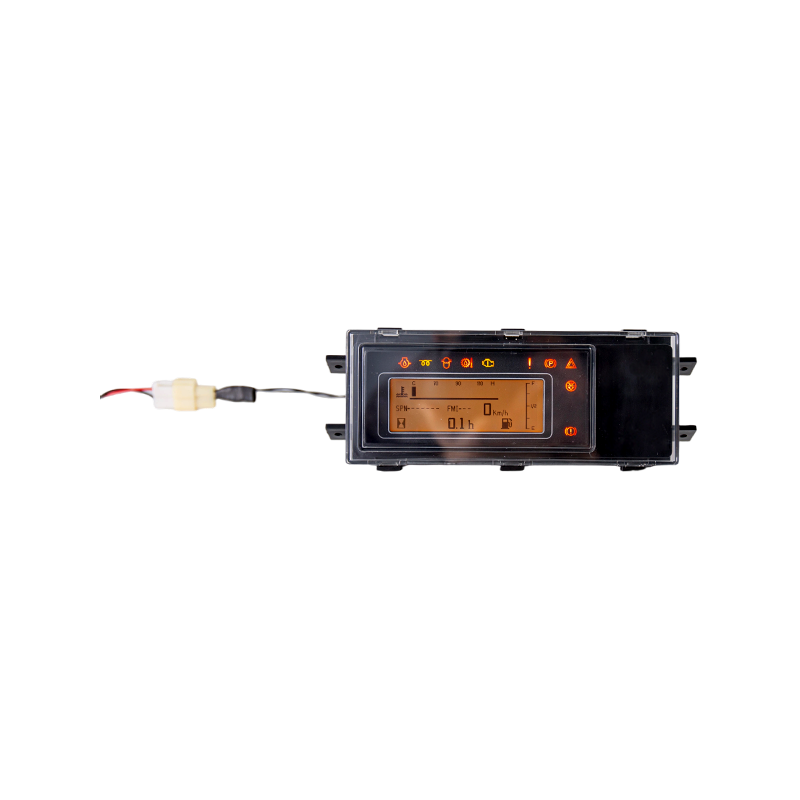
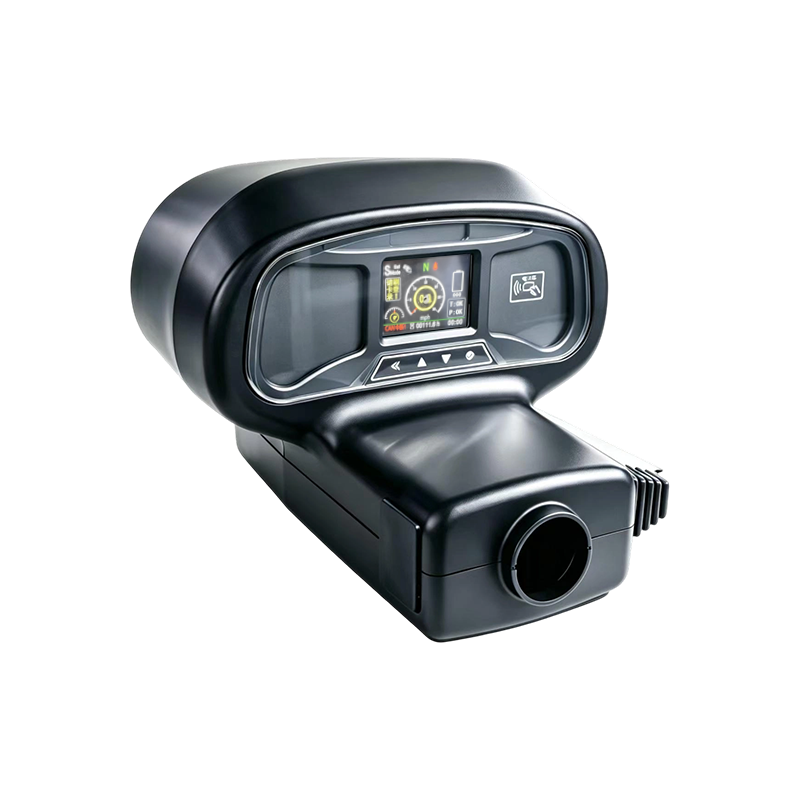
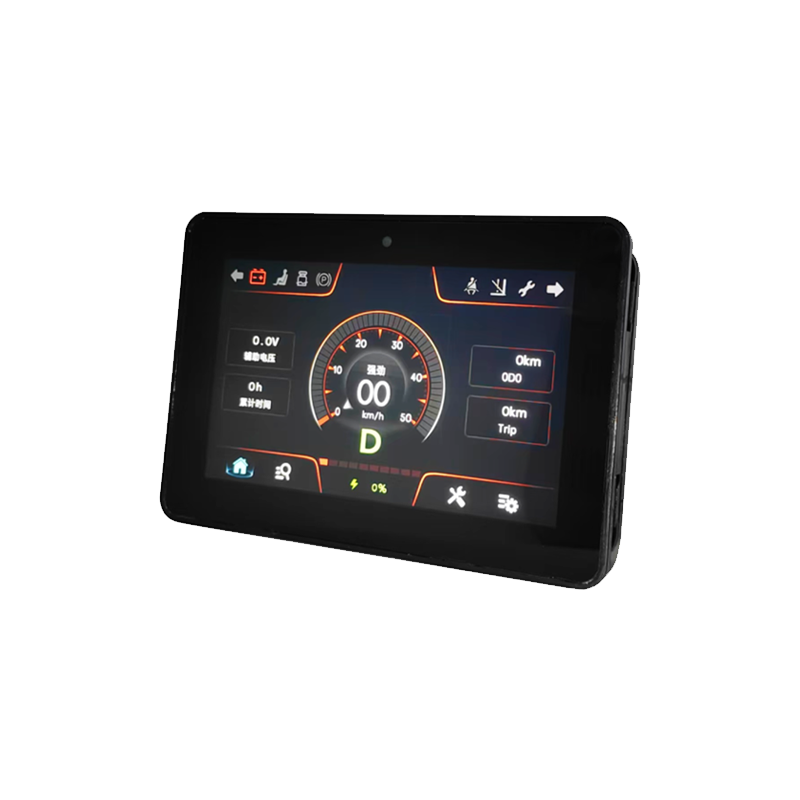



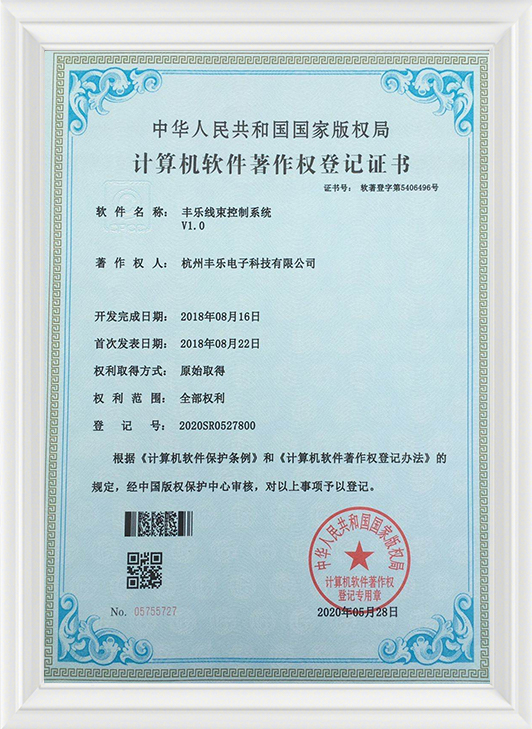
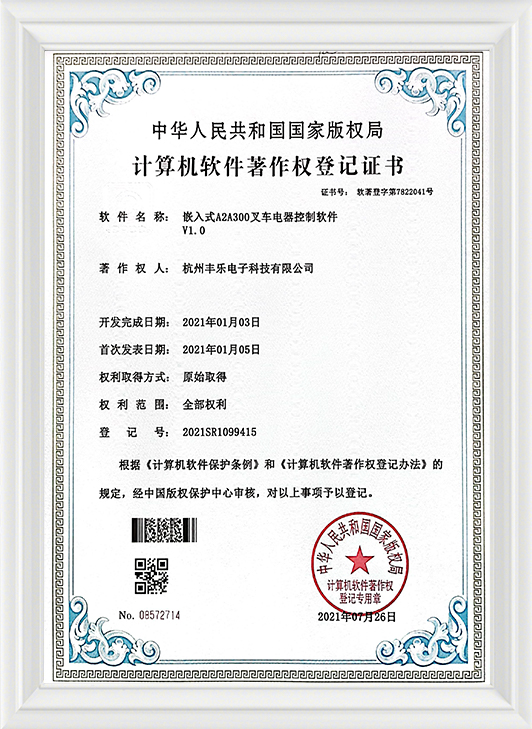
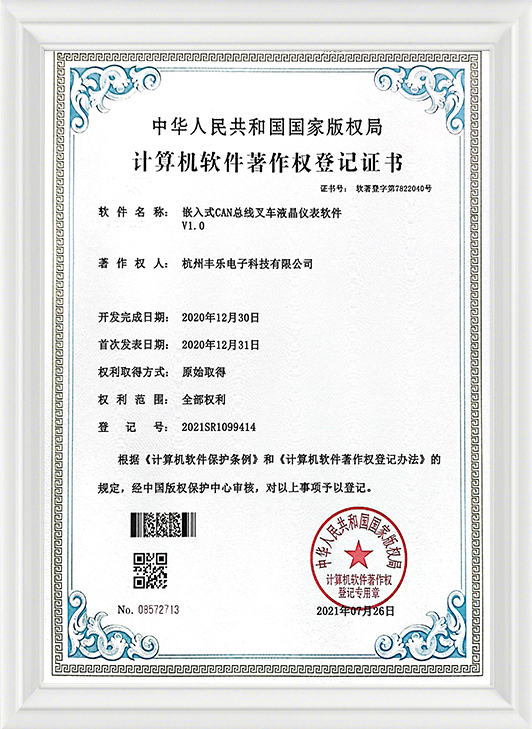
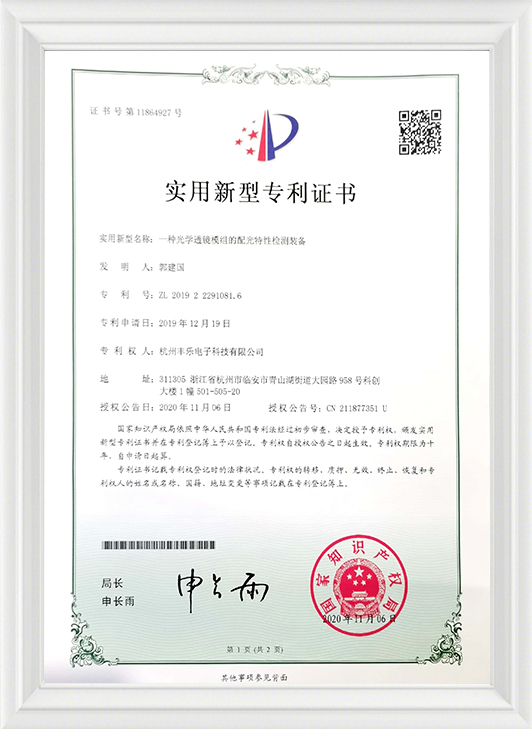
1. Introduction to Advanced Engineering Vehicle Electronics
The modern industrial and engineering vehicle landscape relies heavily on robust electronic control architectures. Unlike standard passenger automobiles, engineering vehicles—such as forklifts, excavators, heavy-duty cranes, and mining equipment—operate under extreme environmental conditions. These conditions demand specialized electronic components capable of enduring high vibration, thermal shock, dust, and moisture ingress.
At the heart of an internal combustion engineering vehicle lies its ignition and electrical power management system. Hangzhou Fengle Electronic Technology Co., Ltd. specializes in designing and manufacturing high-performance automotive electronics that bridge the gap between heavy mechanical power and precise electronic control. By upgrading to industrial-grade ignition control modules, fleet managers and original equipment manufacturers can significantly enhance fuel efficiency, lower emissions, and prevent costly operational downtime.
2. Technical Specifications and Performance Parameters
To help procurement managers and technical engineers select the appropriate ignition control solutions, understanding the baseline operational parameters is essential. Below is a detailed breakdown of the technical standards required for standard industrial vehicle ignition controls.
| Parameter Category | Technical Specifications and Requirements | Industrial Application Relevance |
|---|---|---|
| Input Voltage Range | 9 Volts to 32 Volts Direct Current | Compatible with both 12 Volt and 24 Volt vehicle electrical systems |
| Operating Temperature | Negative 40 degrees to Positive 105 degrees Celsius | Ensures stable performance in extreme cold and high-heat engine bays |
| Ingress Protection Rating | IP67 Standards | Prevents dust penetration and water immersion damage during washing |
| Vibration Resistance | 10G Peak Acceleration from 10 Hertz to 2000 Hertz | Withstands continuous mechanical shocks on rough construction terrains |
| Diagnostic Interface | Integrated Fault Code Output via LED or CAN Bus | Facilitates rapid troubleshooting and reduces vehicle maintenance time |
| Housing Material | Die-cast Aluminum or High-Strength Thermal Polymer | Offers superior heat dissipation and mechanical shield protection |
3. Core Functions of Industrial Ignition Control Modules
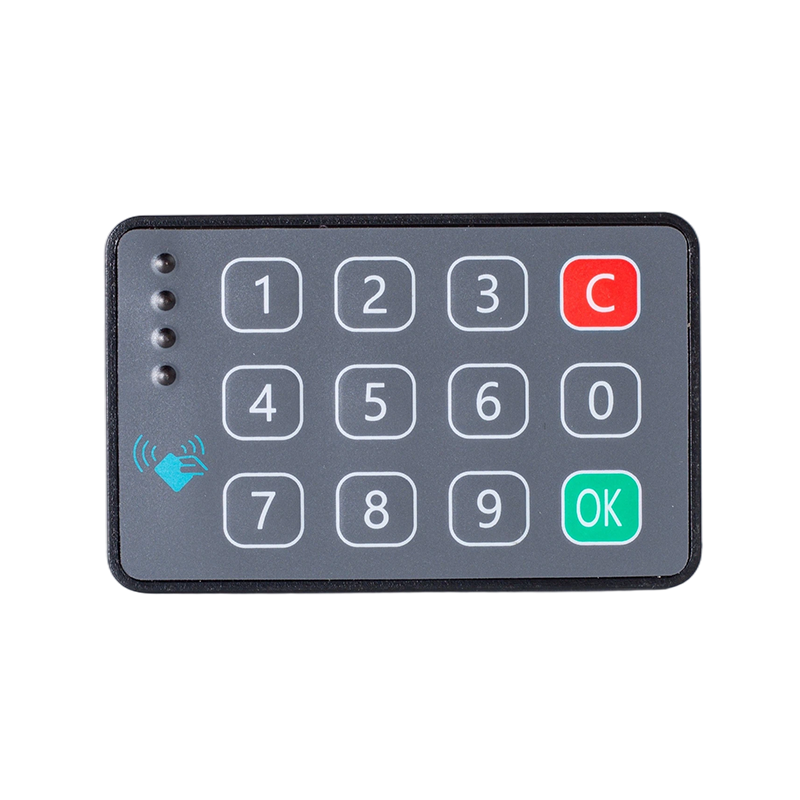
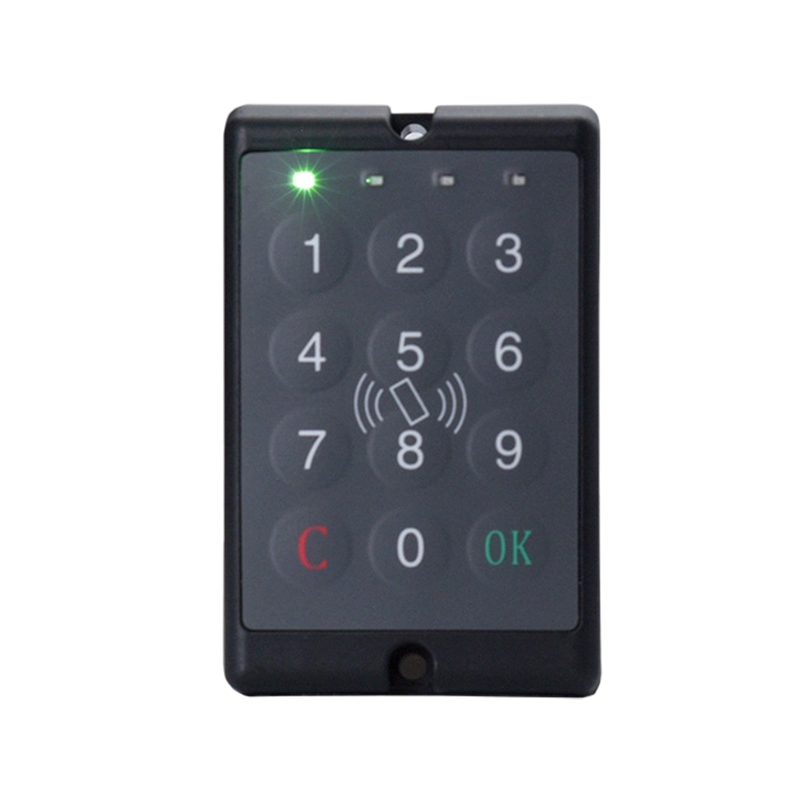
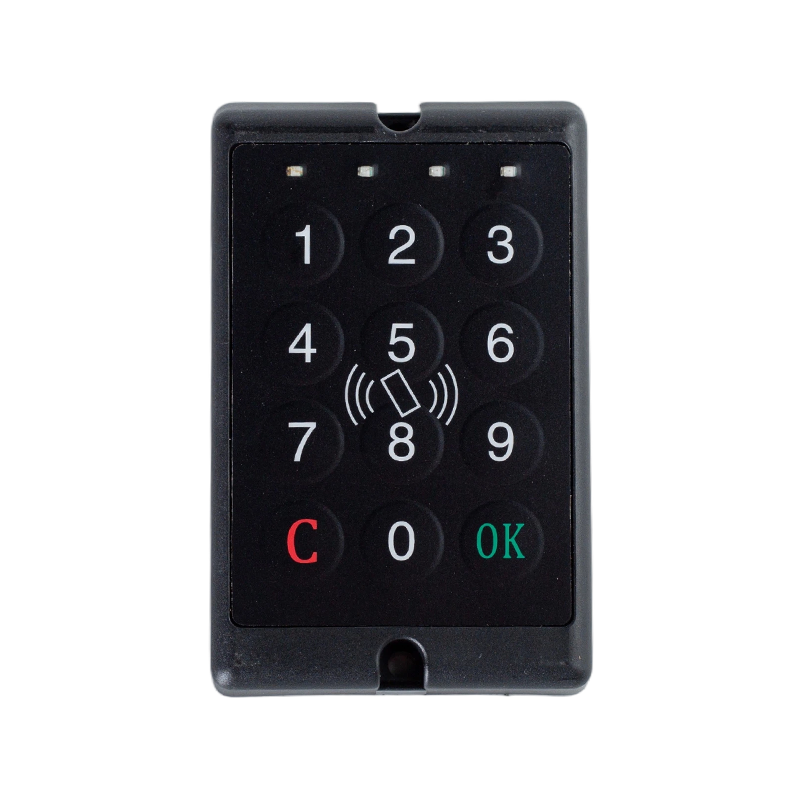
The TSG81 Standard Industrial Vehicle Ignition Control series represents a vital sub-system in managing engine performance. Industrial ignition controllers are responsible for much more than simply starting an engine. Their core functions include:
3.1 Precise Dwell Time Control
The controller monitors engine speed and battery voltage to dynamically adjust the dwell time. This ensures that the ignition coil charges fully before discharging, delivering a consistent spark intensity regardless of engine load or battery fluctuations.
3.2 Adaptive Timing Advance
Industrial engines operate under highly variable loads. The ignition control module processes sensor inputs to advance or retard spark timing in real time. This maximization of thermal efficiency prevents engine knocking and optimizes torque output during heavy lifting operations.
3.3 Thermal and Overcurrent Protection
High-duty cycles can cause standard electronic components to overheat. Advanced industrial modules feature built-in thermal shutdown and current-limiting circuits. If a short circuit or overcurrent event occurs in the ignition coil, the module safeguards itself and the main vehicle electronic control unit from permanent damage.
4. Industry Applications and Equipment Compatibility
The TSG81 Standard Industrial Vehicle Ignition Control system is engineered for versatility across multiple heavy industrial sectors. Its rugged design makes it ideal for the following equipment categories:
- Material Handling Equipment: Heavy forklifts, reach stackers, and container handlers operating continuously in port terminals and logistics hubs.
- Earthmoving and Construction Machinery: Compact excavators, skid steer loaders, and backhoes that require reliable engine starts in dusty construction environments.
- Agricultural Machinery: Industrial-grade tractors and harvest harvesters operating in wide temperature ranges.
- Airport Ground Support Equipment: Baggage tractors, pushback vehicles, and mobile passenger steps requiring high reliability to maintain tight flight schedules.
5. Our Service Advantages and Corporate Strengths
When partnering with Hangzhou Fengle Electronic Technology Co., Ltd. for your industrial electronics needs, you gain access to a comprehensive suite of B2B manufacturing and design benefits tailored for global markets.
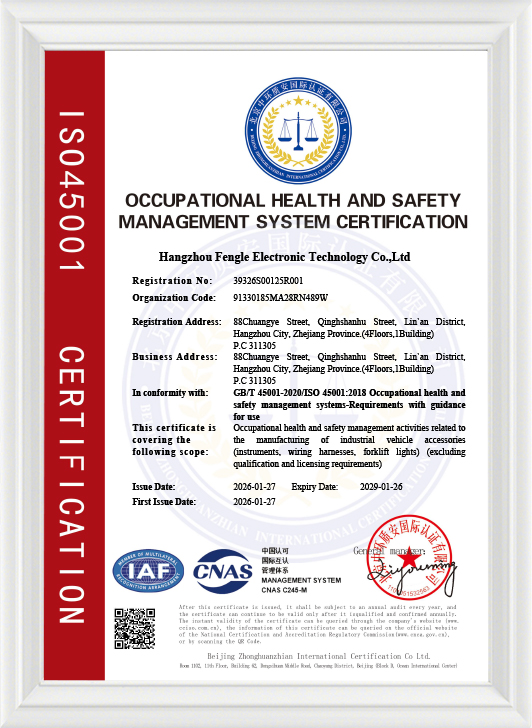
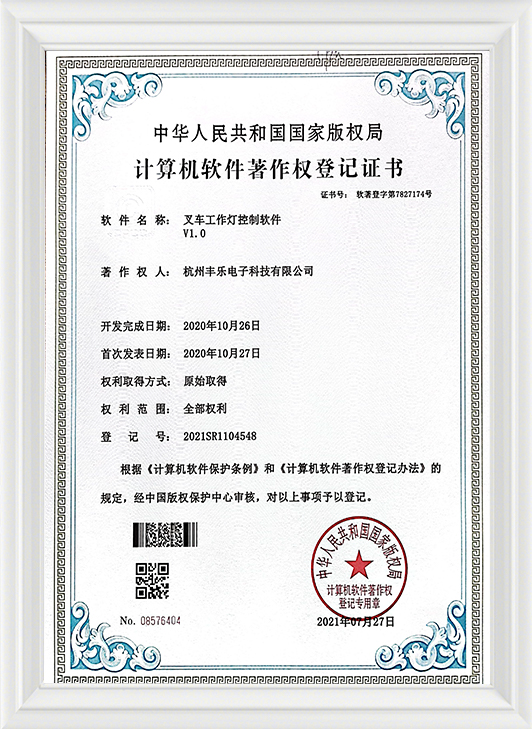
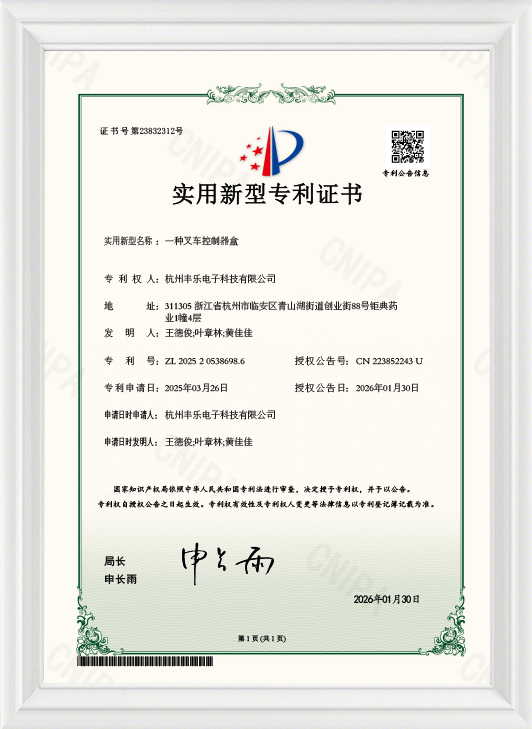
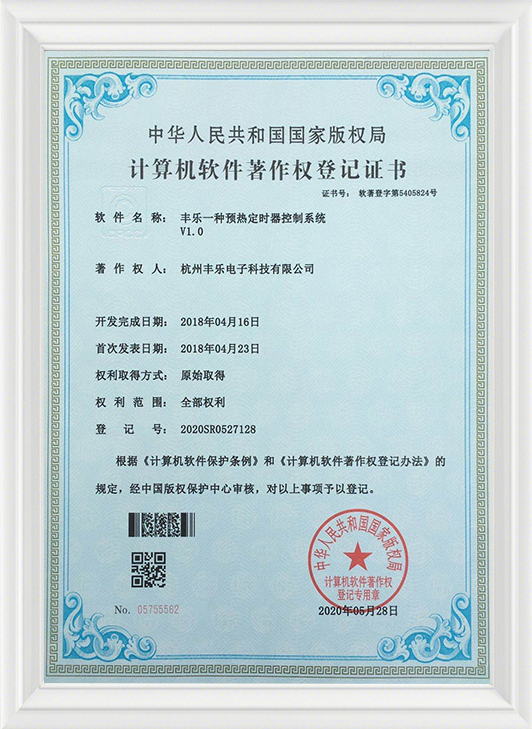
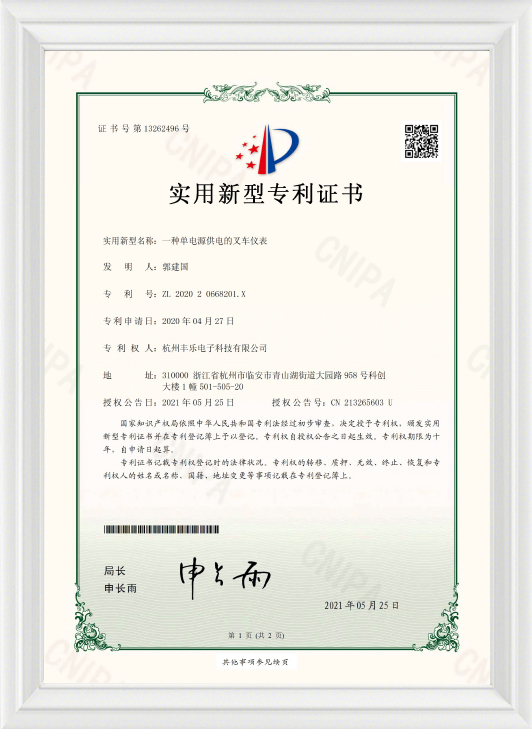
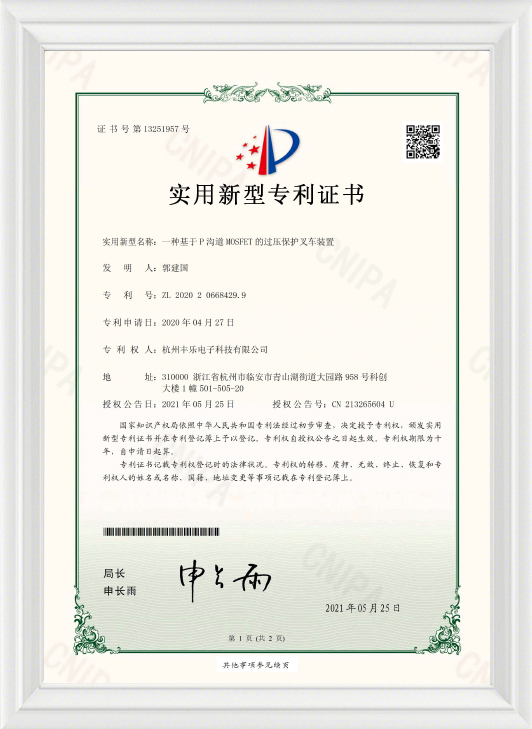
- National High-Tech Enterprise Certification: Our dedicated research and development teams focus on pioneering innovations in automotive electronics, ensuring our clients receive cutting-edge, compliant technology.
- End-to-End Customized Solutions: We understand that every engineering vehicle fleet has unique requirements. From initial PCB layout design to custom housing molds and wiring harness integration, we provide bespoke OEM and ODM solutions.
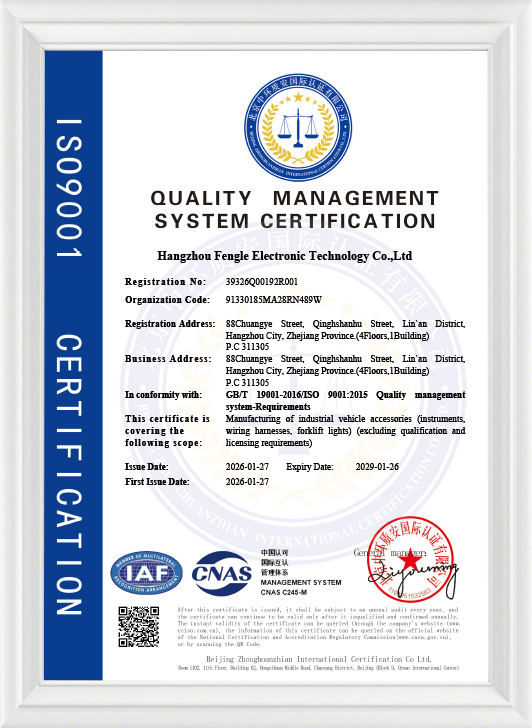
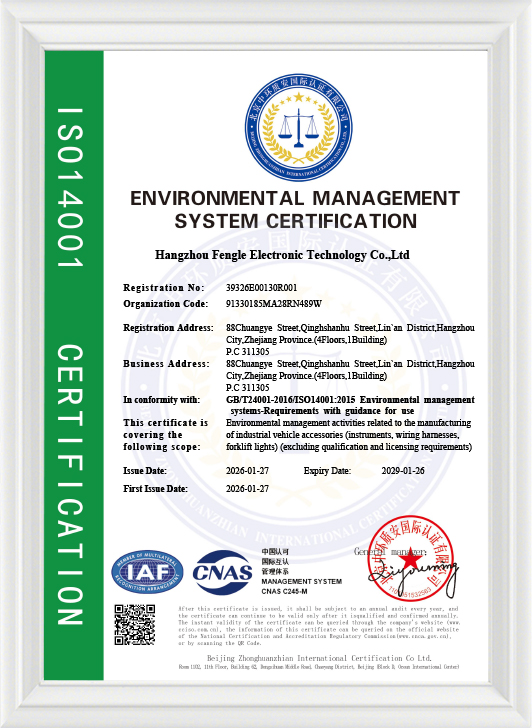
- Rigorous Quality Management System: Our factory utilizes advanced automated testing equipment to run functional, environmental, and stress tests on every batch of ignition control modules, ensuring zero-defect deliveries.
- Global Supply Chain and Technical Support: We offer comprehensive product lifecycle support, including technical documentation, installation guidance, and rapid-response troubleshooting for international procurement managers.
6. Frequently Asked Questions Regarding Industrial Ignition Control
FAQ 1: What makes an industrial vehicle ignition control different from a standard automotive ignition module?
Industrial ignition controls are built with heavy-duty components designed to handle higher vibration, wider temperature swings, and continuous operation cycles. Standard automotive modules are optimized for passenger comfort and smooth highway driving, whereas industrial modules focus on high durability, maximum torque efficiency, and resistance to harsh environmental contaminants like grease, dust, and pressure washes.
FAQ 2: How does the TSG81 series handle electrical noise and interference from other vehicle components?
The system incorporates robust Electromagnetic Compatibility shielding and filtering circuits. This prevents radio frequency interference and electrical noise generated by alternators, hydraulic pumps, and heavy relays from disrupting the delicate timing signals inside the ignition controller, ensuring stable engine performance.
FAQ 3: Can this ignition control system be retrofitted onto older industrial vehicle engine models?
Yes. Our engineering vehicle electronics are designed with backward compatibility and flexible mounting options in mind. By matching the electrical input requirements and utilizing custom wiring harnesses, older fleets can be upgraded to modern digital ignition control standards to improve reliability.
FAQ 4: What are the primary indicators that an ignition control module needs replacement?
Common symptoms of a failing ignition module include intermittent engine stalling when the vehicle reaches operating temperature, engine misfires under heavy loads, difficulty starting the vehicle, and a complete lack of spark at the ignition coils. Integrated diagnostics help detect these errors before total component failure occurs.
FAQ 5: How does Hangzhou Fengle Electronic Technology Co., Ltd. support wholesale buyers with custom requirements?
We provide full technical collaboration. Clients can specify custom voltage thresholds, unique connector types, specific mounting layouts, or integrated digital communication protocols. Our engineering team assists from the prototyping stage right through to final volume production.

