


 русский
  Español
  中文简体
中文简体

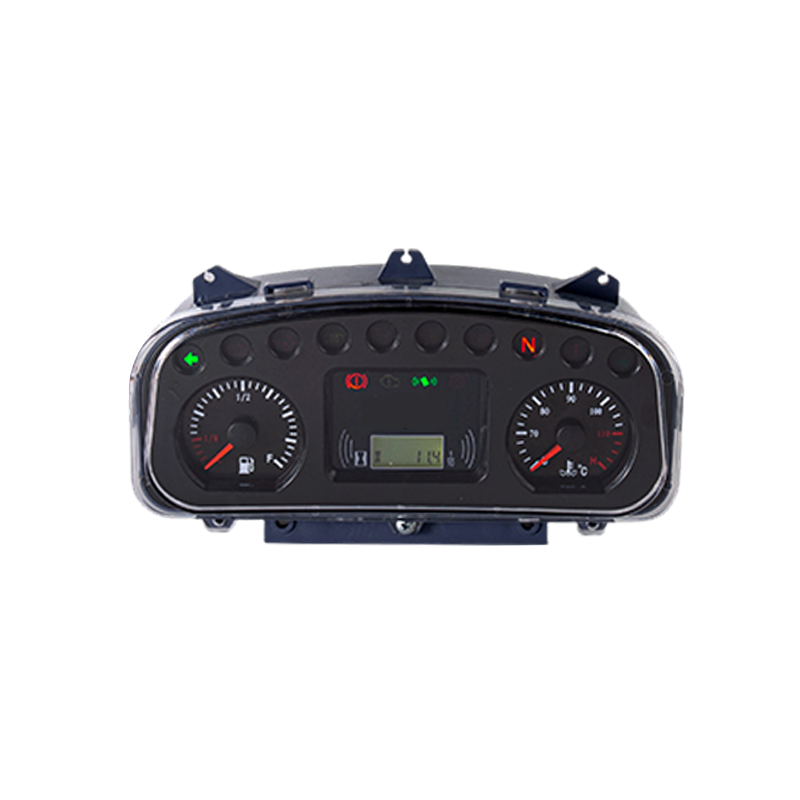
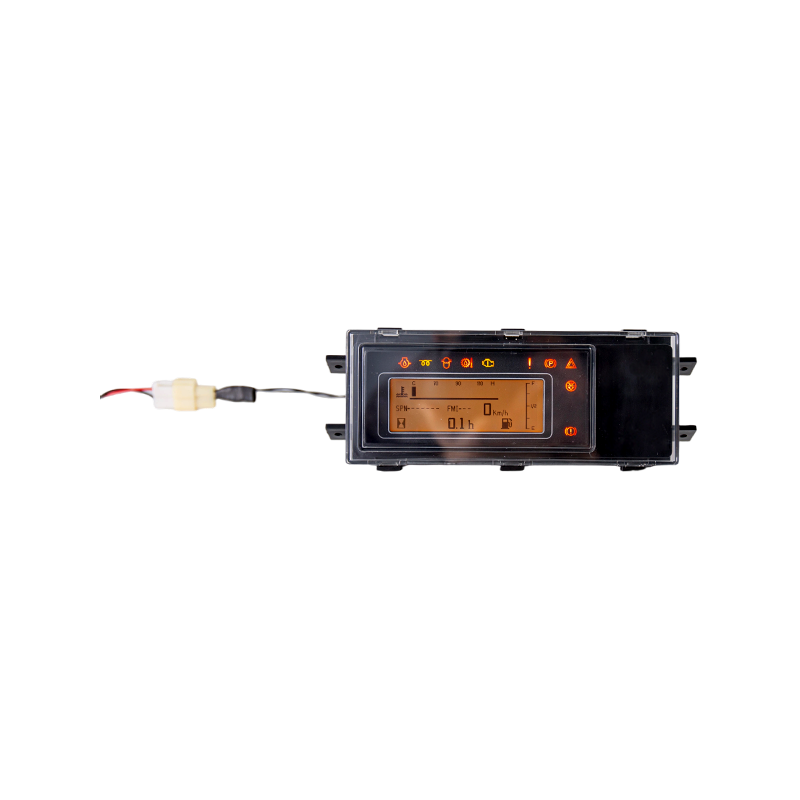
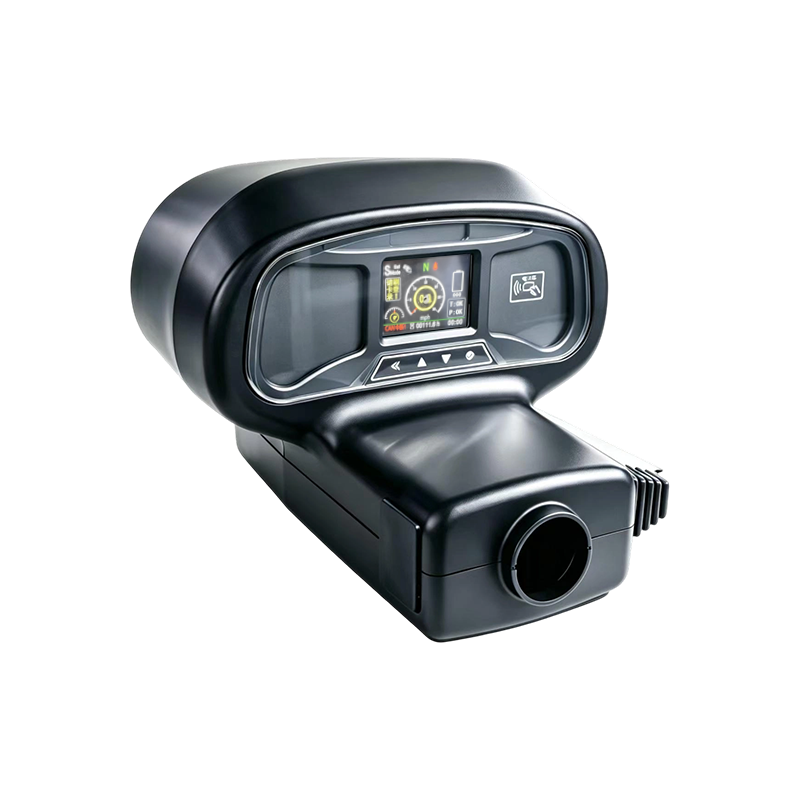
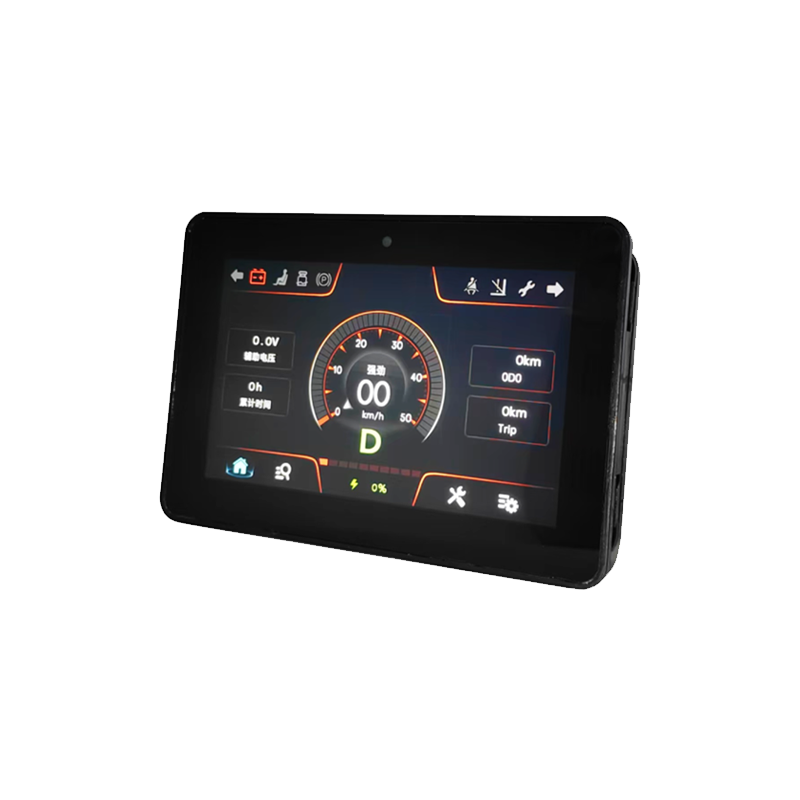
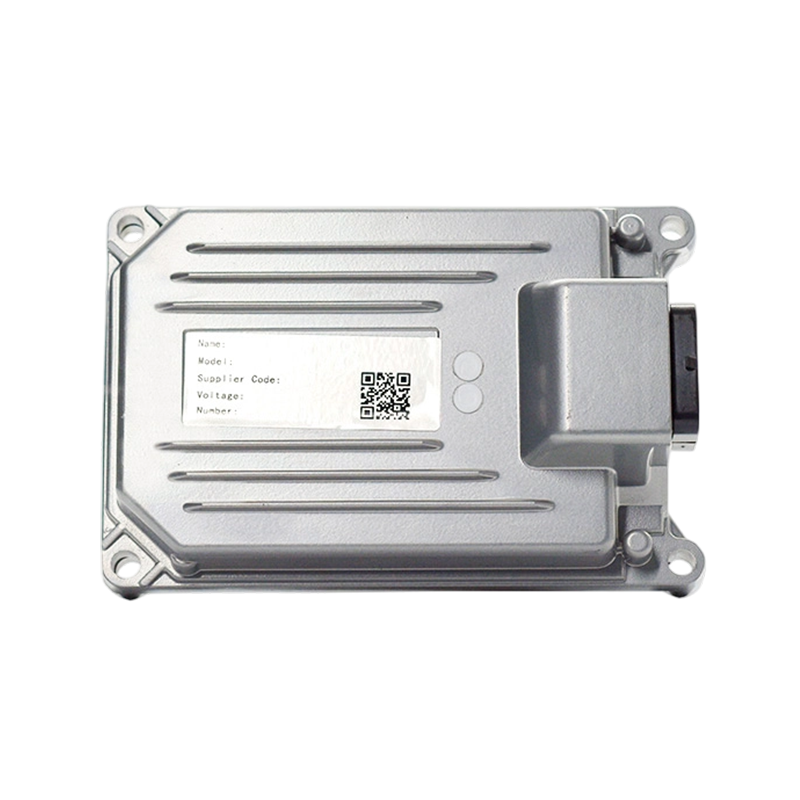
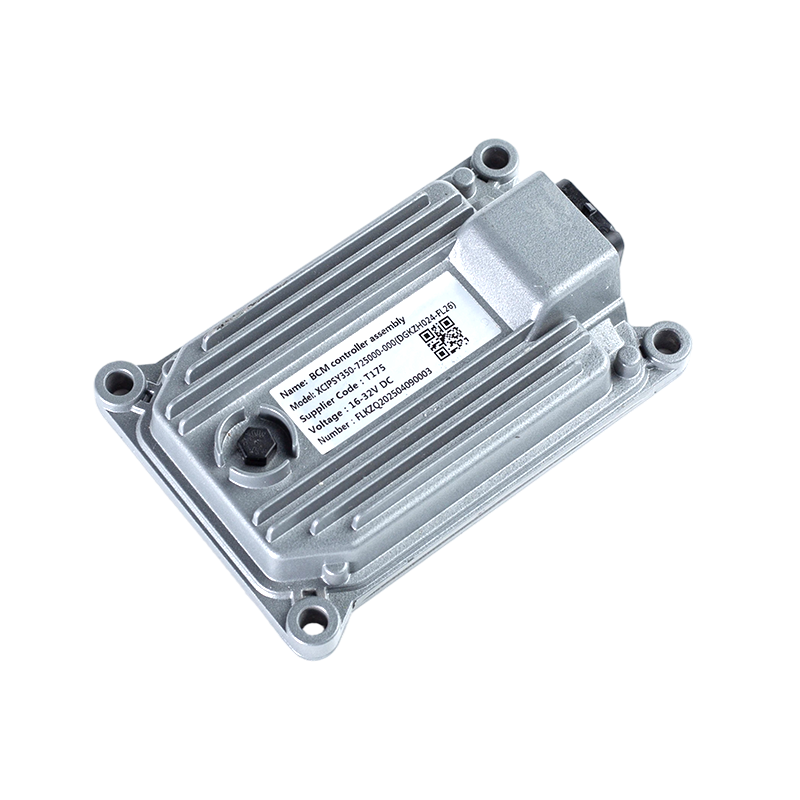
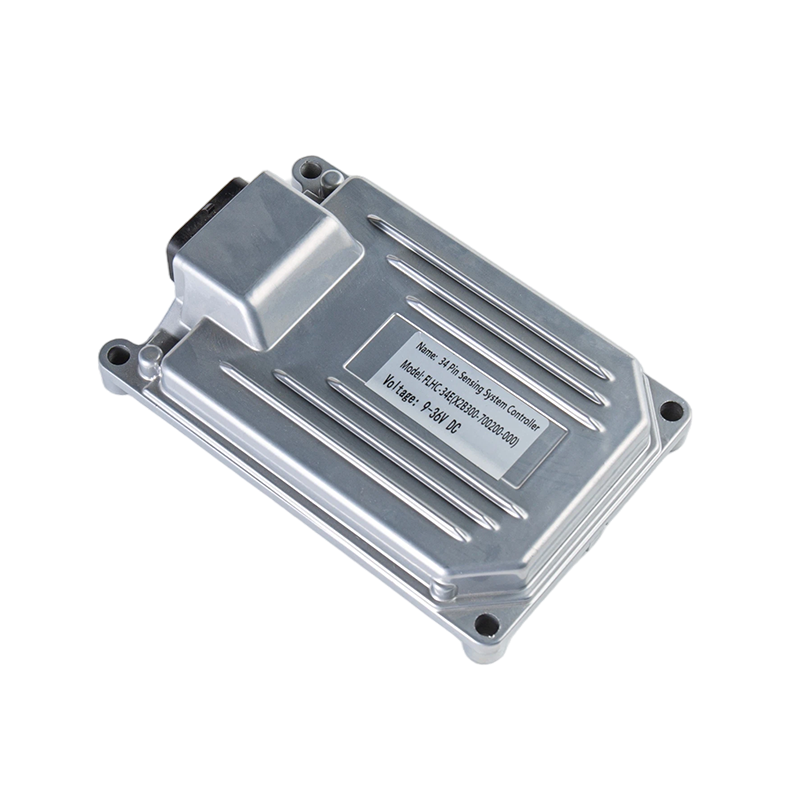

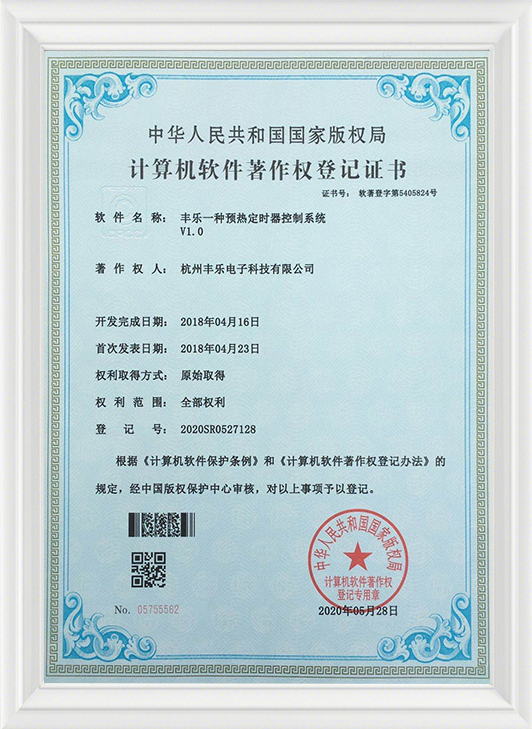
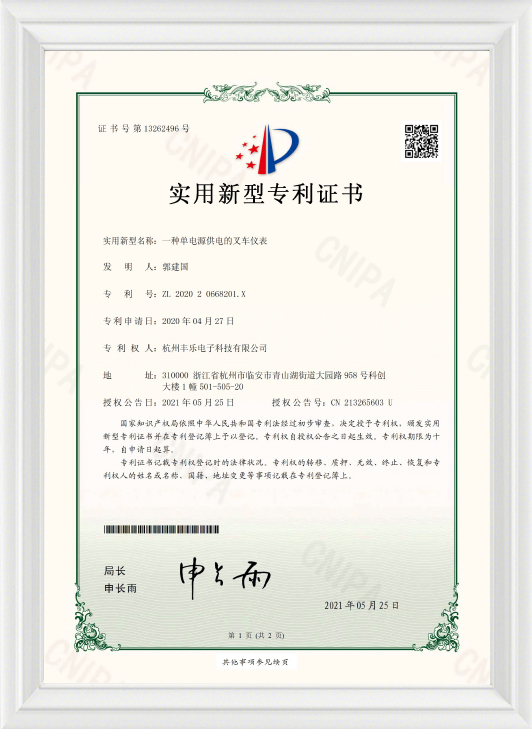
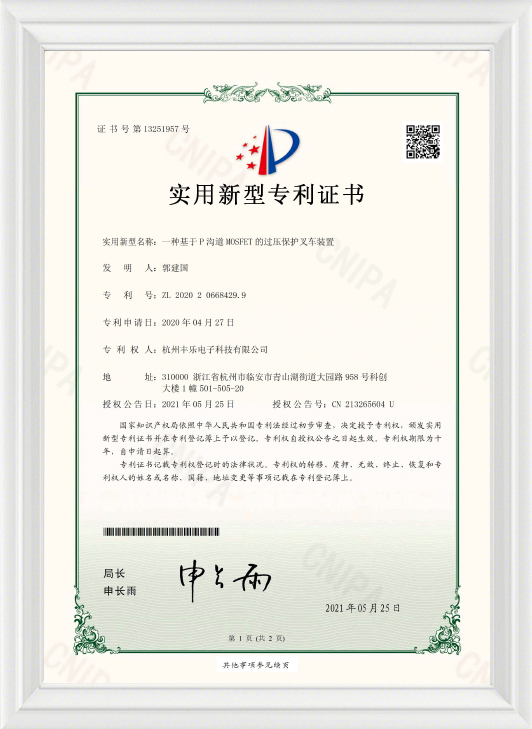
Industrial vehicles, such as forklifts, excavators, agricultural machinery, and mining equipment, operate in some of the most demanding environments on Earth. Behind the seamless operation of these massive machines lies a critical electronic component: the Industrial Vehicle Controller. This article provides a deep dive into the technology, applications, and architectural design of these robust electronic brains, helping procurement managers and engineering teams make informed decisions for their fleets.
1. Introduction to Industrial Vehicle Controllers
An industrial vehicle controller is the central electronic command unit responsible for managing, monitoring, and executing specific operational tasks within heavy engineering vehicles. Unlike standard automotive electronics or commercial computer systems, these devices are specifically engineered to withstand extreme physical and electrical stress.
They act as the brain of the vehicle, processing inputs from various sensors, operators, and safety systems, and translating that data into precise physical movements. From controlling hydraulic valves to managing hybrid powertrain distribution, these controllers ensure high efficiency, safety, and operational precision.
2. Key Technical Classifications and Architectures
Industrial controllers are categorized based on their processing capacity, input and output channel density, and communication capabilities. Selecting the right architecture is vital for optimal vehicle performance.
2.1 Programmable Logic Controllers vs Electronic Control Units
In the industrial vehicle sector, controllers generally fall into two categories:
- Central Electronic Control Units: These are highly integrated units that manage core vehicle dynamics, engine parameters, and complex safety algorithms. They run real-time operating systems to ensure millisecond-level response times.
- Distributed I/O Controllers: These smaller units are placed near specific subsystems, such as the hydraulic block or the cabin dashboard. They collect local sensor data and transmit it back to the central electronic unit, reducing the complexity of the vehicle wire harness.
2.2 Electrical Architecture and Input Output Management
A robust controller must handle diverse signal types simultaneously. These include digital inputs for switch positions, analog inputs for pressure and temperature sensors, and high-frequency pulse inputs for speed tracking. On the output side, pulse width modulation outputs are essential for controlling proportional hydraulic valves smoothly, preventing jerky movements in heavy lifting applications.
3. Crucial Engineering Requirements for Heavy Environments
Engineering vehicles face harsh conditions that would instantly destroy standard electronics. Therefore, industrial vehicle controllers must adhere to strict manufacturing and testing standards.
3.1 Ingress Protection and Sealing
Dust, water, and chemical exposure are constant threats. High-quality controllers feature fully sealed enclosures, often utilizing aluminum die-cast housings with specialized breathable membranes. This allows internal pressure equalization while maintaining high ingress protection ratings, ensuring that moisture cannot condense inside the housing during rapid temperature transitions.
3.2 Vibration and Shock Resistance
Heavy machinery generates massive vibrational forces. Industrial controllers are built with ruggedized printed circuit boards, reinforced connector pins, and potting compounds that encapsulate the internal electronics. This structural design prevents solder joint cracking and component detachment during continuous operation on rough terrain.
3.3 Electromagnetic Compatibility
The electrical system of an engineering vehicle is notoriously noisy. High-power starters, alternators, and electric motors generate significant electromagnetic interference. Vehicle controllers must feature robust internal filtering, transient voltage suppression diodes, and shielded enclosures to prevent data corruption or unexpected system resets.
4. Technical Comparison of Controller Specifications
To help engineering teams choose the correct hardware platform, the table below outlines the typical technical differences between standard, mid-range, and high-tier vehicle controllers.
| Controller Tier | Core Processor Type | Typical Input Channels | Typical Output Channels | Communication Interfaces | Primary Application Areas |
|---|---|---|---|---|---|
| Compact Tier | 16 Bit Microcontroller | 8 to 16 Channels | 4 to 8 Channels | Single CAN bus line | Small attachment control and simple cabin monitoring |
| Advanced Tier | 32 Bit High Speed Processors | 16 to 32 Channels | 12 to 24 Channels | Dual CAN bus lines and LIN bus | Forklift traction control and medium hydraulic systems |
| Premium Tier | Dual Core Safety Processors | 32 to 64 Channels | 24 to 48 Channels | Multiple CAN lines and Ethernet | Autonomous mining trucks and complex excavators |
5. Main Application Scenarios in Modern Engineering Vehicles
Industrial vehicle controllers are deployed across a wide range of industries, each requiring specific software parameters and hardware configurations.
5.1 Material Handling Equipment
In electric forklifts and reach trucks, the controller governs the synchronization between traction motors and hydraulic lifting pumps. It implements precise speed acceleration curves, prevents rollback on ramps, and monitors battery discharge levels to optimize energy usage.
5.2 Earthmoving and Construction Machinery
For excavators and loaders, the controller dynamically manages the hydraulic pump torque based on engine load. By continuously adjusting the proportional valves, it allows operators to execute smooth, multi-axis movements, improving cycle times and reducing fuel consumption.
5.3 Agricultural and Forestry Vehicles
In tractors and harvesters, controllers interface with automated steering systems and implement control networks. This integration ensures that attachments work in perfect harmony with the vehicle ground speed, enabling high precision farming.
6. Technical and Service Advantages of Hangzhou Fengle Electronic Technology Co Ltd
When selecting a manufacturing partner for industrial vehicle electronics, technical expertise and reliable production processes are critical. Hangzhou Fengle Electronic Technology Co Ltd delivers industry leading solutions through the following distinct advantages:
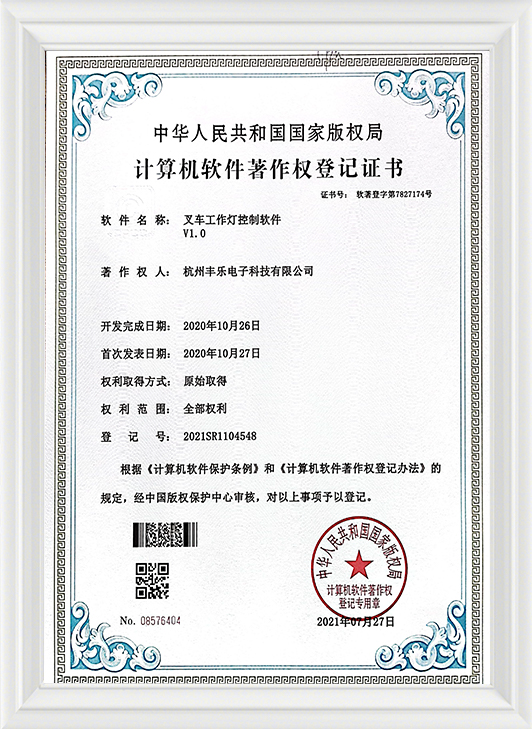
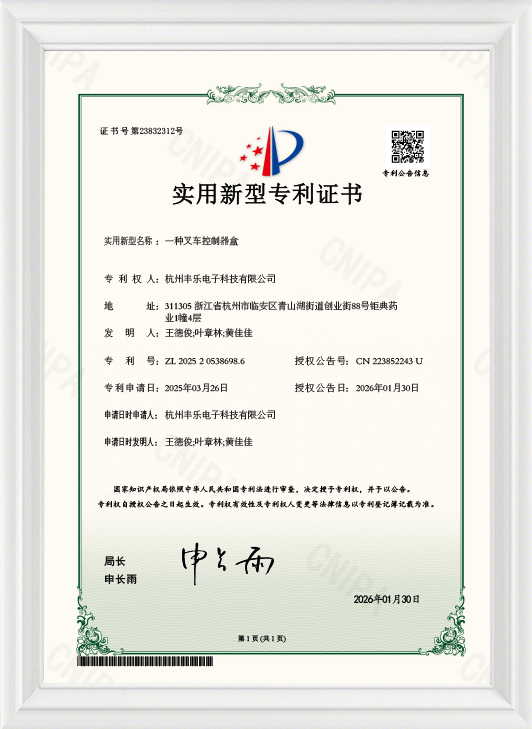
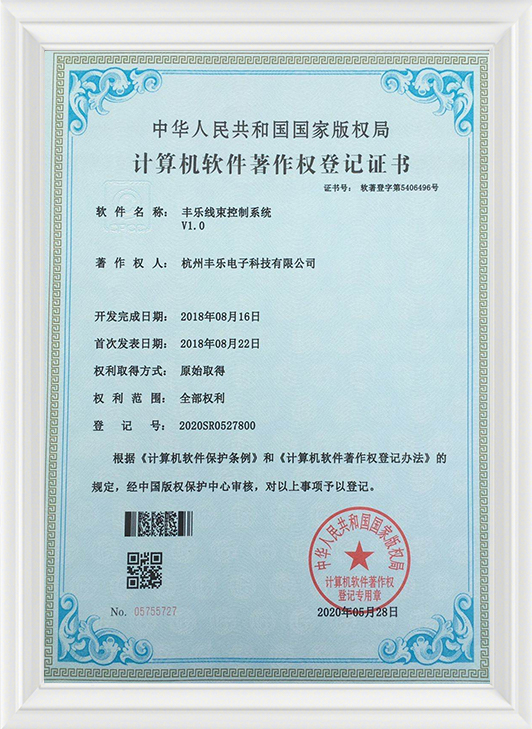
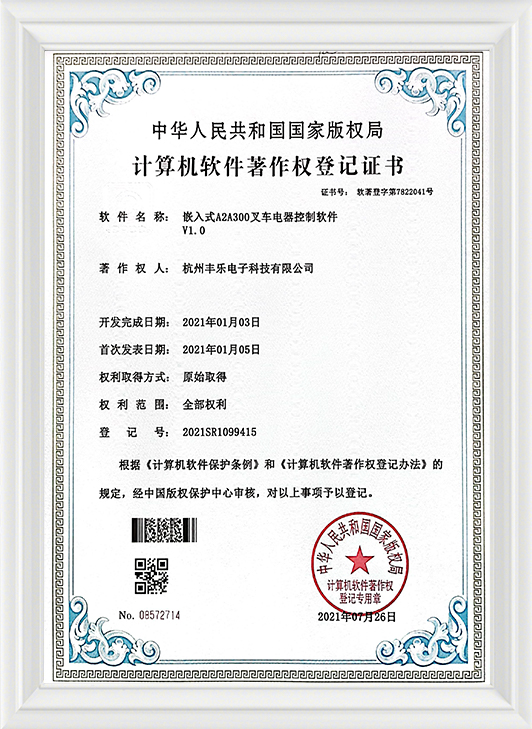
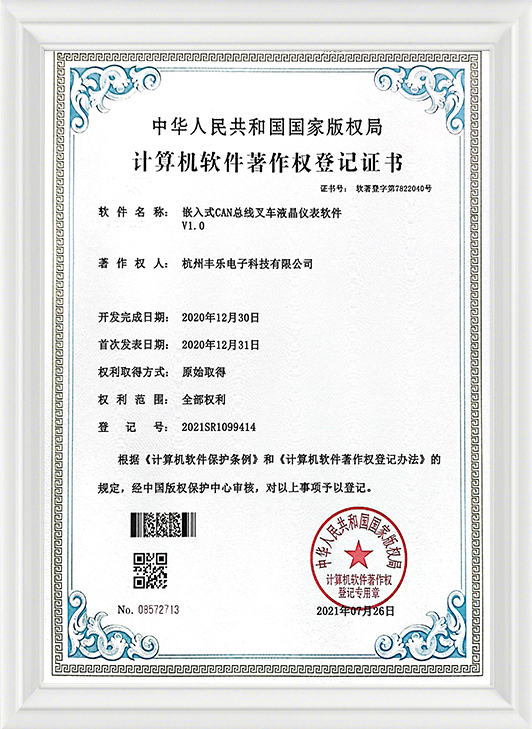
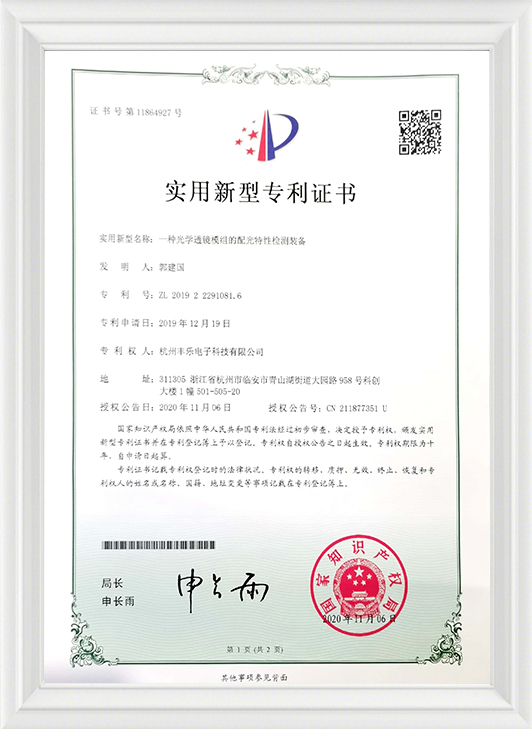
- Comprehensive Engineering Integration: As a national high-tech enterprise, the company seamlessly integrates design, research, development, production, and sales. This end-to-end control guarantees that every product aligns perfectly with client technical specifications.
- Advanced Customization Capabilities: Recognizing that no two engineering vehicles are identical, the company provides highly reliable, tailored solutions. Hardware layouts and software algorithms can be adjusted to meet specific operational requirements.
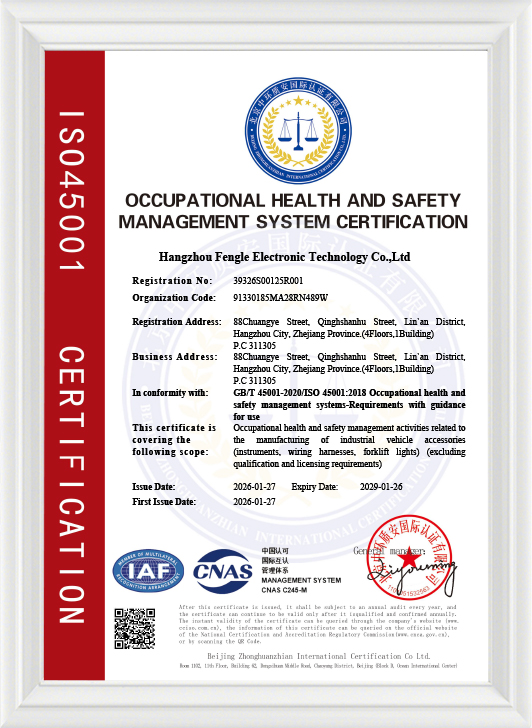
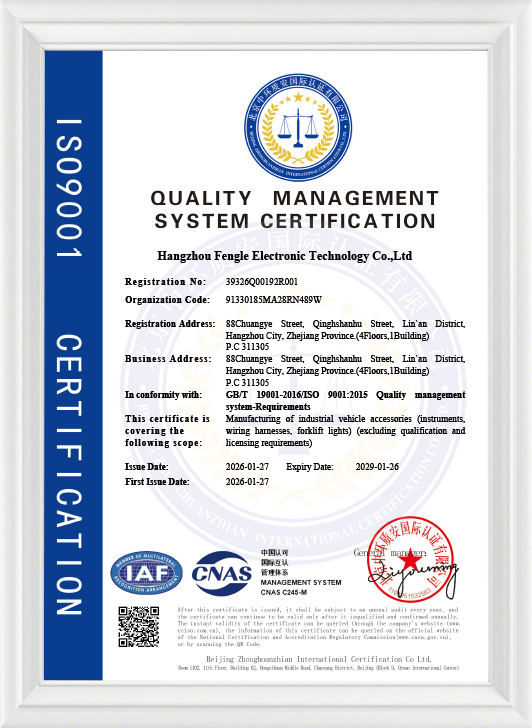
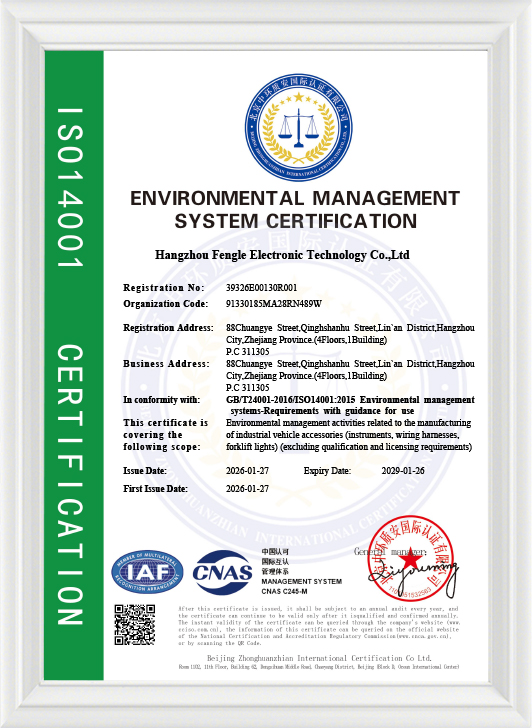
- Rigorous Quality Management System: Every controller undergoes strict environmental stress screening, functional testing, and vibration testing to ensure long-term dependability in the field.
- Robust Technical Support: Clients receive comprehensive product lifecycle support, from initial schematic evaluations and prototype development to large-scale deployment and field optimization.
7. Frequently Asked Questions Regarding Vehicle Controllers
FAQ 1: How do industrial vehicle controllers communicate with other parts of the machine?
Most modern units utilize the Controller Area Network bus protocol, commonly referred to as CAN bus, along with higher-level protocols like J1939. This allows different modules, such as the engine, transmission, and display, to share high-speed data over a single pair of wires, reducing cabling complexity.
FAQ 2: What is the purpose of using dual-core processors in high-tier controllers?
Dual-core processors are often used to meet strict functional safety requirements. One core handles the main application logic, while the second core independently verifies the calculations. If a discrepancy is detected, the system safely shuts down or enters a limp-home mode to prevent accidents.
FAQ 3: Can these controllers operate safely in extreme winter or summer conditions?
Yes, industrial grade vehicle controllers are engineered using specialized automotive components that allow them to function reliably across a broad temperature spectrum, typically ranging from minus 40 to plus 85 degrees Celsius.
FAQ 4: How are software updates managed on these units after vehicle deployment?
Software updates are usually performed via the CAN bus interface using a diagnostic tool, or through integrated wireless telematics modules that allow fleet managers to deploy firmware over the air, saving significant maintenance time.
FAQ 5: What is proportional output control and why is it important for hydraulics?
Proportional control involves varying the electrical current sent to a hydraulic solenoid valve rather than just turning it fully on or fully off. This allows the controller to regulate fluid flow smoothly, giving the operator precise command over lifting, tilting, and rotating mechanisms.

