


 русский
  Español
  中文简体
中文简体

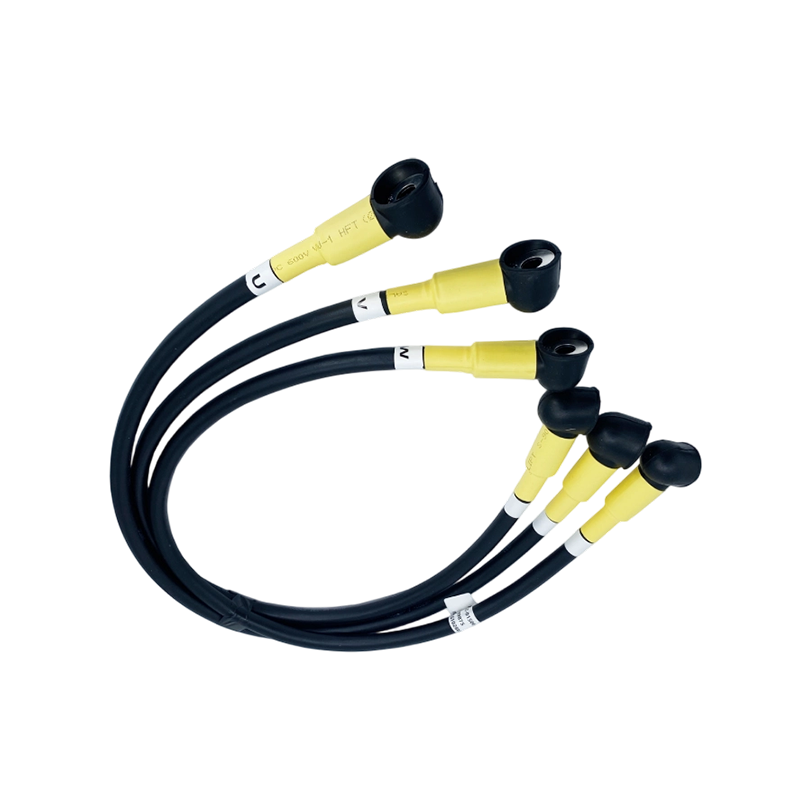
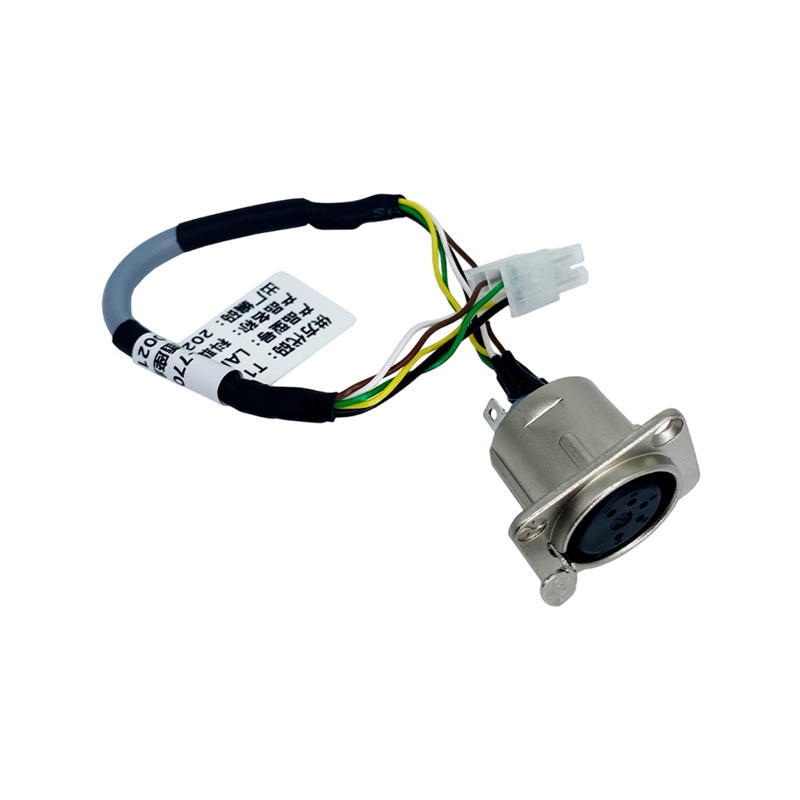
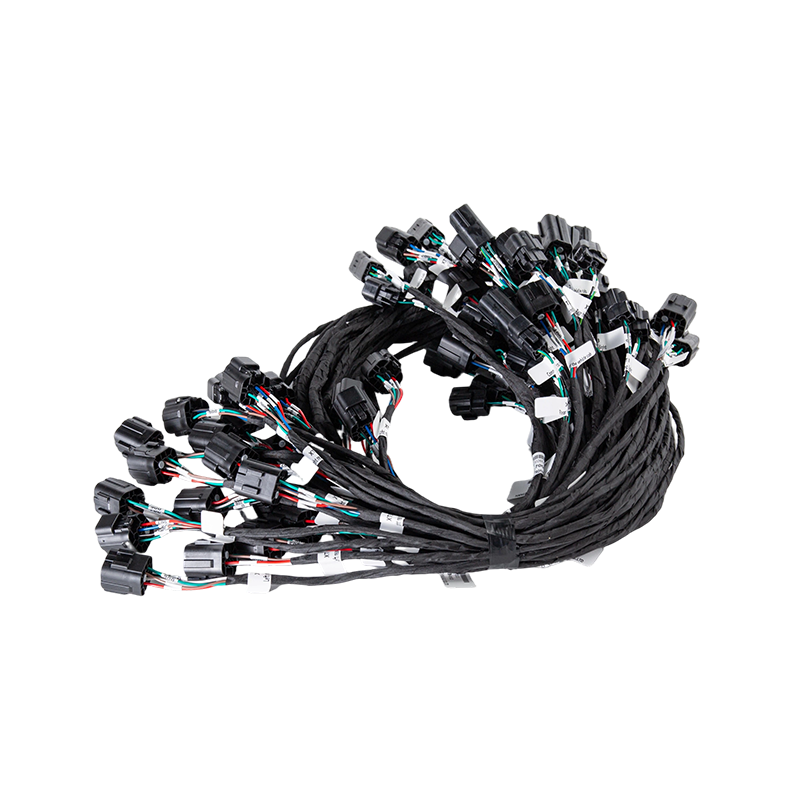
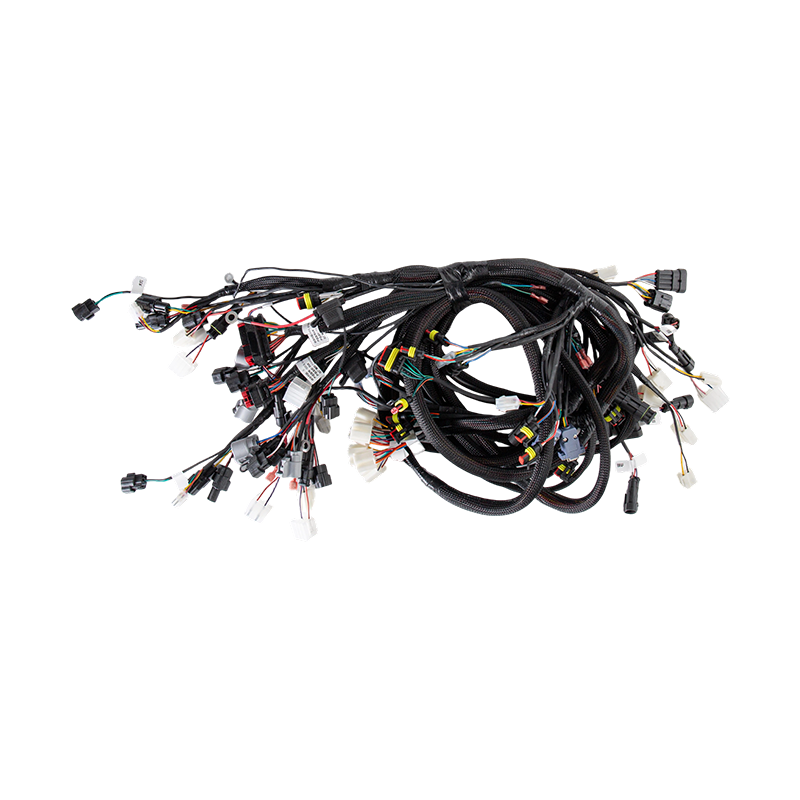
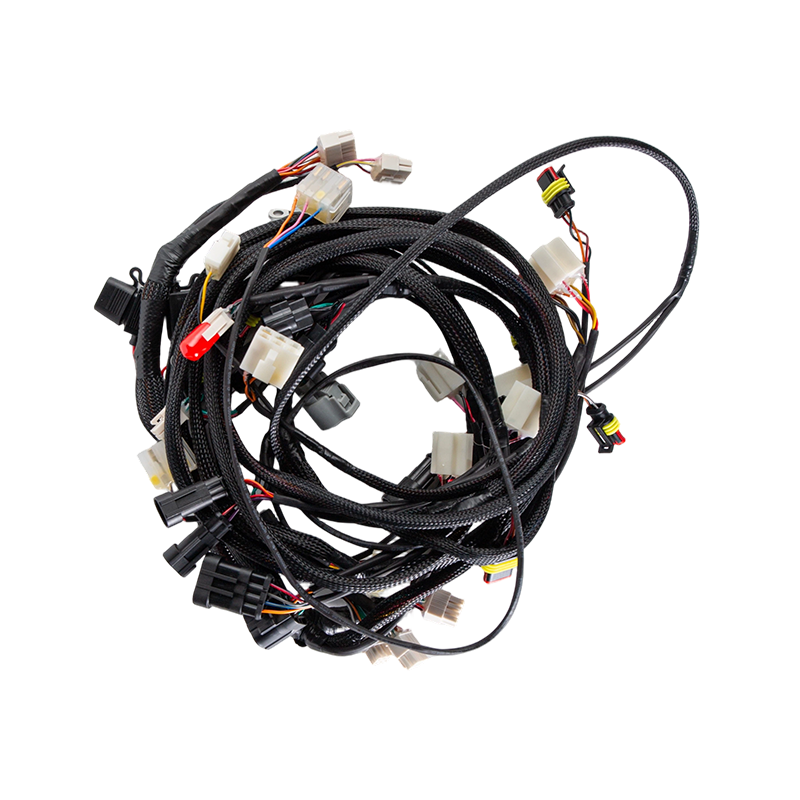
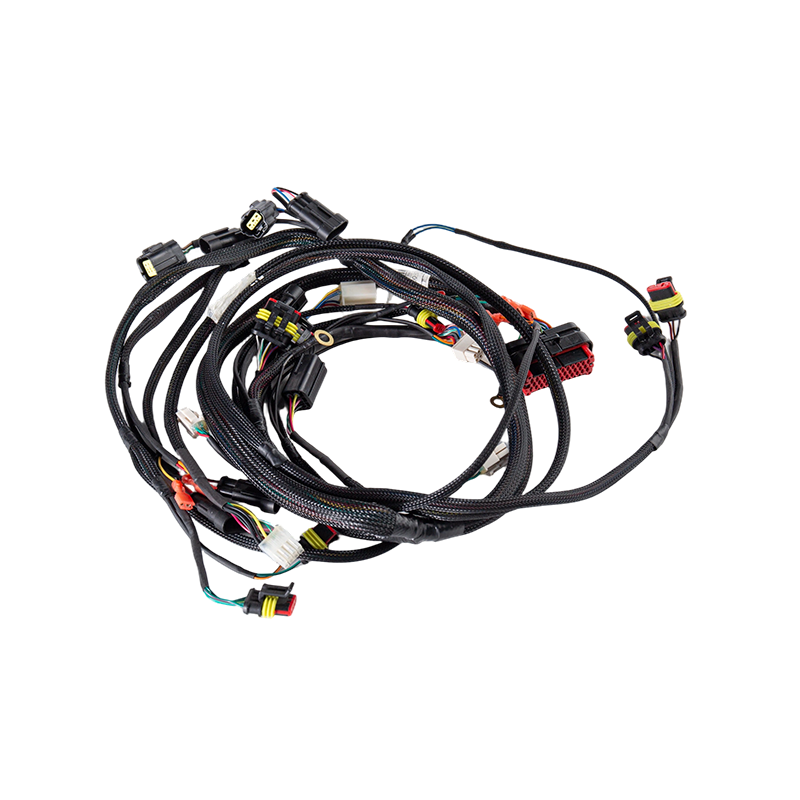
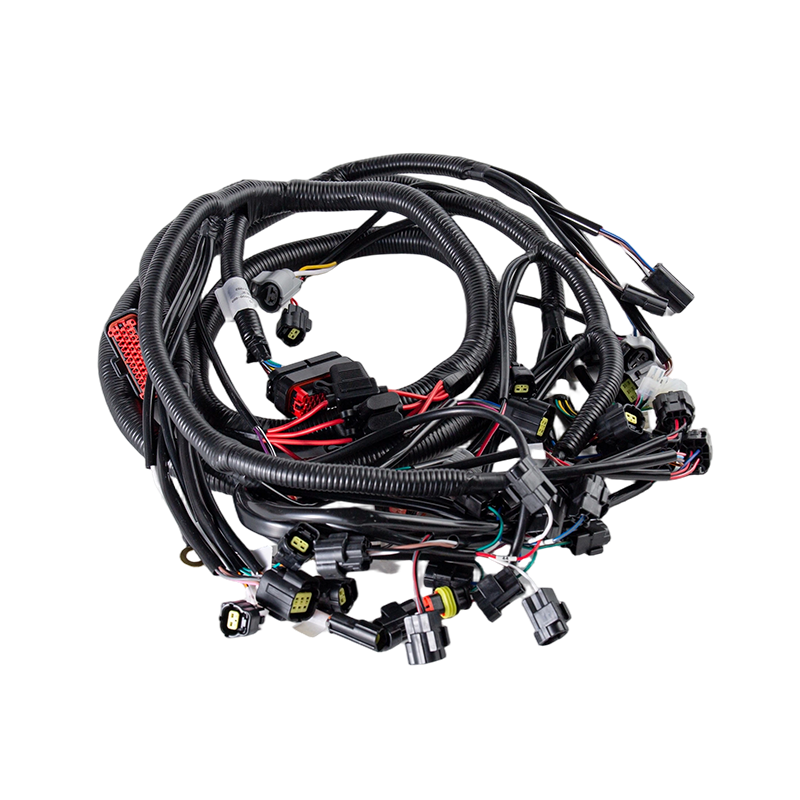
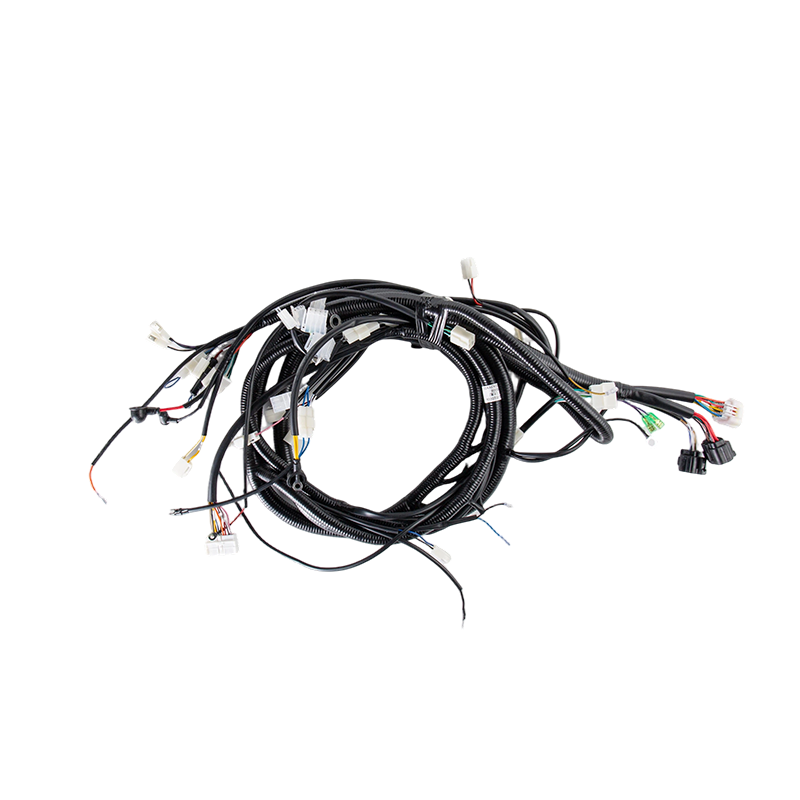

1 Comprehensive Engineering Knowledge of Wire Harness for Industrial Vehicles
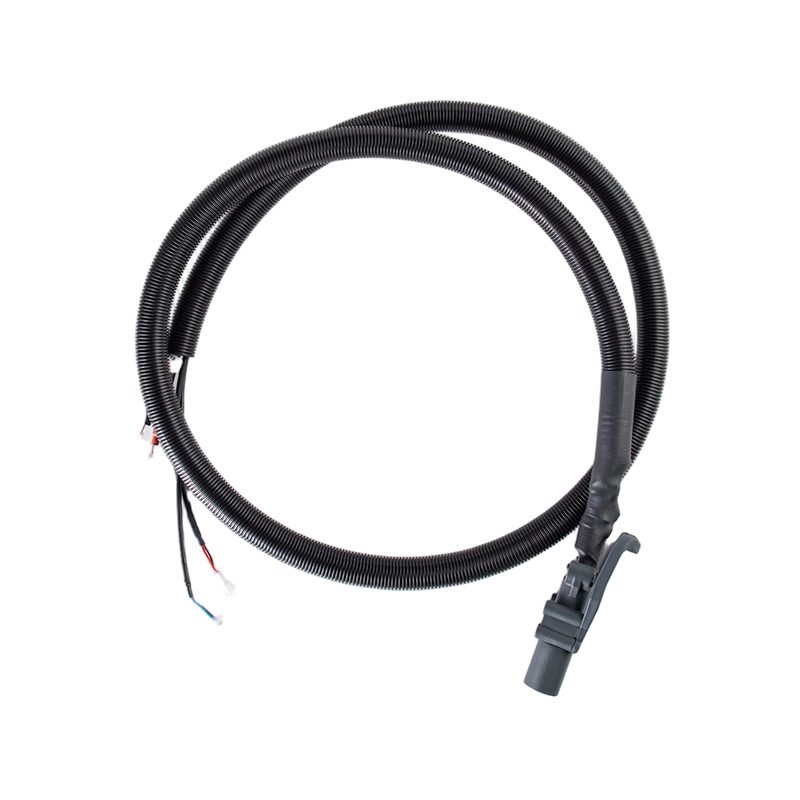
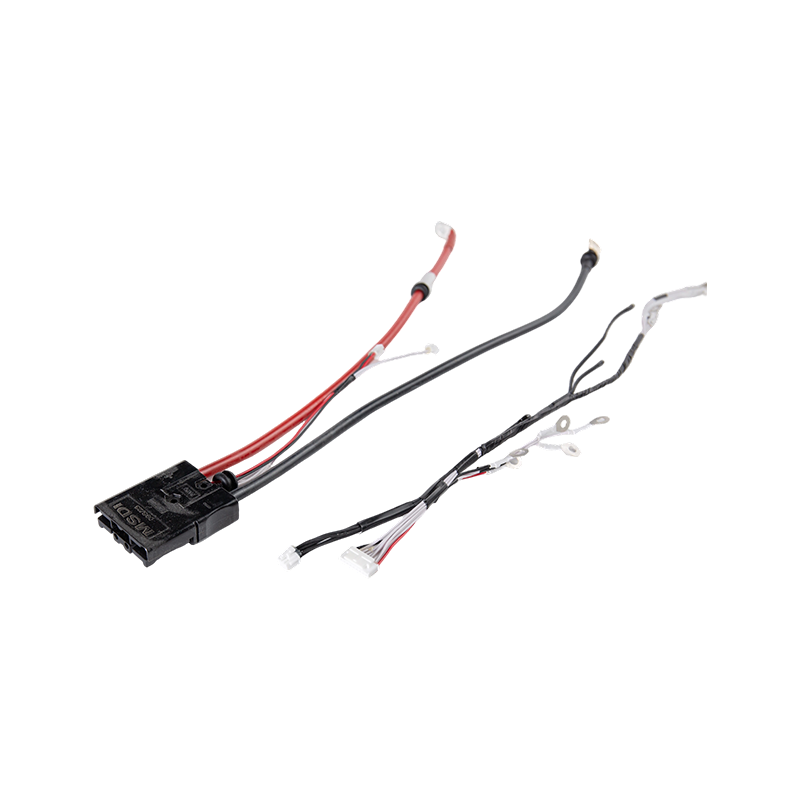
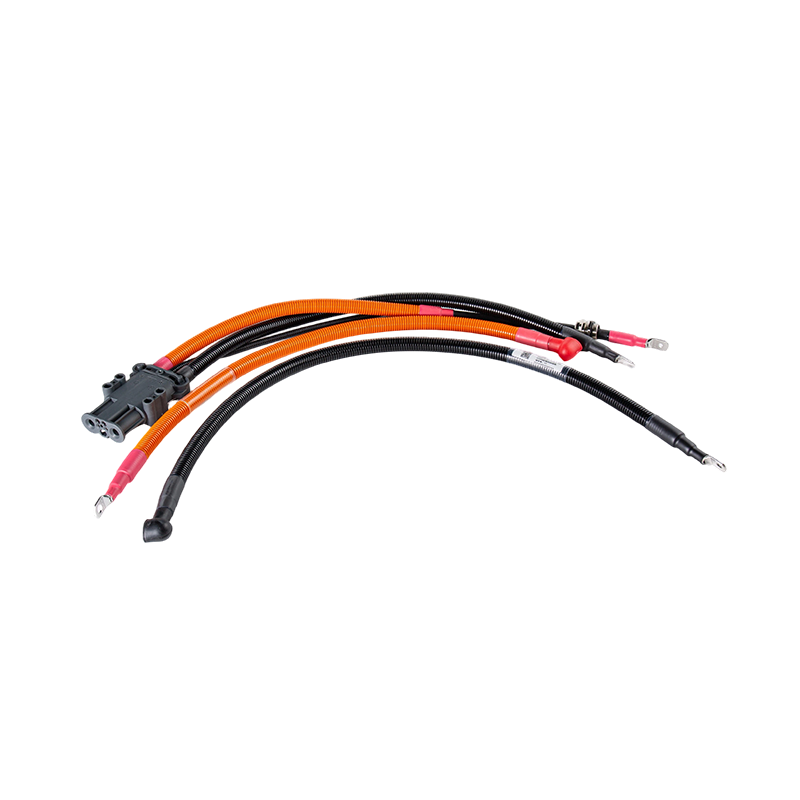
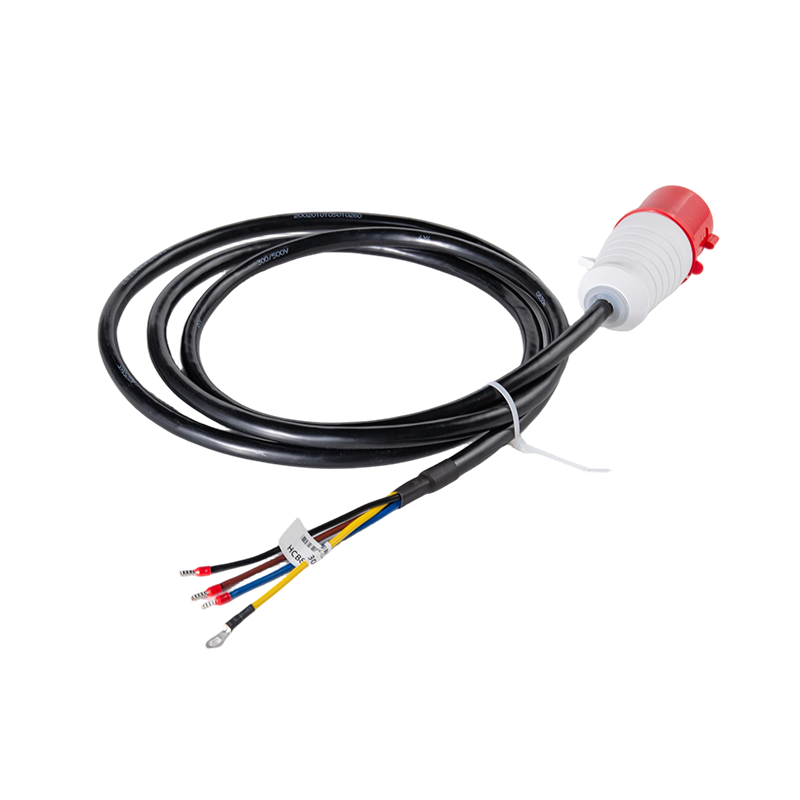
An industrial vehicle wire harness is the central electrical distribution network that supports power transmission and signal communication across heavy equipment. In industrial and engineering vehicles, the wire harness operates under extreme mechanical and environmental conditions, requiring rigorous engineering standards that far exceed standard passenger vehicle requirements.
1.1 Structural Components and Materials
The integrity of an industrial wire harness depends on the selection of heavy duty materials capable of resisting physical wear and chemical exposure.
- Conductors and AWG Selection: High conductivity tinned copper or specialized high strength aluminum alloys are utilized to manage power distribution. Wire gauge sizes are calculated based on continuous current carrying capacity and voltage drop limitations across long distances.
- Insulation Layers: Primary wire insulation typically uses Cross linked Polyethylene or Polyvinyl Chloride with enhanced thermal ratings to prevent insulation degradation near high heat zones like heavy engines and hydraulic systems.
- Protective Outer Sleevings: To secure wire bundles against continuous physical impact, harnesses are encased in split side convoluted tubing, high temperature woven nylon braiding, or heavy duty corrugated conduits. These materials prevent abrasion from moving mechanical joints and protect against dirt, grease, and hydraulic fluids.
- Connectors and Terminals: Industrial grade sealed connectors with high Ingress Protection ratings are critical. These components utilize robust locking mechanisms to maintain secure electrical contact despite constant machine vibration.
1.2 Severe Environmental Challenges
Industrial vehicles operate in unforgiving territories where sub component failures cause extensive operational downtime. Wire harnesses must be engineered to withstand four primary environmental threats.
2 Technical Specifications and Industrial Standardization
Engineering a high quality wire harness requires strict adherence to international industrial protocols. These standards dictate material testing, crimp quality, pull out force values, and signal insulation to guarantee seamless integration with vehicle Electronic Control Units and Battery Management Systems.
The table below outlines the core standards applied to heavy duty industrial vehicle wire harnesses:
| Evaluation Category | Standard Benchmark | Engineering Specifications and Requirements |
|---|---|---|
| Workmanship Quality | IPC WHMA A 620 Class 3 | Strict criteria for wire stripping, terminal crimp geometry, ultrasonic splice integrity, and overall harness insulation workmanship. |
| Low Voltage Cabling | SAE J1128 / SAE J1127 | Specifies thermal, mechanical, and electrical parameters for primary low voltage cables and heavy duty battery cables. |
| Environmental Sealing | IEC 60529 (IP67 / IP69K) | Defines resistance to dust entry and water ingress, specifically validating survival under high pressure steam cleaning. |
| Flammability Rating | UL94 V0 | Requires outer conduits, heat shrink tubing, and connector housings to be self extinguishing to prevent electrical fire spread. |
| Signal Communication | SAE J1939 11 | Sets exact physical layer shielded twisted pair requirements for the Controller Area Network bus to avoid electromagnetic noise. |
3 Professional Manufacturing and Testing Processes
Transforming complex electrical schematics into a functional, rugged wire harness involves an advanced manufacturing process combined with exhaustive automated validation.
3.1 Advanced Fabrication Steps
- Automated Wire Preparation: Precision computer numeric control machinery cuts, strips, and marks each wire with laser or inkjet identifiers, ensuring error free tracking and assembly alignment.
- Terminal Crimping and Splicing: Terminals are compressed onto conductors using automated crimping presses equipped with real time crimp force monitoring. Critical circuit junctions utilize ultrasonic welding instead of traditional soldering to provide maximum mechanical strength and lowest electrical resistance.
- Harness Bundling and Protection: Wires are laid out systematically on customized formboards, bundled with specialized ties, and fed into heavy duty conduits or braided jackets based on localized routing requirements.
3.2 Rigorous Validation Protocols
Before a harness leaves the manufacturing facility, it undergoes multiple quality verification stages:
- Electrical Continuity Testing: Automated testing fixtures check every circuit path for open circuits, short circuits, or miswiring.
- Insulation Resistance Testing: High voltage insulation tests ensure that wire coatings can safely contain designated currents without leakage.
- Mechanical Pull Force Tests: Destructive and non destructive pull tests verify that crimped terminals adhere strictly to standard pullout force thresholds.
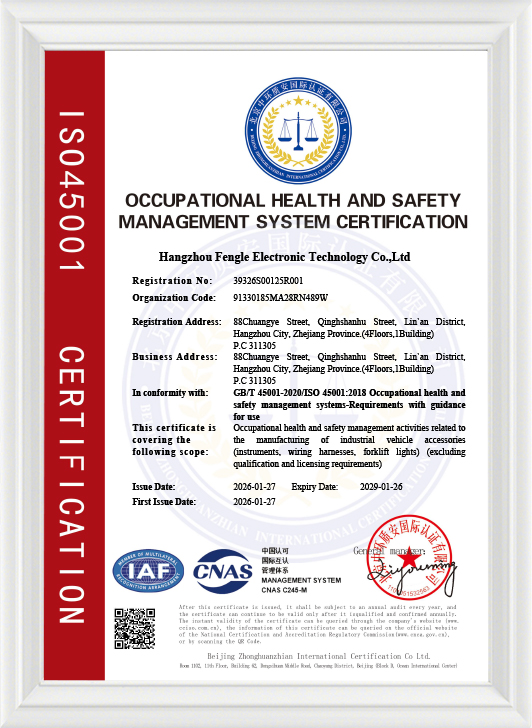
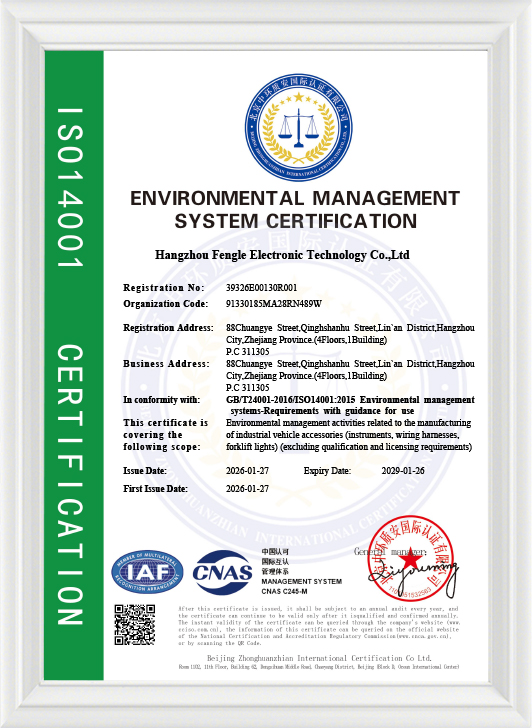
4 Engineering Service Advantages of Hangzhou Fengle Electronic Technology Co Ltd
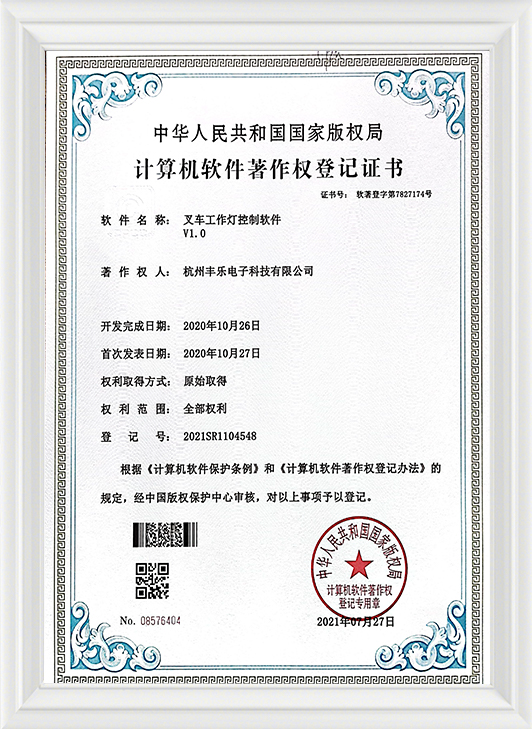
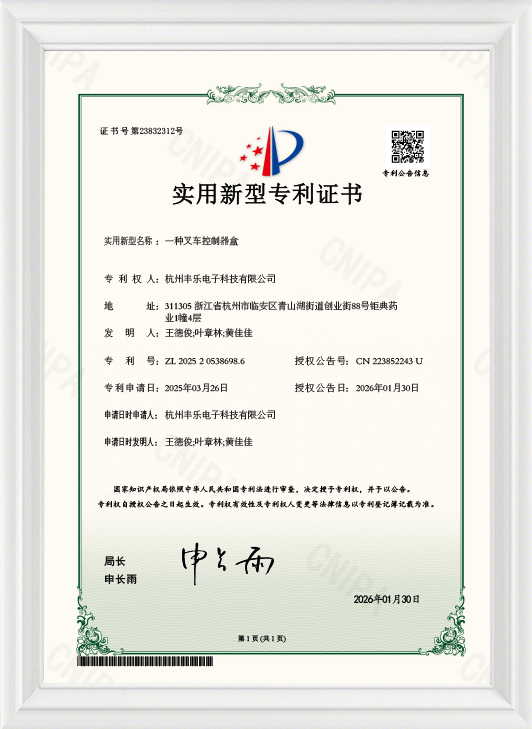
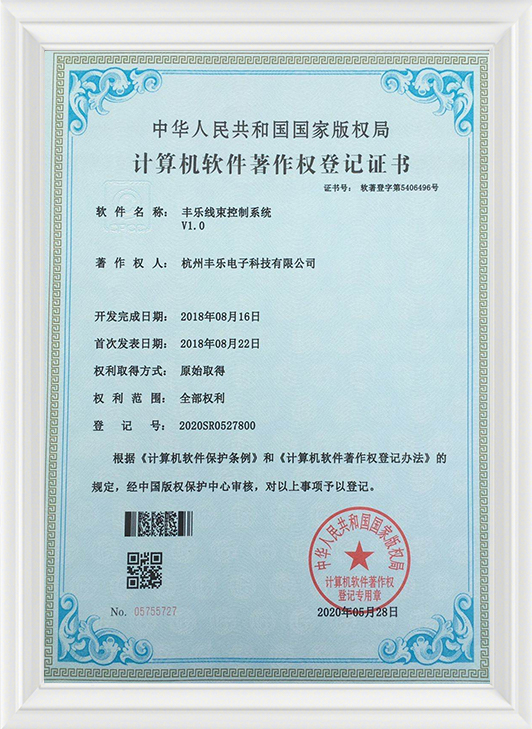
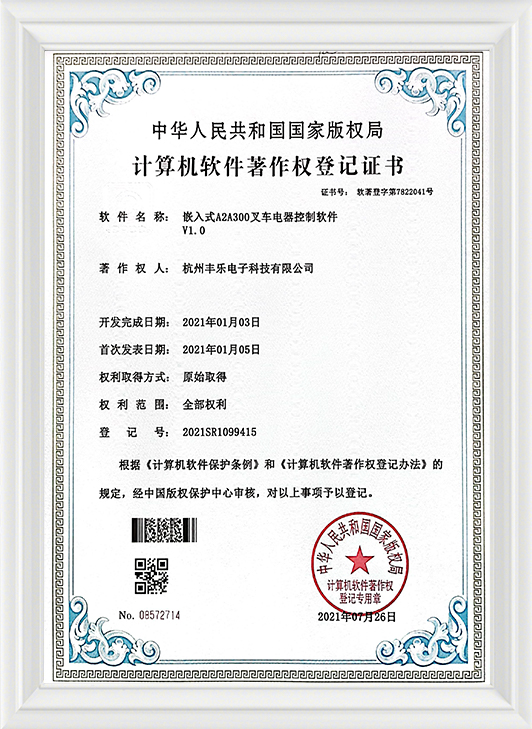
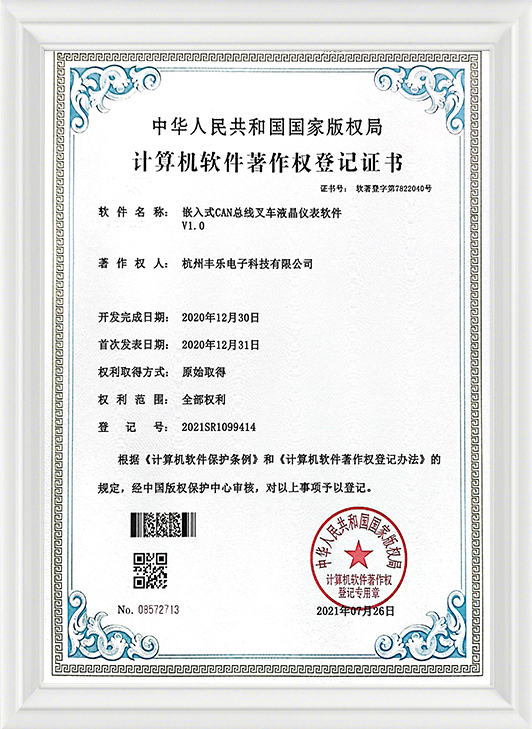
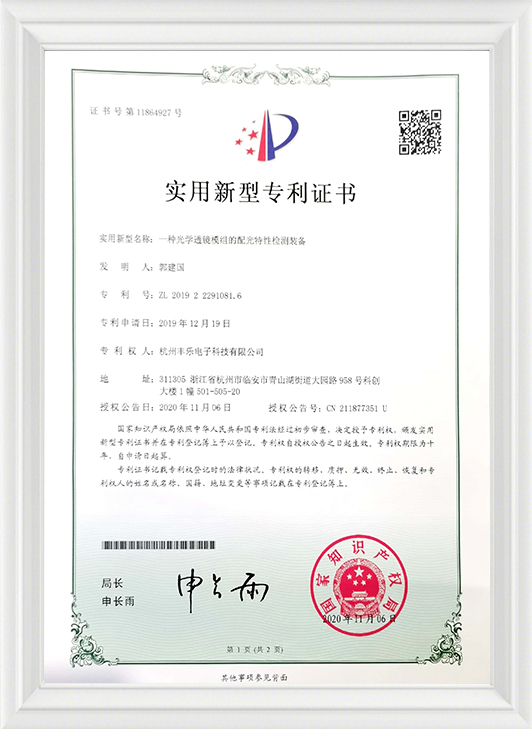
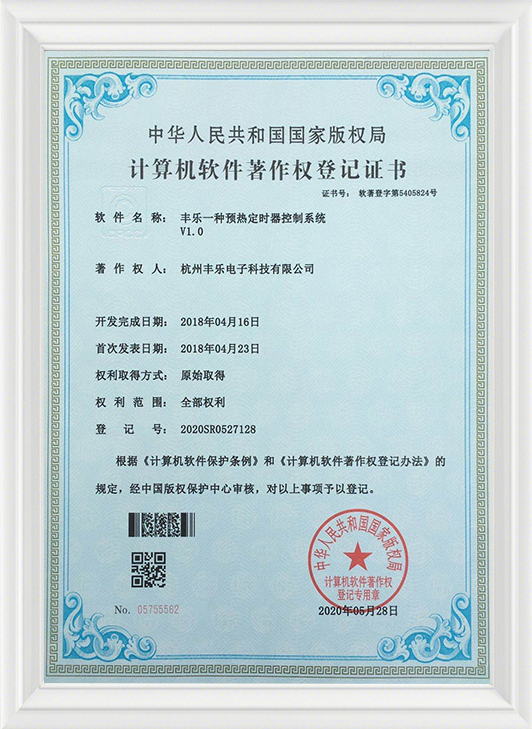
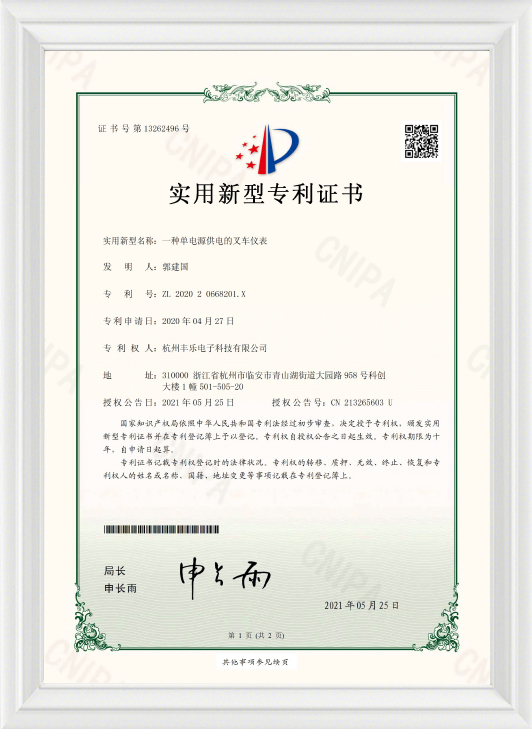
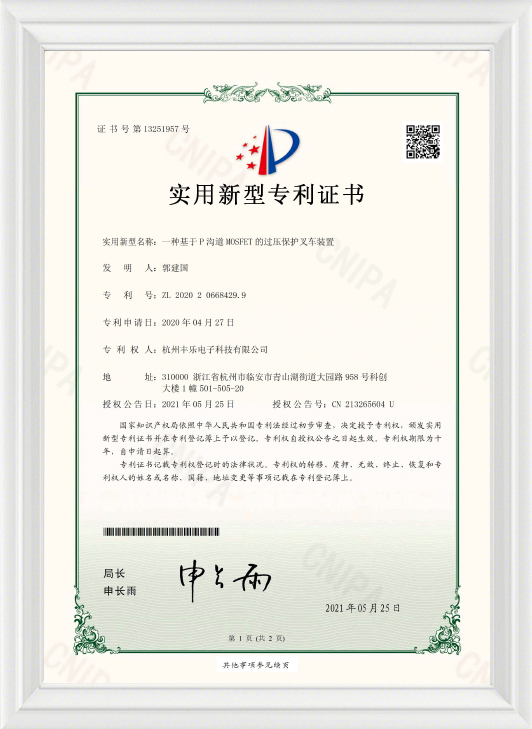
As a recognized national high tech enterprise, Hangzhou Fengle Electronic Technology Co Ltd provides a seamless vertical integration of design, research, production, and technical sales. We specialize in tailoring ruggedized electrical solutions for engineering vehicles and complex electronic systems.
4.1 Advanced Custom Engineering Design
Our dedicated research and development team collaborates closely with your engineers from the initial schematic phase. We analyze the unique layout, spatial constraints, and mechanical movements of your vehicle chassis to create optimized wire routing plans, selecting the exact gauges, shieldings, and connectors required for your specific industrial application.
4.2 Comprehensive In House Production Control
By leveraging state of the art automated manufacturing systems, Hangzhou Fengle Electronic Technology Co Ltd maintains full control over every step of production. From computer controlled wire processing to strict crimp force tracking and ultrasonic splice validation, our processes are optimized to eliminate human error and secure absolute production consistency.
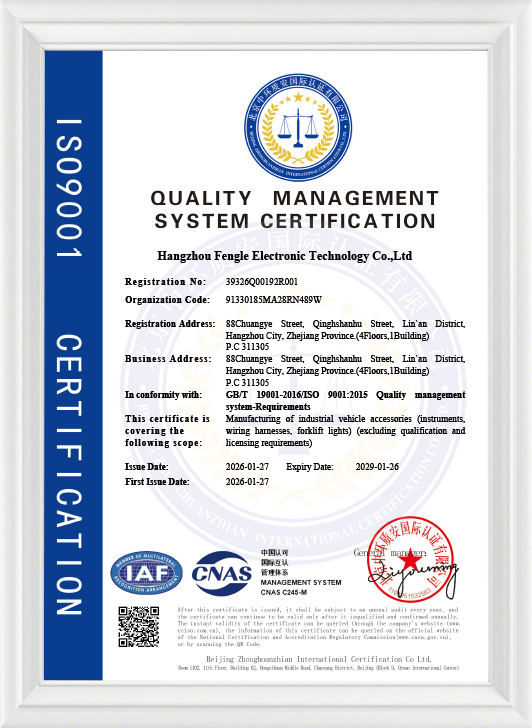
4.3 Rigorous Quality Assurance System
Quality is deeply integrated into our corporate culture. We execute a comprehensive quality management strategy where every single wire harness undergoes computerized electrical testing, physical stress inspections, and environmental verification. This approach ensures zero defect shipments and maximizes field operational lifespans.
4.4 Agile Supply Chain and Scalable Manufacturing
We recognize the dynamic requirements of global industrial OEMs. Our manufacturing lines are built for flexibility, enabling us to manage low volume high mix custom prototype projects just as efficiently as large scale mass production runs, while consistently maintaining stable lead times and reliable delivery schedules.
4.5 Lifelong Technical Support and Collaboration
Our commitment to our clients extends far beyond delivery. Hangzhou Fengle Electronic Technology Co Ltd provides dedicated technical assistance throughout your vehicle installation, field testing, and subsequent system upgrades, positioning our team as a dependable long term strategic partner for your business.
5 Industry Frequently Asked Questions
5.1 FAQ 1 What parameters determine wire insulation material choice for industrial vehicles
The choice depends on localized operating temperature, chemical exposure, and mechanical routing. For high heat zones near engines, Cross linked Polyethylene is favored for its high thermal threshold. For areas prone to tight bending, specialized flexible Polyvinyl Chloride or polyurethane jacketing is selected to prevent physical cracking over time.
5.2 FAQ 2 Why is ultrasonic welding preferred over soldering for wire splices
Ultrasonic welding fuses metal conductors at a molecular level using high frequency acoustic vibrations. This creates a solid, uniform bond with virtually zero electrical resistance. Unlike soldering, it introduces no brittle foreign materials and eliminates the risks of cold joints, making the splice highly resistant to constant heavy machine vibrations.
5.3 FAQ 3 How do IP67 and IP69K ratings affect wire harness connector selection
An IP67 rating ensures that a connector is fully dust tight and can survive temporary immersion in water. An IP69K rating signifies that the connection can withstand close range, high pressure, and high temperature washdowns. Engineering vehicles frequently exposed to mud, rain, and heavy cleanings require IP69K sealed connectors to prevent water ingress and pin corrosion.
5.4 FAQ 4 How does the wire harness shield sensitive CAN bus lines from interference
Industrial vehicles generate high electromagnetic interference from alternators, electric motors, and switching relays. To protect sensitive Controller Area Network communication signals, the wire harness utilizes shielded twisted pair cabling according to SAE J1939 standards. The twisting cancels out differential noise, while the outer metallic shielding drains away external electromagnetic interference.
5.5 FAQ 5 What is the difference between Class 1 Class 2 and Class 3 assembly standards
Per IPC WHMA A 620, Class 1 applies to general consumer electronics where cosmetic finish is secondary. Class 2 covers dedicated service electronics like televisions or home appliances where extended life is expected but not critical. Class 3 represents high performance or harsh environment products, where continuous performance is mandatory, equipment downtime cannot be tolerated, and environmental conditions are exceptionally severe, which is the standard applied by Hangzhou Fengle Electronic Technology Co Ltd.

