


 русский
  Español
  中文简体
中文简体

-
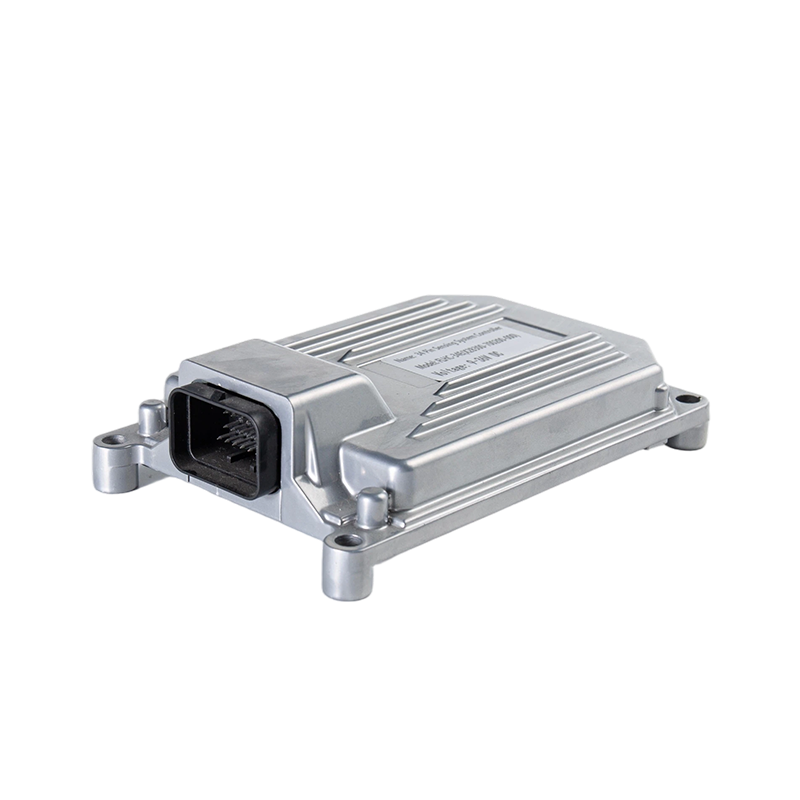 What Makes Perception and Functional Controllers for Industrial Vehicles Safer and More Reliable?LEARN MORE
Why Controller Design Now Decides Safety and Uptime Industrial vehicles such as counterbalance forklifts, order pickers, and automated guided vehicles have evolved from simple mechanical machines into networked systems that sense their surroundings ...
-
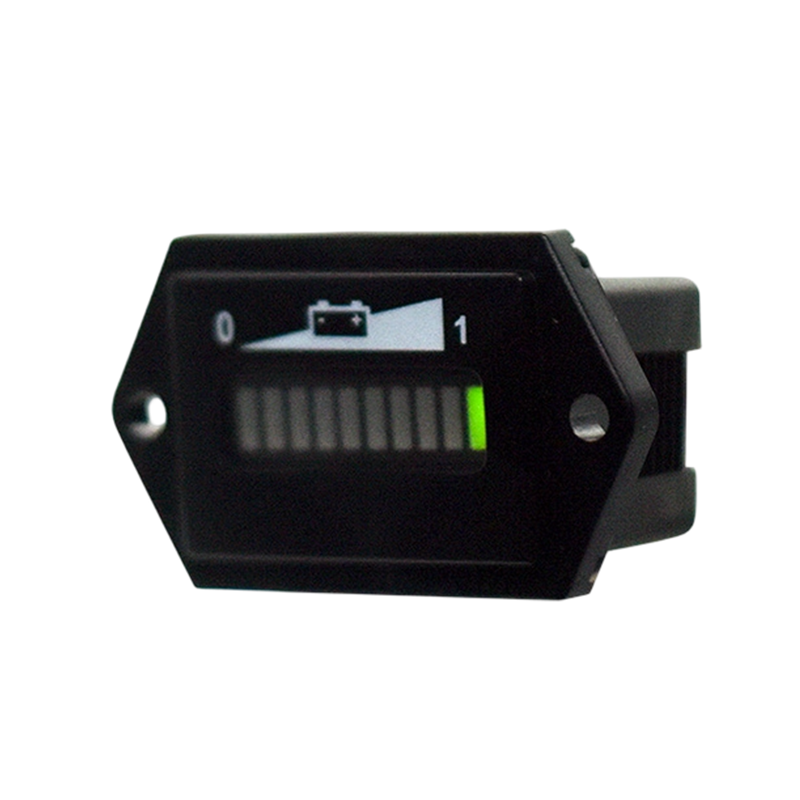 What Makes Electric Warehousing Vehicle Instruments Reliable in Cold Storage and High-Vibration FleetsLEARN MORE
Why Standard Automotive Gauges Fail on the Warehouse Floor At six in the morning, a pallet stacker is pulled from the charging bay and driven into a chilled aisle held well below freezing. The operator turns the key, and the display takes almost a m...
-
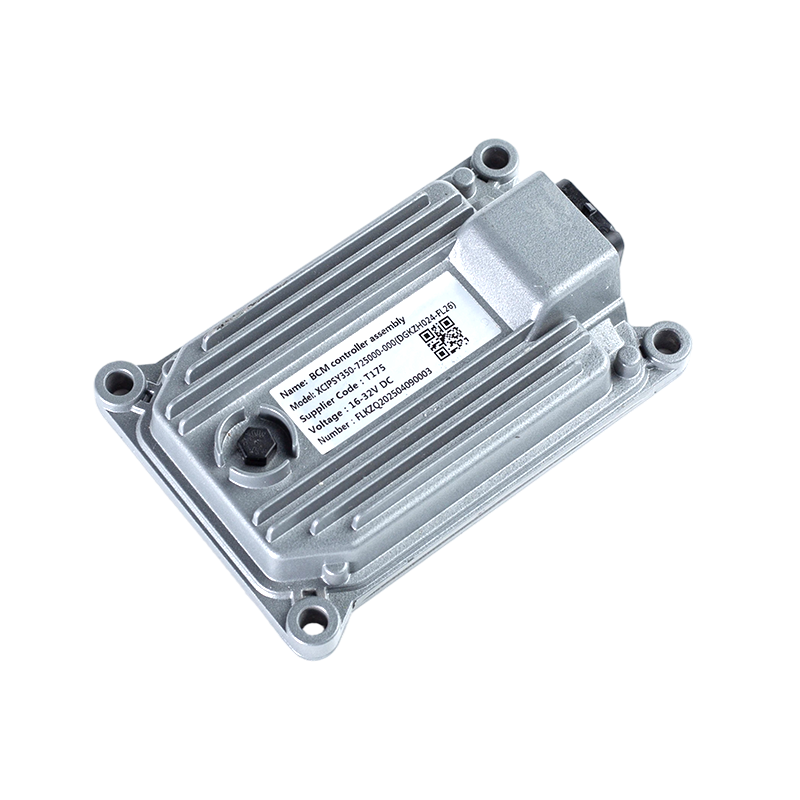 What Are Industrial Vehicle Controllers and Why They Matter for Your Material Handling FleetLEARN MORE
Understanding Industrial Vehicle Controllers In today's material handling and construction sectors, efficiency, safety, and reliability form the backbone of operations. At the heart of every forklift, aerial work platform, and automated warehouse ve...
-
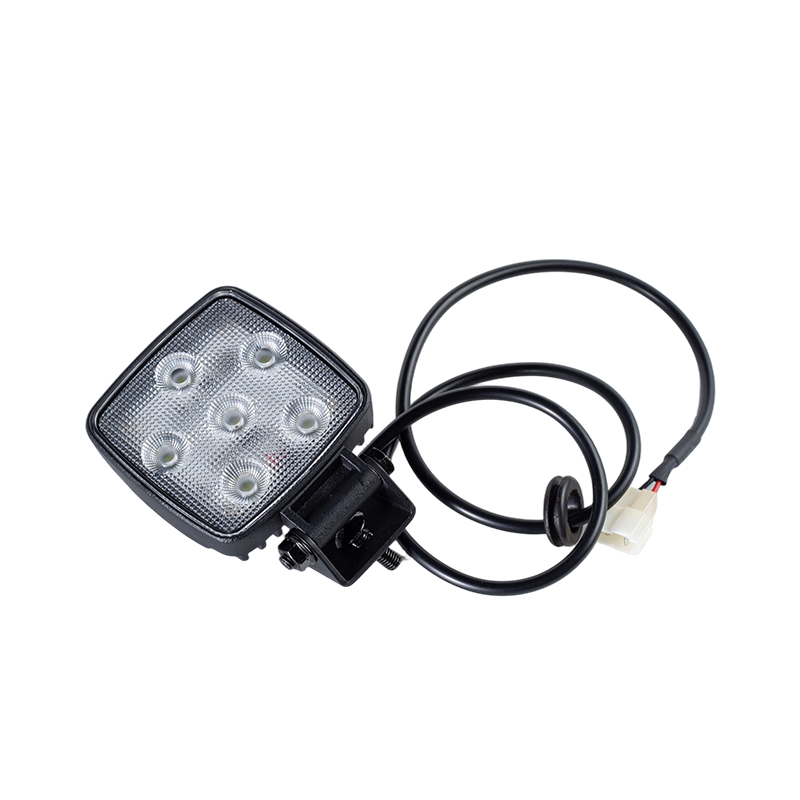 What Should Buyers Know Before Choosing Industrial Vehicle Work Lights?LEARN MORE
Why Industrial Vehicle Work Lights Are a Critical Procurement Category Industrial vehicle work lights are not general-purpose accessories. They are task-specific lighting systems engineered for machines that operate in dust, mud, vibration, rain, an...
-
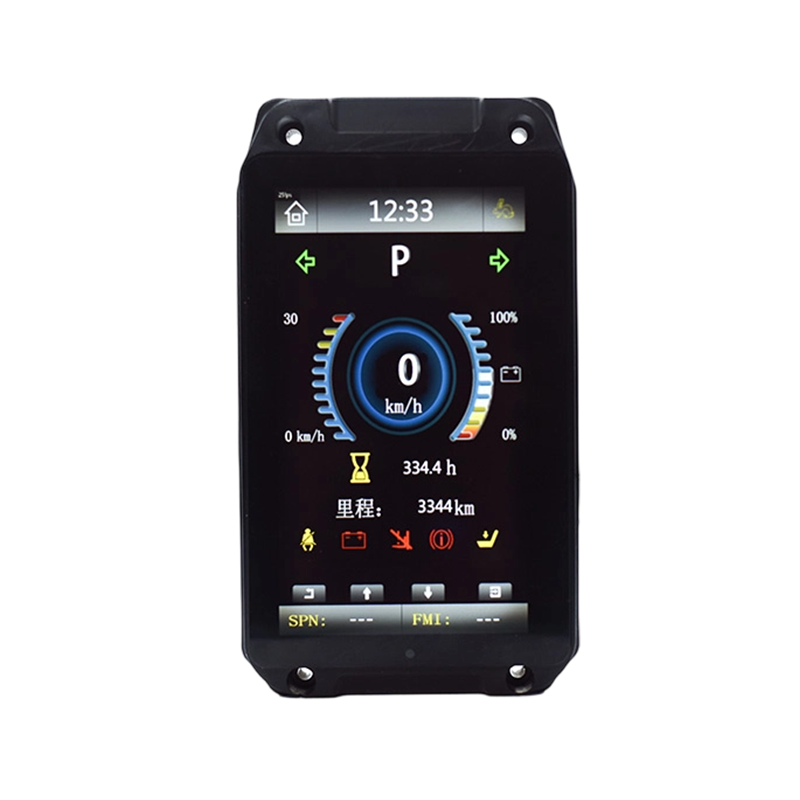 What Should You Know About Electric Warehousing Vehicle Instruments?LEARN MORE
Why Instrumentation Defines Modern Electric Warehousing Vehicles Electric warehousing vehicles operate in tight, high-traffic environments where every second of uptime matters. The instrument cluster is not a decorative add-on; it is the primary int...
-
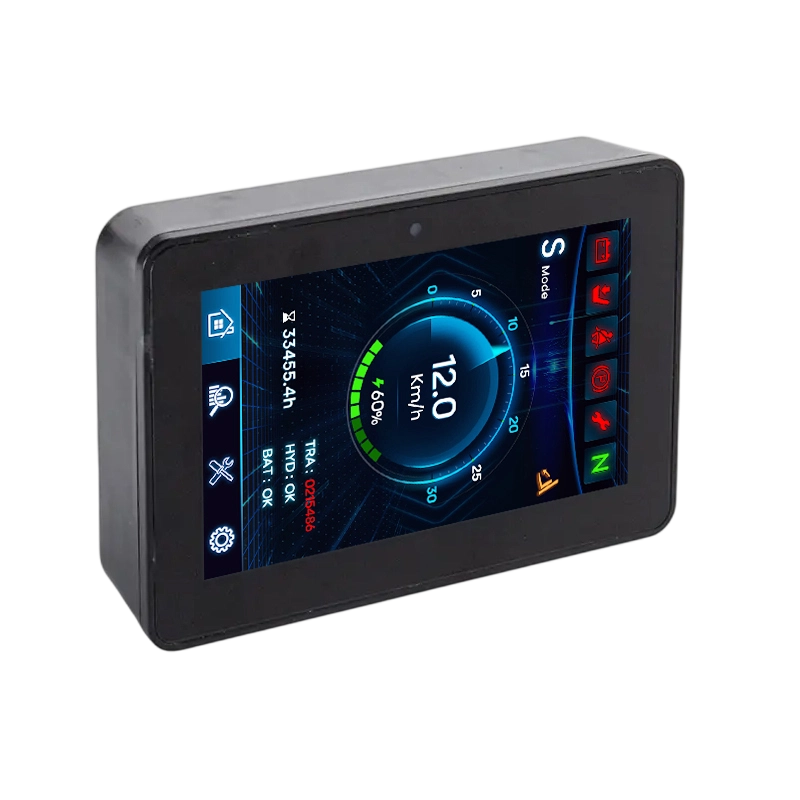 How to Choose Instruments for Electric Industrial Vehicles That Reduce DowntimeLEARN MORE
Electric industrial vehicles are no longer a niche category. Forklifts, automated guided vehicles, tow tractors, and mining haulers are rapidly shifting to electric powertrains because of lower emissions, reduced maintenance, and tighter energy cost...
-
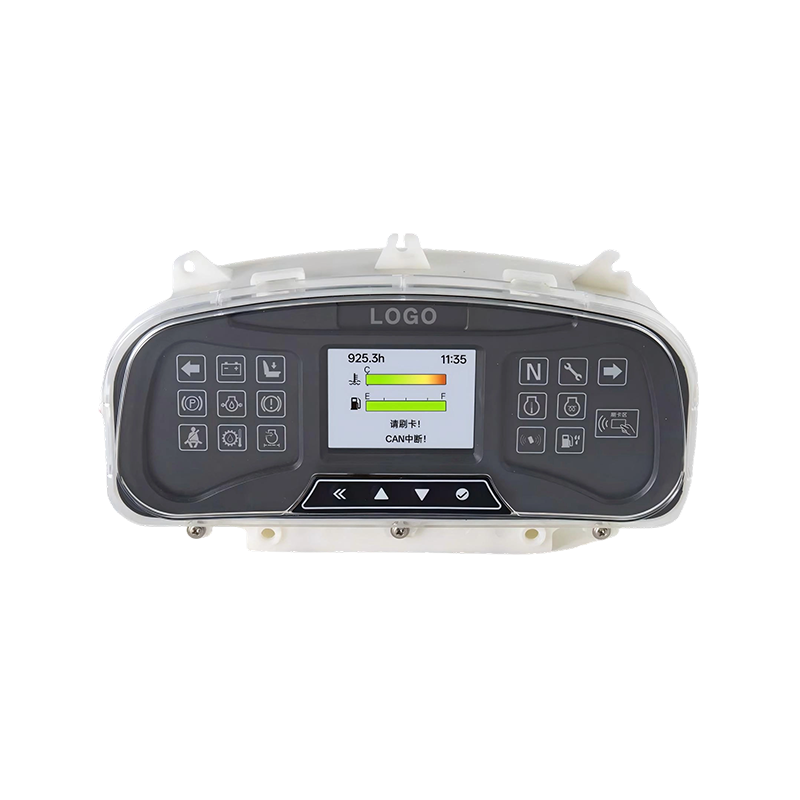 How to Select Instruments for IC Industrial Vehicles: Specifications, Compatibility and Replacement GuideLEARN MORE
Why Instruments for IC Industrial Vehicles Require a Specification-First Approach Internal combustion industrial vehicles operate in environments where a single instrument failure can idle a forklift, stop a loading bay or delay an entire shift. Unl...
-
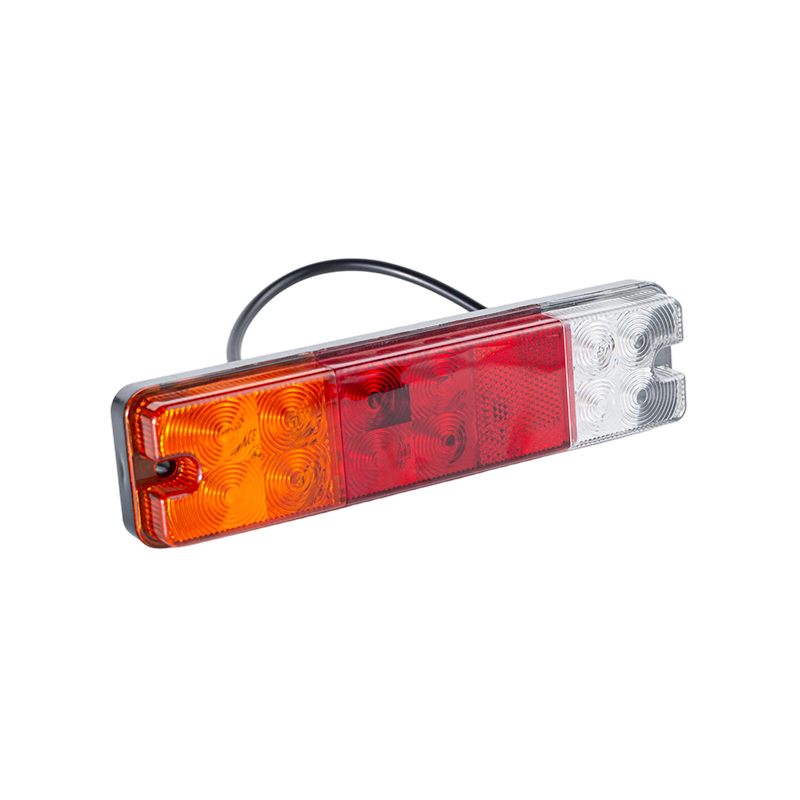 What Defines Quality Industrial Vehicle Signal Lights Suppliers for Mission-Critical Fleet OperationsLEARN MORE
Industrial vehicle operations depend on reliable warning and signal lighting systems to ensure fleet safety, regulatory compliance, and operational efficiency. Whether you manage municipal fleets, construction equipment, transportation networks, or ...
-
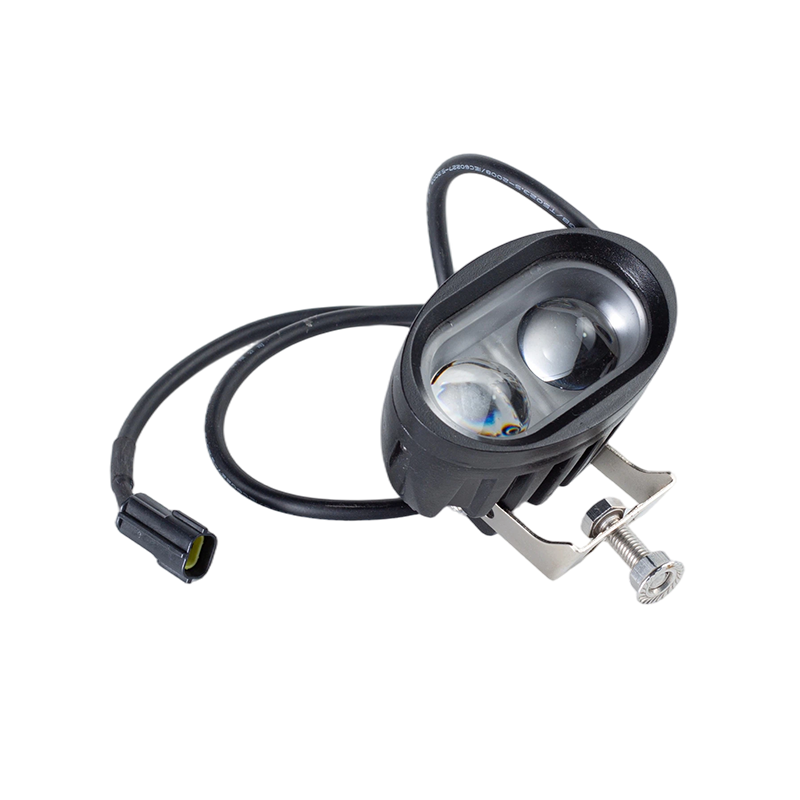 Why IP67 Industrial Vehicle Safety Warning Lights Are Essential for Modern Warehouse Operations and Accident PreventionLEARN MORE
Every year, workplace accidents involving material handling equipment cost industries millions in direct and indirect expenses. In warehouses, logistics centers, and manufacturing facilities, the gap between moving vehicles and pedestrians remains o...
-
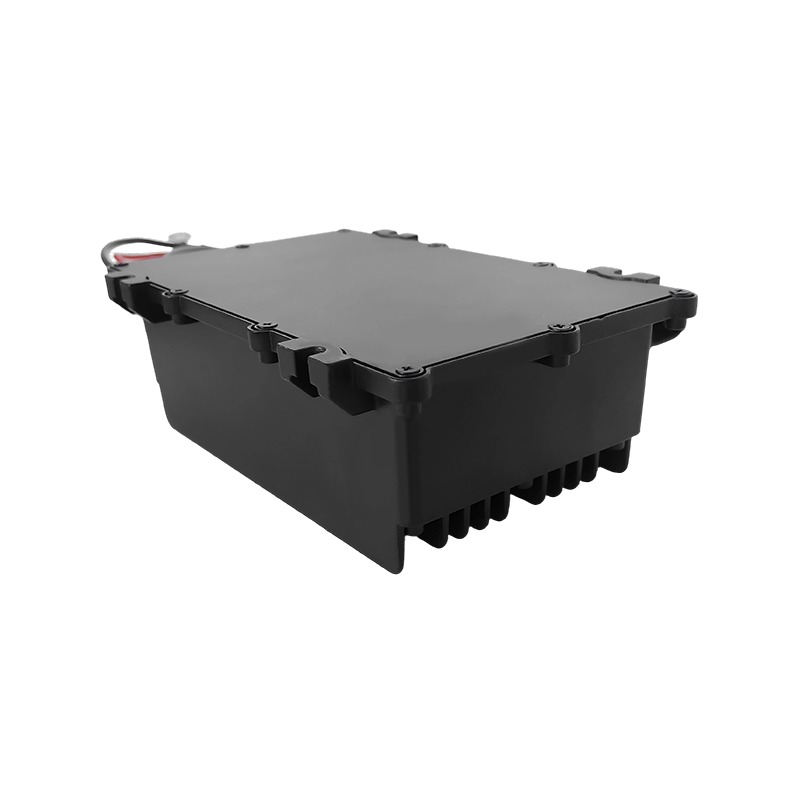 What's the Difference Between 24V and 48V Industrial Vehicle Power Supply Systems?LEARN MORE
Understanding Industrial Vehicle Power Architecture Industrial vehicles operate on standardized electrical systems that power everything from propulsion motors to control circuits and auxiliary equipment. The choice between 24V and 48V architectures...
-
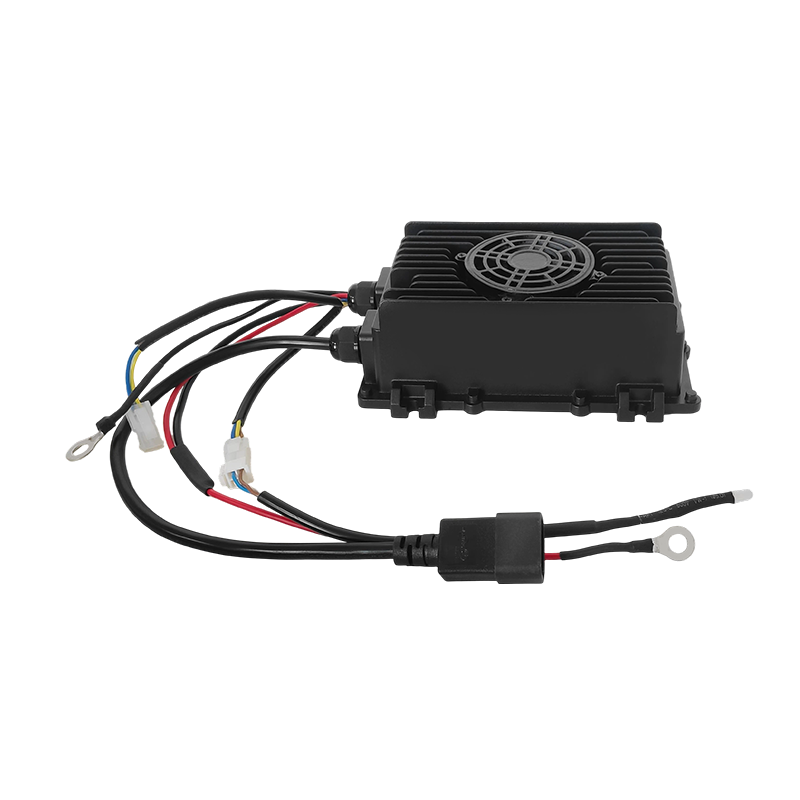 What Is an Industrial Vehicle On-Board Power System?LEARN MORE
Understanding Industrial Vehicle On-Board Power Systems An industrial vehicle on-board power system represents a critical infrastructure component for modern fleet operations. These systems are engineered to provide stable, reliable electrical power...
-
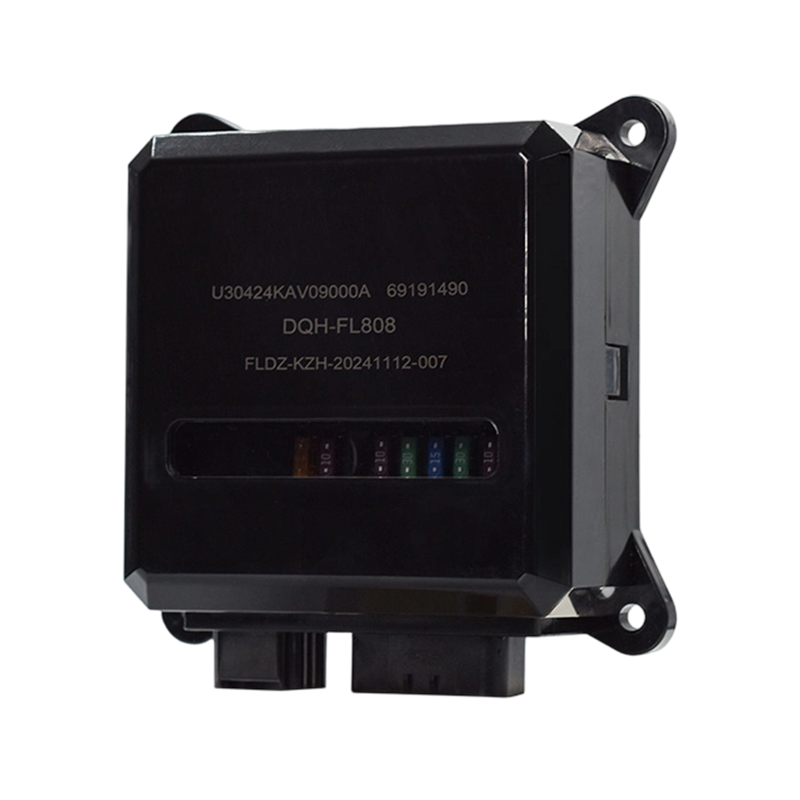 How to Choose the Right Forklift Electrical Control Box for Your EquipmentLEARN MORE
Understanding Forklift Electrical Control Systems The forklift electrical control box serves as the brain of your material handling equipment, managing power distribution, motor operation, and safety functions. A properly functioning control system...

CONTACT
- 88 Chuangye Street, Qingshanhu Street, Lin 'an District, Hangzhou City, Zhejiang, China
- fldz@fengletech.com
- +86-571-61097576
- +86-13721109386
- +86-15067105688
NEWSLETTER
Contact us today to get your exclusive solution and quote.
We promise never to disclose your privacy.
Copyright © Hangzhou Fengle Electronic Technology Co., Ltd. All Rights Reserved
Custom Forklift Electrical Parts Manufacturers
