русский
  Español
  中文简体
中文简体

Understanding Forklift Electrical Control Systems
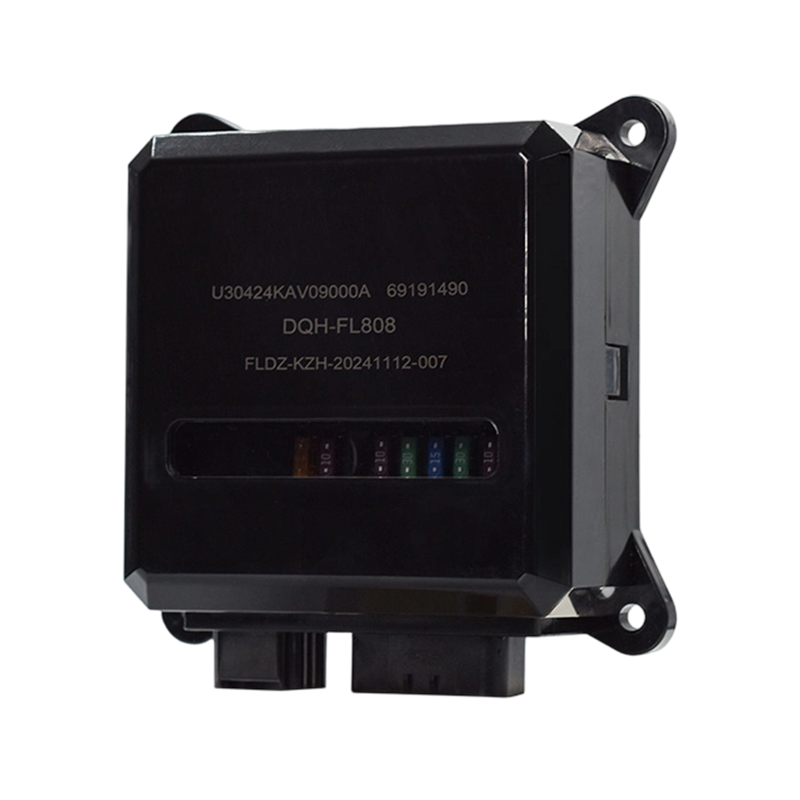
The forklift electrical control box serves as the brain of your material handling equipment, managing power distribution, motor operation, and safety functions. A properly functioning control system ensures smooth operations, reduces equipment downtime, and maintains workplace safety standards. Whether you operate a single unit or manage a fleet, understanding the role and specifications of these components is essential for optimal performance.
Modern electrical epoxy resin materials are increasingly used in control box construction to enhance durability and electrical insulation properties. This advancement has significantly improved the lifespan and reliability of control systems in demanding warehouse and industrial environments.
What Is a Forklift Electrical Control Box?
Core Components and Functions
A forklift electrical control box contains multiple integrated components that work together to regulate vehicle operation. The primary elements include:
- Power distribution contactors that manage electrical flow
- Motor controllers regulating lift and drive mechanisms
- Safety relays protecting against overload conditions
- Voltage regulators maintaining consistent power supply
- Connector terminals for seamless integration with vehicle systems
These components communicate through advanced circuitry to interpret operator inputs and execute precise movements. The electrical design must accommodate varying load conditions while protecting sensitive electronics from voltage fluctuations and environmental factors.
Types of Forklift Control Systems
Different forklift models require specific control configurations based on their propulsion type and operational requirements. Understanding these distinctions helps in selecting the appropriate replacement parts.
| Control System Type | Applications | Key Characteristics |
|---|---|---|
| AC Motor Control | Large capacity outdoor forklifts | High power capacity, industrial grade |
| DC Motor Control | Electric warehouse forklifts | Smooth acceleration, precise speed control |
| Hydraulic Control | Multi-function lifting equipment | Integrated pressure regulation, load sensing |
Key Selection Criteria for Forklift Electrical Control Boxes
Voltage and Power Specifications
Selecting a control box with correct voltage ratings is paramount for equipment safety and longevity. Most electric forklifts operate on 24V, 36V, 48V, or 80V systems, while internal combustion models may require different configurations. Mismatched voltage specifications can result in:
- Inadequate power delivery to lift mechanisms
- Premature component failure and burnout
- Safety system malfunctions
- Reduced operational efficiency
Always verify the original equipment specifications from your forklift manual before ordering replacement forklift control box units. This information is typically found on the equipment nameplate or in maintenance documentation.
Amperage and Load Capacity
The amperage rating determines how much current the control box can safely handle. Selecting a unit with insufficient amperage for your equipment's load will cause thermal overload conditions. Conversely, oversizing may introduce unnecessary costs without performance benefits. Calculate your equipment's actual current requirements by examining:
- Motor nameplate specifications
- Maximum lifting load requirements
- Duty cycle intensity and frequency
- Environmental operating conditions
Professional installers typically recommend selecting units rated at 125% of the calculated maximum load to provide a safety margin for peak demand periods.
Connector Compatibility
Connector types vary significantly across manufacturers and equipment generations. Before purchasing, identify your equipment's specific connector configuration. Common types include Anderson connectors, Deutsch connectors, and proprietary industrial connections. Installing incompatible connectors requires expensive rewiring and poses electrical hazards. Most reputable suppliers provide detailed connector documentation to ensure compatibility verification.
Installation and Compatibility Factors
Environmental and Mounting Requirements
Forklift control boxes must withstand diverse operational environments. Consider these environmental factors when selecting replacement units:
- Temperature ranges for outdoor or indoor operation
- Humidity and moisture exposure in dock or warehouse areas
- Chemical and corrosive substance exposure
- Vibration and shock resistance for rugged terrains
- IP rating classifications for dust and water protection
Proper mounting location affects electrical performance and safety. Control boxes should be positioned away from direct water spray, excessive heat sources, and mechanical vibration sources. Secure mounting with appropriate brackets prevents movement and connector strain during equipment operation.
Integration with Safety Systems
Modern forklift operations depend on integrated safety systems within the electrical control framework. Essential safety features include:
- Load moment indicators preventing tip-overs
- Emergency shut-down relays for rapid power cutoff
- Overspeed protection limiting maximum velocity
- Battery low-voltage detection and alerts
- Thermal protection for motor overload conditions
When replacing electrical components, verify that all safety features remain functional. Some replacement units may require recalibration or firmware updates to match your specific equipment configuration.
Maintenance and Long-Term Performance Optimization
Regular Inspection Protocols
Preventive maintenance extends electrical control box lifespan and prevents unexpected failures. Establish regular inspection schedules including:
- Visual inspection of connector integrity and corrosion
- Testing voltage output under load conditions
- Checking for loose connections or damaged wiring
- Monitoring for unusual heat generation
- Reviewing error codes and diagnostic indicators
Document all maintenance activities and keep records for warranty purposes and regulatory compliance. Many equipment operators maintain digital maintenance logs tracking performance metrics over time.
Troubleshooting Common Electrical Issues
Understanding typical failure modes helps in quick problem diagnosis. Common electrical issues include:
| Issue Symptom | Potential Cause | Recommended Action |
|---|---|---|
| Slow acceleration or reduced power | Voltage regulation issues or weak battery | Test voltage output and battery condition |
| Intermittent loss of function | Loose connectors or corroded terminals | Inspect and clean all connections |
| Complete power loss | Blown fuses or relay failure | Replace fuses and test relays |
| Excessive heat generation | Overload condition or internal component failure | Reduce load and inspect for shorts |
Upgrading to Modern Control Systems
Technological advancements in forklift electrical systems offer improved efficiency and diagnostics. Modern control boxes may include:
- Advanced digital monitoring and data logging capabilities
- Regenerative braking systems recovering energy
- CAN-bus communication protocols for fleet management
- Programmable logic controllers for customized operation
- Real-time performance analytics and predictive maintenance alerts
Upgrading electrical components requires careful assessment of equipment compatibility and potential integration challenges. Consulting with qualified technicians ensures smooth transitions and proper system testing before operational deployment.
Procurement Best Practices and Supplier Selection
Documentation and Specifications
Successful procurement begins with comprehensive documentation. Gather detailed information including:
- Equipment model and serial number identification
- Current control box specifications from original documentation
- High-resolution photographs of existing units for reference
- Historical maintenance records and known issues
- Operating environment conditions and constraints
Providing complete documentation to suppliers enables accurate recommendations and reduces the risk of incompatible shipments. Most reputable suppliers verify specifications before confirmation to prevent costly errors.
Quality Standards and Certifications
Reliable suppliers maintain strict quality standards and relevant industry certifications. Key indicators of quality suppliers include:
- ISO certifications for manufacturing and quality control
- Compliance with industry safety and electrical standards
- Comprehensive testing protocols before shipment
- Extended warranty coverage and support options
- Technical documentation and installation guidance
Requesting certification documentation and references from established suppliers provides confidence in product reliability and after-sales support.
Cost Considerations and Value Assessment
While cost is a consideration, evaluating total value is more important than selecting the lowest price. Consider:
- Product durability and expected service life
- Warranty coverage and support responsiveness
- Availability of compatible replacement parts
- Technical support and troubleshooting assistance
- Shipping timelines and emergency replacement options
Reliable suppliers offer competitive pricing without compromising quality or support. Budget adequate resources for professional installation and testing to ensure optimal equipment performance.
Technical Insights and Best Practices
Understanding Electrical Efficiency Metrics
Modern forklift operators increasingly focus on electrical efficiency to reduce operating costs. Understanding efficiency metrics helps in equipment evaluation:
- Energy conversion efficiency affecting battery consumption rates
- Heat dissipation characteristics during continuous operation
- Regenerative braking capabilities recovering kinetic energy
- Duty cycle optimization for specific operational patterns
- Environmental impact reduction through improved power management
Selecting control boxes designed for efficiency can reduce energy consumption by 15-25% compared to older systems, providing substantial savings over equipment lifetime.
Diagnostic and Monitoring Capabilities
Advanced control systems provide valuable operational insights through integrated diagnostics. Modern features include:
- Real-time performance monitoring and alerts
- Component health status indicators
- Historical data logging for trend analysis
- Predictive maintenance recommendations
- Remote diagnostics for rapid troubleshooting
These capabilities enable proactive maintenance strategies, reducing unexpected downtime and extending equipment operational life.
Industry Standards and Regulatory Compliance
Forklift electrical systems must comply with multiple industry standards ensuring safety and interoperability. Key standards include:
- ANSI B56.1 safety standards for powered industrial trucks
- UL certification requirements for electrical components
- EN 16001 safety standards for European operations
- ISO 3691 specifications for industrial truck safety and performance
- Local electrical codes and workplace safety regulations
Ensuring compliance with applicable standards protects operators, prevents accidents, and maintains operational legitimacy in regulated environments. Reputable suppliers provide documentation confirming compliance with relevant standards.
Frequently Asked Questions
Q1: What voltage system does my forklift use?
The voltage specification is typically found on the equipment nameplate, usually mounted on the frame near the control box or battery compartment. Common voltages include 24V, 36V, 48V, and 80V for electric forklifts. If documentation is unavailable, consult the equipment manual or contact the original manufacturer with your model and serial number for accurate specifications.
Q2: Can I use a control box from a different forklift model?
Compatibility depends on voltage, amperage, connector types, and software configurations. While some universal control boxes accommodate multiple applications, direct substitution from different models is risky. Always verify compatibility with technical specifications or consult qualified technicians before attempting installation of components from different equipment.
Q3: How often should control boxes be replaced?
Under normal operating conditions with proper maintenance, electrical control boxes typically last 5-10 years or longer. Replacement depends on environmental factors, duty cycle intensity, maintenance quality, and technological obsolescence. Monitor diagnostic indicators and performance metrics to determine replacement timing.
Q4: What are signs that a control box needs replacement?
Warning indicators include erratic power delivery, inability to reach normal operating speeds, intermittent loss of function, excessive heat generation, and persistent error codes. Physical damage, visible corrosion, and burned components also indicate replacement necessity. Professional diagnostics confirm control box failure versus other electrical system issues.
Q5: Are there aftermarket alternatives to OEM control boxes?
Yes, reputable aftermarket suppliers offer compatible control boxes meeting industry standards at competitive pricing. Ensure aftermarket options match all specifications including voltage, amperage, connectors, and safety features. Verify certifications and warranty coverage before selecting aftermarket alternatives to OEM components.
Q6: What is the typical installation time for a new control box?
Professional installation typically requires 2-4 hours depending on accessibility, connector complexity, and integration testing requirements. Qualified technicians handle electrical connections, safety system verification, and performance testing. Improper installation risks equipment damage and operator safety, so professional installation is strongly recommended.
Q7: How do I ensure compatibility with existing equipment systems?
Collect complete equipment documentation including model numbers, electrical schematics, and current control box specifications. Provide this information to suppliers or technicians for compatibility verification before purchase. Many suppliers offer compatibility checking services to prevent costly mistakes.
Q8: What warranty coverage is typical for replacement control boxes?
Reputable suppliers typically offer 12-24 month warranties covering manufacturing defects and component failures. Warranty conditions vary by supplier and product type. Review warranty terms carefully, including coverage limitations, support responsiveness, and replacement procedures before finalizing purchase agreements.