


 русский
  Español
  中文简体
中文简体

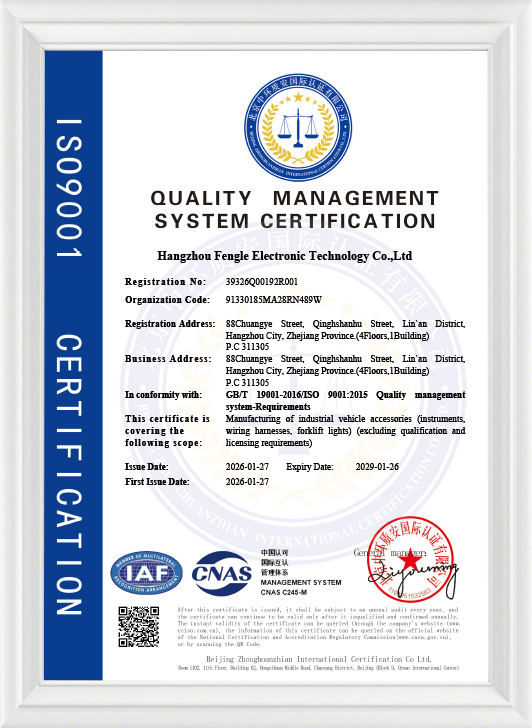
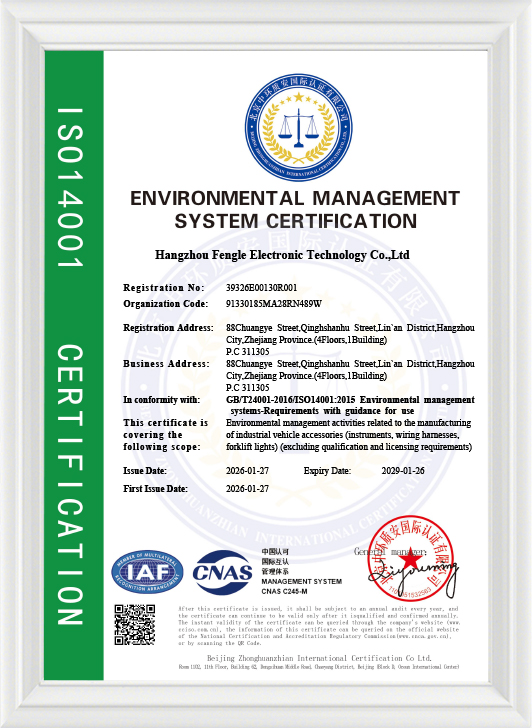
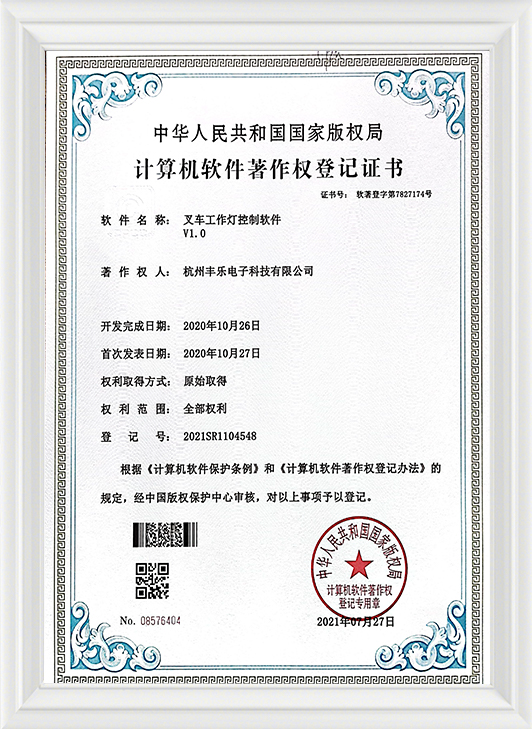
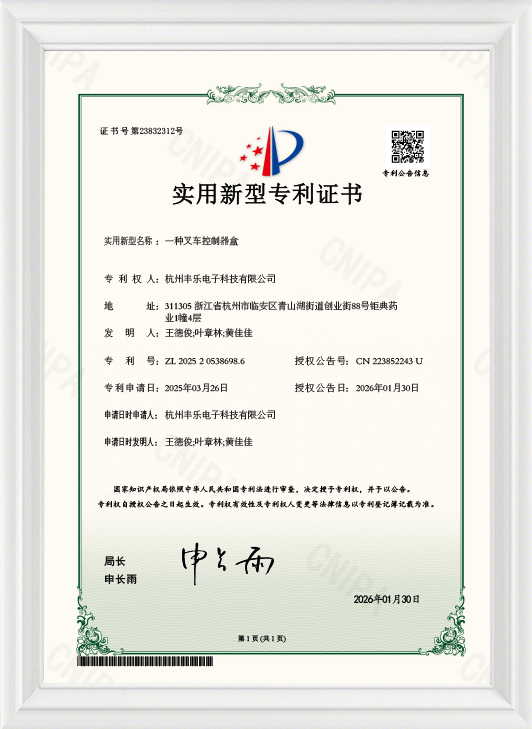
1. Introduction to Forklift Safety and Intelligent Lighting Systems
In modern material handling environments, warehouse safety and operational efficiency are deeply interconnected. Warehouses, distribution centers, and manufacturing plants are high-activity zones where heavy machinery operates in close proximity to pedestrians. Forklifts, being the workhorses of these industries, require highly reliable signaling and lighting systems to prevent accidents, reduce downtime, and ensure compliance with strict international safety standards.
Traditionally, forklift lighting relied on simple manual switches or basic continuous-on wiring. However, as industrial environments become more automated and fast-paced, the demand for smart, automated control systems has spiked. Intelligent lighting signal controllers act as the central brain for a vehicle’s visual warning system, dynamically managing how and when signals are deployed based on real-time vehicle behavior.
2. Comprehensive Guide to Intelligent Lighting Signal Controllers for Forklifts
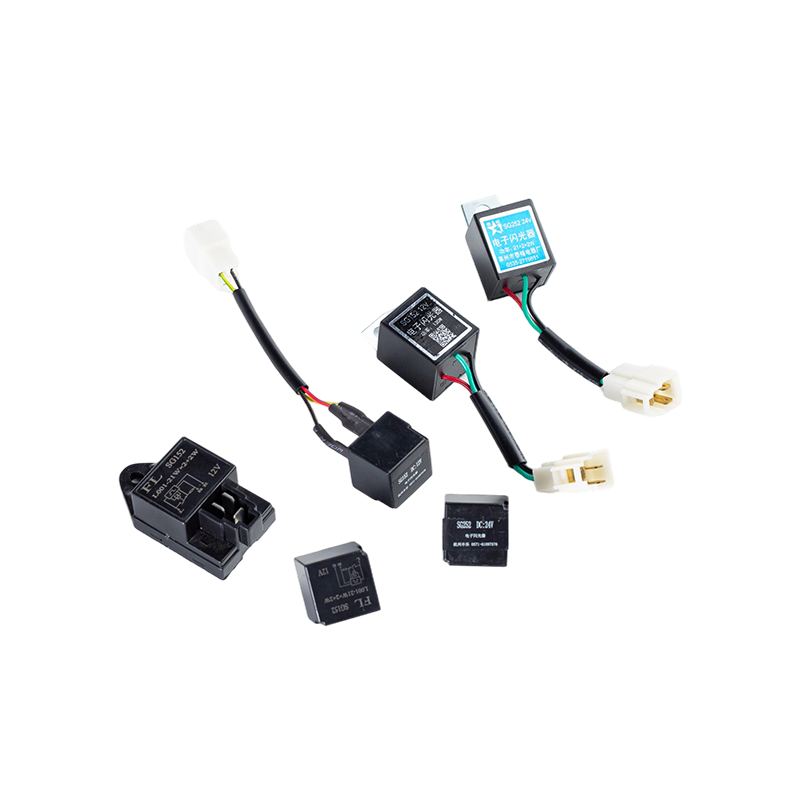
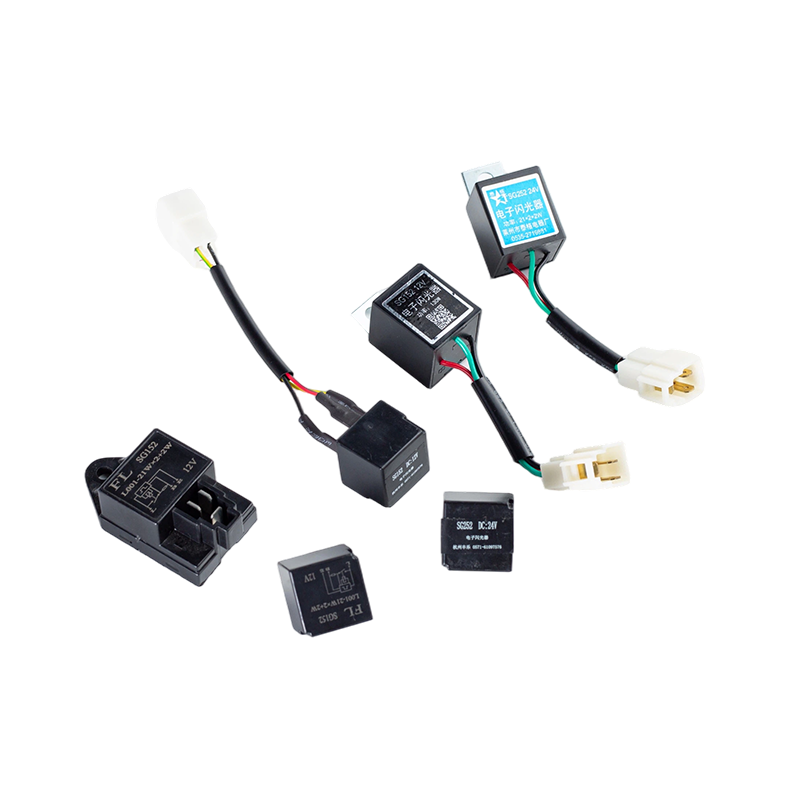
An Intelligent Lighting Signal Controller is an advanced electronic control unit designed specifically for industrial vehicles. It manages the power distribution, timing, sequencing, and activation of various visual alerts on a forklift, such as blue safety spots, red zone line lights, headlights, turn signals, and braking indicators.
2.1 Core Functions of Intelligent Controllers
- Automated Directional Signaling: The controller detects the forklift’s travel direction. When reversing, it instantly activates the rear backup alarms and projects a blue safety spot onto the ground behind the vehicle to warn pedestrians.
- Dynamic Power Regulation: Industrial vehicles experience voltage fluctuations. Intelligent controllers stabilize the power input, protecting sensitive LED components from voltage spikes and extending the overall lifespan of the lighting system.
- Smart Flash Sequencing: Instead of a simple blinking light, intelligent controllers can program specific strobe patterns that are scientifically proven to catch human attention faster in noisy or low-visibility environments.
- Vehicle Telematics Integration: Modern controllers can interface with forklift sensors, such as speedometers or proximity sensors, altering the lighting behavior based on how fast the vehicle is moving or how close it is to an obstacle.
3. Technical Specifications and Industry Standards
When selecting or engineering a lighting controller for industrial material handling, specific technical benchmarks must be met to ensure long-term reliability in harsh environments.
| Technical Parameter | Standard Specification | Operational Importance |
|---|---|---|
| Input Voltage Range | 9V to 80V DC | Accommodates various forklift battery types including electric, diesel, and LPG |
| Ingress Protection Rating | IP67 or IP69K | Ensures complete protection against dust, water ingress, and high-pressure washing |
| Operating Temperature | -40°C to 85°C | Guarantees performance in both cold storage facilities and high-heat foundries |
| Housing Material | Heavy-duty Die-cast Aluminum | Provides excellent heat dissipation and high mechanical impact resistance |
| Communication Protocol | CAN-bus Compatible | Allows seamless data integration with modern forklift Electronic Control Units |
4. The Critical Role of Visual Signaling in Warehouse Safety
Why is intelligent visual signaling so vital? In loud industrial environments, audible alarms like backup beepers often blend into the background noise, a phenomenon known as alarm fatigue. Pedestrians and other operators frequently tune out these sounds unconsciously.
Visual safety systems overcome this limitation by creating a highly visible physical boundary on the floor.
- The Blue Spot Light: Projects a bright blue dot 3 to 5 meters ahead or behind the moving forklift, giving pedestrians early warning before a forklift emerges from a blind aisle.
- The Red Zone Perimeter: Projects a solid red line on both sides of the forklift, clearly defining the keep-out zone where pedestrians are at risk of being crushed or run over.
By utilizing an intelligent controller from Hangzhou Fengle Electronic Technology Co., Ltd., these lights do not just stay on constantly. They can flash rapidly when a hazard is imminent, or dim when the vehicle is stationary, preserving energy and reducing glare for other workers.
5. Service Advantages of Hangzhou Fengle Electronic Technology Co., Ltd.
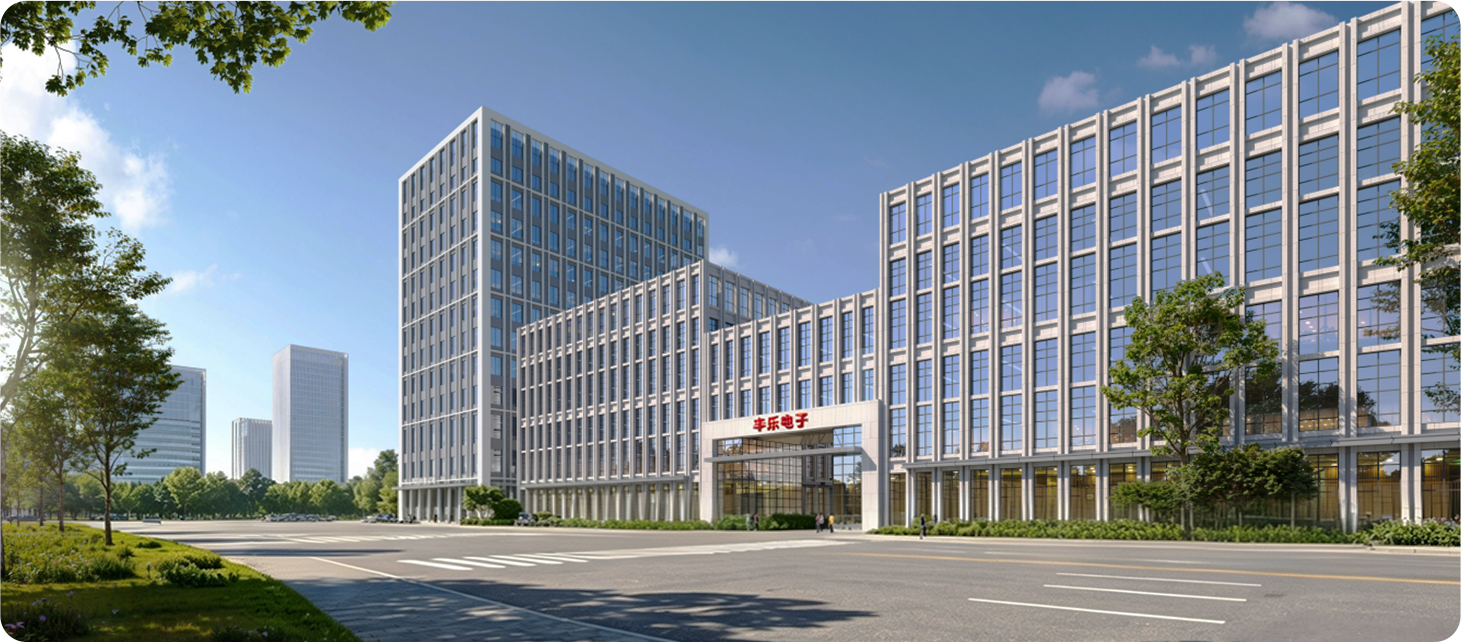
Choosing the right manufacturing and engineering partner is vital for industrial applications. Hangzhou Fengle Electronic Technology Co., Ltd. stands out as a premier partner through our dedicated capabilities.
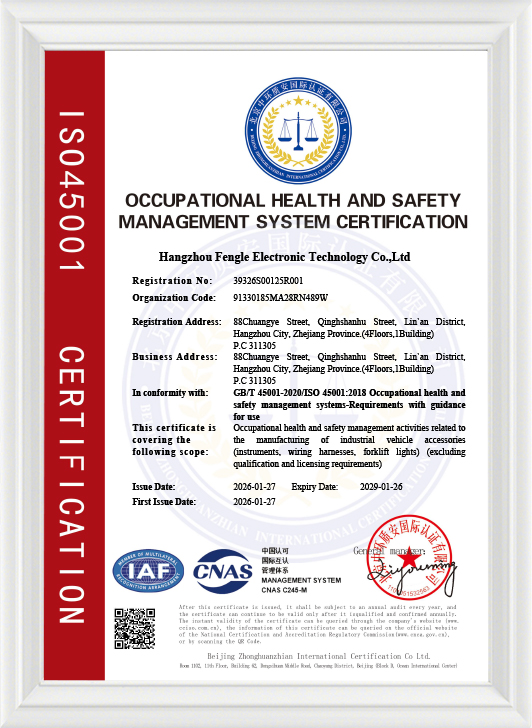
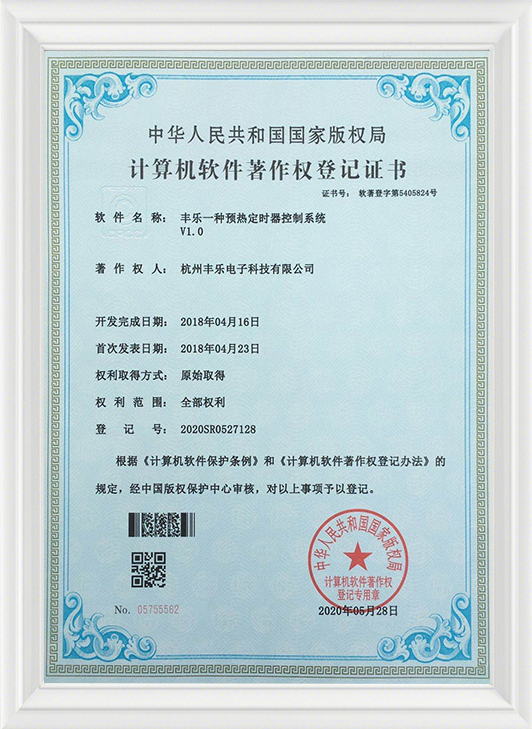
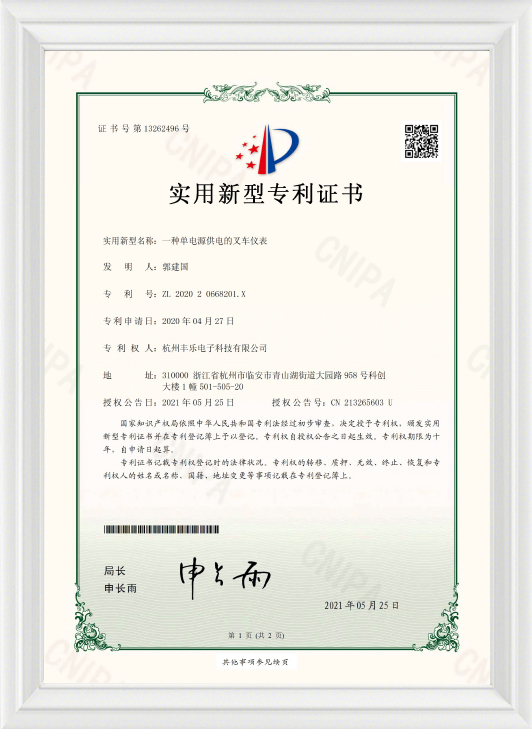
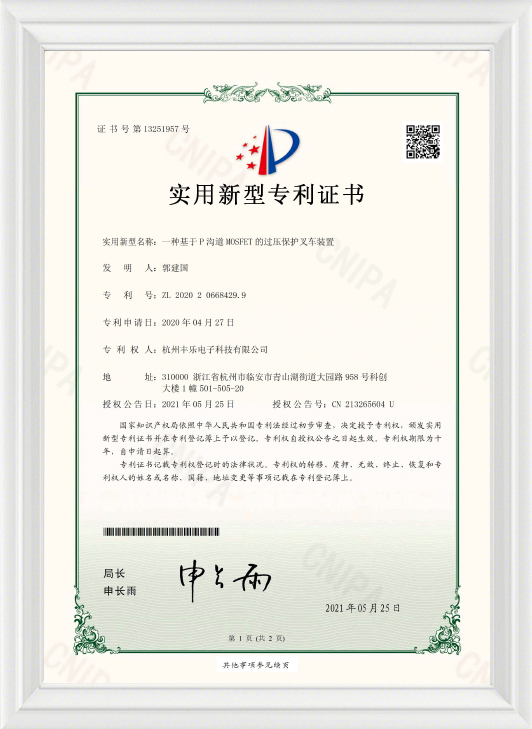
- National High-Tech Enterprise Expertise: As a certified national high-tech enterprise, we integrate cutting-edge research, design, production, and sales to offer unparalleled technical depth.
- End-to-End Customized Solutions: We understand that every engineering vehicle has unique requirements. We provide tailored hardware and software modifications to fit your exact system architecture.
- Rigorous Quality Control and Reliability: Our products undergo strict testing for thermal management, vibration resistance, and electromagnetic compatibility to guarantee stable operation in the toughest industrial settings.
- Comprehensive Technical Support: From initial design alignment to post-installation technical troubleshooting, our engineering team ensures seamless integration with your existing fleet infrastructure.
6. Frequently Asked Questions Regarding Forklift Lighting Controllers
Q1. Why is a wide voltage input range crucial for forklift lighting controllers?
Forklifts utilize a variety of battery types depending on their power source. Electric forklifts often use 24V, 36V, 48V, or 80V systems, while internal combustion forklifts typically use 12V or 24V systems. A wide voltage input range ensures that a single controller model can be deployed across a diverse fleet, simplifying inventory management and maintenance.
Q2. How does an intelligent controller prevent LED degradation?
LED lights are sensitive to heat and voltage fluctuations. Intelligent controllers utilize advanced pulse-width modulation and voltage stabilization circuits to deliver a clean, consistent current. This prevents overheating and protects the diodes, ensuring the lights maintain their brightness over thousands of operating hours.
Q3. Can these controllers be retrofitted onto older forklift models?
Yes, our intelligent controllers are designed with high compatibility in mind. They can be integrated into modern CAN-bus systems or retrofitted onto legacy forklift models by connecting directly to the manual switch wiring and directional relays, instantly upgrading older fleets to modern safety standards.
Q4. What is the benefit of IP67 and IP69K ratings for these components?
Industrial vehicles operate in challenging conditions, including dusty warehouses, wet outdoor yards, and cold storage facilities. An IP67 rating means the controller is completely dust-tight and water-resistant. An IP69K rating ensures the unit can withstand close-range, high-pressure, and high-temperature washdowns during vehicle cleaning.
Q5. How do customized lighting patterns improve warehouse safety?
Standard solid or simple blinking lights can be ignored over time due to visual habituation. Customized, synchronized flashing patterns or alternating strobes managed by an intelligent controller break the visual monotony, instantly drawing a pedestrian’s attention to a moving hazard and significantly reducing reaction times.

