


 русский
  Español
  中文简体
中文简体

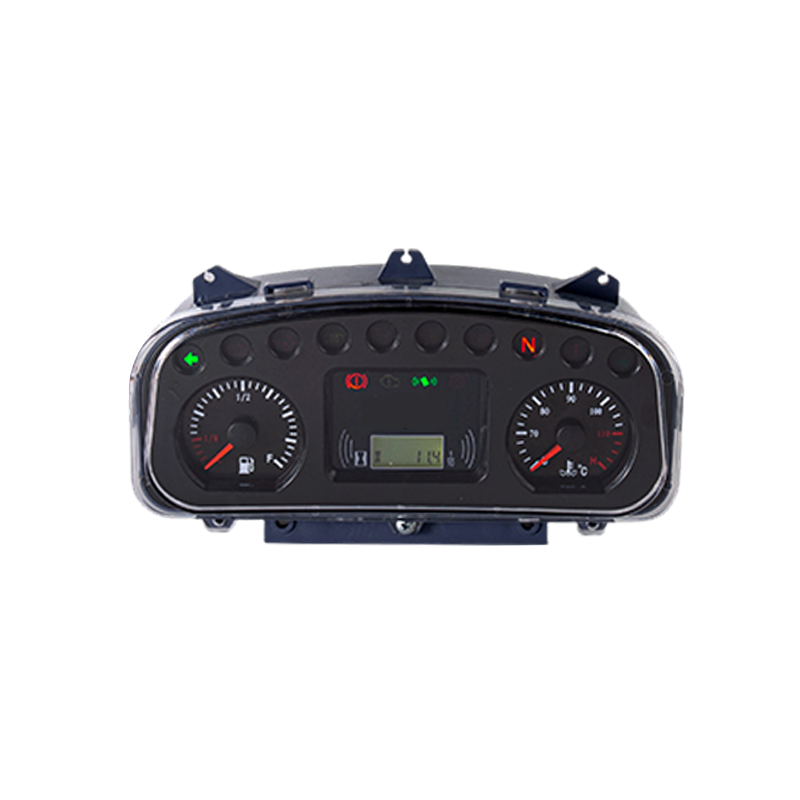
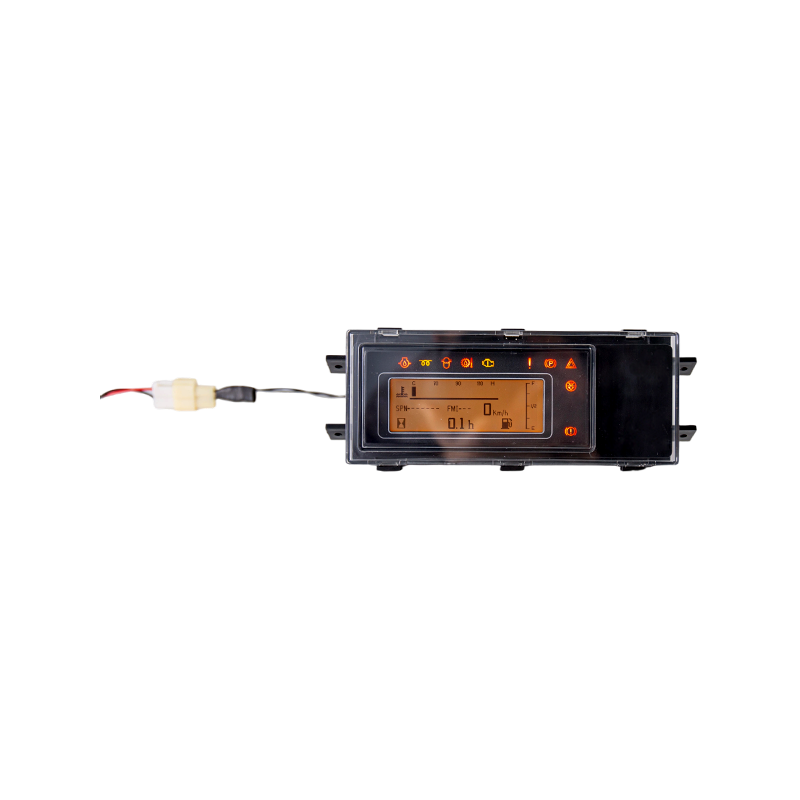
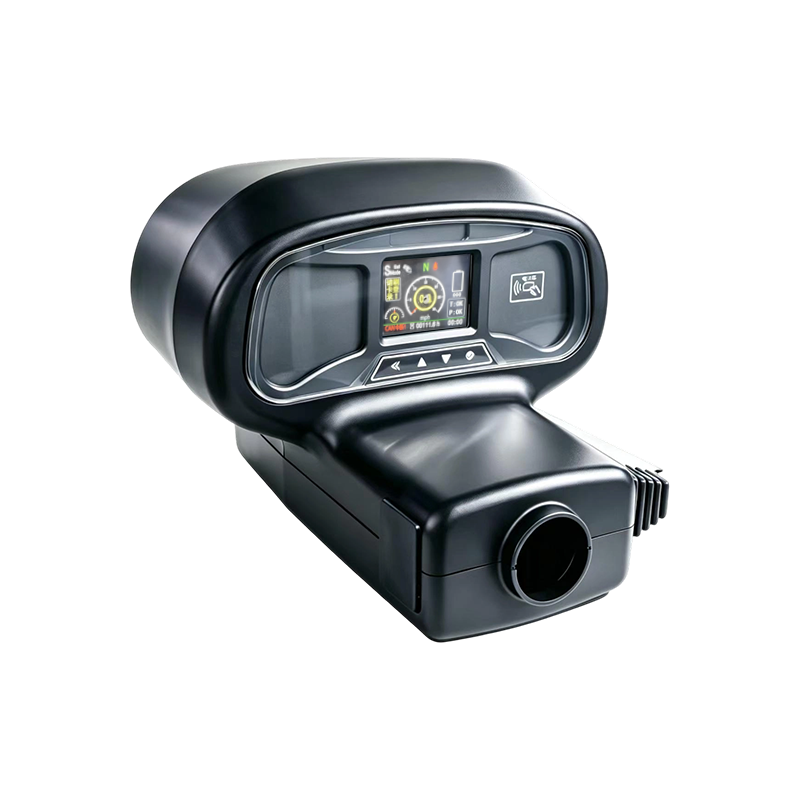
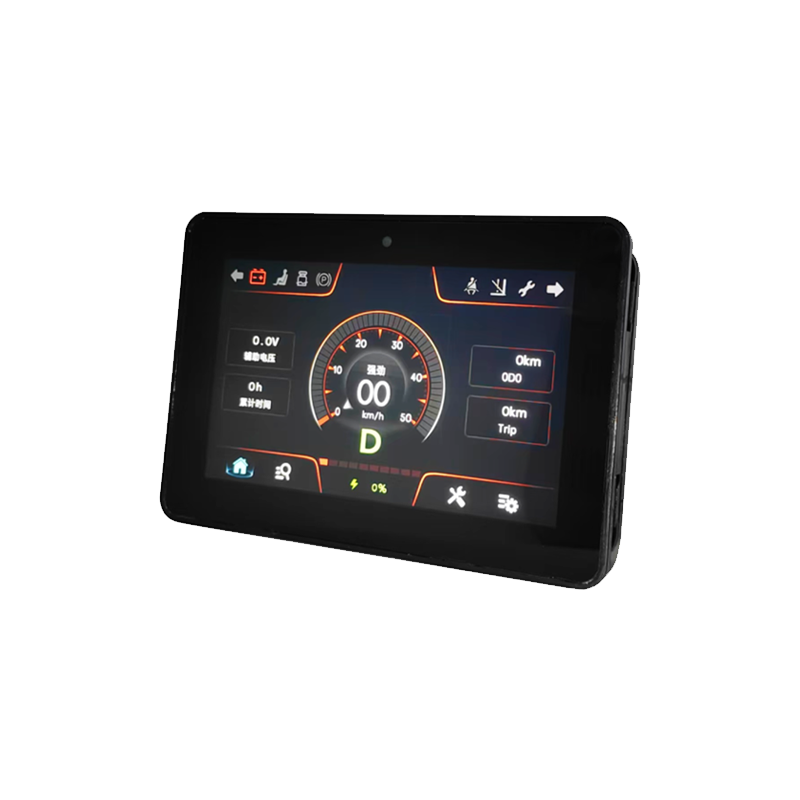
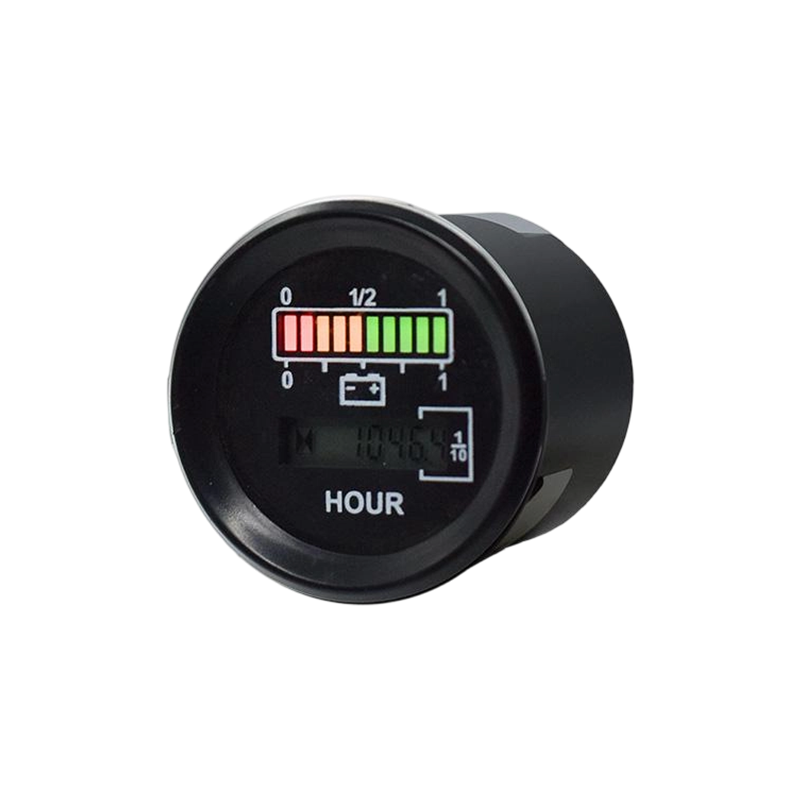
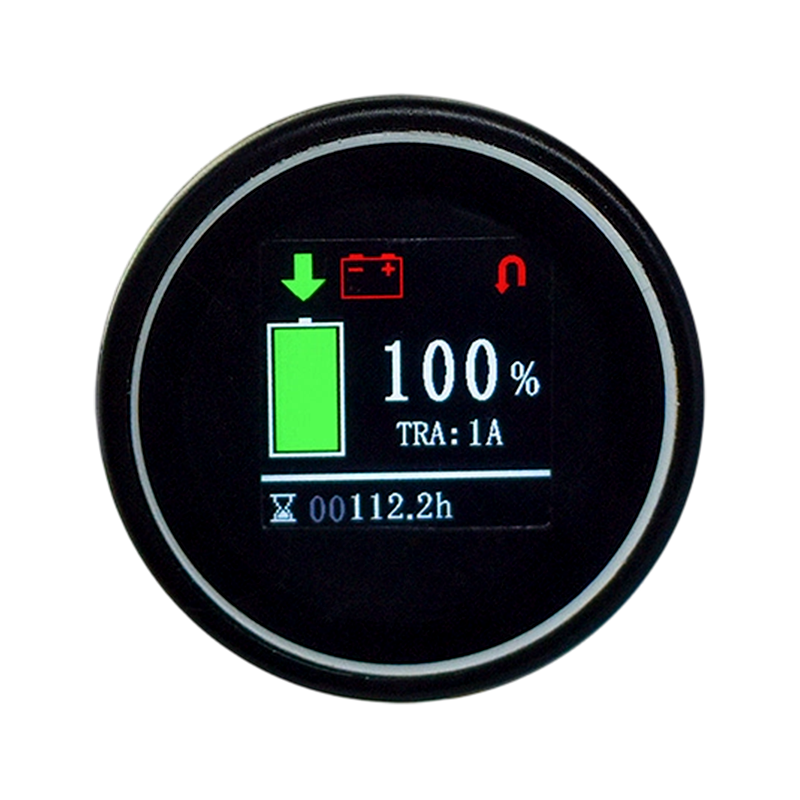
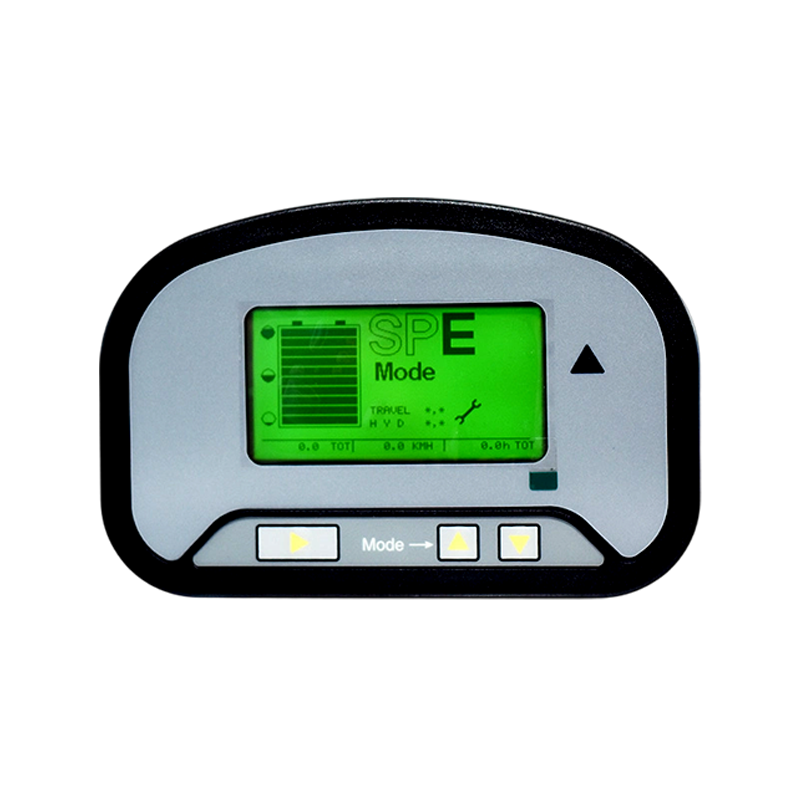
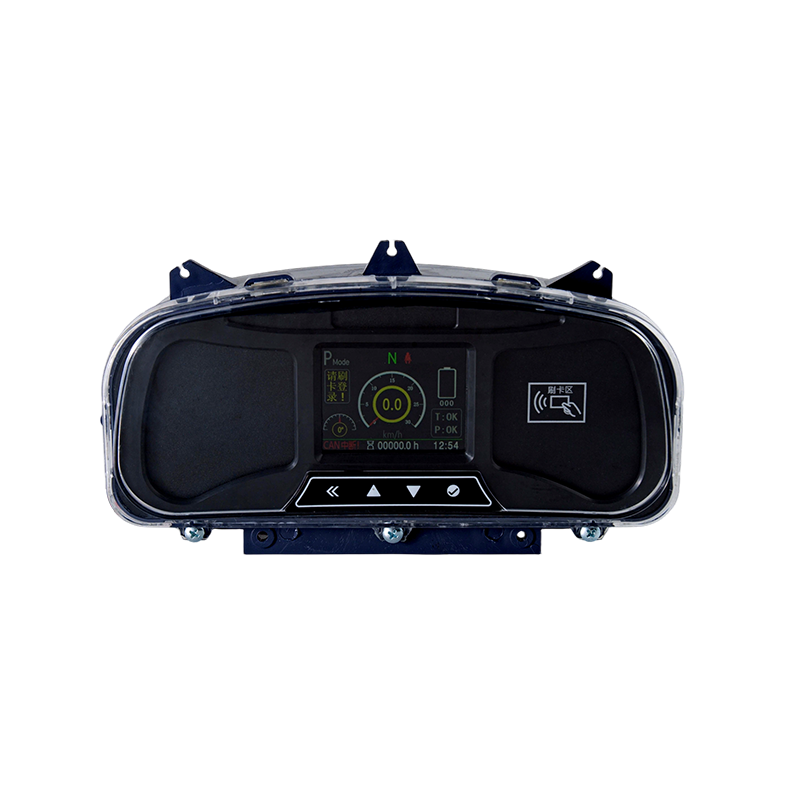
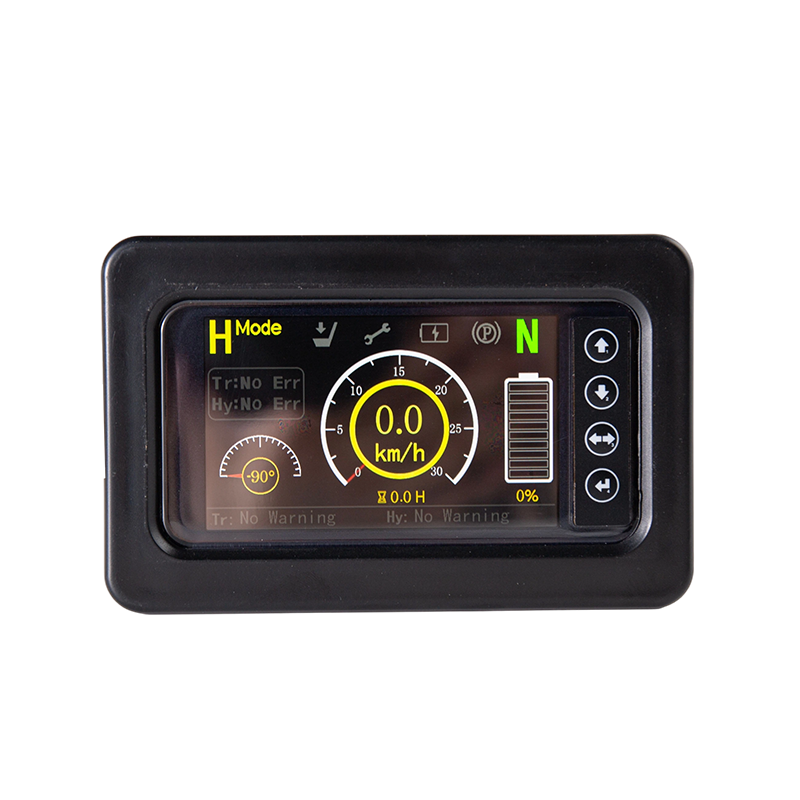
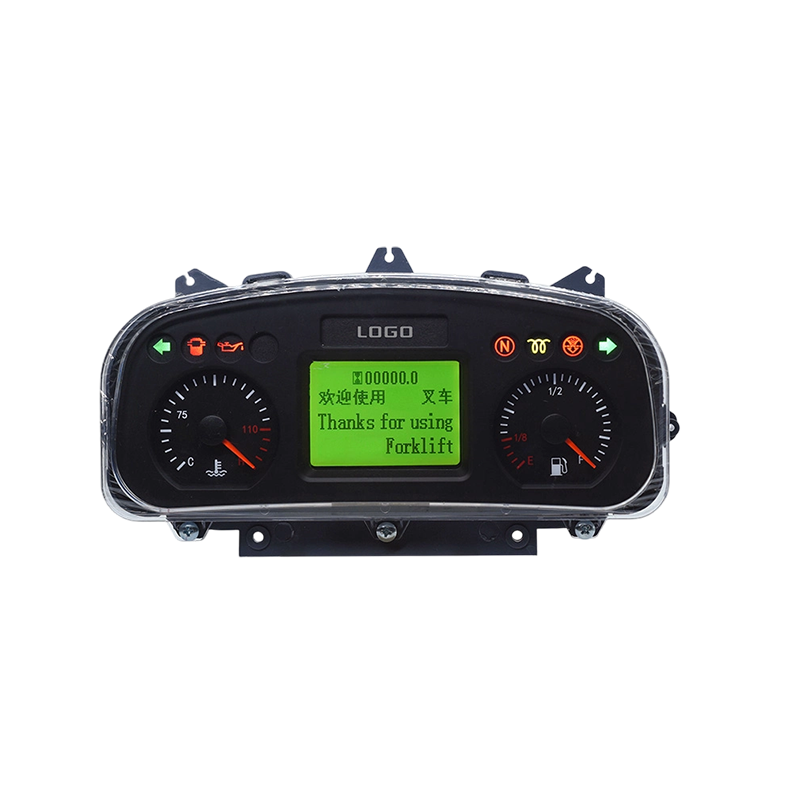
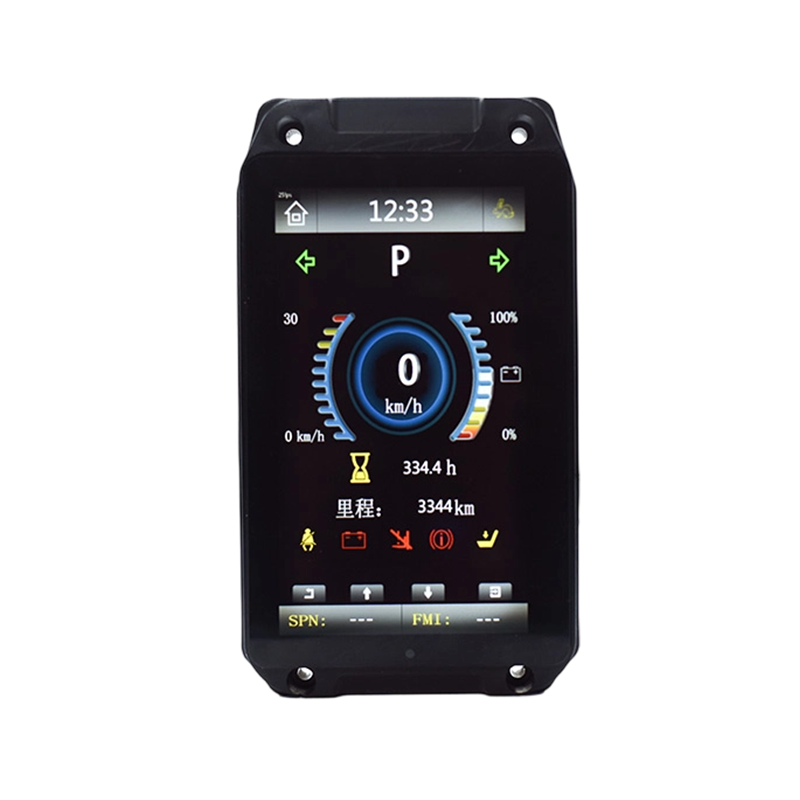

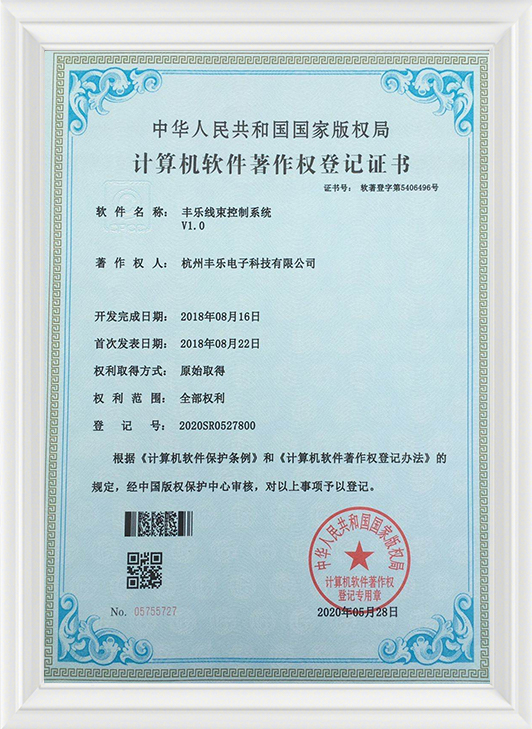
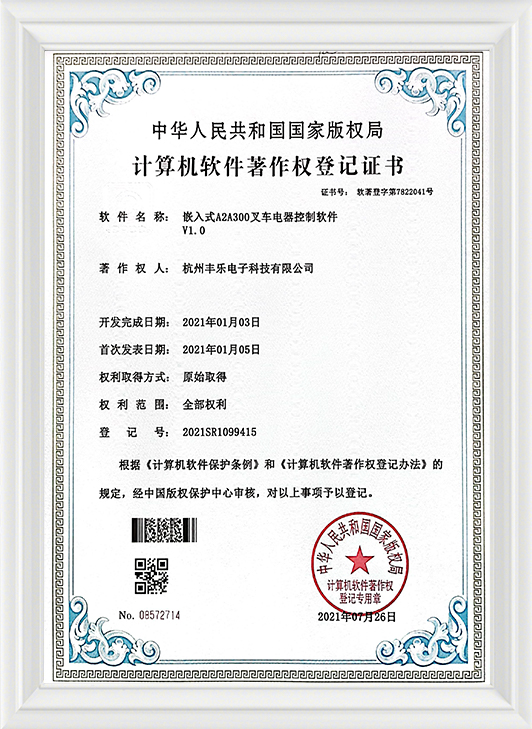
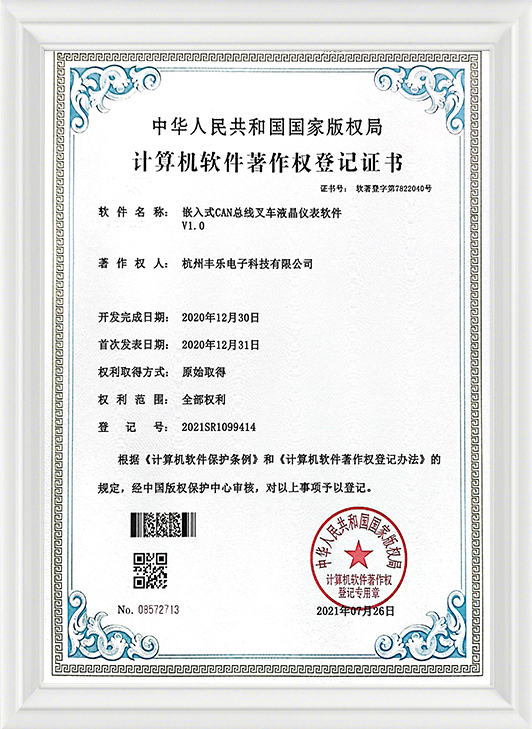
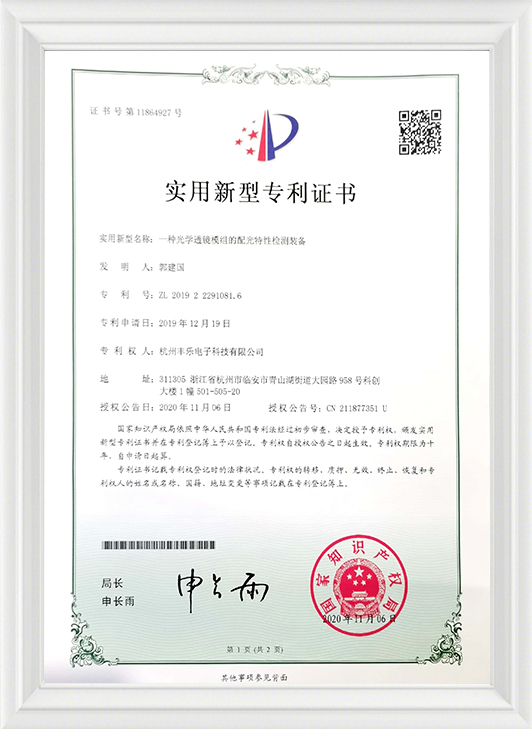
1 Introduction to Electric Industrial Vehicle Instrumentation
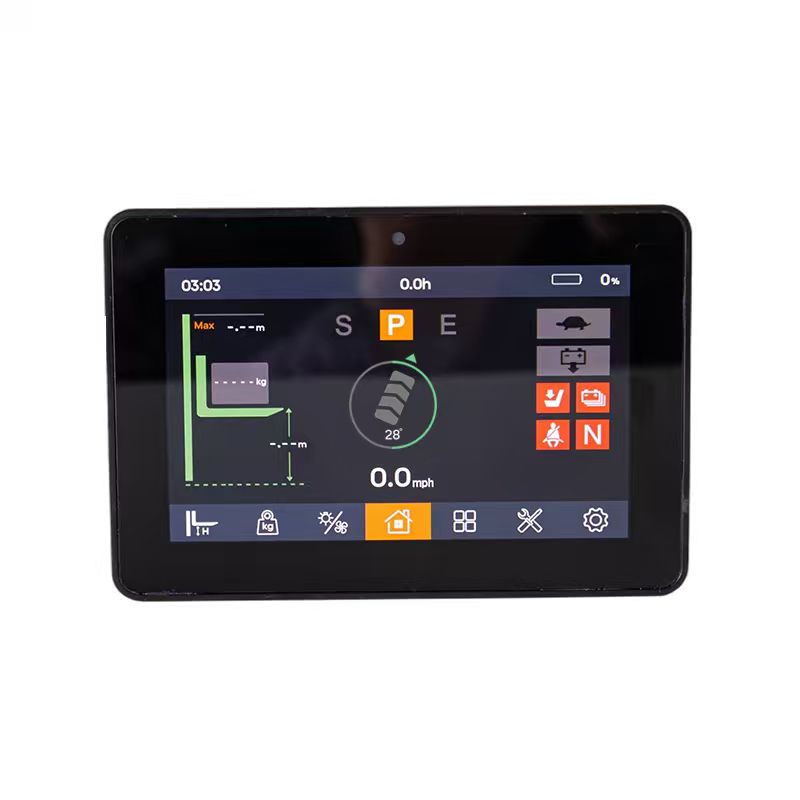
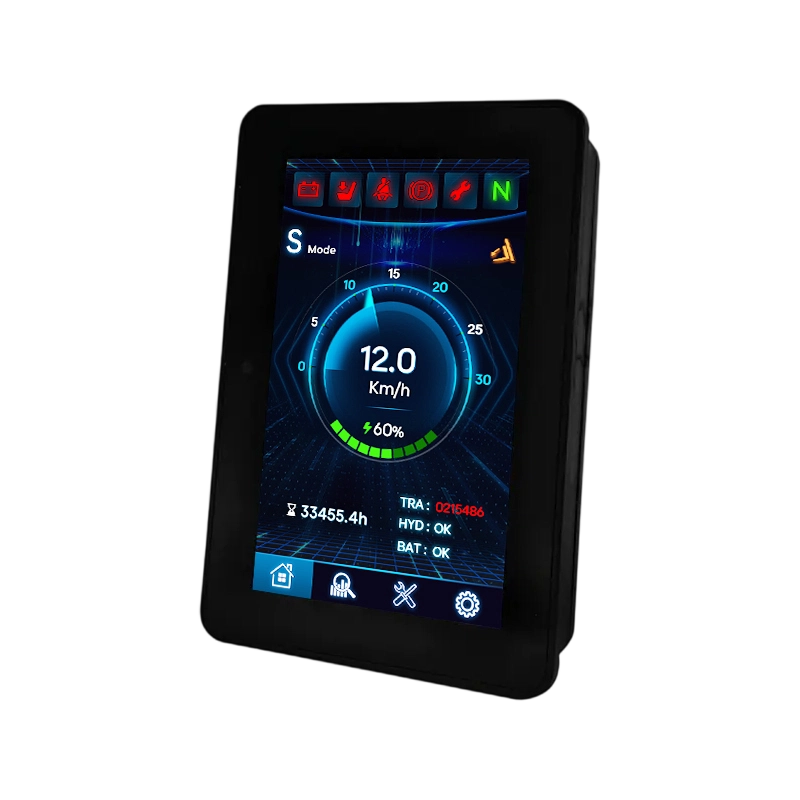
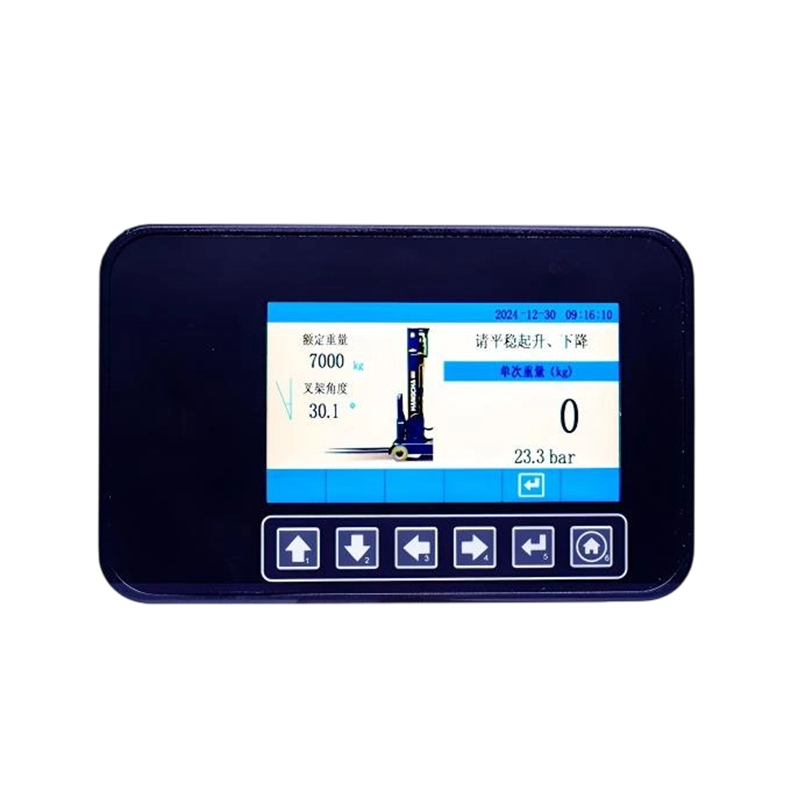
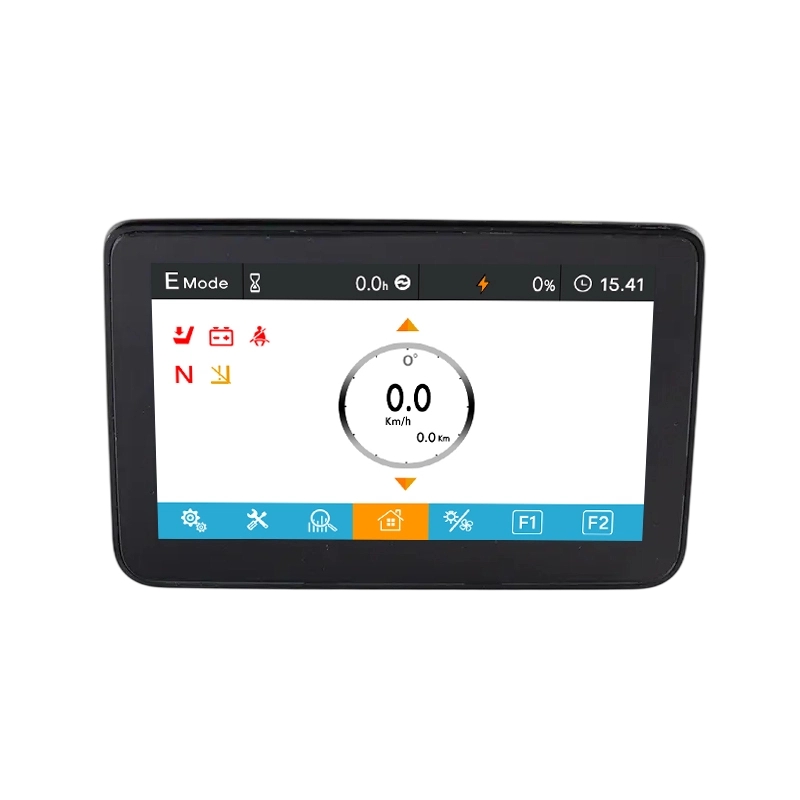
Electric industrial vehicles such as forklifts, reach trucks, automated guided vehicles, and heavy-duty electric tow tractors require specialized monitoring systems. Unlike traditional internal combustion engine vehicles, electric industrial vehicles rely heavily on precise electronic management to optimize battery usage, ensure operator safety, and maintain high operational efficiency in demanding warehouse and manufacturing environments.
The instrument cluster serves as the primary communication hub between the vehicle systems and the operator. It processes signals from the battery management system, motor controllers, and safety sensors to present clear, actionable data in real time. Modern instrumentation has transitioned from simple analog gauges to highly integrated digital dashboard displays that can withstand harsh operating conditions, including extreme temperatures, mechanical vibrations, and exposure to dust and moisture.
2 Key Component Categories in Electric Vehicle Dashboards
An effective instrumentation system for electric industrial vehicles comprises several critical telemetry and display components. These parts work together to provide a comprehensive overview of the machinery status.
- Battery Discharge Indicators: This component tracks the remaining energy levels of the lead-acid or lithium-ion battery packs. It prevents deep discharge scenarios that can permanently damage battery cells.
- Digital Hour Meters: Essential for fleet management and scheduled maintenance, hour meters track the exact operational runtime of the vehicle hydraulic systems and traction motors.
- Speedometers and Tachometers: These indicators track travel speed and motor rotation speeds to ensure compliance with indoor warehouse speed limits and warehouse safety protocols.
- Thermal Monitoring Displays: Electric motors and power electronics generate heat during heavy lifting operations. Temperature gauges monitor the inverter and motor thermal states to prevent overheating.
- Fault Code Communicators: When a system error occurs, the display panel presents specific diagnostic fault codes, allowing maintenance teams to troubleshoot issues without extensive diagnostic hardware.
3 Technical Specifications of Industrial Display Panels
Industrial vehicle instruments must meet stringent design criteria to function reliably in heavy B2B environments. The following table highlights the core engineering parameters for modern electric industrial vehicle instruments.
| Parameter Type | Technical Specification Details | Operational Purpose |
|---|---|---|
| Communication Protocol | Controller Area Network bus communication | Enables seamless data exchange between the motor controller, battery management system, and display panel |
| Ingress Protection Rating | IP65 or IP67 water and dust resistance | Protects internal electronics from water jet washdowns and fine airborne dust in industrial plants |
| Operating Voltage Range | 12 Volts to 80 Volts direct current auto-sensing | Allows a single instrument model to function across various forklift battery configurations |
| Display Technology | Transflective liquid crystal display or high-contrast light emitting diode | Ensures clear visibility under direct sunlight and inside dimly lit storage facilities |
| Shock and Vibration Resistance | 5G to 10G continuous mechanical shock testing | Prevents component failure when vehicles travel over uneven warehouse expansion joints |
4 The Importance of CAN Bus Communication in Modern Fleets
The integration of Controller Area Network bus technology, commonly known as CAN bus, has revolutionized how industrial vehicle instruments operate. In older vehicle designs, every single gauge required a dedicated analog wire running from the sensor directly to the dashboard. This created complex wiring harnesses that were prone to loose connections and electrical noise interference.
With CAN bus architecture, all vehicle components—such as the motor controller, hydraulic pumps, braking units, and battery packs—are connected to a single, shared two-wire network. The instrument panel acts as a smart node on this network, reading the serialized data packets transmitted by various modules. This configuration offers several distinct advantages for industrial operations:
- Reduced Wiring Complexity: Fewer physical wires mean fewer points of failure, lower vehicle weight, and simplified assembly processes during vehicle manufacturing.
- Advanced Diagnostics: Because the instrument panel has access to the entire vehicle data network, it can display highly descriptive error messages and operational warnings, minimizing vehicle downtime.
- Fleet Telematics Integration: The centralized data stream can easily be forwarded to external wireless telemetry modules, allowing warehouse managers to monitor fleet health, battery charging cycles, and operator behavior remotely.
5 Environmental Adaptation and Ruggedized Design Standards
Industrial material handling equipment frequently transitions between vastly different environments, such as moving from a sub-zero cold storage freezer unit directly into a hot, humid loading dock. This rapid temperature shift creates a high risk of condensation inside the electronic instrument enclosures.
To combat this, premium instruments utilize ruggedized design techniques. The outer housings are molded from high-impact polycarbonate materials that resist chemical spills, hydraulic oils, and ultraviolet radiation exposure. Internal circuit boards are treated with a layer of conformal coating, which is a specialized protective chemical coating that seals the electronic components away from moisture and airborne contaminants. Additionally, advanced displays incorporate anti-fogging glass and integrated pressure equalization vents to prevent internal moisture accumulation while maintaining a strict waterproof seal.
6 Strategic Service Advantages of Our Manufacturing Enterprise
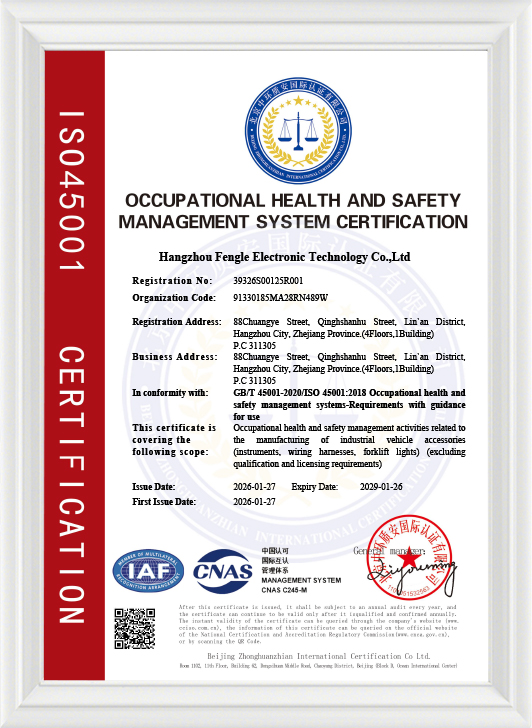
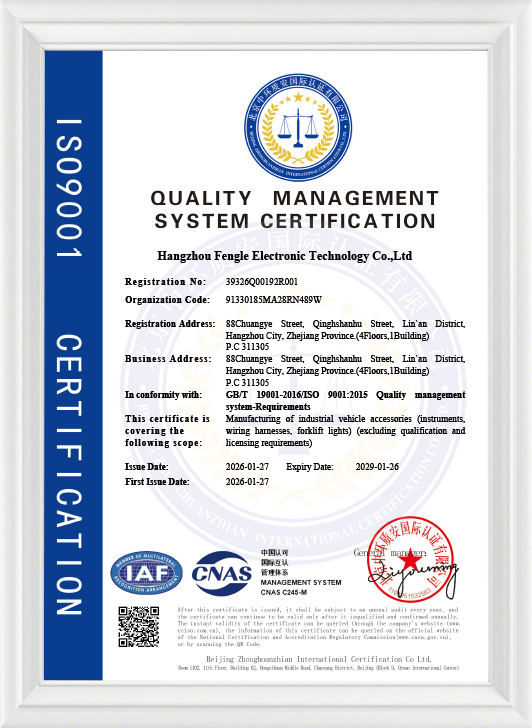
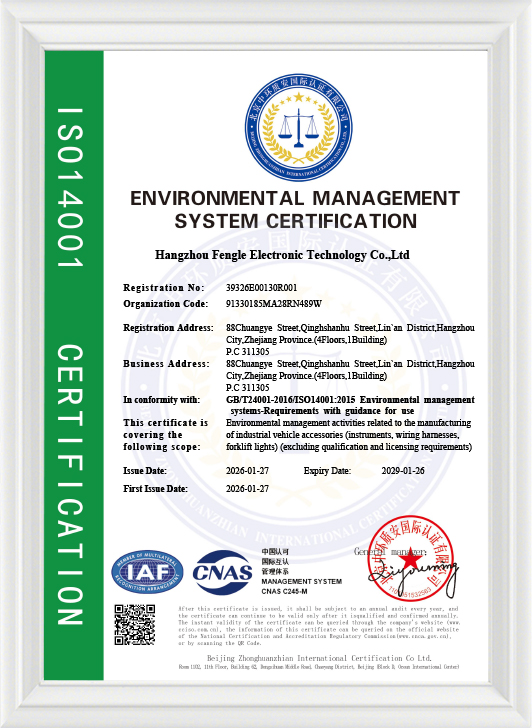
Hangzhou Fengle Electronic Technology Co., Ltd. supports global heavy equipment manufacturers and industrial fleet suppliers through robust design, manufacturing, and technical capabilities.
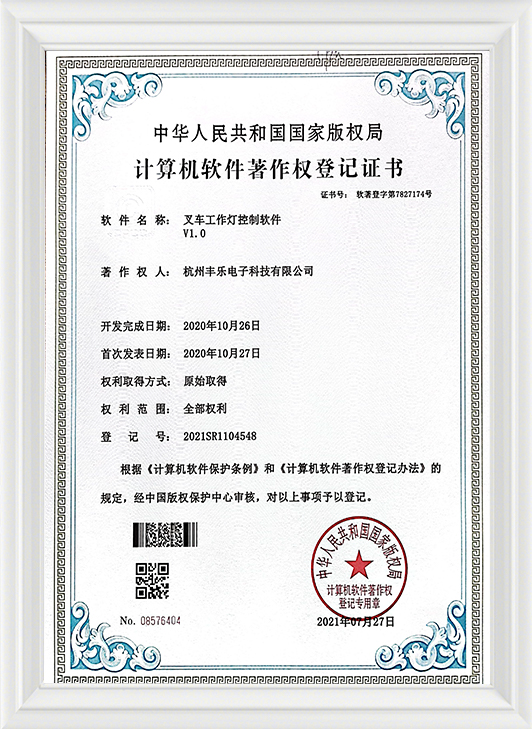
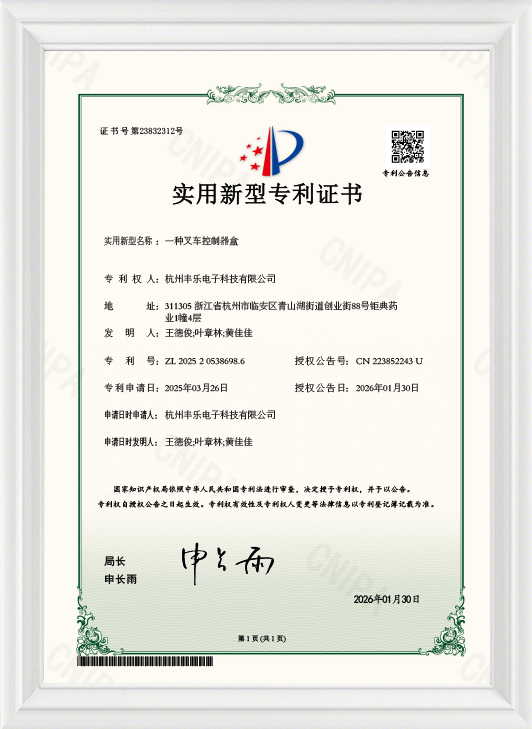
- 1 End-to-End Design and Development: As a national high-tech enterprise, Hangzhou Fengle Electronic Technology Co., Ltd. integrates research, development, and engineering design under one roof. This allows us to take custom concepts and turn them into production-ready automotive electronic solutions rapidly.
- 2 Customized Solution Provision: We understand that every industrial vehicle has unique operational layouts. Hangzhou Fengle Electronic Technology Co., Ltd. provides tailored software calibrations, custom display layouts, and flexible voltage adaptations to match your specific vehicle line requirements.
- 3 High-Quality and Reliable Manufacturing: Utilizing precision manufacturing processes and rigorous automated testing equipment, our products deliver long service lifespans under heavy industrial stress, reducing warranty claims for our B2B partners.
- 4 Comprehensive Technical Support: From initial CAN bus protocol integration to post-purchase fleet configuration, our dedicated engineering team provides detailed documentation and active technical support to ensure smooth implementation.
7 Industry Frequently Asked Questions
What is the primary purpose of a Battery Discharge Indicator on an electric forklift?
The primary purpose is to accurately monitor the remaining state of charge of the battery pack. It serves as a visual guide for the operator to know when the vehicle must return to a charging station, protecting the battery cells from deep discharge conditions that reduce overall battery lifespan.
Can these instruments handle extreme temperature fluctuations?
Yes, industrial-grade instruments are engineered to operate within wide temperature ranges, typically from negative 30 degrees Celsius up to positive 70 degrees Celsius. This enables reliable operation in outdoor yards, heavy manufacturing environments, and cold-storage warehouse facilities.
How does a CAN bus display simplify vehicle troubleshooting?
Instead of requiring technicians to check individual sensor voltages manually, a CAN bus display reads digital error codes directly from the vehicle central network. It displays specific fault codes or text alerts on the screen, indicating exactly which system requires maintenance.
What Ingress Protection rating is recommended for warehouse vehicles?
An Ingress Protection rating of IP65 or higher is recommended. An IP65 rating guarantees that the instrument is completely sealed against dust entry and can withstand low-pressure water streams, which is essential for vehicles subjected to regular cleaning or dusty environment operations.
Is it possible to customize the display interface for specific vehicle models?
Yes, modern digital dashboards allow for customizable software configurations. Manufacturers can program custom startup logos, select specific gauge layouts, define unique warning thresholds, and configure language options to match the branding and functionality of their specific vehicle models.

