


 русский
  Español
  中文简体
中文简体
Instruments for Electric Industrial Vehicles

Home / Product / Industrial Vehicles Instruments / Instruments for Electric Industrial Vehicles / 3.97-inch TFT Electric Vehicle Instrument Cluster with IC Card Function
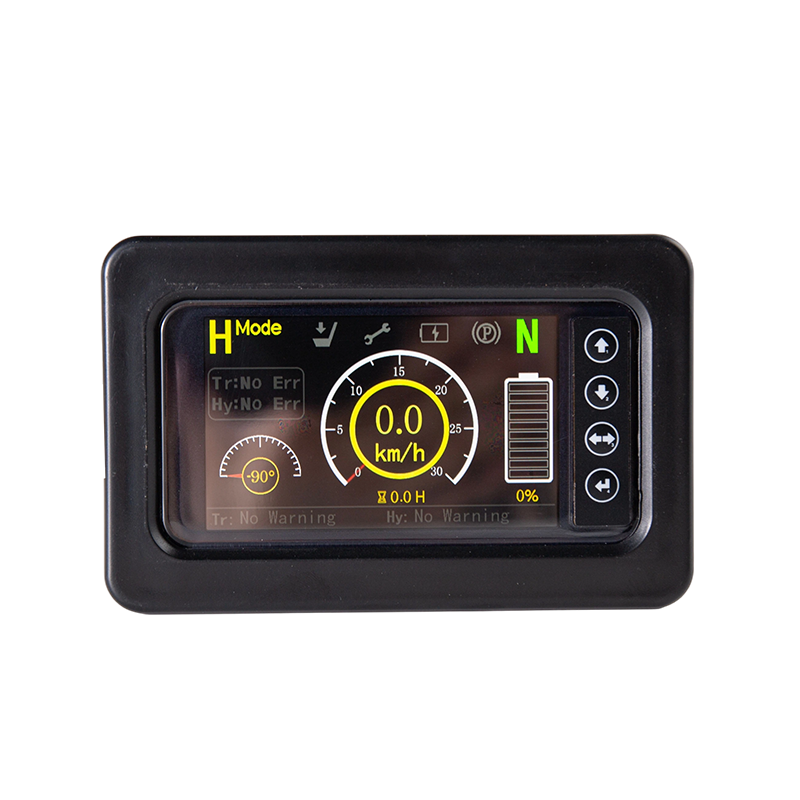
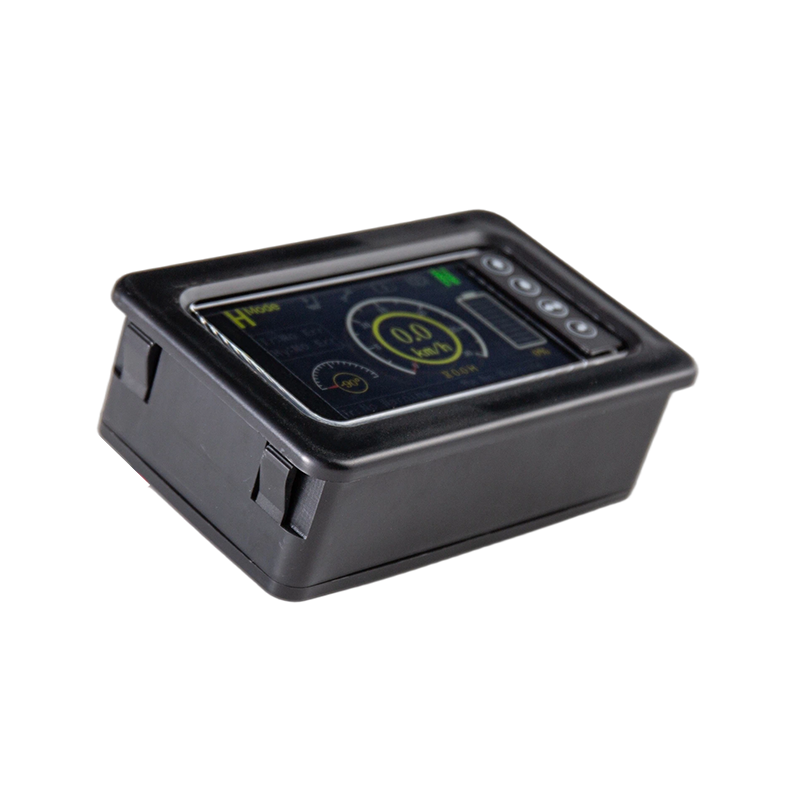
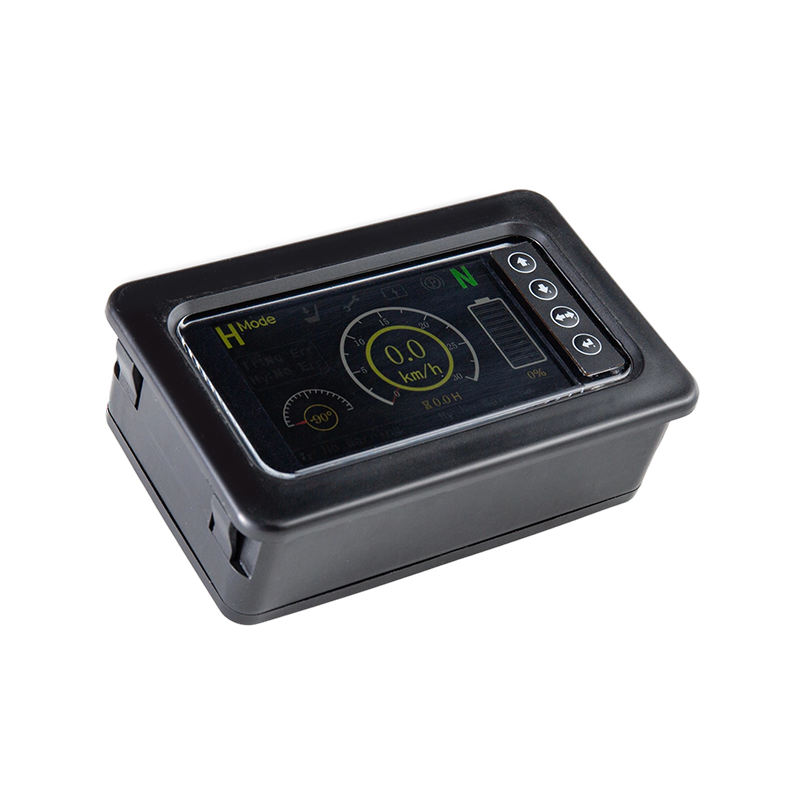
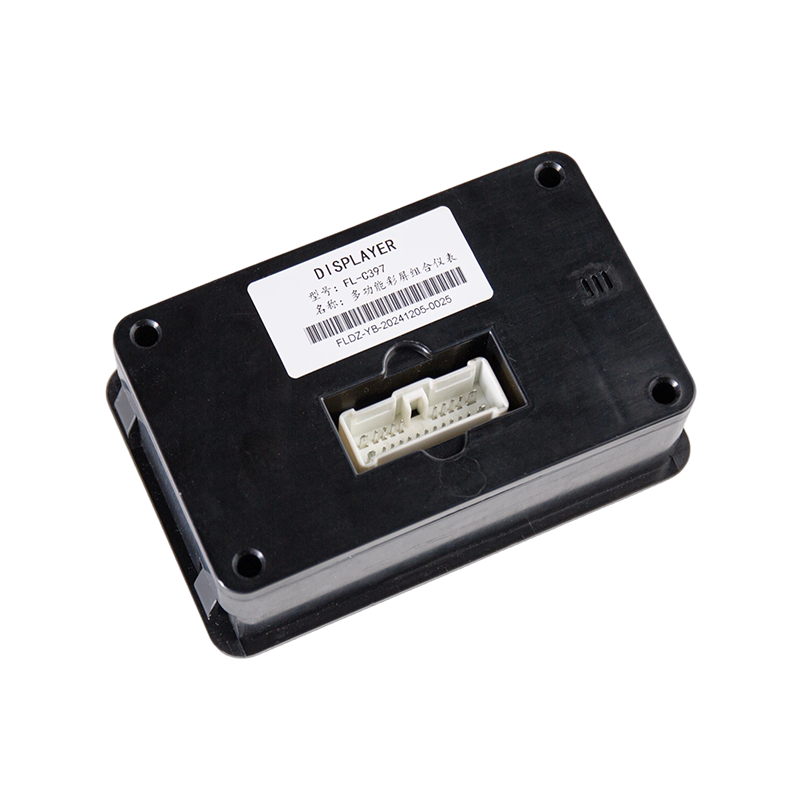
3.97-inch TFT Electric Vehicle Instrument Cluster with IC Card Function
Product Parameters:
- Model: FLYB-0110
- Protection Level: IP65
- Operating Voltage: DC9~32V
- Operating Temperature: -30°C ~ +70°C
- Storage Temperature: -30°C ~ +80°C
- Communication Mode: CAN
- Interface Type:6098-3572
- Resolution: 800*480
- Screen: 3.97-inch TFT Color Screen
- Dimensions(mm):146*93*46
| Model | FLYB-0110 |
| Protection Level | IP65 |
| Operating Voltage | DC9~32V |
| Operating Temperature | -30°C ~ +70°C |
| Storage Temperature | -30°C ~ +80°C |
| Communication Mode | CAN |
| Interface Type | 6098-3572 |
| Resolution | 800*480 |
| Screen | 3.97-inch TFT Color Screen |
| Dimensions(mm) | 146*93*46 |
| Product Certification | Compliant with CE, FCC , UL, RoHS 2.0, ISO 7637-2:2011 |
| Functions | It adopts push-button operation, and the screen displays comprehensive vehicle information such as speed, working hours, battery level, turn signals and fault codes. It also supports IC card swiping. |
This 3.97-inch landscape-oriented color display for electric vehicles features a high-performance industrial-grade microcontroller as its main controller, with integrated CAN bus communication and IC card reading capabilities. It provides a comprehensive view of vehicle information, and users can easily switch between functions using four buttons, ensuring intuitive operation and high visual clarity.
Key Advantages
1. Utilizes a high-performance industrial-grade microcontroller as the main controller, integrating CAN Bus communication and IC card swiping functions. Supports real-time vehicle information display and access control, enhancing operational safety and management efficiency.
2. Equipped with a 3.97-inch TFT color screen, allowing for quick function switching via four adjustment buttons. Operation is convenient, and information is displayed clearly and intuitively.
3. Supports an ultra-wide operating temperature range of -30°C to +70°C and features an IP65 protection rating. It offers excellent anti-interference performance and withstands harsh operating conditions such as vehicle vibrations, humidity, and electromagnetic interference.
4. Displays comprehensive real-time vehicle information, including speed, battery level, gear position, operating hours, and fault codes. Data exchange is stable and efficient, with high visual clarity.
Supports in-depth functional customization, allowing interfaces, parameters, and features to be tailored to specific vehicle models and customer requirements. It perfectly adapts to electric construction and industrial vehicles, meeting personalized needs across various scenarios.
-
 LEARN MORE
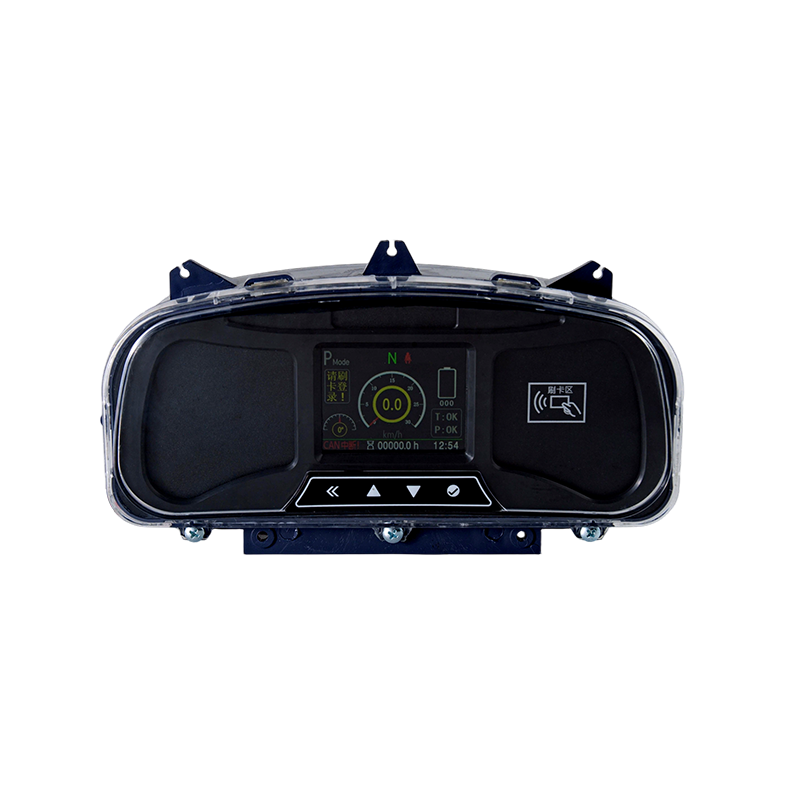
2.8-inch CAN Bus Electric Vehicle Dashboard with IC Card FunctionThis 2.8-inch TFT color display, designed specifically for electric forklifts, f...
LEARN MORE
2.8-inch CAN Bus Electric Vehicle Dashboard with IC Card FunctionThis 2.8-inch TFT color display, designed specifically for electric forklifts, f... -
 LEARN MORE
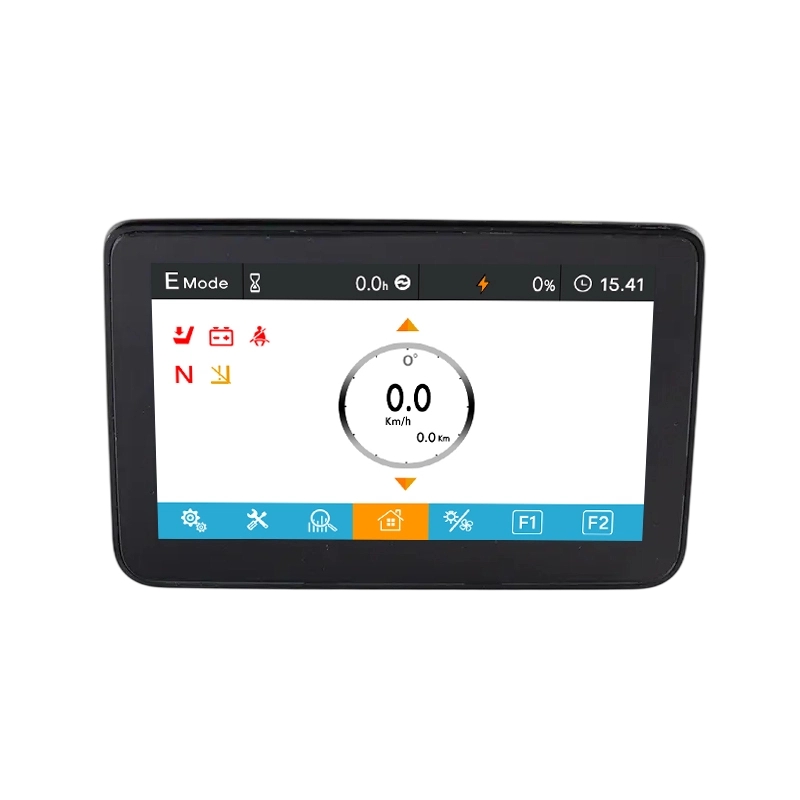
5-inch Multi-orientation TFT Industrial Vehicle Instrument ClusterThis 5-inch landscape/portrait embedded color display instrument panel utilizes ...
LEARN MORE
5-inch Multi-orientation TFT Industrial Vehicle Instrument ClusterThis 5-inch landscape/portrait embedded color display instrument panel utilizes ... -
 LEARN MORE
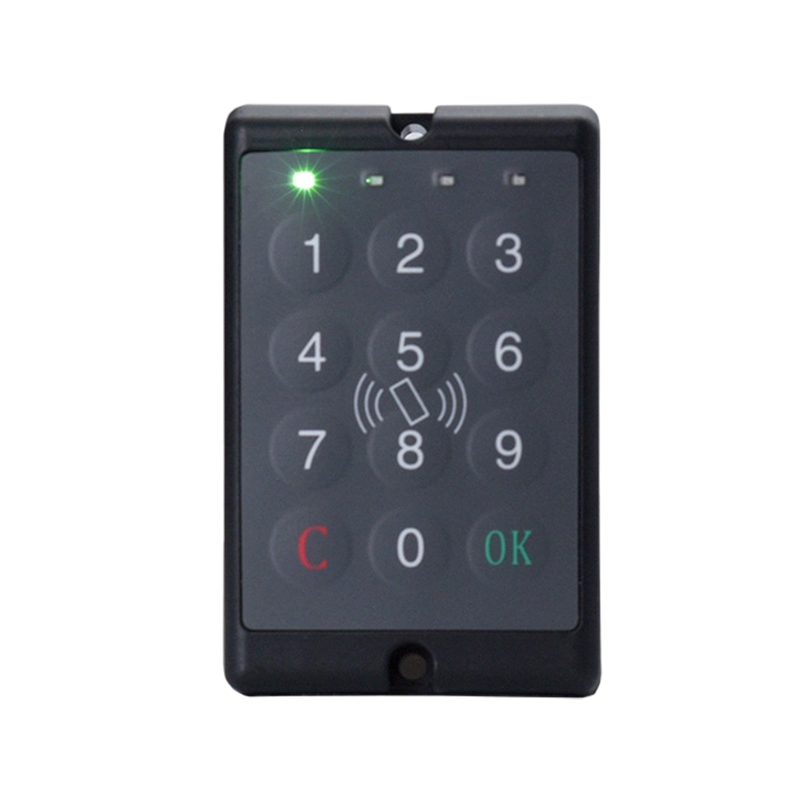
IC Card Reader with Password Unlock CAN2.0 125K Baud for Industrial VehicleThis horizontal IC card reader integrates dual functions—IC card registration an...
LEARN MORE
IC Card Reader with Password Unlock CAN2.0 125K Baud for Industrial VehicleThis horizontal IC card reader integrates dual functions—IC card registration an... -
LEARN MORE
IC Card Reader with Password Unlock CAN2.0 500K Baud for Industrial VehicleThis card reader supports dual unlocking methods—IC card and numeric PIN—and fea...
-
 LEARN MORE
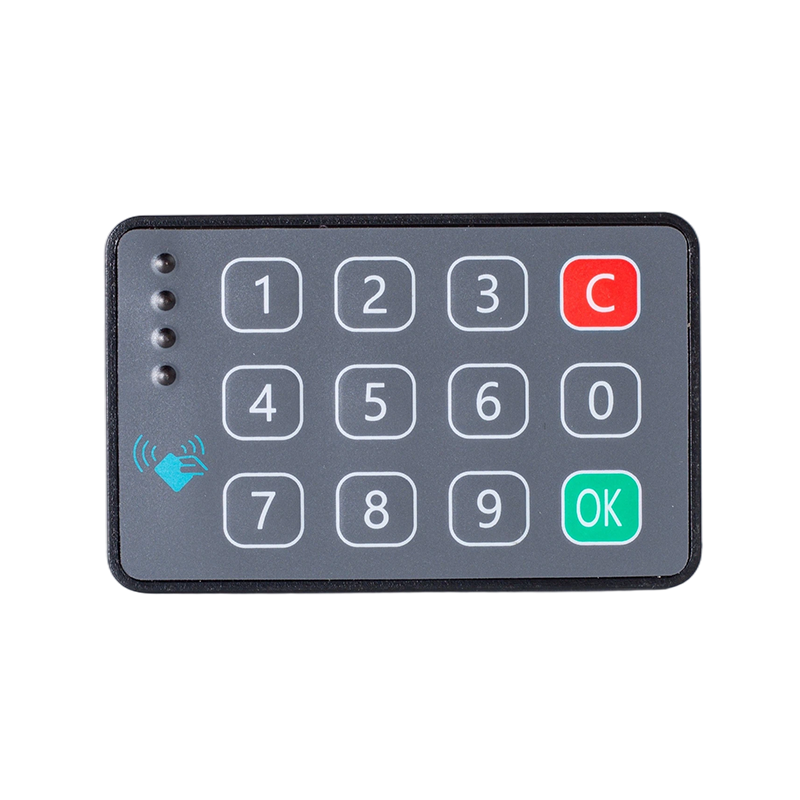
Horizontal IC Card Reader with Keypad / CAN2.0 125K Baud / Industrial Vehicle Fleet Management Access ControlThis compact, horizontal-style IC card reader integrates three security features...
LEARN MORE
Horizontal IC Card Reader with Keypad / CAN2.0 125K Baud / Industrial Vehicle Fleet Management Access ControlThis compact, horizontal-style IC card reader integrates three security features... -
 LEARN MORE
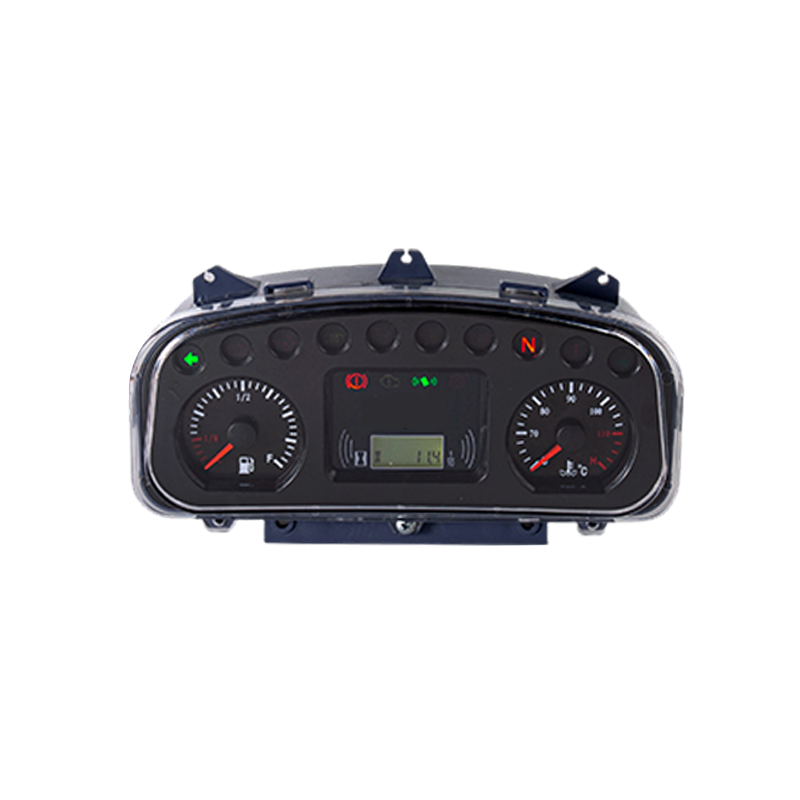
Multi-Function Smart CAN-Bus Digital Cluster for Industrial VehiclesThis high-performance instrument cluster is specifically designed for internal c...
LEARN MORE
Multi-Function Smart CAN-Bus Digital Cluster for Industrial VehiclesThis high-performance instrument cluster is specifically designed for internal c...



CONTACT
- 88 Chuangye Street, Qingshanhu Street, Lin 'an District, Hangzhou City, Zhejiang, China
- fldz@fengletech.com
- +86-571-61097576
- +86-13721109386
- +86-15067105688
NEWSLETTER
Contact us today to get your exclusive solution and quote.
We promise never to disclose your privacy.
