


 русский
  Español
  中文简体
中文简体

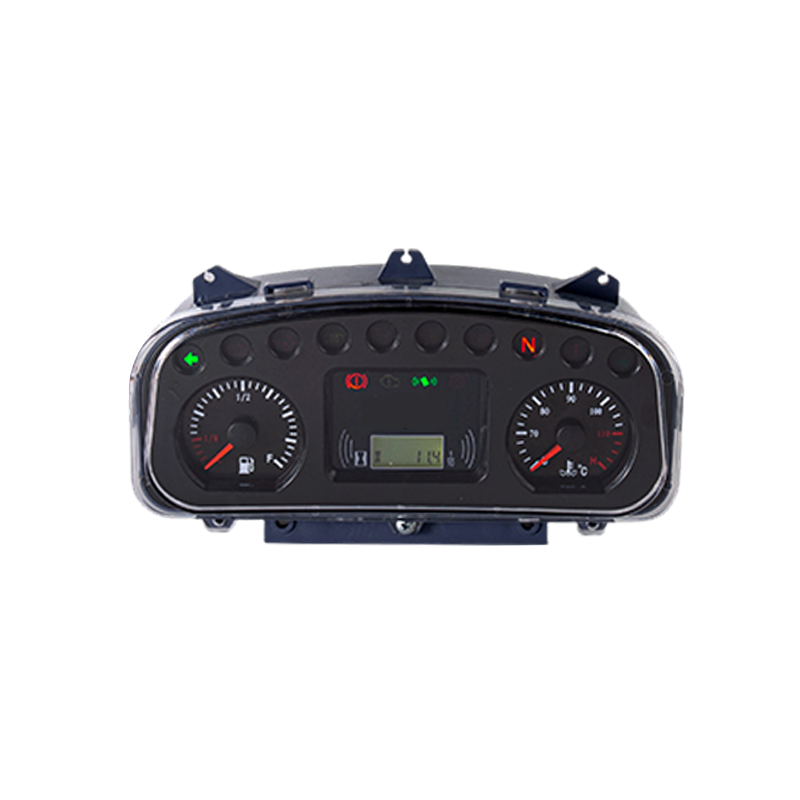
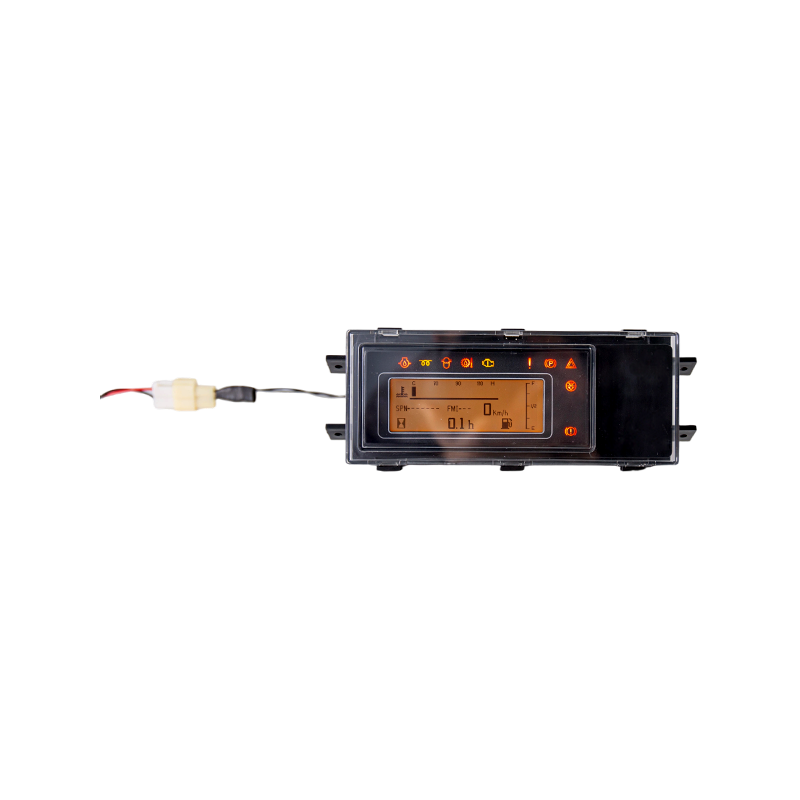
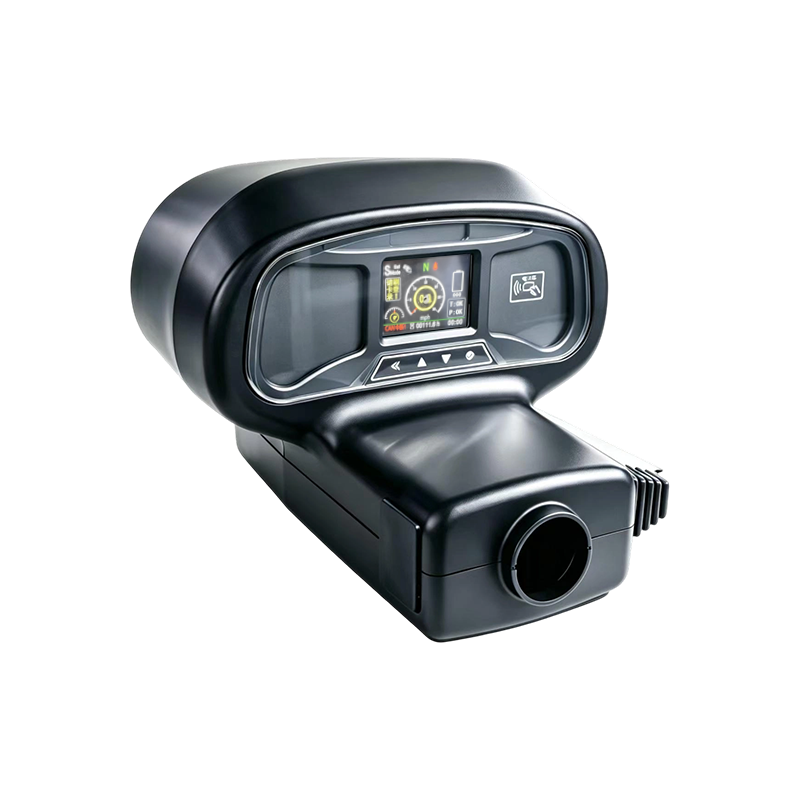
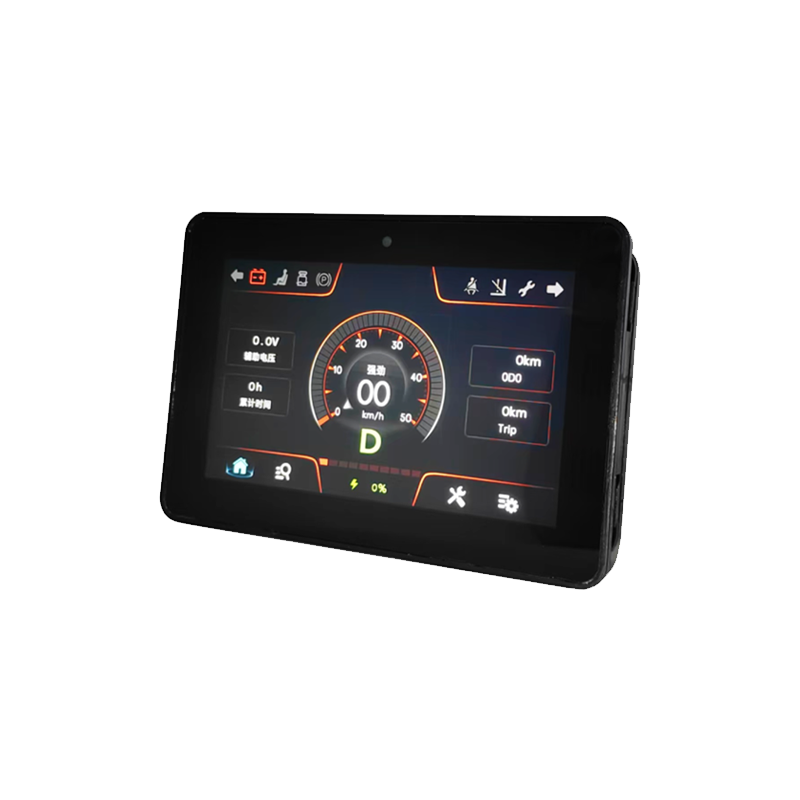

1 Introduction to AGV Wiring Harness Systems
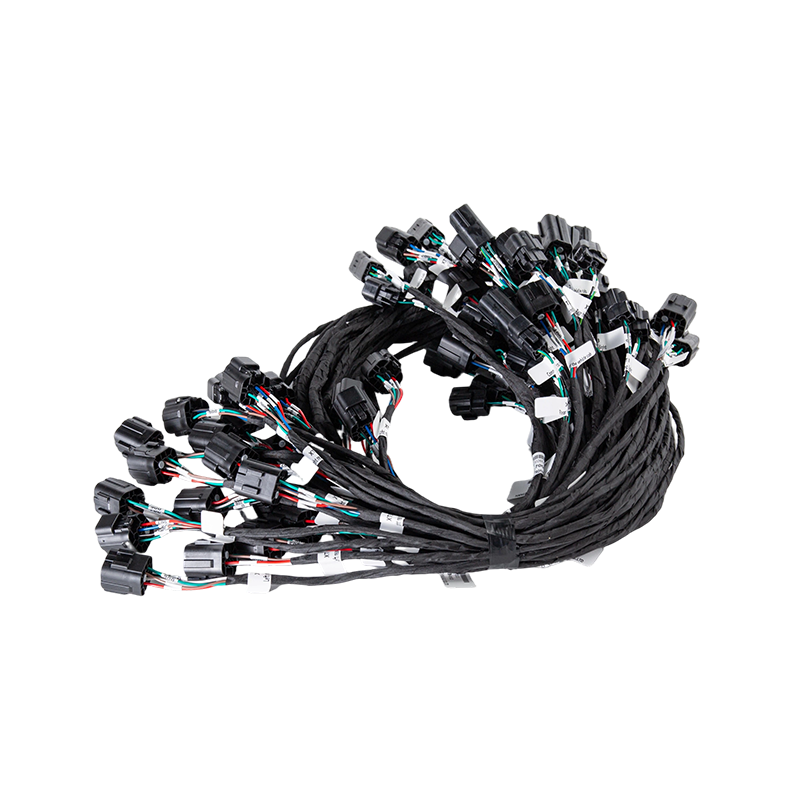
Automated Guided Vehicles, commonly known as AGVs, have become essential in modern industrial automation, smart warehousing, and logistics. These driverless vehicles rely on a complex network of cables and connectors to transmit power and data seamlessly. An Intelligent AGV Wiring Harness acts as the central nervous system of the vehicle, linking the main controller, navigation sensors, drive motors, and battery management systems.
For international procurement managers, selecting the right industrial cable assembly is critical. A failure in a single wire can halt an entire production line or automated warehouse. High-quality manufacturing ensures that these harness systems can withstand the continuous motion, tight bending radiuses, and harsh environmental conditions typical of modern factory floors. Hangzhou Fengle Electronic Technology Co Ltd specializes in engineering these robust interconnect systems to meet strict global performance standards.
2 Key Component Architecture of AGV Harnesses
An intelligent wiring system for automated vehicles consists of several specialized segments. Each segment must handle specific electrical and mechanical loads while maintaining signal integrity.
2.1 Power Distribution Assemblies
These heavy-gauge cables connect the main battery pack to the drive motors and power management modules. They must handle high current loads without overheating. Flexible copper conductors and high-temperature insulation materials are standard to ensure long-term reliability.
2.2 Signal and Data Transmission Cables
AGVs utilize advanced navigation systems such as LiDAR, laser sensors, magnetic tape readers, and vision cameras. Data cables must support high-speed protocols like CAN bus, Ethernet, and RS485. Proper shielding is required to prevent Electromagnetic Interference from the drive motors from corrupting sensor data.
2.3 Sensor and Actuator Connections
These smaller breakout harnesses connect the central control unit to safety bumpers, proximity sensors, limit switches, and braking actuators. They require durable, compact connectors that resist vibration and industrial fluids.
3 Technical Specifications and Material Selection
To ensure reliable operation in 24-hour industrial environments, the materials used in the manufacturing process must meet rigorous performance metrics. The following table highlights the standard technical requirements for premium industrial AGV wiring systems.
| Parameter Category | Standard Requirement | Industrial Benefit |
|---|---|---|
| Conductor Material | High-purity oxygen-free copper | Low resistance and maximum flexibility |
| Insulation Jacket | Polyurethane or Thermoplastic Elastomer | High resistance to oil, abrasion, and tearing |
| Shielding Efficiency | Minimum 85 percent braided copper or aluminum foil | Prevents signal degradation from motor noise |
| Bending Lifespan | Greater than 5 million flex cycles | Ideal for dynamic drag chain installations |
| Rated Voltage | 24 Volts to 600 Volts DC | Adapts to both logic controls and heavy drive motors |
| Temperature Range | Minus 40 to 105 degrees Celsius | Ensures performance in cold storage and hot factories |
| Flame Retardancy | UL94 V-0 or VW-1 compliant | Prevents fire propagation in electronic compartments |
4 Crucial Design Considerations for Industrial Applications
When developing a custom wiring solution for engineering vehicles and mobile robots, engineering teams must evaluate several environmental and mechanical factors.
4.1 Dynamic Flexing and Torsional Stress
Unlike static wiring found in traditional electrical cabinets, AGV harnesses are constantly in motion. Cables installed inside drag chains or robotic steering joints experience continuous bending and twisting. Manufacturers must use fine-stranded conductors and specialized cable layering techniques to prevent internal wire breakage caused by metal fatigue.
4.2 Electromagnetic Compatibility
Industrial environments are filled with electrical noise generated by frequency inverters, welding machines, and heavy motors. If the data cables inside an AGV are not properly shielded, this noise can disrupt sensor signals, causing navigation errors or emergency stops. Utilizing twisted-pair cabling and double-shielding (braid plus foil) mitigates these risks.
4.3 Environmental Resistance
Factory floors and automated warehouses often expose equipment to industrial lubricants, hydraulic fluids, cutting oils, and moisture. The outer jacket of the wiring harness must be non-reactive to these chemicals to prevent cracking and insulation breakdown over time.
5 Service Advantages of Hangzhou Fengle Electronic Technology Co Ltd
Choosing the right manufacturing partner is vital for successful international trade and long-term project stability. Hangzhou Fengle Electronic Technology Co Ltd offers distinct operational advantages that ensure high-quality production and reliable global delivery.
5.1 Comprehensive Research and Development Integration
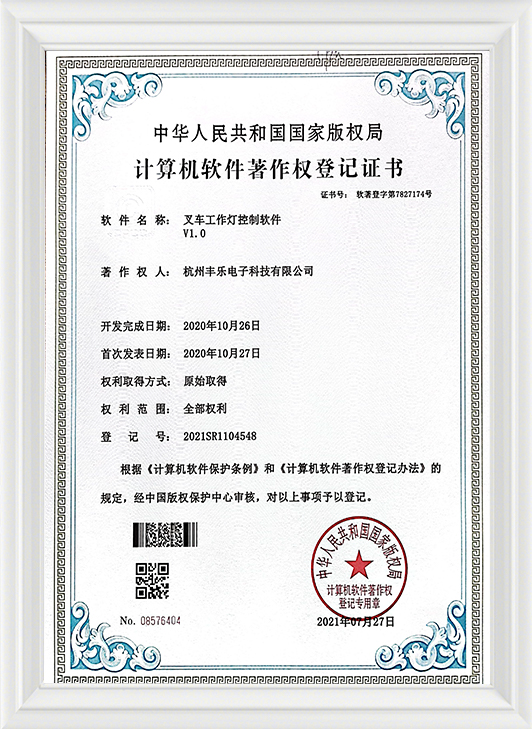
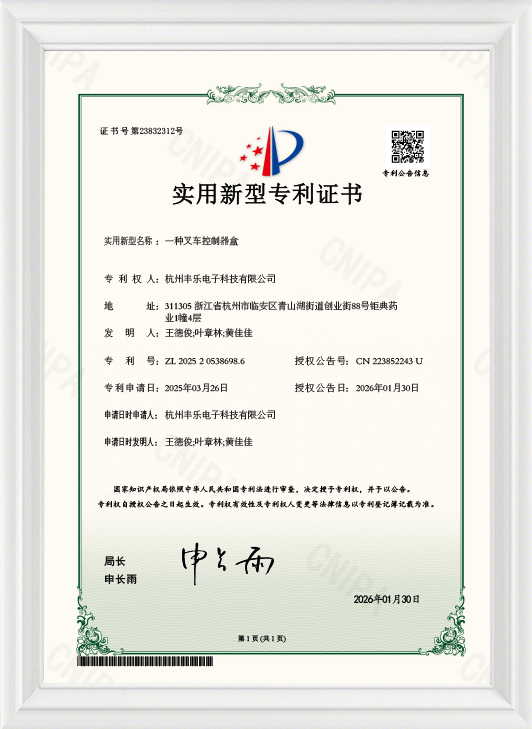
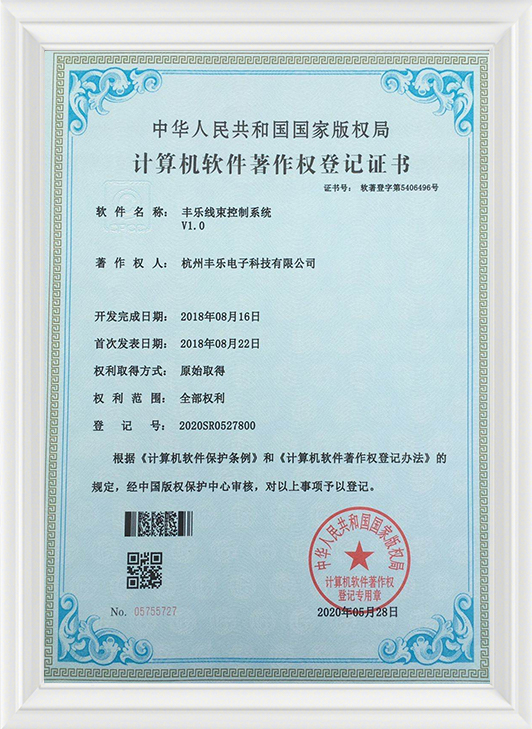
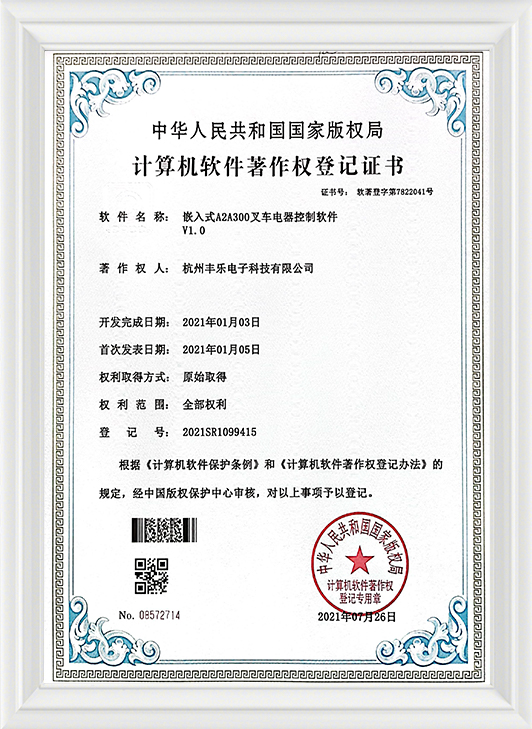
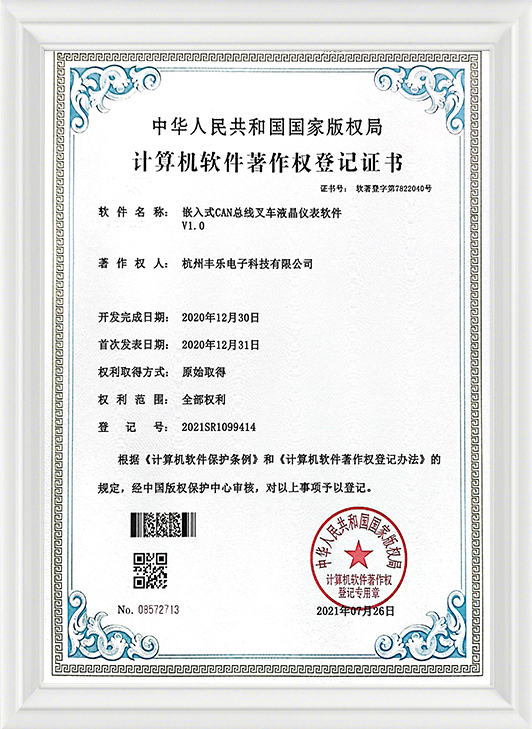
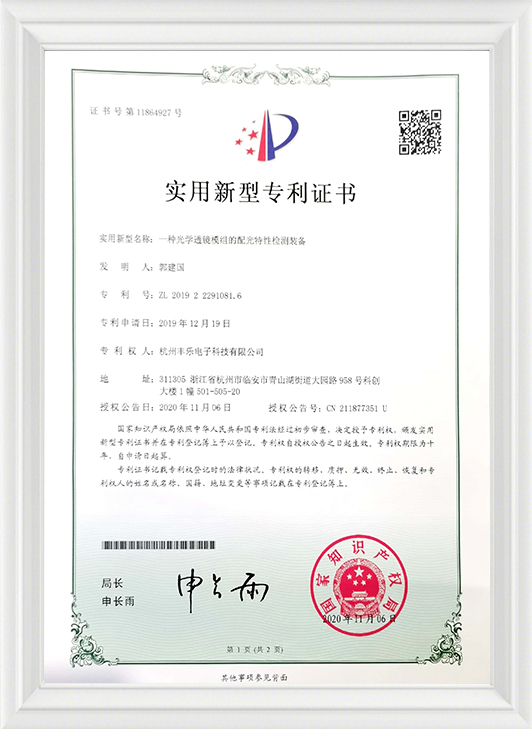
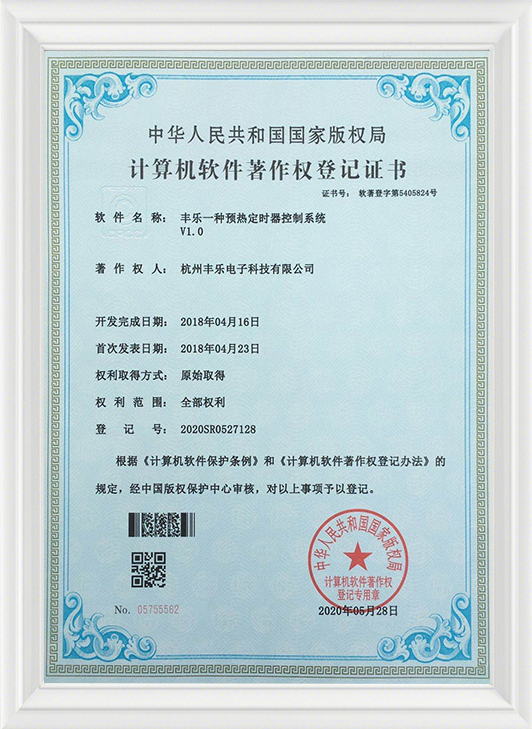
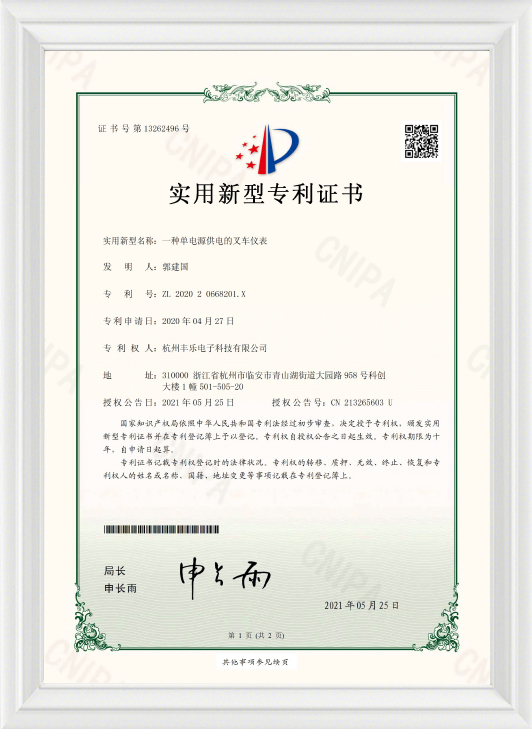
As a national high-tech enterprise, the company integrates design, research, development, production, and sales under one roof. This allows for seamless technical support from the initial blueprint stage to final mass production, ensuring that all customized solutions match the exact requirements of your engineering vehicles or electronic systems.
5.2 Advanced Quality Control and Testing Infrastructure
Every wiring harness undergoes strict automated testing before leaving the factory. The production facility utilizes advanced continuity testers, pull-force testers, and environmental simulation chambers. This rigorous process guarantees that every assembly can withstand the demanding conditions of industrial automation.
5.3 Customization and Engineering Expertise
No two AGV models are identical. The engineering team at Hangzhou Fengle Electronic Technology Co Ltd works closely with clients to customize wire lengths, connector brands, shielding types, and jacket materials. This tailored approach optimizes both space and performance inside the vehicle chassis.
5.4 Robust Supply Chain and Global Logistics Support
Operating in the heart of an industrial manufacturing hub allows the company to source premium raw materials efficiently. This supply chain stability translates into competitive lead times, reliable bulk production capacities, and efficient export handling for international wholesale buyers.
6 Frequently Asked Questions
FAQ 1 What jacket materials are best for AGV drag chain cables
Polyurethane is widely considered the best choice for dynamic applications due to its exceptional mechanical strength, abrasion resistance, and flexibility. For environments requiring extreme temperature tolerance or chemical resistance, Thermoplastic Elastomer jackets are also highly effective.
FAQ 2 How does the company prevent signal interference between power and data lines
Engineers design the harness layout to physically separate high-current power lines from sensitive data lines wherever possible. Additionally, the data lines utilize independent braided shielding and twisted-pair configurations to isolate the signals from internal and external electromagnetic noise.
FAQ 3 Can Hangzhou Fengle Electronic Technology Co Ltd manufacture harnesses using specific connector brands
Yes. The production process can integrate original connectors from internationally recognized brands such as Molex, Amphenol, TE Connectivity, and Deutsch, or utilize high-quality equivalent components based on customer specifications and cost targets.
FAQ 4 What specific quality testing does an AGV wiring harness undergo
Each assembly is subjected to a series of quality checks, including automated wiring harness testing for continuity and insulation resistance, crimp cross-section analysis, tensile strength tests for terminals, and visual inspections to ensure precise dimensions and labeling.
FAQ 5 What is the typical lead time for a custom wiring harness project
Lead times depend on the complexity of the design and the availability of specific components. Standard custom designs using readily available materials generally take between two to four weeks for sample approval, with mass production timelines scaled to the project volume.

