


 русский
  Español
  中文简体
中文简体


1. Introduction to Vehicle Drive Wheels for Industrial Vehicles
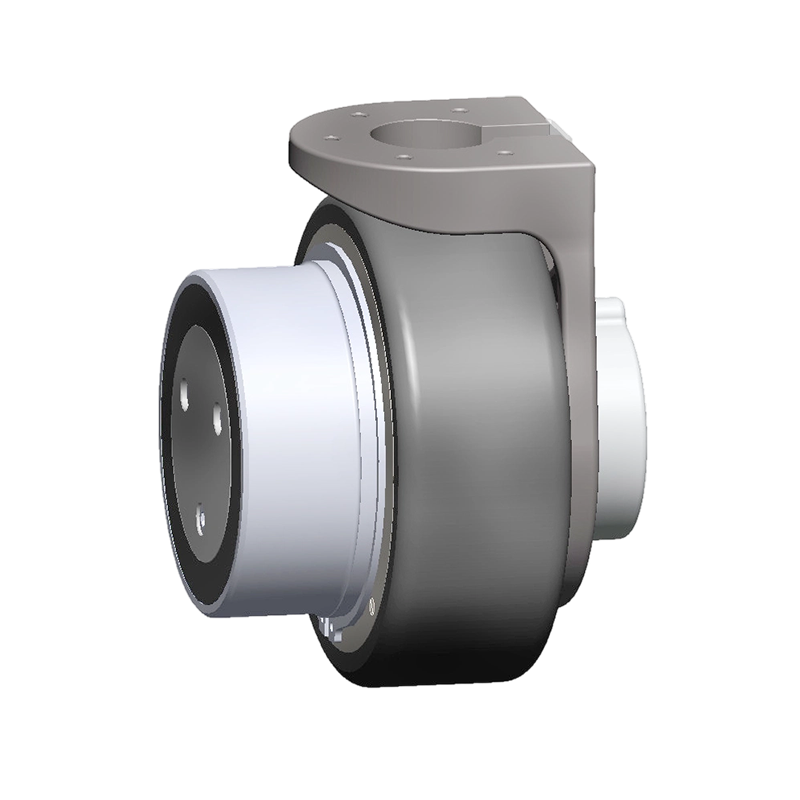
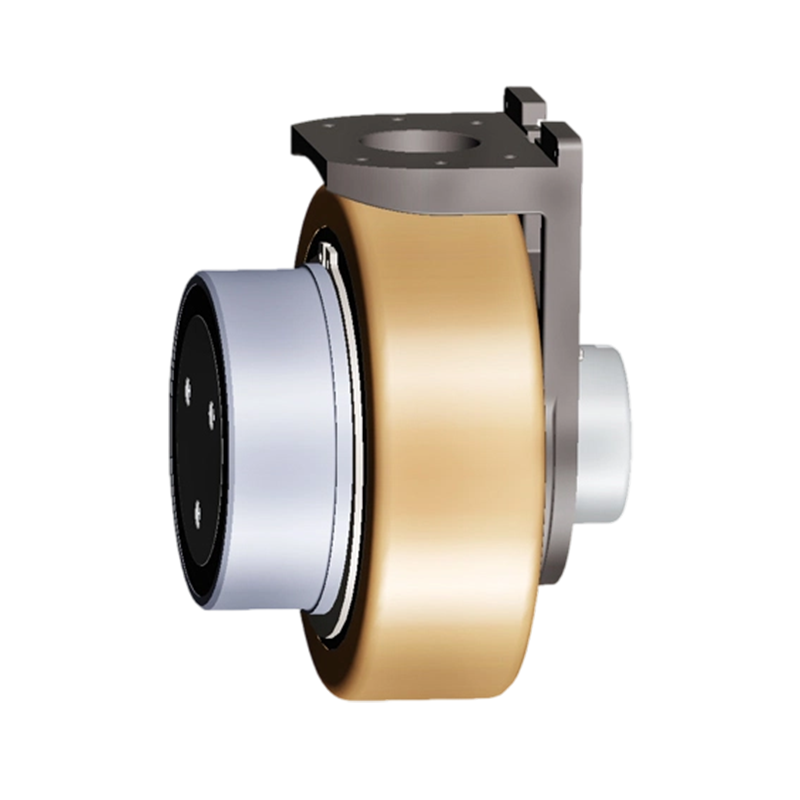
In the demanding world of material handling and industrial logistics, the efficiency of an automated guided vehicle (AGV), forklift, or heavy-duty engineering vehicle relies heavily on its drivetrain components. At the heart of this mobility is the Vehicle Drive Wheel. Far from being a simple rolling component, an industrial drive wheel is a highly engineered system that integrates mechanical structures, advanced material science, and precise electronic control to ensure reliable propulsion, steering, and load-bearing capabilities.
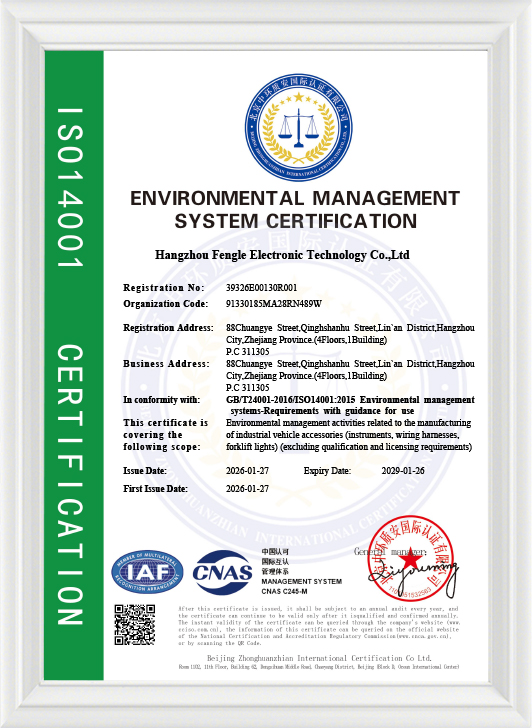
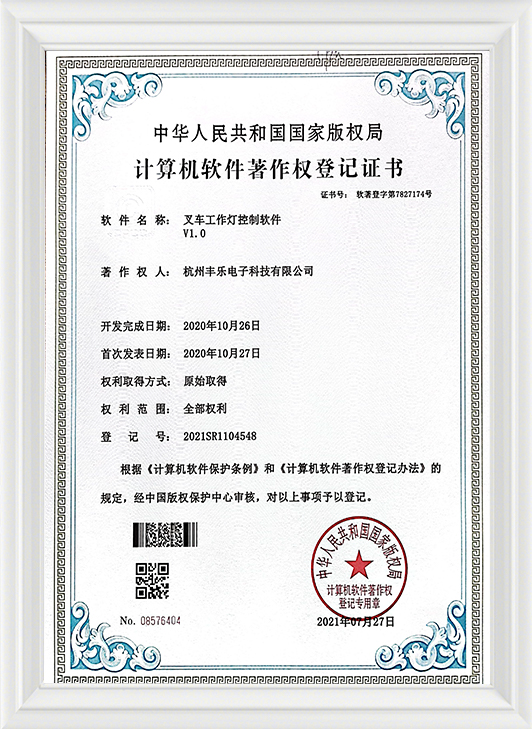
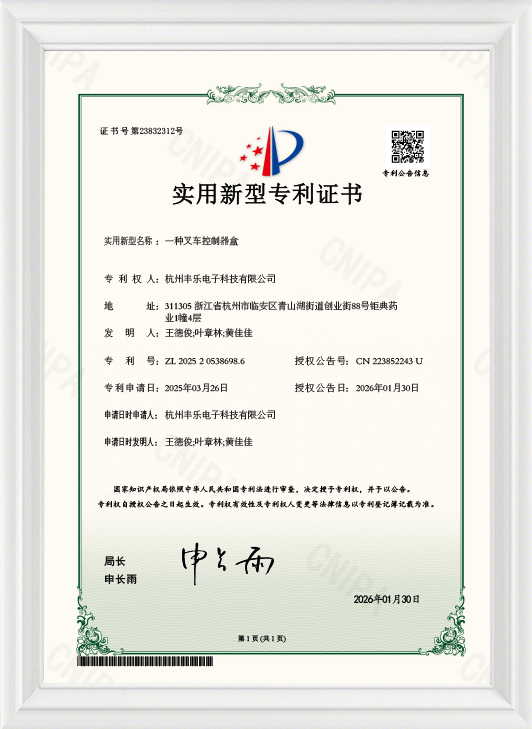
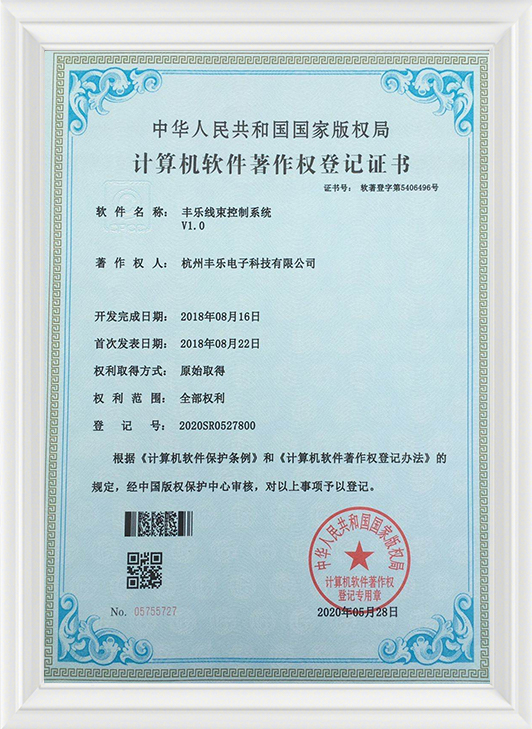
For global procurement managers, engineers, and system integrators, selecting the right drive wheel system is critical. It directly influences vehicle uptime, energy efficiency, and operational safety. Hangzhou Fengle Electronic Technology Co., Ltd. specializes in bridging the gap between advanced automotive electronics and robust mechanical design, delivering optimized drive wheel solutions tailored for next-generation industrial vehicles.
2. Core Technical Specifications and Classifications
Industrial vehicle drive wheels come in various configurations depending on the specific application requirements, such as load capacity, steering mechanics, and power sources. Understanding these classifications helps in selecting the ideal component for your engineering fleet.
2.1 Mechanical Configuration Types
- Horizontal Drive Wheels: The motor is positioned horizontally, parallel to the ground. This design is highly favored for its low profile, making it ideal for low-clearance vehicles like AGVs and under-ride robots.
- Vertical Drive Wheels: The motor is mounted vertically, perpendicular to the chassis. While it requires more vertical space, it offers excellent heat dissipation and allows for larger, more powerful motors to handle extreme loads.
- Integrated Steering Drive Wheels: These systems combine both driving and steering functionalities into a single, compact unit, allowing for 360-degree maneuverability in tight warehouse environments.
2.2 Comparative Analysis of Industrial Drive Wheels
To assist in the technical evaluation process, the table below outlines the primary parameters and performance characteristics of standard industrial drive wheel configurations.
| Parameter Criterion | Horizontal Drive Units | Vertical Drive Units | Integrated Servo Drive Wheels |
|---|---|---|---|
| Typical Load Capacity | 500 kg to 3000 kg | 2000 kg to 15000 kg | 300 kg to 2000 kg |
| Space Efficiency | High vertical efficiency, wider footprint | High horizontal efficiency, taller profile | Highly compact integrated design |
| Steering Flexibility | Moderate to High | High torque steering | Ultra-high precision 360-degree rotation |
| Primary Tire Material | Polyurethane or Rubber | Polyurethane or Vulcanized Steel | High-grade Polyurethane |
| Common Applications | Low-profile AGVs, Laser-guided vehicles | Heavy-duty forklifts, Reach trucks | Sorting robots, Omni-directional platforms |
3. Material Science in Industrial Tire Design
The tread material of a drive wheel dictates its traction, durability, and impact resistance. Industrial environments present harsh conditions, from oily floors to abrasive concrete, requiring specialized material formulations.
3.1 Polyurethane (PU) Treads
Polyurethane is the industry standard for indoor industrial vehicles. It offers an exceptionally high load-bearing capacity compared to rubber and features a very low rolling resistance, which directly translates to extended battery life for electric industrial vehicles. Furthermore, PU treads are non-marking, preserving warehouse floor coatings.
3.2 Industrial Rubber Treads
For outdoor engineering vehicles or rough terrains, specialized rubber compounds are preferred. Rubber provides superior shock absorption, protecting sensitive internal automotive electronics from heavy vibrations. It also offers excellent grip on uneven or wet surfaces, though it possesses a lower load capacity than polyurethane.
4. Why Choose Hangzhou Fengle Electronic Technology Co., Ltd.
Navigating the complexities of industrial vehicle manufacturing requires a partner who understands both mechanical resilience and electronic precision. Hangzhou Fengle Electronic Technology Co., Ltd. stands out as a premier partner through the following core service advantages:
- Integrated Design Capabilities: As a national high-tech enterprise, we do not just assemble parts. We integrate advanced automotive electronics with robust mechanical drive units, ensuring seamless communication between the motor controllers and the vehicle chassis.
- End-to-End Customized Solutions: Every industrial application is unique. We provide tailored modifications ranging from custom mounting dimensions and specific gear ratios to specialized tire compounds suited for unique environmental challenges.
- Rigorous Quality Assurance: Our production facilities utilize advanced testing protocols to simulate real-world stress, ensuring that every drive wheel delivers high-quality, reliable performance under continuous duty cycles.
- Comprehensive Technical Support: From initial engineering consultation and design simulation to after-sales maintenance and troubleshooting, our team provides full-lifecycle support to keep your operations running smoothly.
5. Maintenance Best Practices for Industrial Drive Wheels
To maximize the operational lifespan of your vehicle drive wheels and ensure warehouse safety, a structured maintenance routine is essential.
5.1 Regular Cleaning and Debris Removal
Industrial floors often accumulate shrink wrap, metal shavings, and dust. If these materials wind around the wheel axle, they can damage the oil seals, leading to gearbox leaks or motor overheating. Daily visual inspections are recommended.
5.2 Lubrication and Gearbox Inspection
For drive wheels utilizing integrated gear reducers, maintaining correct oil levels is vital. Lubricants should be replaced according to the manufacturer schedule to prevent metal-on-metal wear and ensure smooth torque transmission.
5.3 Tire Wear Monitoring
Uneven tire wear can cause tracking errors in automated vehicles, leading to navigation failures. Measuring wheel diameter regularly ensures the vehicle software can properly calibrate travel distance and steering angles.
6. Frequently Asked Questions (FAQ)
FAQ 1: How do I choose between a horizontal and a vertical drive wheel for my AGV design?
The choice depends primarily on your vehicle height constraints and load requirements. If your vehicle needs to slide underneath pallets or low carts, a horizontal drive wheel is best due to its low vertical profile. If you are building a heavy-duty vehicle that handles several tons and has ample vertical space, a vertical drive wheel is preferable because it accommodates larger motors and offers superior heat dissipation.
FAQ 2: What are the main benefits of polyurethane wheels over traditional rubber wheels?
Polyurethane wheels offer significantly higher load capacities, greater tear resistance, and lower rolling resistance, which saves battery power. They are also non-marking, making them ideal for clean indoor warehouse floors. Rubber wheels, however, provide better shock absorption and traction on rough outdoor surfaces.
FAQ 3: Can Hangzhou Fengle Electronic Technology Co., Ltd. customize drive wheels for specific environmental conditions?
Yes. Hangzhou Fengle Electronic Technology Co., Ltd. provides comprehensive customized solutions. We can tailor the wheel assemblies to withstand specific challenges, such as cold-storage environments, high-humidity zones, or cleanrooms, by utilizing specialized seals, lubricants, and anti-corrosive coatings.
FAQ 4: What parameters are needed to get a precise customized drive wheel quote?
To provide an accurate solution, we typically require the total vehicle weight (fully loaded), desired maximum speed, acceleration requirements, available voltage supply, steering mechanism type, and details about the operating environment floor conditions.
FAQ 5: How does the integration of automotive electronics improve drive wheel performance?
Integrating advanced automotive electronics allows for precise closed-loop control. It enables features like accurate speed regulation, real-time thermal monitoring of the motor, torque vectoring, and precise steering feedback, all of which enhance the safety, efficiency, and intelligence of the industrial vehicle.

