


 русский
  Español
  中文简体
中文简体

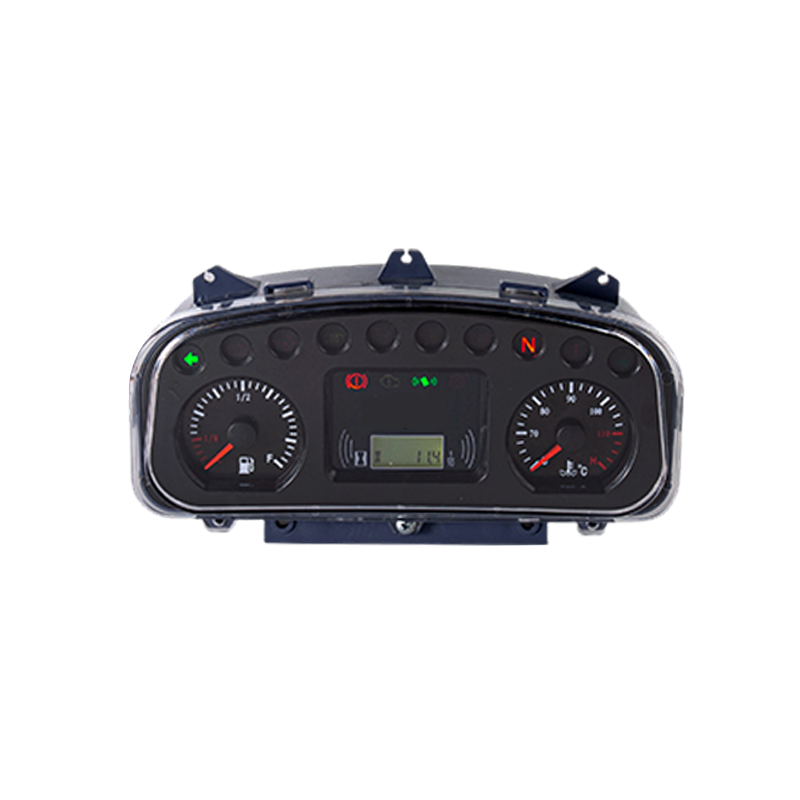
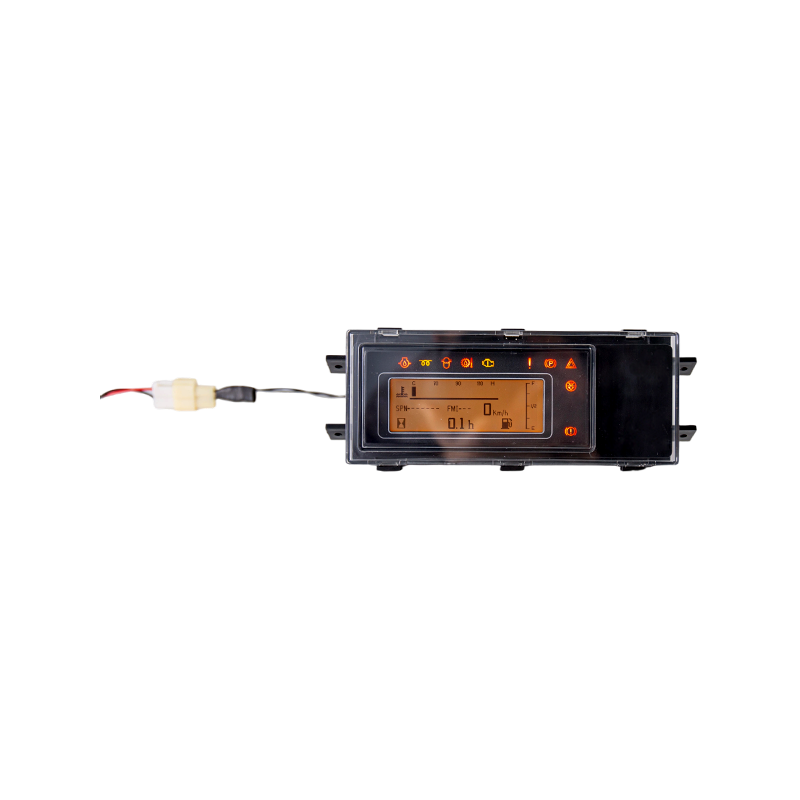
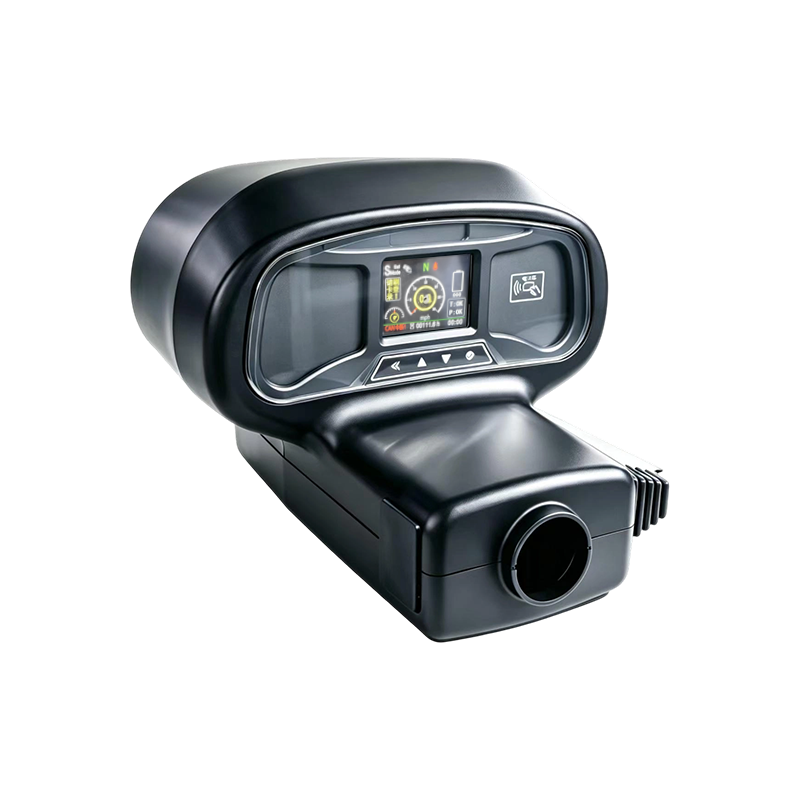
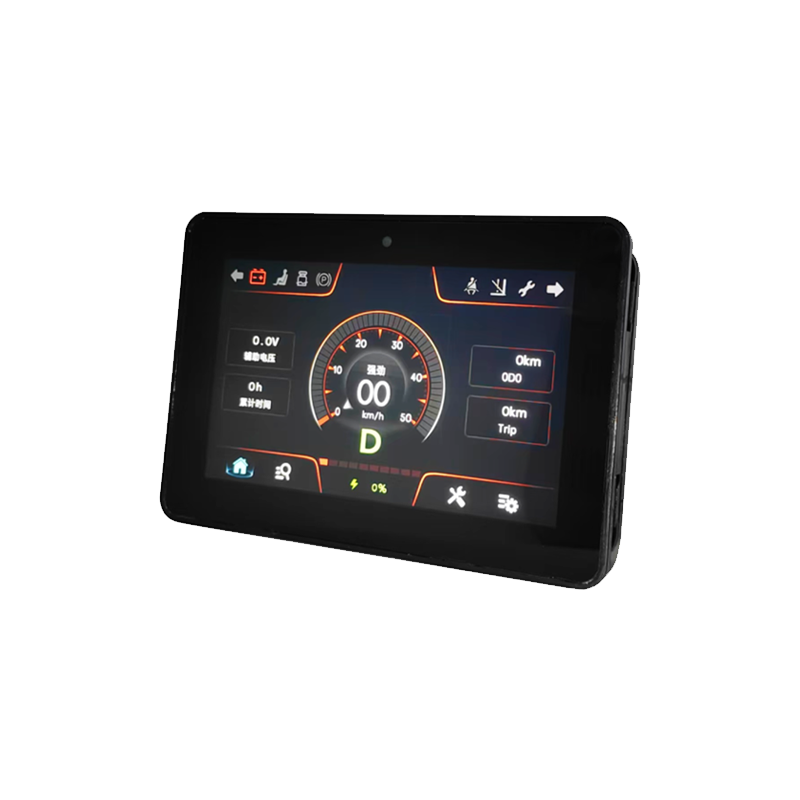

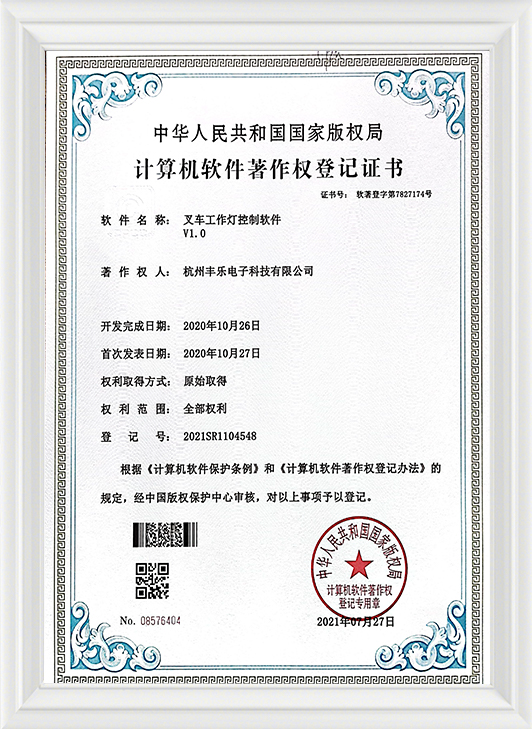
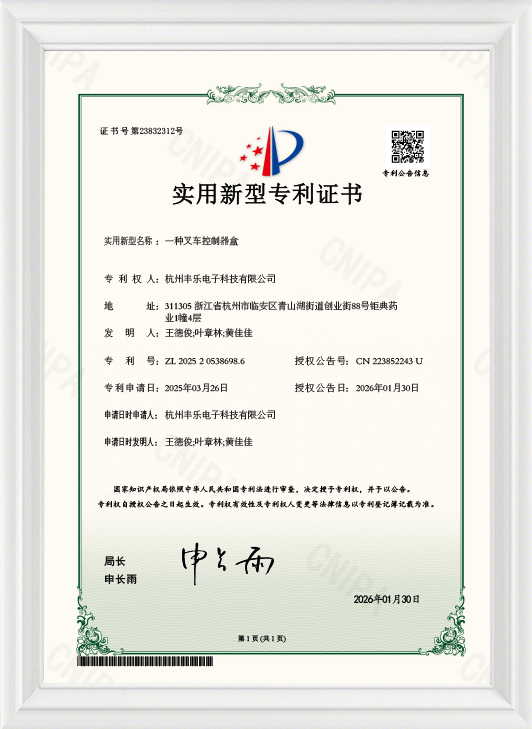
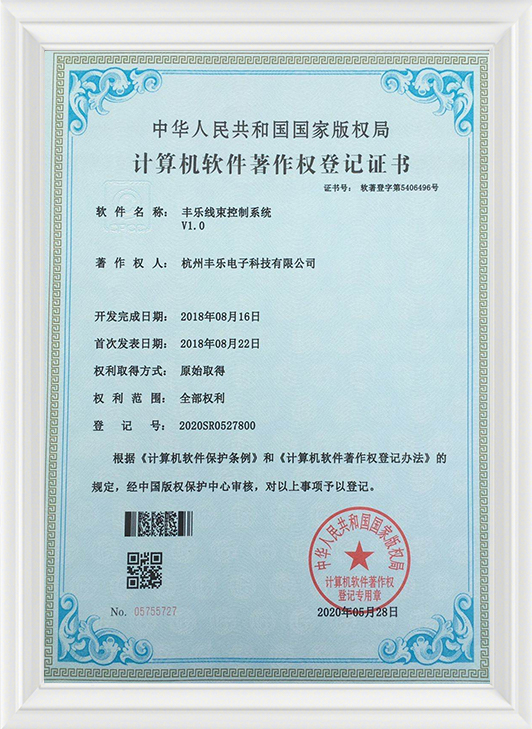
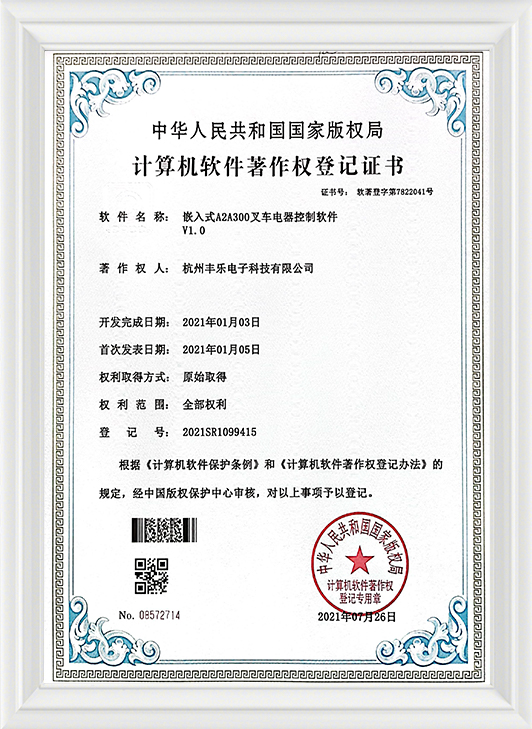
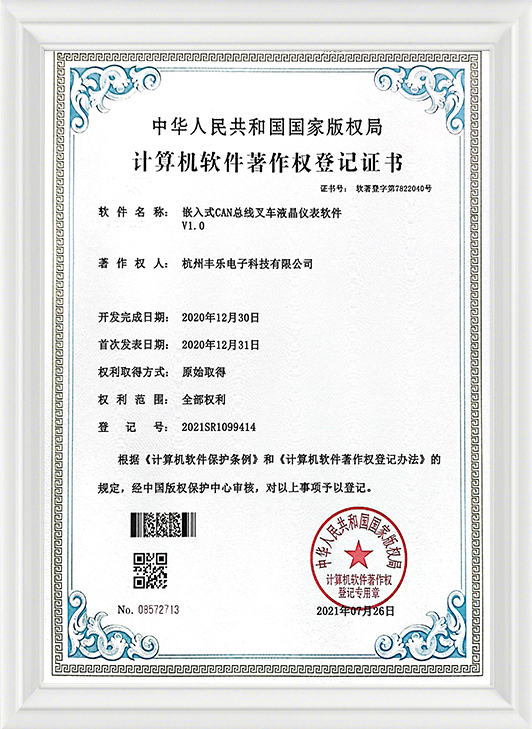
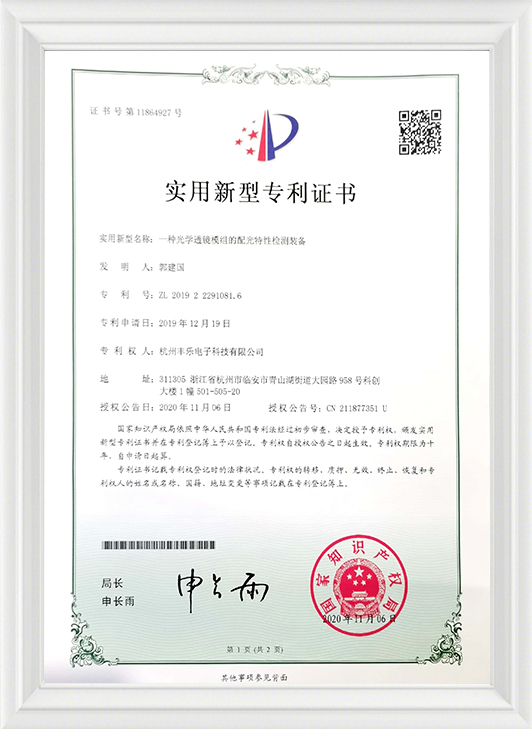
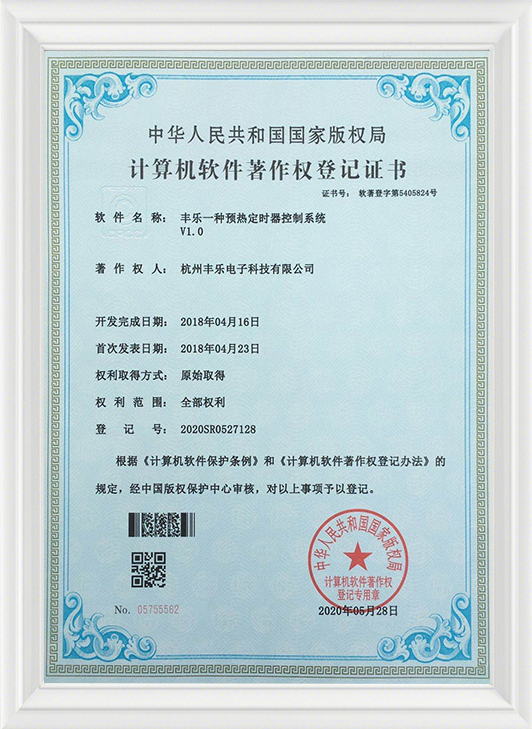
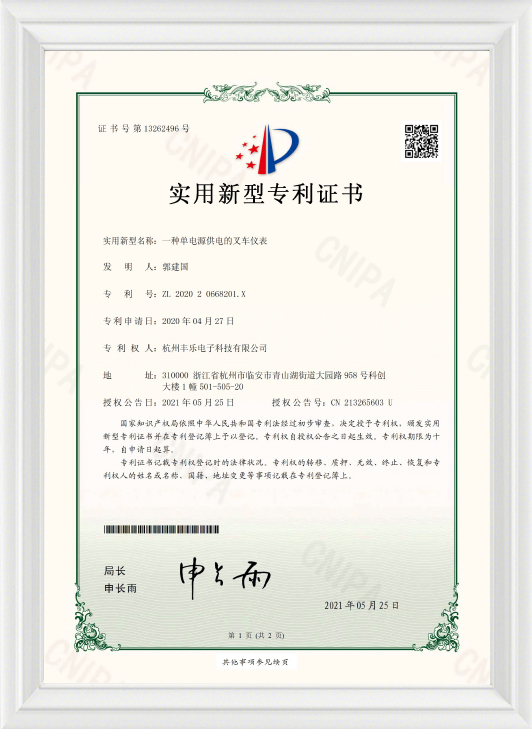
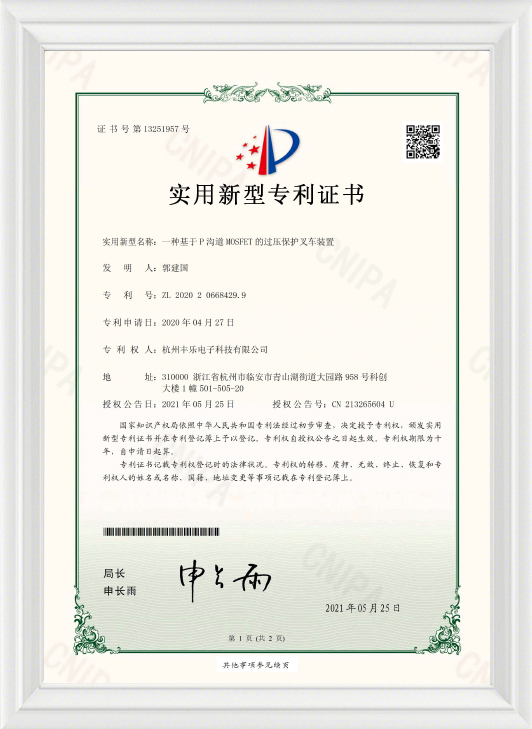
1. Introduction to Hangzhou Fengle Electronic Technology Co., Ltd.
Hangzhou Fengle Electronic Technology Co., Ltd. is a national high-tech enterprise integrating design, research and development, production, and sales, committed to providing comprehensive product and technical support for engineering vehicles and the electronics industry. With innovative technology as the core driving force, the company provides customers with high-quality and reliable customized solutions and is a leader in automotive electronics and integrated solutions.
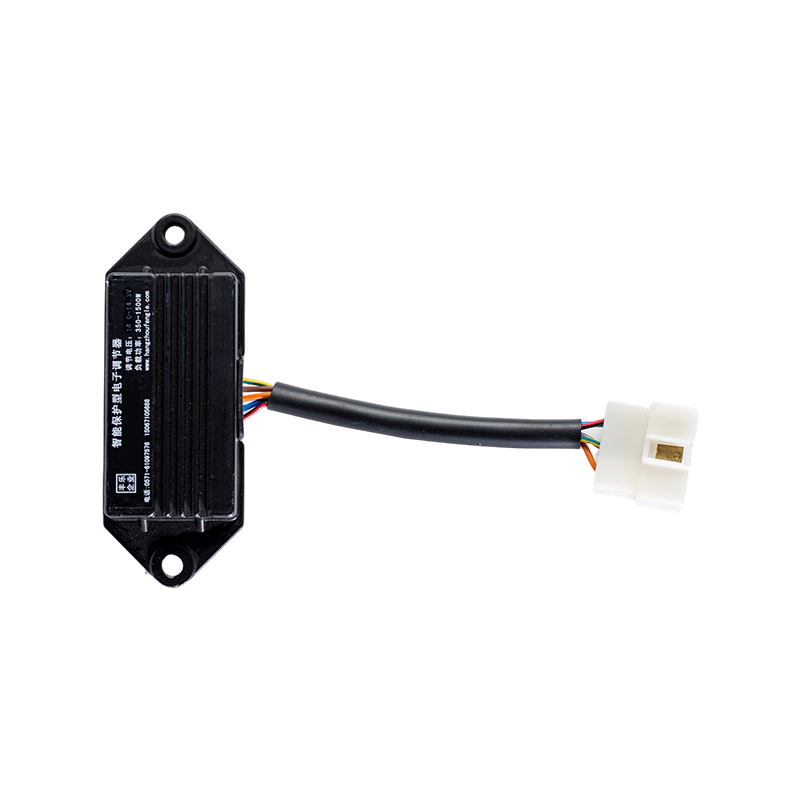
As part of our commitment to driving industry advancement, this comprehensive guide explores the critical role, technical mechanisms, and selection criteria of electronic voltage regulators within the industrial vehicle sector.
2. Comprehensive Industry Guide: Electronic Voltage Regulators for Industrial Vehicles
Industrial vehicles, such as forklifts, excavators, loaders, and agricultural machinery, operate under some of the most demanding environmental conditions on Earth. Unlike standard passenger vehicles, industrial machinery requires consistent, high-power output while enduring extreme vibrations, temperature fluctuations, and heavy electrical loads.
At the heart of an industrial vehicle’s electrical system lies the electronic voltage regulator. This component acts as the primary safeguard, ensuring that the electrical energy generated by the alternator remains stable, reliable, and perfectly matched to the needs of the vehicle’s onboard electronics.
2.1 The Core Function of Electronic Voltage Regulators
An alternator generates alternating current, which is converted to direct current to charge the battery and power electrical components. However, the output voltage of an alternator fluctuates drastically based on the rotational speed of the engine. Without precise regulation, an engine revving at high speed could produce a voltage surge capable of destroying sensitive control modules, sensors, and lighting systems.
Electronic voltage regulators counteract this by continuously monitoring the battery voltage. When the voltage drops below a specific threshold, the regulator increases the excitation current to the alternator’s rotor field winding, prompting the alternator to produce more power. Conversely, when the voltage reaches the upper safe limit, the regulator restricts the field current, preventing overcharging and electrical damage.
2.2 Why Industrial Vehicles Demand Specialized Regulators
Standard automotive regulators are insufficient for industrial applications. Industrial vehicles utilize complex hydraulic systems, telemetry units, GPS tracking, and heavy-duty electric actuators. These components introduce severe electrical noise, voltage spikes, and deep discharge cycles.
Industrial-grade electronic voltage regulators designed by Hangzhou Fengle Electronic Technology Co., Ltd. utilize advanced semiconductor technology, such as Metal-Oxide-Semiconductor Field-Effect Transistors and insulated-gate bipolar transistors, to achieve microsecond-response times, ensuring that the voltage remains stable even during sudden load drops or high-torque engine strains.
3. Technical Comparison: Mechanical vs. Electronic Voltage Regulators
Understanding the evolution of voltage regulation helps highlight the necessity of modern electronic solutions in industrial machinery.
| Feature | Mechanical Regulators | Electronic Voltage Regulators |
|---|---|---|
| Control Mechanism | Moving electromagnetic contact points and springs | Solid-state semiconductors and microcontrollers |
| Response Speed | Slow, limited by physical mechanical movement | Instantaneous, microsecond-level adjustments |
| Lifespan | Short, prone to contact wear, pitting, and oxidation | Exceptionally long, no moving parts to degrade |
| Vibration Resistance | Poor, high vibration causes contact chatter and failure | Excellent, solid-state design is immune to shock |
| Voltage Precision | Low, typically fluctuates within a wide tolerance band | High, maintains precision within a narrow variance |
| Heat Dissipation | Moderate, relies on simple airflow venting | Superior, utilizes integrated aluminum heat sinks |
4. Key Factors in Selecting Voltage Regulators for Heavy Engineering
When engineering procurement teams select voltage regulators for fleet deployment or new vehicle designs, several technical parameters must be evaluated to ensure operational longevity and safety.
4.1 Thermal Management and Operating Temperature
Industrial environments subject electronics to extreme heat, especially when enclosed near high-displacement diesel engines. High-quality regulators must feature advanced thermal management, utilizing specialized potting compounds and heavy-duty aluminum housings to dissipate heat efficiently. A robust regulator should comfortably operate within a temperature range of minus forty degrees to one hundred and twenty-five degrees Celsius.
4.2 Load Dump Protection
A load dump occurs when a battery connection is accidentally severed while the alternator is actively charging. This induces a massive voltage spike that can reach upwards of one hundred volts, which can instantly fry standard electronics. Industrial electronic voltage regulators must incorporate transient voltage suppression diodes to clamp these surges safely, protecting the entire vehicle electrical infrastructure.
4.3 Electromagnetic Compatibility
Modern industrial vehicles are packed with communication systems, including Controller Area Network bus lines, IoT gateways, and radar systems. The high-frequency switching inside an electronic voltage regulator can cause electromagnetic interference if not properly shielded. Selecting a regulator with certified electromagnetic compatibility ensures that vital vehicle communications remain clean and uninterrupted.
5. Our Service Advantages
At Hangzhou Fengle Electronic Technology Co., Ltd., we combine technical expertise with customer-centric services to deliver unmatched value to our global clients.
- Advanced Customization Capabilities: We recognize that no two industrial applications are identical. Our engineering team provides tailor-made design modifications, adjusting voltage setpoints, housing shapes, and connector types to integrate seamlessly with your existing alternator systems.
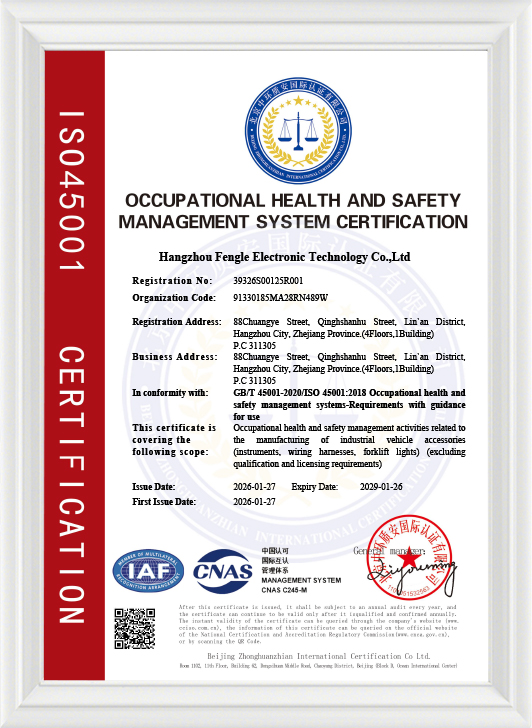
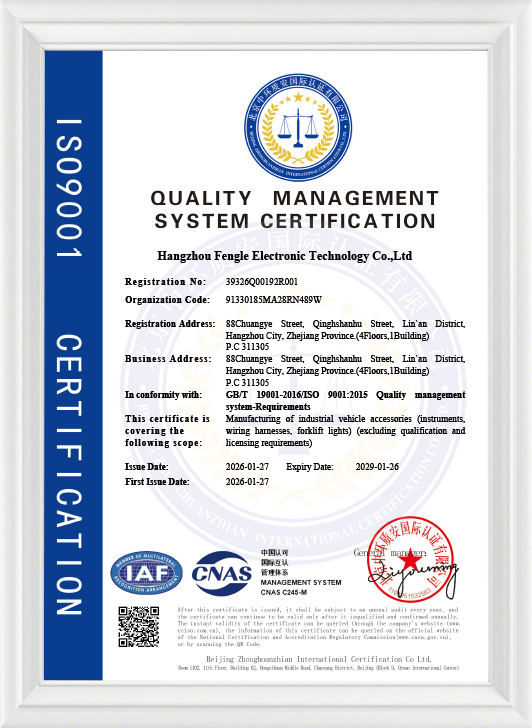
- Rigorous Quality Assurance: Operating as a national high-tech enterprise, we enforce strict quality control protocols across our entire production line. Every electronic voltage regulator undergoes rigorous thermal cycling, vibration endurance testing, and full-load simulation before leaving our facility.
- Robust Supply Chain and Production Scalability: With integrated design, research, development, and manufacturing capabilities, we guarantee consistent production volumes and reliable delivery schedules, minimizing downtime for your assembly lines and aftermarket supply chains.
- Comprehensive Technical Support: Our relationship with clients does not end at delivery. We provide end-to-end technical support, assisting your engineering teams with system integration, troubleshooting, and field performance optimization.
6. Frequently Asked Questions
6.1 What are the symptoms of a failing electronic voltage regulator in a forklift or excavator?
Common signs include dimly lit or flickering instrument panels, a rapidly draining battery, a bulging or overheating battery due to overcharging, and unpredictable behavior from onboard control modules. If the regulator fails completely, the vehicle engine may crank but fail to sustain power as the battery depletes.
6.2 Can an electronic voltage regulator protect the battery from overcharging?
Yes. The primary function of the regulator is to prevent overcharging. By continuously sampling the battery voltage, the regulator cuts off or reduces the excitation current to the alternator field winding the moment the battery reaches its optimal fully charged voltage threshold.
6.3 What is the significance of ingress protection ratings for industrial voltage regulators?
Industrial vehicles frequently operate in muddy, dusty, and wet environments. High ingress protection ratings, such as IP67 or IP69K, indicate that the electronic voltage regulator is completely sealed against dust entry and can withstand high-pressure water jets, ensuring long-term reliability in open-field operations.
6.4 How do Hangzhou Fengle Electronic Technology Co., Ltd. products handle high vibration environments?
Our electronic voltage regulators are built using solid-state components completely embedded in high-grade polyurethane or epoxy potting compounds. This design eliminates physical moving parts and securely anchors the internal circuitry, preventing components from breaking loose due to heavy machine vibrations.
6.5 Are your electronic voltage regulators compatible with lithium-ion industrial batteries?
Traditional regulators are calibrated for lead-acid or gel batteries. However, because lithium-ion batteries require highly precise charging profiles, Hangzhou Fengle Electronic Technology Co., Ltd. offers customized electronic voltage regulators with specialized voltage cutoffs and charging curves designed explicitly for advanced lithium-ion industrial vehicle applications.

