


 русский
  Español
  中文简体
中文简体

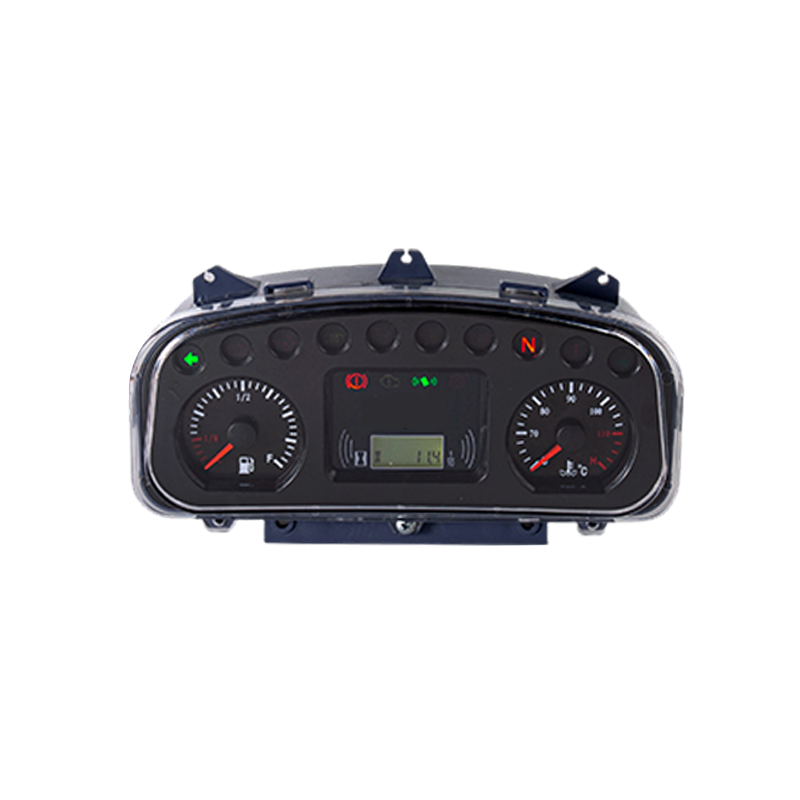
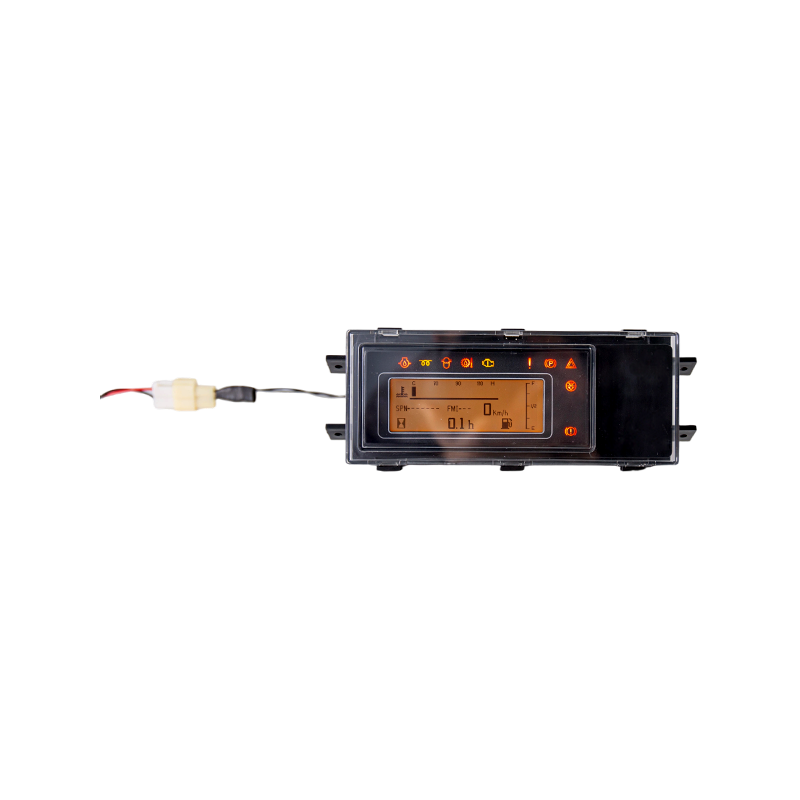
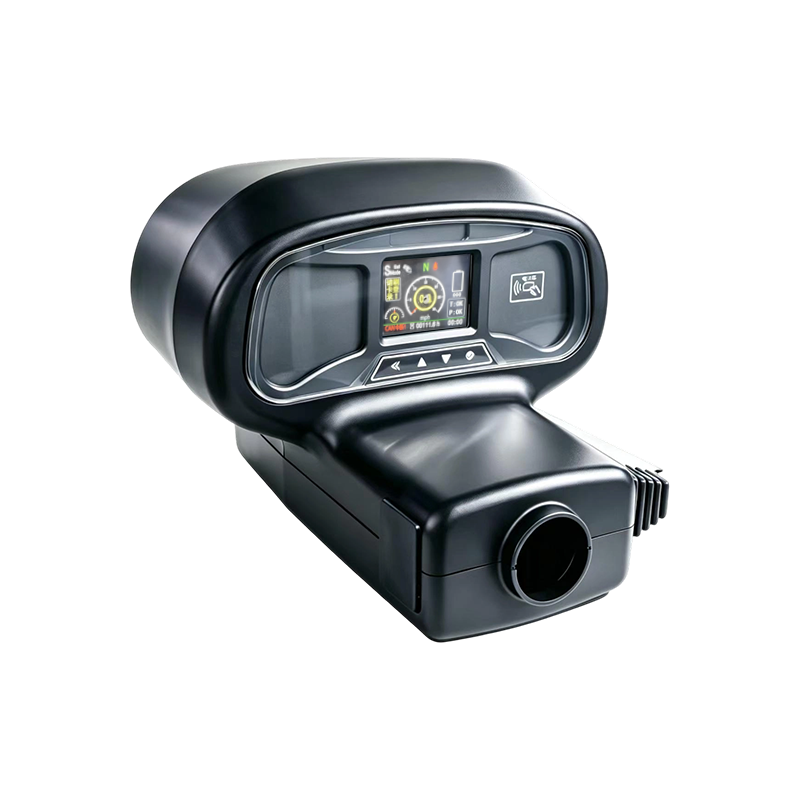
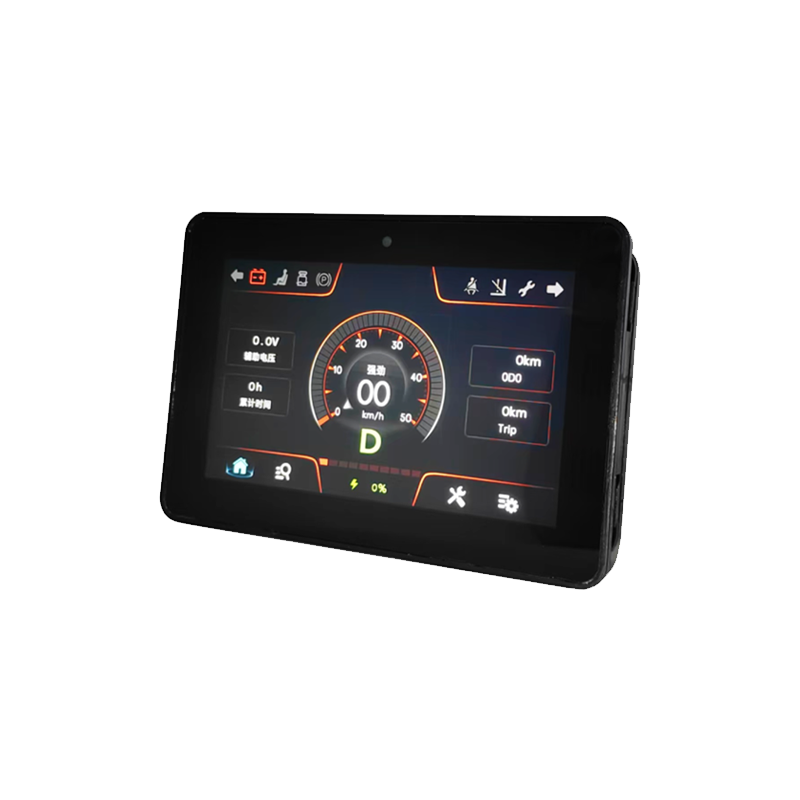
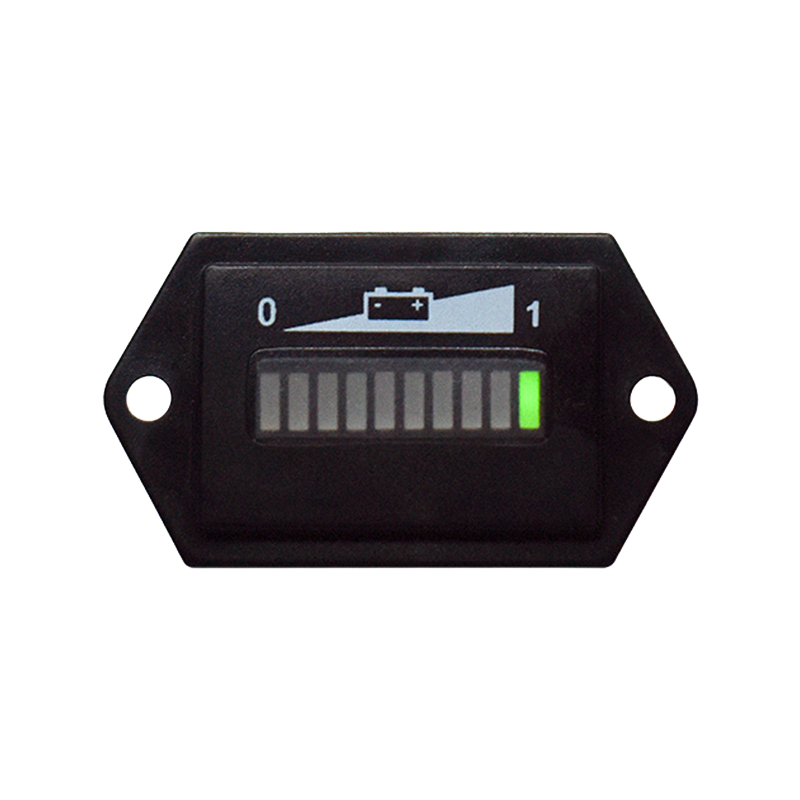
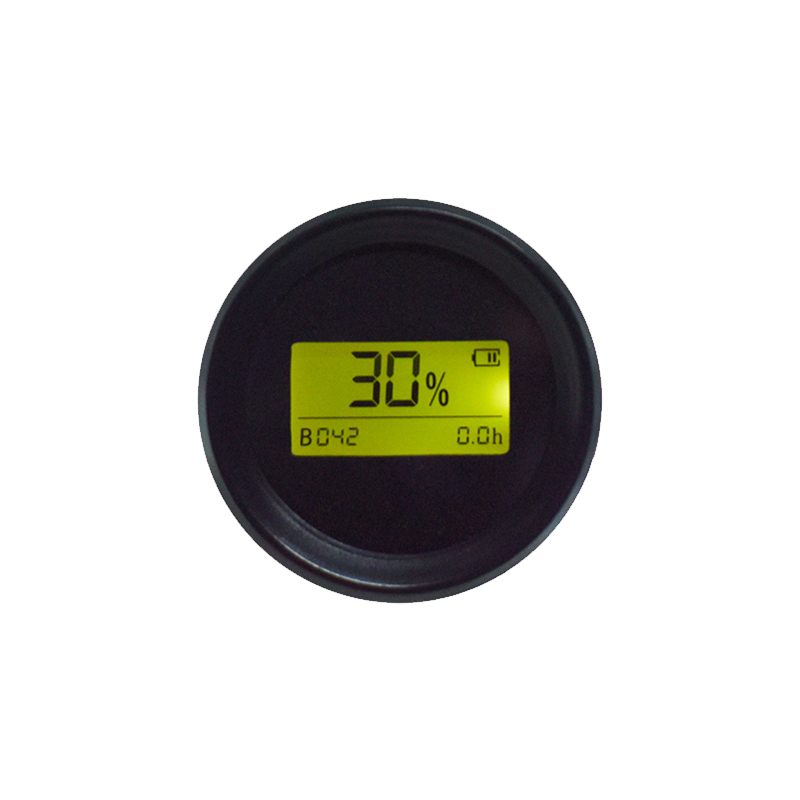



1 Introduction to Electric Warehousing Vehicle Instruments
In the modern logistics and material handling industries, electric warehousing vehicles such as forklifts, reach trucks, order pickers, and automated guided vehicles are essential for daily operations. To ensure these vehicles operate at peak efficiency and safety, advanced display systems and instrumentation are required. Electric warehousing vehicle instruments serve as the primary human machine interface, providing operators and fleet managers with real time data regarding vehicle status, battery health, and operational safety.
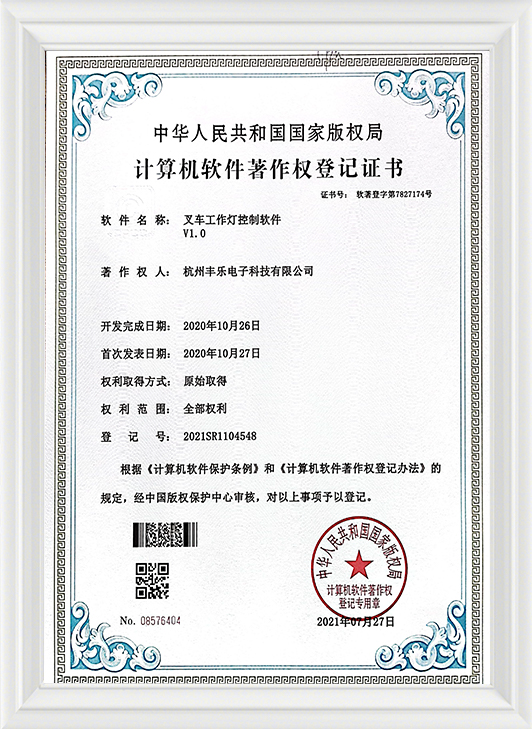
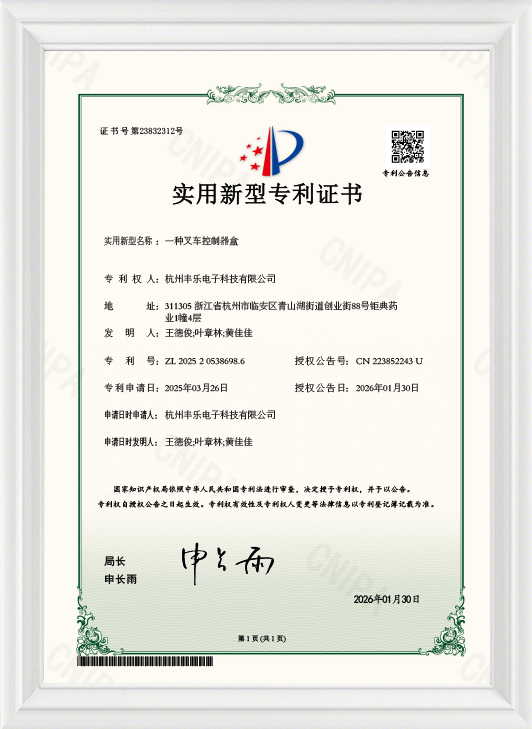
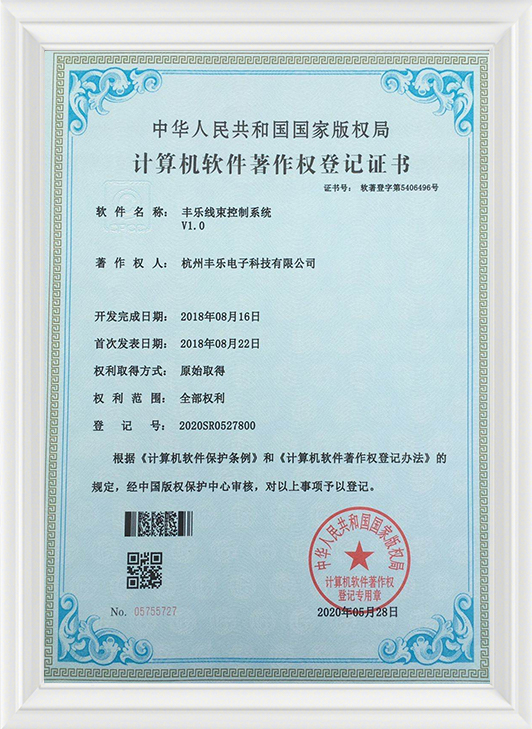
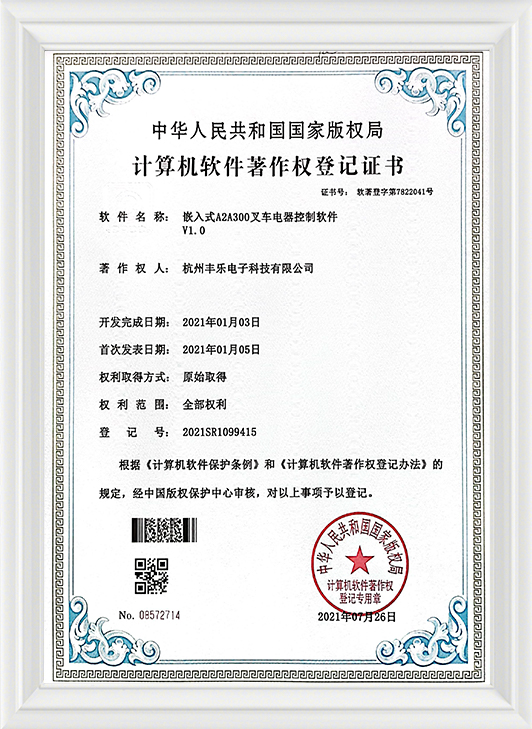
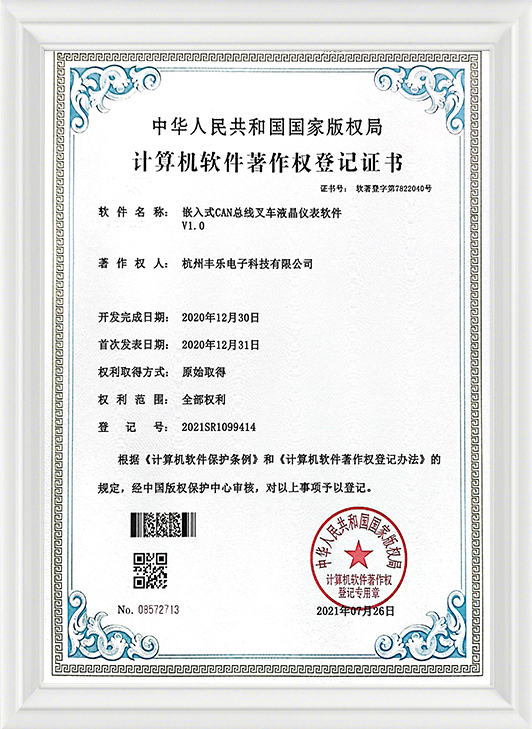
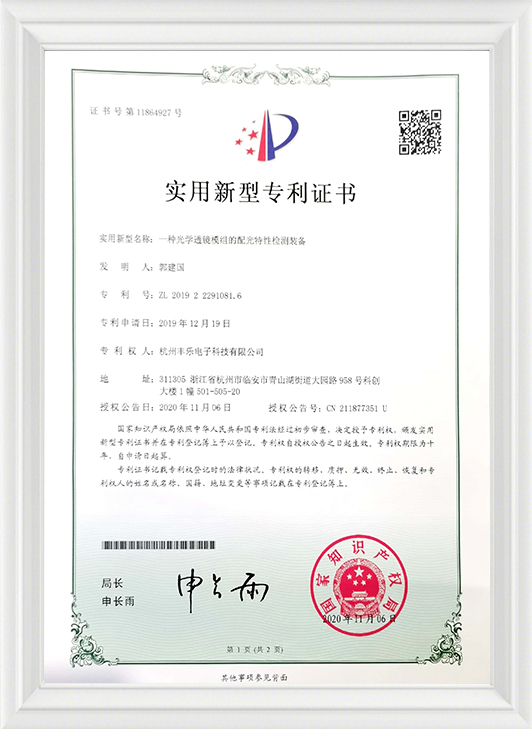
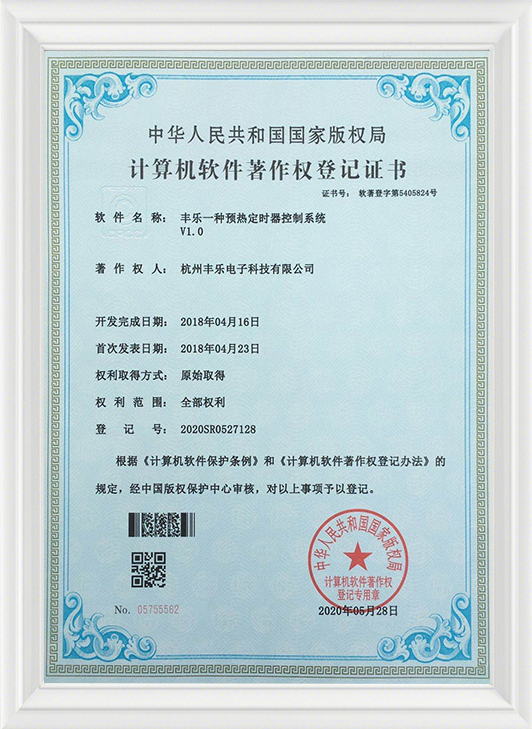
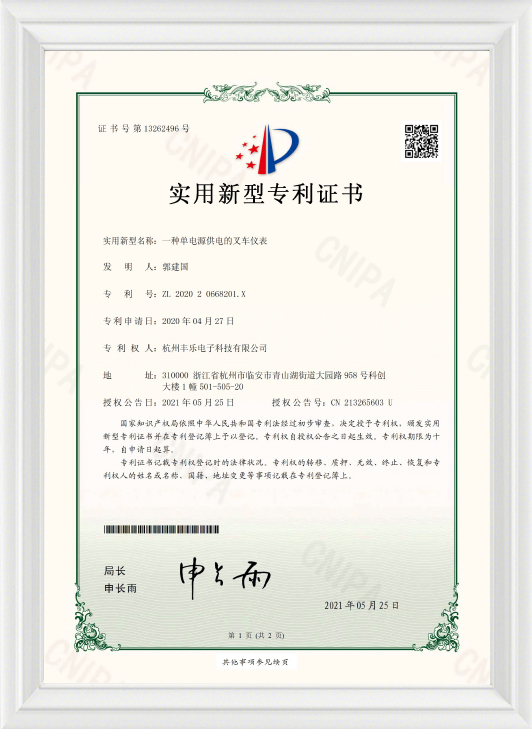
Hangzhou Fengle Electronic Technology Co., Ltd. is a national high tech enterprise integrating design, research and development, production, and sales. We are committed to providing comprehensive product and technical support for engineering vehicles and the electronics industry. By focused engineering of specialized dashboard displays and intelligent instrument clusters, we provide high quality solutions that withstand the challenging environments of modern automated warehouses and cold storage facilities.
2 Core Functional Classifications of Warehousing Display Systems
The instrumentation installed in electric warehouse equipment is far more complex than standard automotive dashboards. They must monitor high voltage electric powertrains and integrate seamlessly with industrial warehouse management software.
2.1 Battery Management Display and State of Charge Systems
Modern electric warehousing equipment relies heavily on lithium ion or lead acid power sources. The instrument cluster must provide highly accurate tracking of energy parameters to prevent sudden power loss in narrow aisles.
- Real time State of Charge display indicating remaining energy percentages.
- Voltage and current monitoring to protect the cell packs from over discharging.
- Temperature monitoring for the battery management system to prevent thermal anomalies during fast charging operations.
2.2 Vehicle Diagnostics and Fault Code Reporting
To minimize material handling downtime, intelligent dashboards constantly communicate with the motor controllers via controller area network communication protocols. When an anomaly occurs, the screen instantly translates complex signals into readable system alerts.
- Direct display of standardized error codes for quick troubleshooting by maintenance technicians.
- Visual and audible alarms for critical events such as motor overheating or hydraulic pressure loss.
- Historical logs stored directly within the instrument memory to evaluate mechanical wear over time.
2.3 Safety Compliance and Telematics Integration
Safety regulations require strict control over who operates heavy warehouse machinery. Modern electronic displays act as security gateways and operational logging centers.
- Integrated digital pre shift safety checklists that must be completed on screen before the vehicle can be started.
- Operator access verification via proximity card identification or digital access codes.
- Built in impact detection alerts that display warnings on the screen and notify fleet managers if a collision occurs.
3 Technical Comparisons of Warehousing Instrument Solutions
Choosing the correct instrumentation configuration depends heavily on the specific warehouse application, environmental conditions, and budget requirements. The following data presents the structural variations across common hardware platforms.
| Instrument Type | Primary Display Technology | Key Communication Protocols | Environmental Protection Level | Ideal Application Environments |
|---|---|---|---|---|
| Compact LED Indicator | Light Emitting Diode Segment | Pulse Width Modulation Analog | IP Sixty Five | Standard Electric Pallet Jacks and Walkie Stackers |
| Medium Dot Matrix Display | Monochrome Liquid Crystal | Controller Area Network Bus | IP Sixty Six | Counterbalance Forklifts and Tow Tractors |
| Full Color TFT Smart Screen | Thin Film Transistor Digital | Controller Area Network Ethernet | IP Sixty Seven | High Reach Trucks and Automated Material Handling Systems |
4 Crucial Performance Factors for Industrial Grade Instruments
Warehouse electronics face harsh operational realities. Industrial instruments manufactured by Hangzhou Fengle Electronic Technology Co., Ltd. are designed to address the following engineering challenges:
4.1 Extreme Temperature Resilience
Warehousing vehicles regularly move between ambient temperature loading docks and sub zero industrial deep freeze storage areas. Standard commercial screens experience liquid crystal freezing or severe condensation under these conditions. Industrial grade instruments utilize internal heating elements and optically bonded glass layers to maintain perfectly clear visibility from minus thirty to plus seventy degrees Celsius.
4.2 High Level Ingress Protection
Dust from packaging materials and moisture from high pressure cleaning can easily destroy sensitive circuit boards. Our engineering team designs enclosures that meet strict ingress protection standards, sealing out fine particulates and keeping the internal electronics completely dry even during intense wash down procedures.
4.3 Vibration and Shock Resistance
Unlike passenger cars with soft suspension systems, warehouse forklifts run on solid polyurethane tires over concrete floor joints and dock leveling plates. This creates constant high frequency mechanical vibration. Industrial instruments use reinforced internal mounting structures and potted electronic assemblies to ensure the solder joints and connectors never loosen over years of heavy use.
5 Service Advantages of Hangzhou Fengle Electronic Technology Co., Ltd.
As an industry leader in automotive electronics and integrated solutions, Hangzhou Fengle Electronic Technology Co., Ltd. provides distinct advantages for international wholesale procurement managers and vehicle manufacturers.
- End to End Customization Capabilities: With innovative technology as our core driving force, we do not simply sell off the shelf hardware. We provide customized software interfaces, custom enclosure shapes, and tailored communication protocols to match your exact vehicle design.
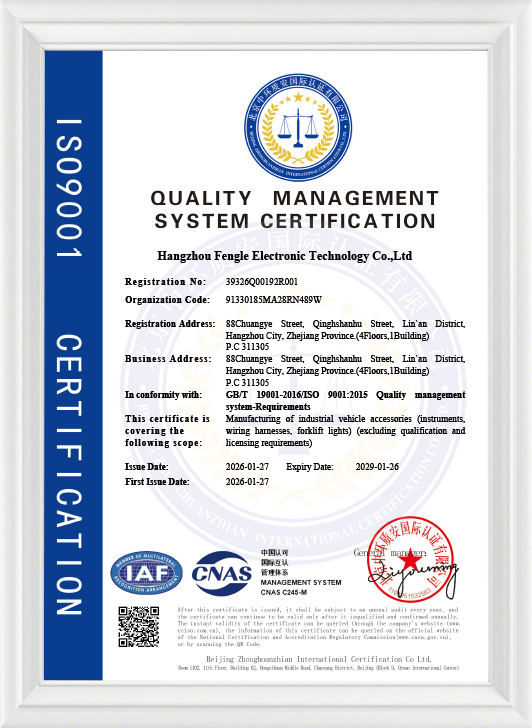
- Rigorous Quality Control Systems: Our manufacturing facility utilizes advanced automated optical inspection and thermal cycling chambers to test every instrument cluster under simulated field stress before shipping.
- Comprehensive Global Technical Support: We offer extensive engineering documentation, controller area network protocol files, and direct developer support to ensure seamless integration into your vehicle control network.
6 Frequently Asked Questions Regarding Warehousing Instruments
Can these instrument displays be used in cold storage warehouses?
Yes, industrial grade instruments can be equipped with automated internal heating elements and anti fogging optical bonding. This configuration allows the screens to remain fully functional and legible in deep freeze logistics facilities at temperatures as low as minus thirty degrees Celsius.
How do the displays communicate with the vehicle main controller?
The instruments utilize industrial controller area network communication networks running standardized protocols such as CANopen or JNineteenThirtyNine. This allows for high speed transmission of diagnostic data, battery metrics, and motor status updates over a simple two wire setup.
Is it possible to customize the user interface with our brand identity?
Yes, Hangzhou Fengle Electronic Technology Co., Ltd. specializes in tailored engineering design. We can customize the startup screens, colors, layouts, and logos to seamlessly reflect your corporate branding and specific operational preferences.
What mechanism handles access control through the instrument screen?
The display systems can integrate with radio frequency identification card readers or pin code entry modules. This ensures that only authorized operators with valid certifications can log in and start the specific material handling vehicle.
How do these instruments handle high voltage spikes in electric forklifts?
Our electrical designs feature robust isolation barriers and transient voltage suppression circuits. This architecture effectively shields the delicate processing electronics from power fluctuations and voltage spikes generated by high capacity electric lift motors and heavy hydraulic systems.

