


 русский
  Español
  中文简体
中文简体


1 Introduction to Industrial Vehicle Hydraulic Power Assemblies
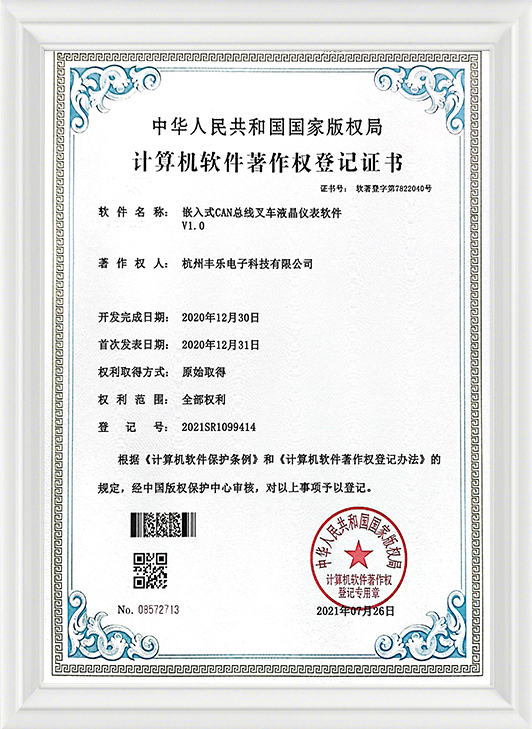
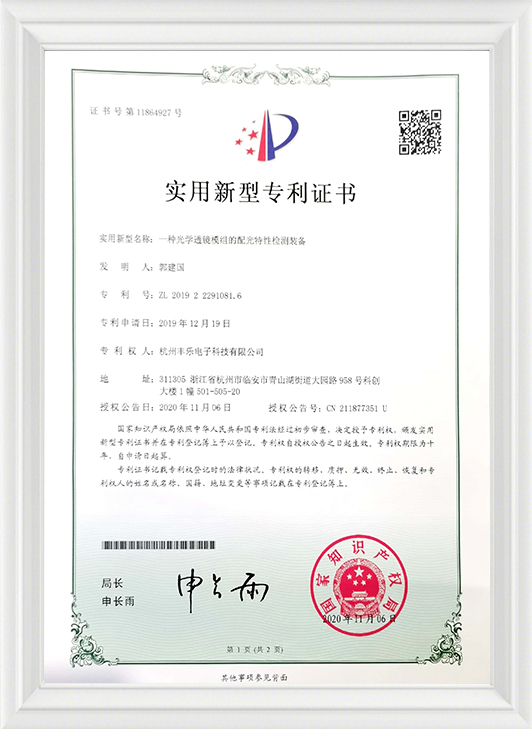
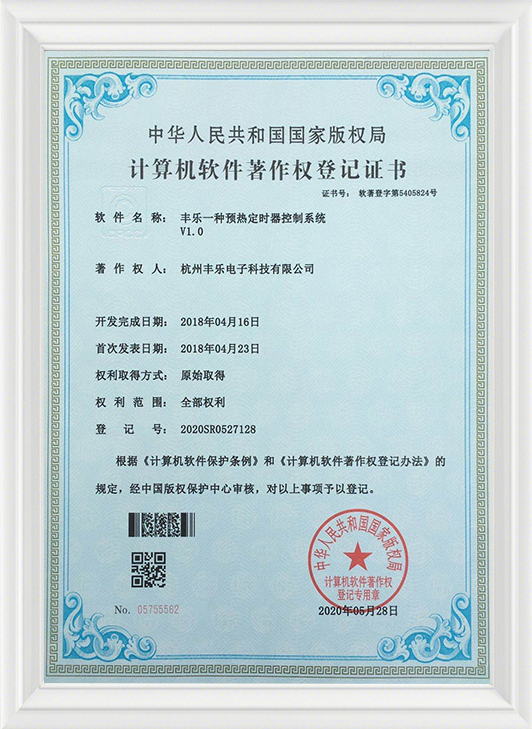
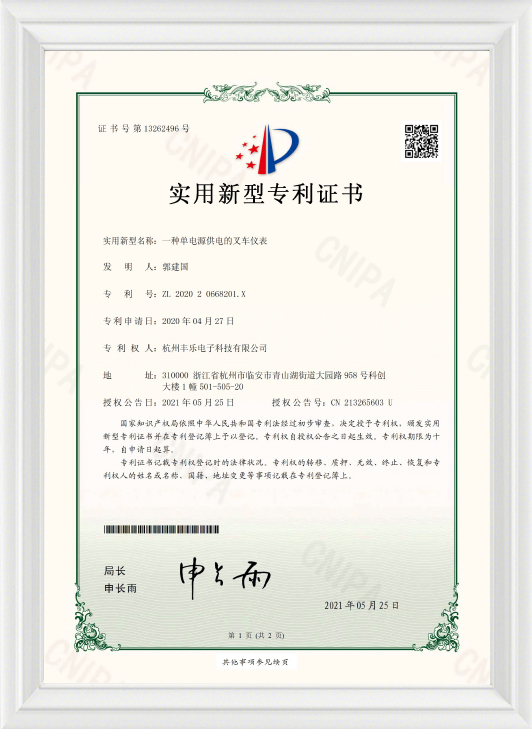
In the modern industrial landscape, the efficiency of material handling, construction, and logistics heavily relies on the performance of specialized engineering vehicles. At the heart of these robust machines lies the hydraulic power assembly, a critical system responsible for converting electrical or mechanical energy into fluid power. As a premier national high tech enterprise, Hangzhou Fengle Electronic Technology Co Ltd specializes in integrating design, research, development, and production to deliver elite automotive electronics and integrated solutions.
This comprehensive industry guide explores the technical framework, operational mechanisms, and selection criteria for Hydraulic Power Assemblies utilized in industrial vehicles, providing engineers and procurement specialists with the insights needed to optimize fleet performance.
2 Core Components and Working Mechanism
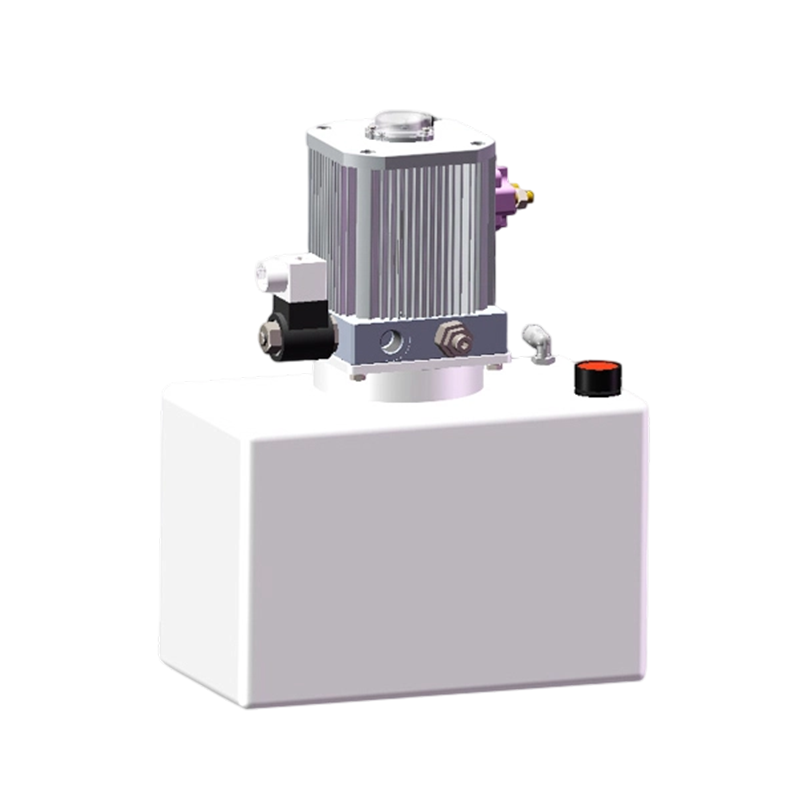
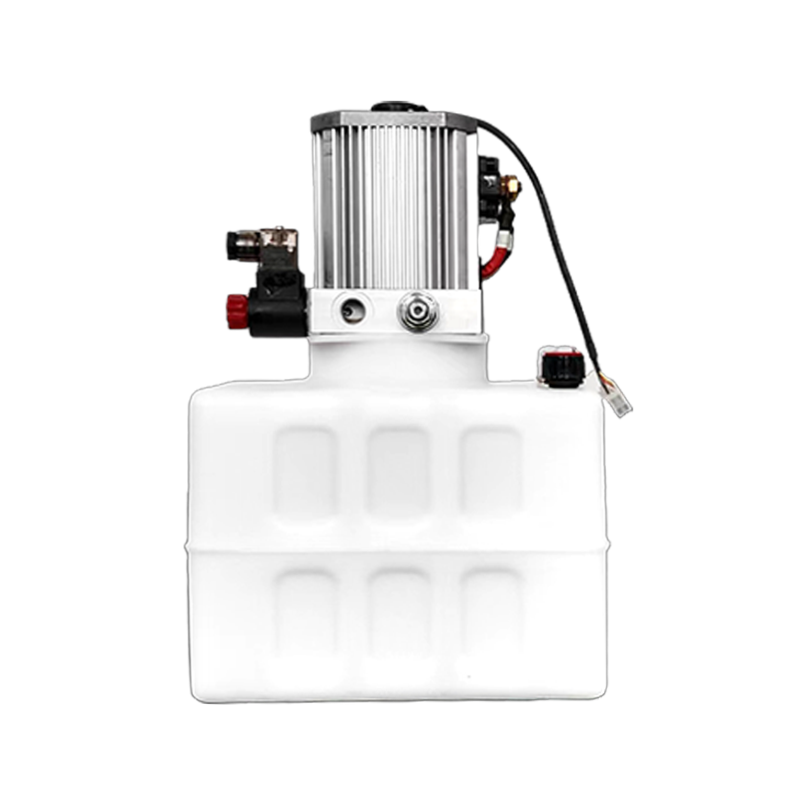
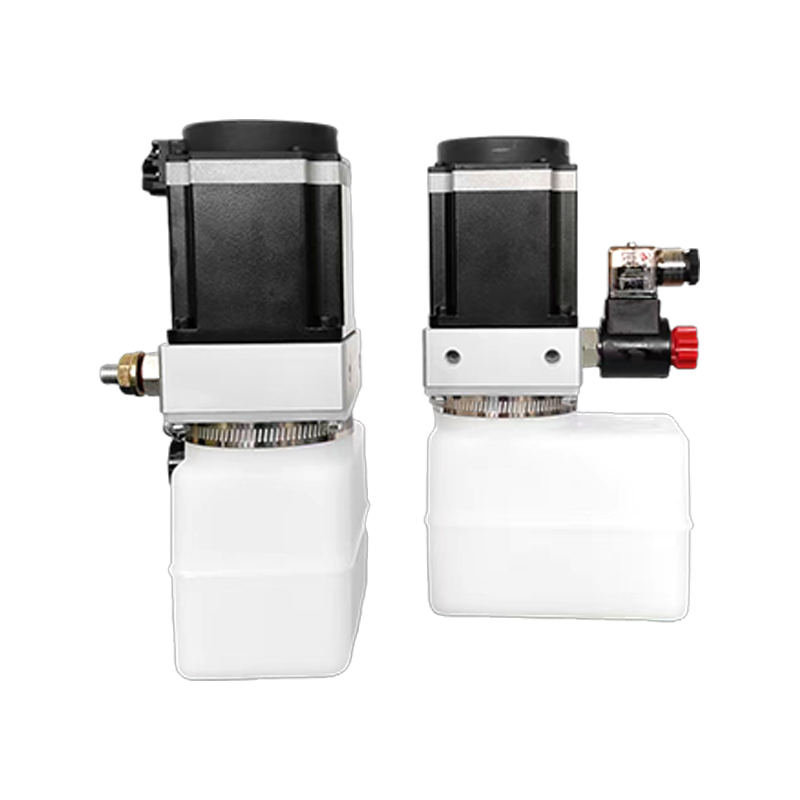
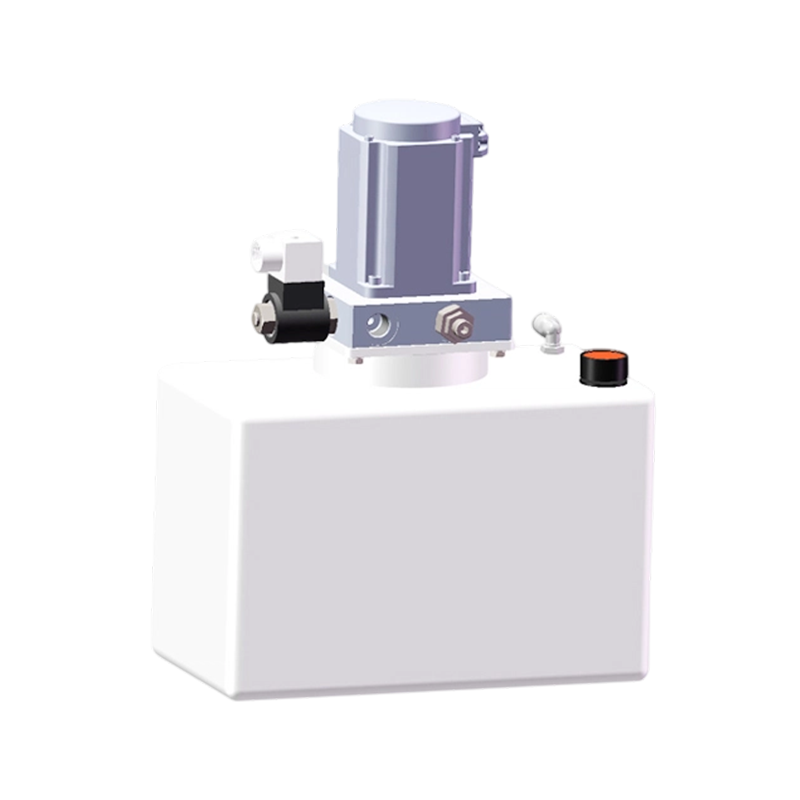
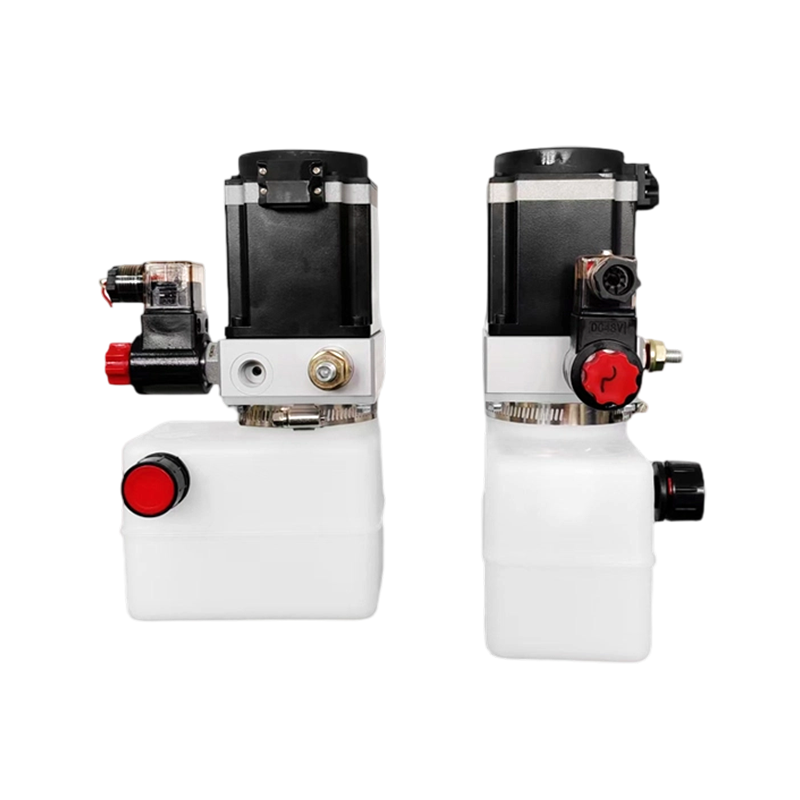
A Hydraulic Power Assembly, often referred to as a hydraulic power pack, is a self contained system that includes all the necessary elements to generate fluid pressure and regulate flow. Understanding the interplay between these components is vital for maximizing system longevity and efficiency.
The Primary Subsystems
- The Power Source: Typically an electric motor (AC or DC) or an internal combustion engine that drives the hydraulic pump. In modern electric industrial vehicles, high efficiency brushless DC motors or permanent magnet synchronous motors are increasingly common.
- The Hydraulic Pump: The heart of the assembly that converts mechanical energy into hydraulic energy. Common types include gear pumps for high pressure reliability and vane or piston pumps for variable displacement needs.
- The Reservoir (Tank): Stores the hydraulic fluid, facilitates heat dissipation, and allows air and contaminants to settle out of the oil.
- Control Valves: Directional, pressure, and flow control valves manage the path, pressure levels, and velocity of the hydraulic fluid, ensuring precise movement of the vehicle actuators.
- Filtration Systems: Suction filters and return line filters maintain oil cleanliness, which is paramount to preventing premature component wear.
3 Technical Classification and Specifications
Industrial vehicles demand tailored hydraulic solutions based on their load capacities, duty cycles, and environmental conditions. The table below outlines the primary technical classifications of hydraulic power assemblies commonly deployed in the engineering vehicle sector.
Table 1 Industrial Hydraulic Power Assembly Classifications
| Parameter Category | Micro Power Packs | Medium Duty Assemblies | Heavy Duty Systems |
|---|---|---|---|
| Typical Applications | Electric Pallet Jacks, Tail Lifts, Small Forklifts | Reach Trucks, Order Pickers, Medium Excavators | Heavy Duty Forklifts, Mining Vehicles, Cranes |
| Voltage Options | 12V DC, 24V DC, 48V DC | 24V DC, 48V DC, 80V DC, AC | High Voltage DC, Three Phase AC |
| Pressure Range | 100 to 180 Bar | 150 to 250 Bar | 200 to 350+ Bar |
| Flow Rate Capacity | 1 to 5 Liters per Minute | 5 to 25 Liters per Minute | 25 to 100+ Liters per Minute |
| Reservoir Material | Translucent Plastic, Steel | Mild Steel, Aluminum Alloy | Heavy Gauge Welded Steel |
4 Industry Trends Automation and Intelligence
The integration of advanced electronics into hydraulic systems is transforming the industrial vehicle sector. Traditional mechanical hydraulics are rapidly giving way to electro hydraulic systems, a domain where Hangzhou Fengle Electronic Technology Co Ltd leads with innovative customized solutions.
Smart Integration and Diagnostics
Modern hydraulic assemblies incorporate smart sensors that monitor pressure, temperature, oil level, and fluid degradation in real time. This data is fed directly into the vehicle electronic control unit via CAN bus communication interfaces. By leveraging these intelligent insights, fleet operators can transition from reactive maintenance to predictive maintenance, reducing costly unexpected downtime.
Energy Efficiency and Sustainability
With global industries pushing toward net zero carbon emissions, hydraulic efficiency has become a critical engineering focus. Variable speed motor drives allow the hydraulic pump to rotate only at the speed required for the specific task, eliminating the energy waste associated with constant speed bypass systems. This integration extends battery life in electric forklifts and reduces fuel consumption in internal combustion vehicles.
5 Strategic Service Advantages of Hangzhou Fengle Electronic Technology Co Ltd
Choosing the right partner for hydraulic and electronic integration determines the market competitiveness of your industrial vehicles. Hangzhou Fengle Electronic Technology Co Ltd stands at the forefront of the industry by offering unparalleled advantages across the product lifecycle.
- National High Tech Expertise: Our certified research and development infrastructure ensures that every hydraulic power assembly meets stringent international quality and performance standards.
- Comprehensive Integrated Solutions: We unique bridge the gap between mechanical fluid power and advanced automotive electronics, delivering cohesive systems that communicate flawlessly.
- Elite Tailored Customization: Recognizing that no two engineering vehicle models are identical, our engineering team provides end to end design customization, from tailored mounting manifolds to specific electronic control protocols.
- Rigorous Quality Assurance: Every assembly undergoes exhaustive pressure testing, thermal imaging, and electronic diagnostics before leaving our production facility, guaranteeing ultimate field reliability.
6 Frequently Asked Questions
FAQ 1 What are the primary causes of overheating in a hydraulic power assembly?
Overheating is generally caused by internal fluid leakage, excessive system pressure settings, low fluid levels in the reservoir, or a blocked cooling system. Sustained high temperatures degrade hydraulic oil properties and damage seals, making timely maintenance and sensor monitoring critical.
FAQ 2 How do I choose between a DC motor and an AC motor for a hydraulic power pack?
DC motors, particularly 24V, 48V, or 80V brushless variants, are ideal for battery operated mobile equipment like forklifts and electric pallet jacks due to their direct compatibility with onboard batteries. AC motors are preferred for stationary industrial applications or heavy duty vehicles equipped with onboard large scale inverters.
FAQ 3 What type of hydraulic fluid is recommended for engineering vehicles operating in extreme environments?
For cold storage or outdoor winter environments, low viscosity anti wear hydraulic oils with a high viscosity index are required to prevent cavitation. Conversely, high temperature operations require higher viscosity fluids to maintain an effective lubricating film. Always consult the vehicle design specifications provided by our engineering team.
FAQ 4 How does digital control improve hydraulic power assembly performance?
Digital control, implemented through specialized electronic control units, allows for precise proportional valve modulation, programmable soft starts, and customized acceleration ramps. This eliminates mechanical shock, reduces structural wear on the vehicle, and provides a smoother user experience for operators.
FAQ 5 Can Hangzhou Fengle Electronic Technology Co Ltd retrofit existing vehicle fleets with smart hydraulic upgrades?
Yes, our design and engineering teams specialize in developing drop in customized solutions that can replace legacy mechanical hydraulic blocks with intelligent, sensor integrated power assemblies, effectively upgrading older vehicle fleets to modern digital communication standards.

