


 русский
  Español
  中文简体
中文简体

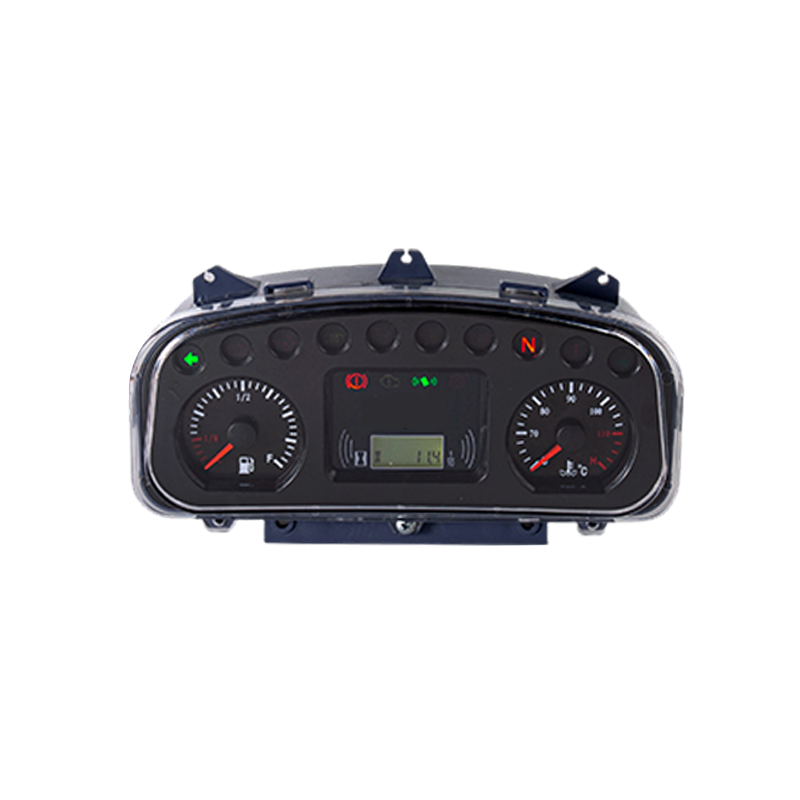
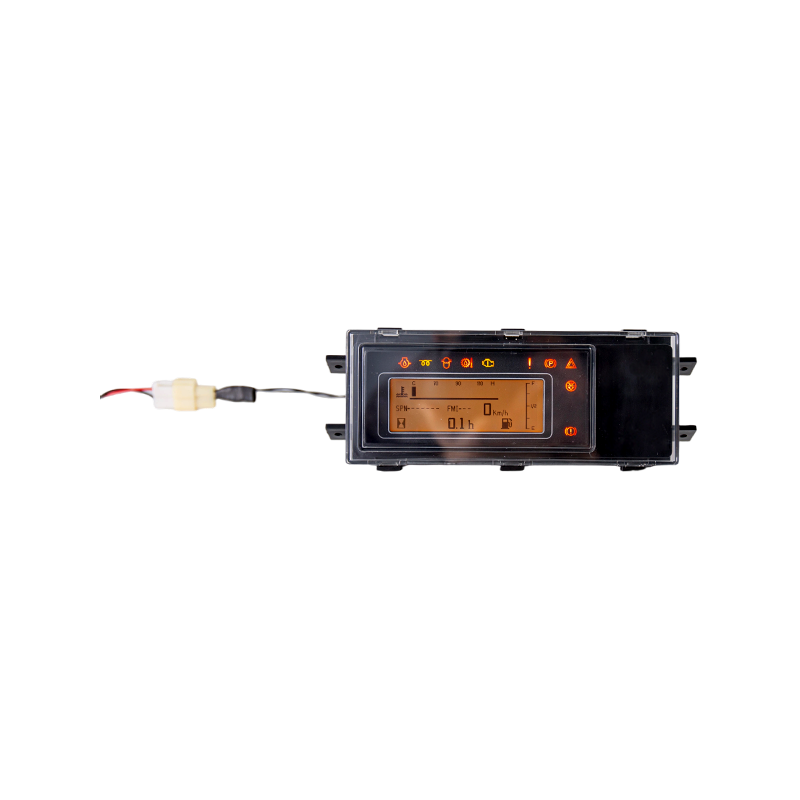
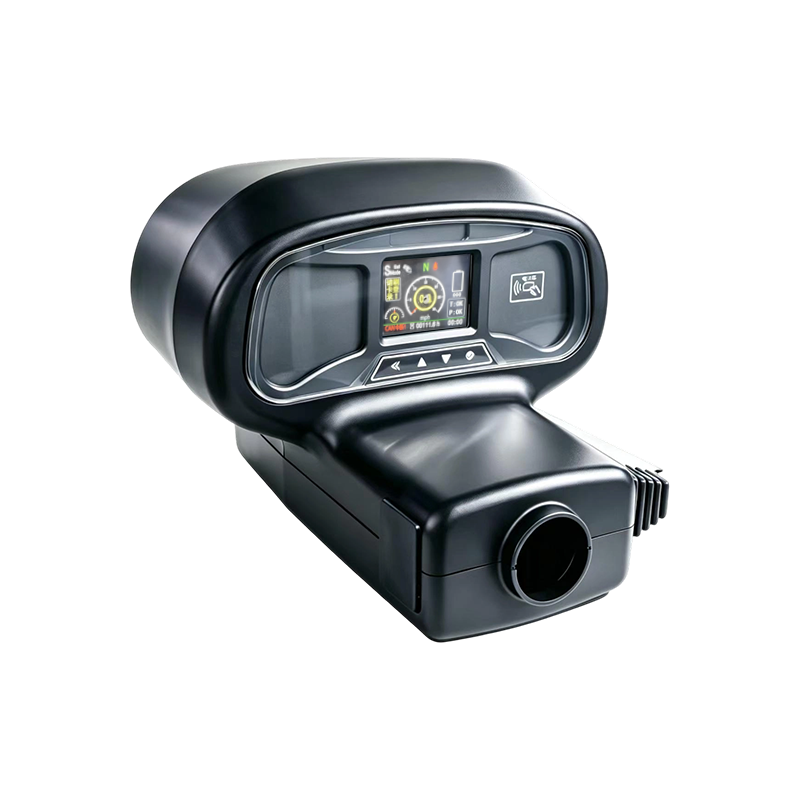
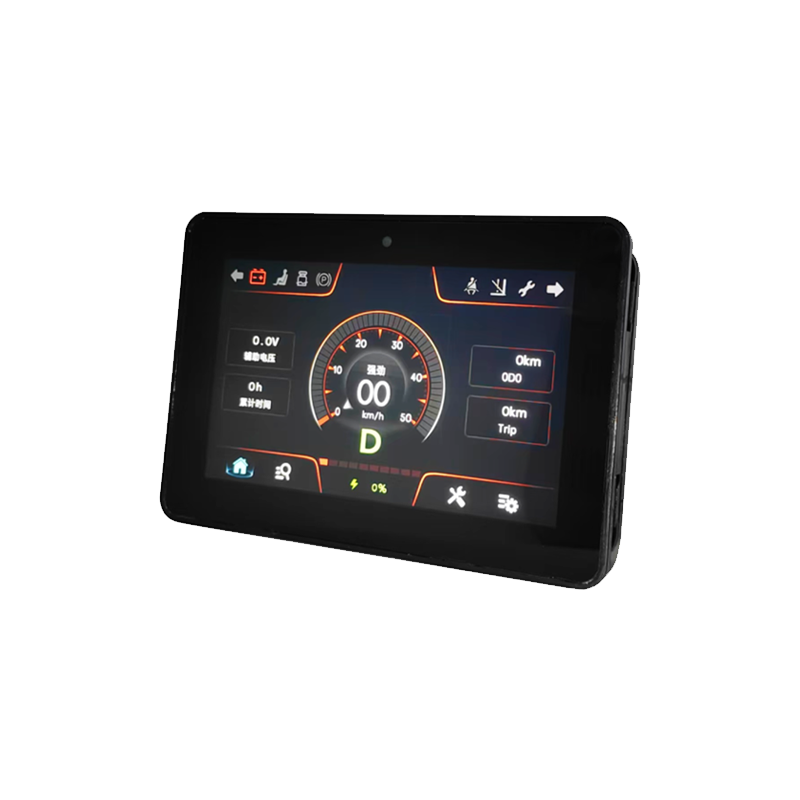
1 Introduction to Industrial Vehicle Automation
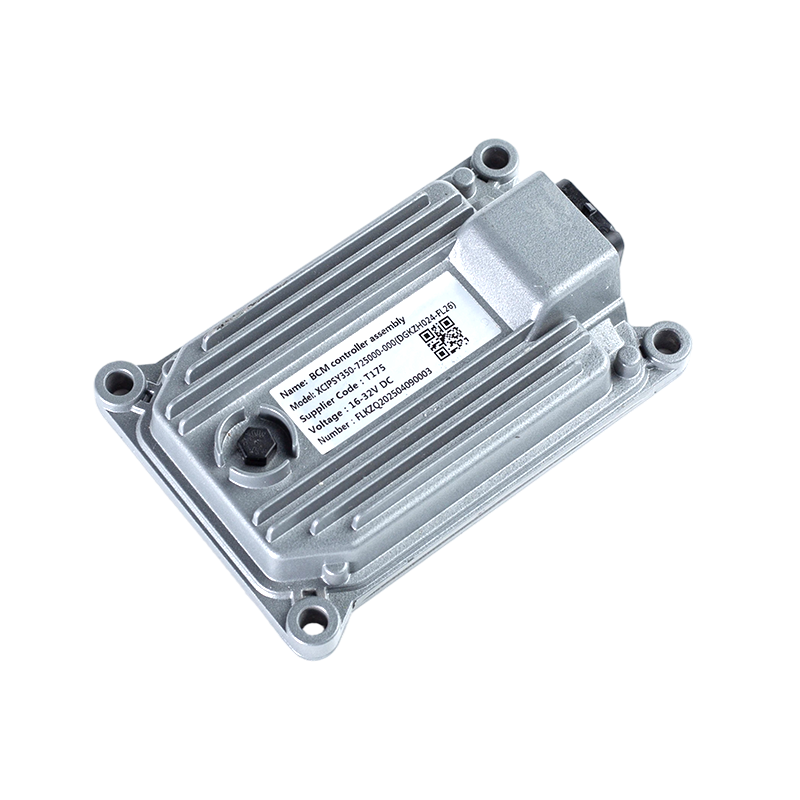
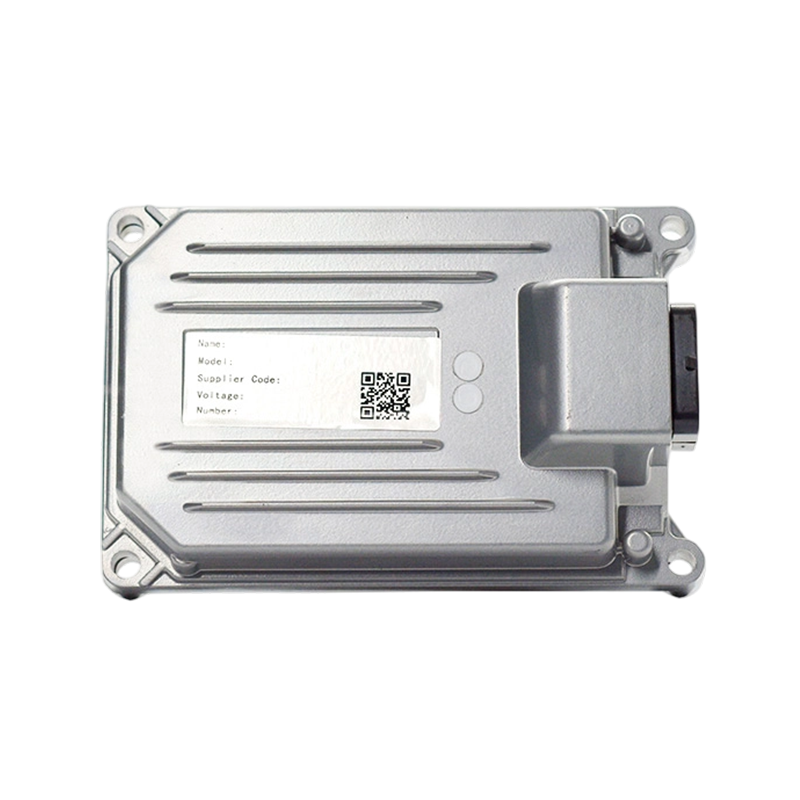
The global material handling and industrial vehicle sector is undergoing a massive transformation. Driven by the demands of Industry 4.0, warehousing, logistics, and construction activities now require unprecedented levels of safety, efficiency, and intelligence. At the heart of this evolution are perception and functional controllers. These advanced electronic units serve as the brain and nervous system of modern industrial vehicles, enabling them to navigate complex environments, handle heavy payloads, and interact safely with human workers.
For global purchasing managers and original equipment manufacturers, selecting the right control architecture is no longer just about basic mechanical movement. It is about integrating smart electronic systems that can process environmental data in real time, ensure functional safety compliance, and maintain high operational uptime under harsh industrial conditions.
2 The Role of Perception Controllers in Smart Logistics
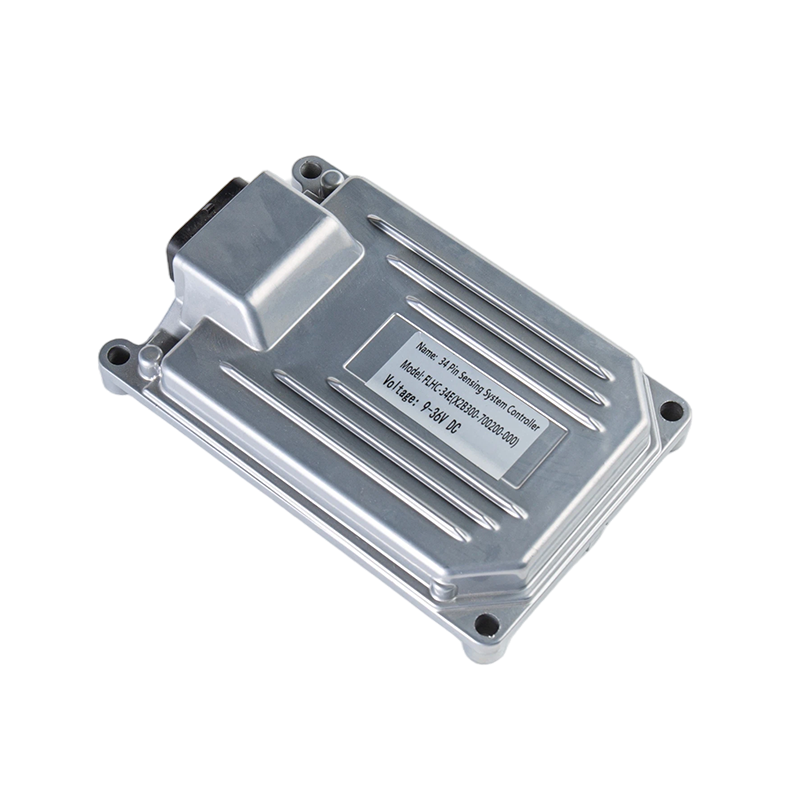
Perception controllers are specialized processing units that gather and interpret data from various onboard sensors, such as cameras, radar, and ultrasonic devices. Unlike standard automotive electronics, industrial vehicle perception systems must handle unique challenges, including tight warehouse aisles, overhead obstacles, and sudden pedestrian movements.
Sensor Fusion Technology
Modern industrial vehicles rarely rely on a single sensor type. Perception controllers utilize sensor fusion to combine data from multiple sources. By cross-referencing visual data with radar positioning, the controller creates an accurate, real-time map of the vehicle surroundings. This eliminates blind spots and allows forklifts, reach trucks, and automated guided vehicles to operate at optimal speeds without compromising safety.
Environmental Adaptability
Industrial environments are notoriously harsh. Vehicles often move between extreme cold storage environments and hot loading docks. Perception controllers must feature high ingress protection ratings and advanced thermal management to ensure that sensor data processing remains uninterrupted by dust, moisture, or severe temperature fluctuations.
3 Functional Controllers and Vehicle Motion Management
While perception controllers allow a vehicle to see, functional controllers allow it to move, lift, and execute tasks with precision. A functional controller manages the core hydraulic and electrical operations of industrial machinery.
Precision Hydraulic Control
In material handling, smooth lifting and tilting are critical to prevent cargo damage. Functional controllers utilize advanced algorithms to regulate hydraulic valves with high precision. This ensures soft-start and soft-stop behavior during lifting cycles, protecting fragile goods and reducing mechanical wear on the vehicle chassis.
Power Management and Efficiency
With the industry shifting rapidly toward electrification, managing battery consumption is a top priority for fleet managers. Advanced functional controllers optimize power distribution between the drive motors and auxiliary systems. By minimizing energy waste during idling and maximizing regenerative braking efficiency, these controllers significantly extend the operational runtime of electric industrial vehicles per charge.
4 Technical Specifications and Industrial Standards
When sourcing electronic components for engineering and industrial vehicles, technical compatibility and strict compliance with global industrial standards are essential. The table below outlines the critical parameters that procurement professionals evaluate when selecting perception and functional control solutions.
| Technical Parameter | Industrial Requirement | Operational Benefit |
|---|---|---|
| Input Voltage Range | 9V to 32V DC / 24V to 80V DC | Compatibility with diverse electric and diesel powertrains |
| Ingress Protection Rating | IP67 or IP69K | Total protection against dust ingress and high-pressure water jets |
| Operating Temperature | Negative 40 to Positive 85 Degrees Celsius | Reliable performance in cold storage and heavy industrial zones |
| Communication Protocols | CAN bus, CANopen, SAE J1939 | Seamless integration with motors, sensors, and displays |
| Functional Safety Level | ISO 13849 PL d or SIL 2 | Ensures compliance with international safety regulations |
| Housing Material | Die-cast Aluminum or Heavy-duty Polymer | High resistance to mechanical shock, vibration, and impacts |
5 Why Partner with Hangzhou Fengle Electronic Technology Co Ltd
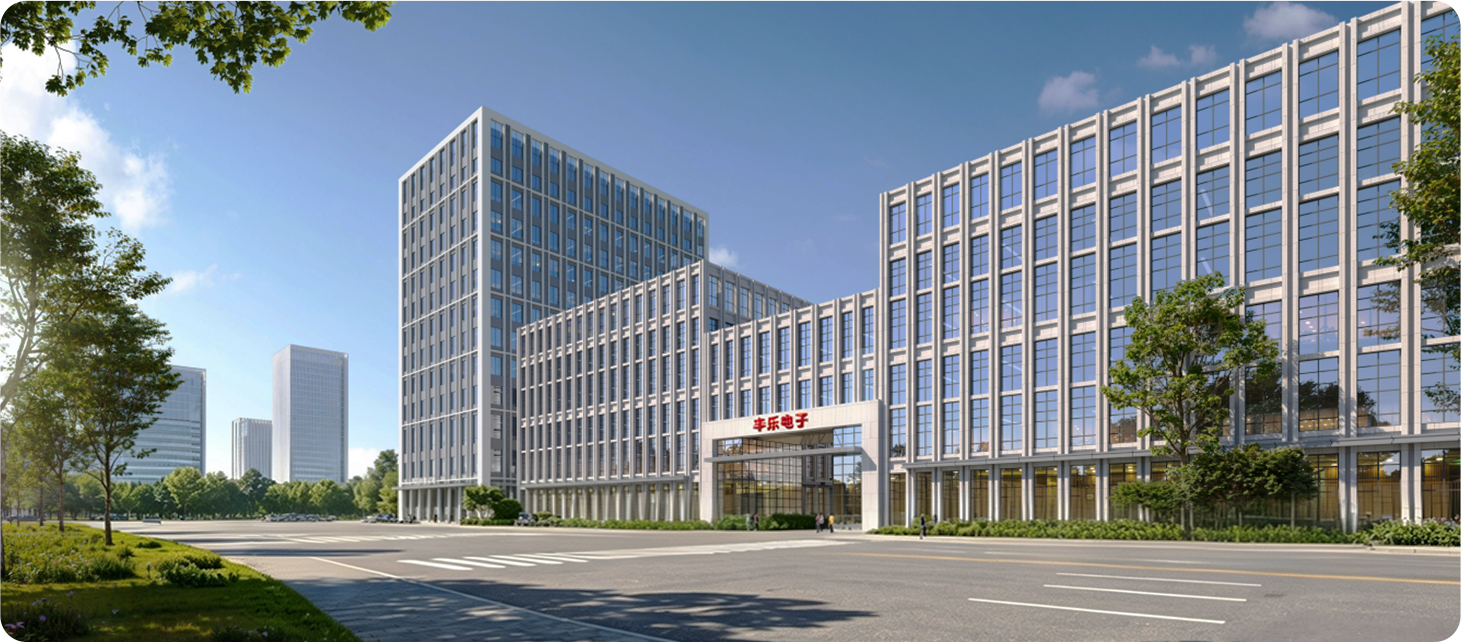
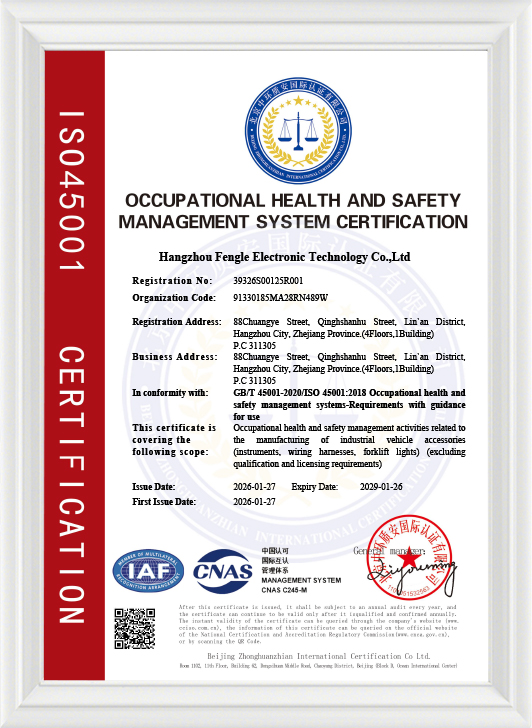
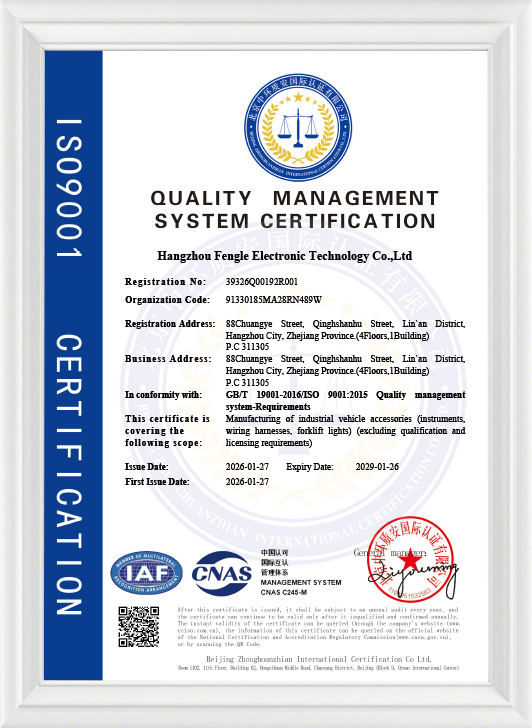
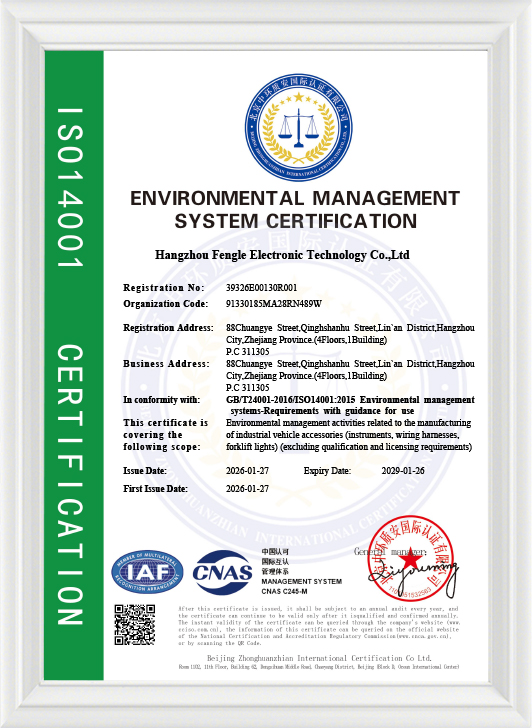
Choosing the right electronic manufacturing partner is vital for the long-term success of your vehicle fleet or production line. Hangzhou Fengle Electronic Technology Co Ltd stands at the forefront of the automotive electronics and engineering vehicle industry, offering unmatched technical expertise and comprehensive manufacturing capabilities.
National High Tech Enterprise Expertise
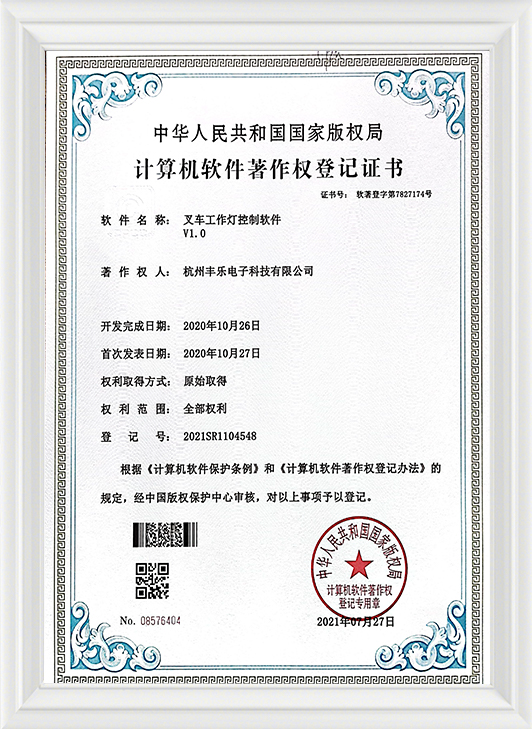
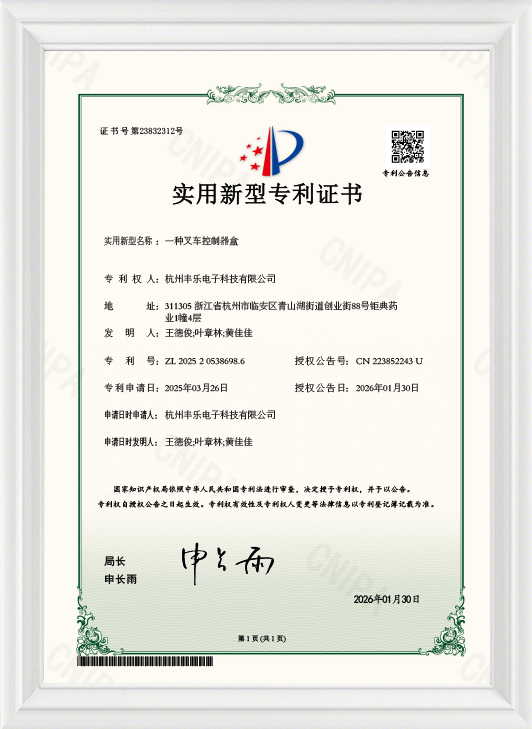
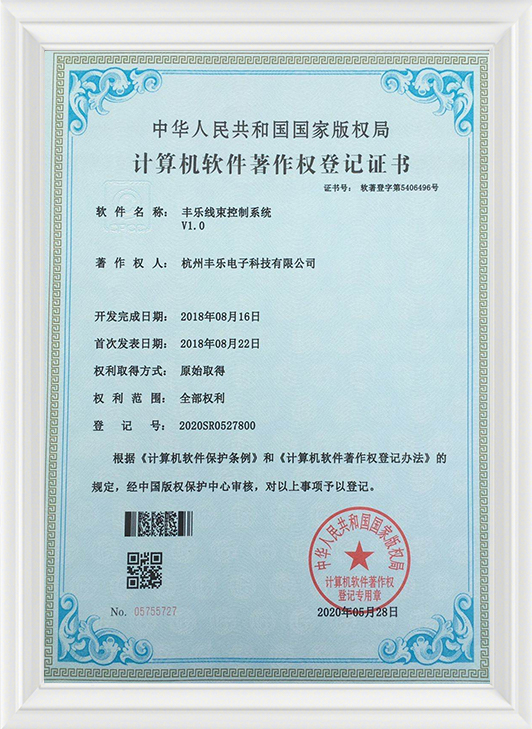
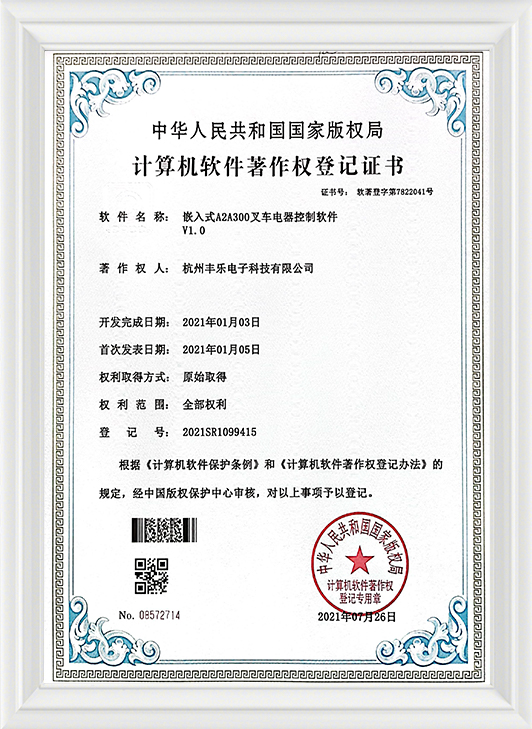
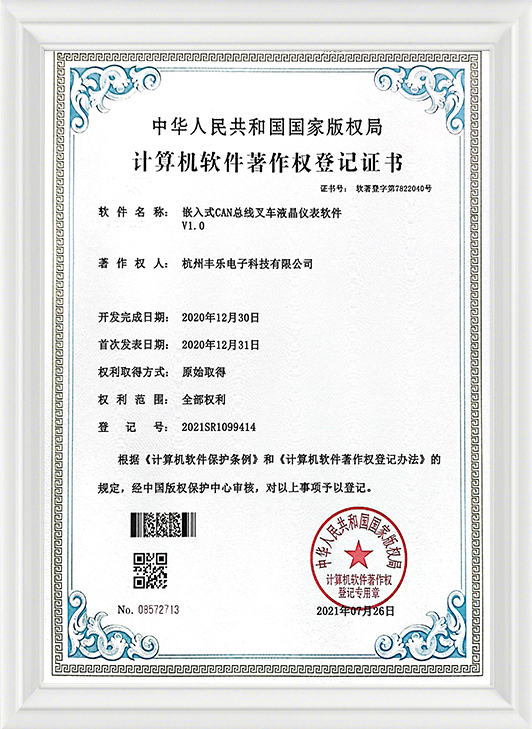
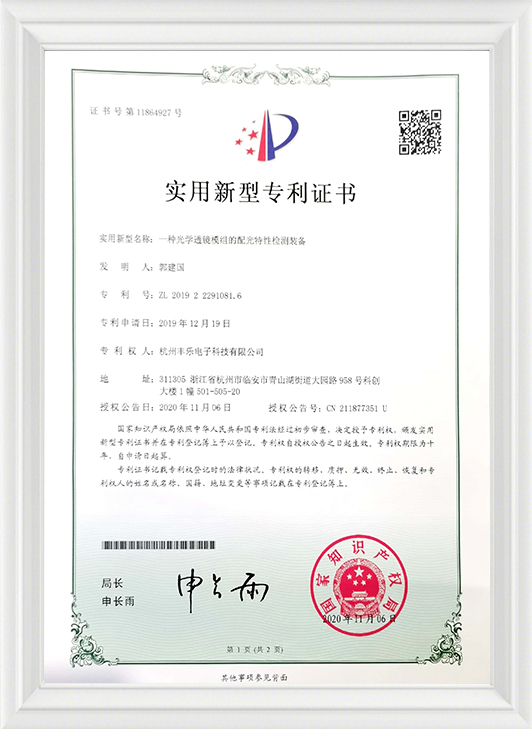
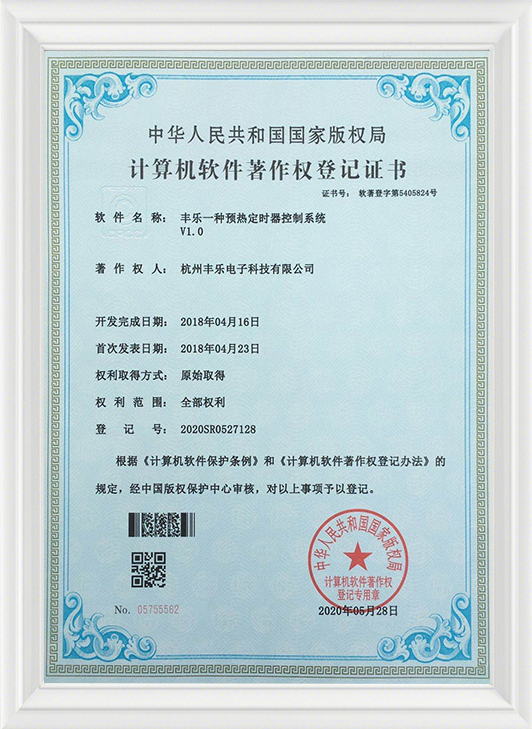
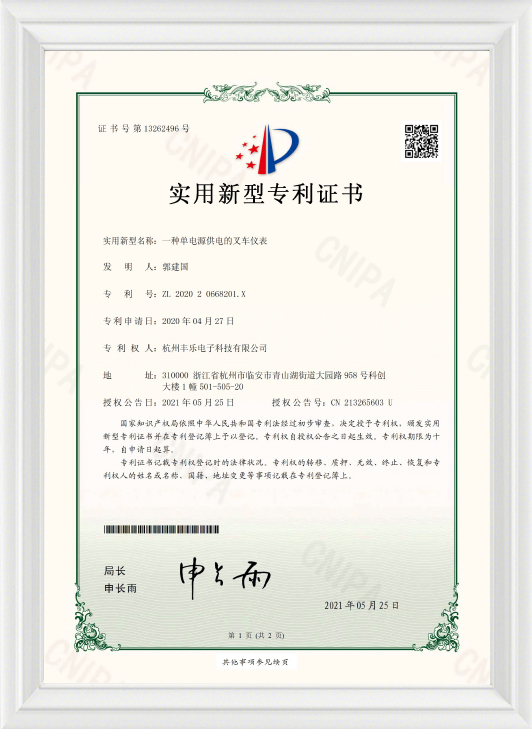
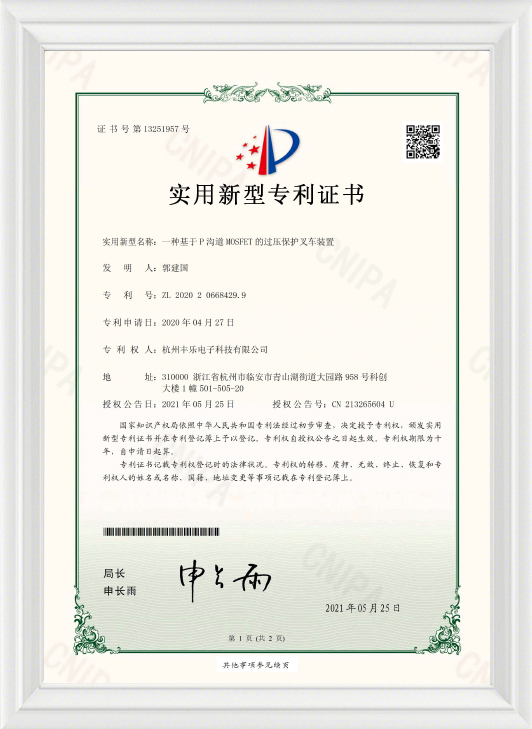
As a certified national high-tech enterprise, Hangzhou Fengle Electronic Technology Co Ltd integrates design, research, development, production, and sales. This end-to-end operational model ensures that every controller we produce benefits from the latest technological innovations and undergoes rigorous quality verification before leaving our facility.
Customized Engineering Solutions
We understand that no two industrial applications are identical. Whether you require specific communication protocol configurations, unique connector layouts, or specialized control algorithms for specialized engineering vehicles, Hangzhou Fengle Electronic Technology Co Ltd delivers tailored hardware and software solutions that match your precise operational requirements.
Robust Supply Chain and Reliability
In the electronics industry, long-term availability and component reliability are critical. Hangzhou Fengle Electronic Technology Co Ltd utilizes premium, industrial-grade components and advanced automated production lines. Our strict quality management systems guarantee that our perception and functional controllers deliver stable, trouble-free operation over extended product lifecycles, reducing maintenance overhead for our global clients.
6 Frequently Asked Questions
FAQ 1 What is the primary difference between a perception controller and a functional controller
A perception controller focuses on environmental awareness by processing data from sensors like cameras and radar to detect obstacles and track surroundings. A functional controller manages the physical actions of the vehicle, such as steering, propulsion, braking, and hydraulic lifting operations.
FAQ 2 How do these controllers handle heavy vibrations in construction and mining environments
Our controllers are engineered with robust mechanical designs, utilizing solid-state components, potted electronic assemblies, and heavy-duty die-cast aluminum enclosures. This architecture isolates sensitive internal circuits from continuous mechanical shocks and high-frequency vibrations common in industrial vehicle operations.
FAQ 3 Can the controllers from Hangzhou Fengle Electronic Technology Co Ltd integrate with existing vehicle networks
Yes, our products are designed with standard industrial communication interfaces, fully supporting CAN bus, CANopen, and SAE J1939 protocols. This ensures seamless plug-and-play integration with third-party motors, hydraulic systems, and digital dashboard displays.
FAQ 4 Why is functional safety certification important for industrial vehicle control units
Functional safety certification ensures that the controller can detect internal faults and safely mitigate risks before an accident occurs. This is critical for industrial vehicles operating in close proximity to human workers, helping companies meet international labor and safety compliance regulations.
FAQ 5 What level of customization does Hangzhou Fengle Electronic Technology Co Ltd offer for B2B clients
We offer comprehensive customization services, including custom printed circuit board layouts, specialized firmware development, custom enclosure designs, and specific input or output configurations to match the technical architecture of your specific engineering vehicle models.

