


 русский
  Español
  中文简体
中文简体


1 Industry Insights for Industrial Vehicle Electrical Components and Accessories
The global industrial vehicle market relies heavily on robust engineering and advanced electronics. Vehicles such as forklifts, excavators, tractors, and mining trucks operate under some of the most grueling environmental conditions on earth. For these machines, electrical components are not just accessories; they are the critical nervous system that ensures operational safety, efficiency, and uptime.
As industrial vehicles transition from mechanical control systems to intelligent, data driven networks, understanding the underlying technology of electrical components becomes essential for fleet managers, procurement officers, and engineering partners worldwide. This guide provides a deep technical look into the design principles, standards, and innovations shaping modern industrial vehicle electrical systems.
2 Crucial Engineering Challenges in Harsh Environments
Unlike standard passenger cars, industrial engineering vehicles face extreme operational stresses. Electrical components designed for this sector must be engineered to withstand a combination of environmental threats.
2.1 Thermal Management and Temperature Fluctuations
Engineering vehicles often operate in extreme climates, from sub zero arctic mining sites to scorching desert construction zones. Components must maintain structural and electrical integrity across a wide temperature spectrum, typically ranging from minus 40 degrees Celsius to plus 85 degrees Celsius. Continuous thermal cycling can cause materials to expand and contract at different rates, leading to joint fatigue and insulation cracking if not properly managed.
2.2 Vibration and Mechanical Shock Protection
Heavy machinery generates massive low frequency vibrations and encounters severe mechanical shocks during digging, lifting, and hauling operations. Standard electrical connectors and wiring harnesses would quickly shake loose or shear under these forces. Industrial grade accessories utilize specialized locking mechanisms, heavy duty overmolding, and reinforced mounting brackets to guarantee continuous electrical contact.
2.3 Environmental Ingress Prevention
Dust, mud, moisture, and chemical exposure are constant threats on construction and industrial sites. Ingress Protection ratings are the global benchmark used to measure a component resistance to these elements. For industrial vehicles, a minimum of IP67 protection is required for internal cabins, while external sensors, switches, and wiring harnesses frequently demand IP69K compliance to survive high pressure hot water washdowns.
3 Key Specifications for Industrial Electrical Components
When selecting components for heavy machinery, engineers look at specific technical benchmarks to ensure long term reliability. The following matrix outlines the core standards and performance criteria required for industrial vehicle applications.
| Component Category | Primary Technical Specifications | Standard Regulatory Compliance | Target Application |
|---|---|---|---|
| Heavy Duty Connectors | Gold or nickel plated contacts, high current rating up to 50 Amps, integrated secondary locks | IP67 or IP69K, RoHS compliant | Engine control units, chassis wiring, hydraulic valve control |
| Control Switches and Relays | Mechanical lifespan over 100000 cycles, sealed housing, high inrush current handling | UL recognized, CE marking, SAE J1455 | Dashboard controls, emergency stops, power distribution units |
| Sensors and Actuators | Non contact magnetic technology, high accuracy calibration, transient voltage protection | ISO 13766, EM compatibility standards | Boom position sensing, steering angle tracking, fluid level monitoring |
| Wiring Harnesses and Cables | Cross linked polyethylene insulation, flame retardant jackets, braided shielding | SAE J1128, ISO 6722 | Main power distribution, CAN bus communication networks |
4 The Role of CAN Bus Technology in Modern Fleet Electronics
One of the most important advancements in industrial vehicle electronics is the widespread adoption of the Controller Area Network, commonly referred to as CAN bus technology. Developed specifically for automotive and industrial environments, this serial communication protocol allows electronic control units, sensors, and actuators to communicate with each other without a complex, heavy, and expensive central computer.
In an industrial vehicle, a single CAN bus network can transmit data regarding engine temperature, hydraulic pressure, battery health, and operator inputs over just two wires. This drastically reduces the total amount of wiring required inside the vehicle, which in turn reduces the overall weight, minimizes potential points of electrical failure, and simplifies the troubleshooting process for maintenance technicians. For modern material handling and earthmoving equipment, utilizing high quality, shielded CAN bus components is vital for preventing electromagnetic interference from disrupting critical operations.
5 Our Service Advantages at Hangzhou Fengle Electronic Technology Co Ltd
Building a reliable industrial vehicle requires a manufacturing partner who understands both the theory and the harsh realities of the field. Hangzhou Fengle Electronic Technology Co Ltd stands out as a premier partner in this domain through our comprehensive, client focused service architecture.
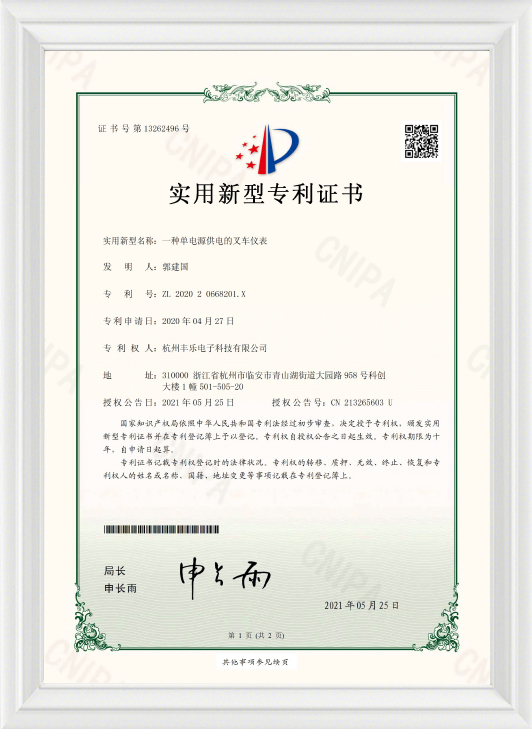
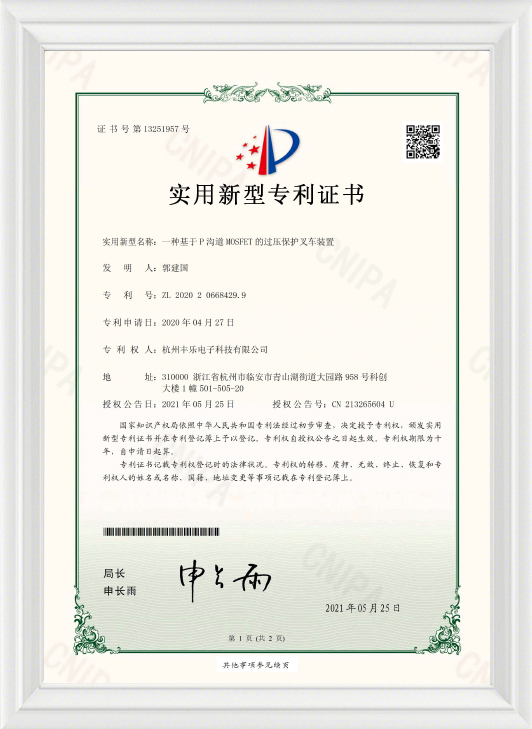
- National High Tech Expertise: As an officially recognized national high tech enterprise, Hangzhou Fengle Electronic Technology Co Ltd invests heavily in continuous research and development. We don’t just follow industry trends; we help create them by integrating the latest material sciences and electronic engineering methods into our product lines.
- End to End Integration: We provide a truly seamless experience by handling every stage of the product lifecycle. From initial concept design and detailed rapid prototyping to high volume production and global sales support, our team ensures consistency, quality control, and transparency throughout the entire process.
- Customized Solution Engineering: We know that no two engineering vehicle models are exactly alike. Hangzhou Fengle Electronic Technology Co Ltd specializes in tailoring customized solutions to meet precise client requirements. Whether you need a specific wiring harness configuration or a ruggedized switch assembly, our engineers adapt our core technology to fit your space, power, and environmental constraints.
- Rigorous Quality Assurance: Reliability is our core promise. Every component manufactured in our facilities undergoes strict testing procedures, including thermal shock testing, vibration testing, and ingress simulation. This ensures that every product leaving our line is fully prepared to deliver flawless performance in the field.
6 Frequently Asked Questions
6.1 What makes industrial vehicle electrical components different from standard automotive components
Industrial vehicle components are designed for much higher durability, higher current loads, and more severe environmental exposure. They feature superior IP ratings, ruggedized housings, and enhanced vibration resistance compared to standard consumer automotive parts.
6.2 How does Hangzhou Fengle Electronic Technology Co Ltd ensure the reliability of its customized solutions
We utilize a strict quality control workflow that includes comprehensive computer aided design simulation, environmental lab testing under extreme temperatures and vibrations, and rigorous end of line functional testing before shipping.
6.3 Why is IP69K compliance important for engineering vehicle accessories
An IP69K rating means the component can withstand close range, high pressure, and high temperature washdowns. This is critical for vehicles working in mud, clay, or mining environments where regular intensive cleaning is necessary to maintain the machinery.
6.4 Can you design custom wiring harnesses for specific agricultural or construction machinery
Yes, Hangzhou Fengle Electronic Technology Co Ltd has extensive experience in designing and manufacturing specialized wiring systems and electrical accessories customized to the exact dimensions, electrical loads, and routing requirements of various industrial machines.
6.5 What communication protocols do your advanced electrical components support
Our electronic integration solutions are fully optimized to support standard heavy duty vehicle communication networks, including the widely used SAE J1939 CAN bus protocols for seamless system compatibility.

