


 русский
  Español
  中文简体
中文简体

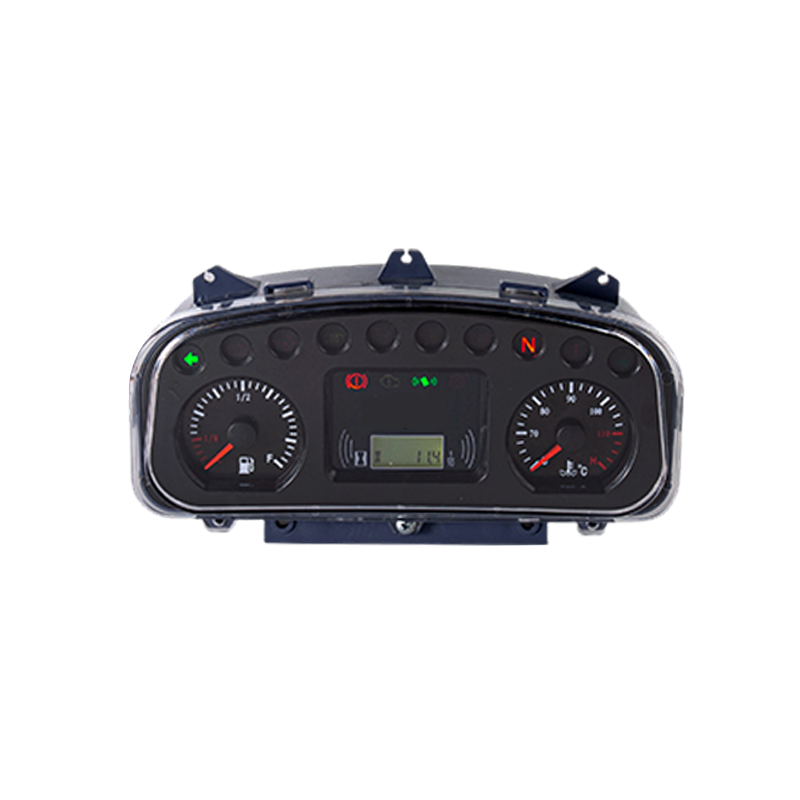
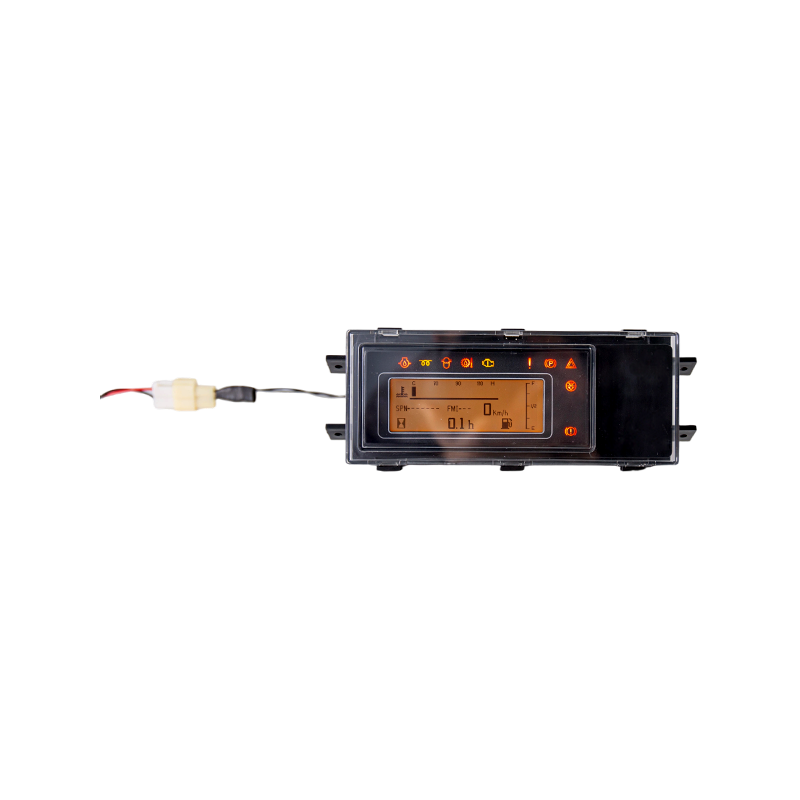
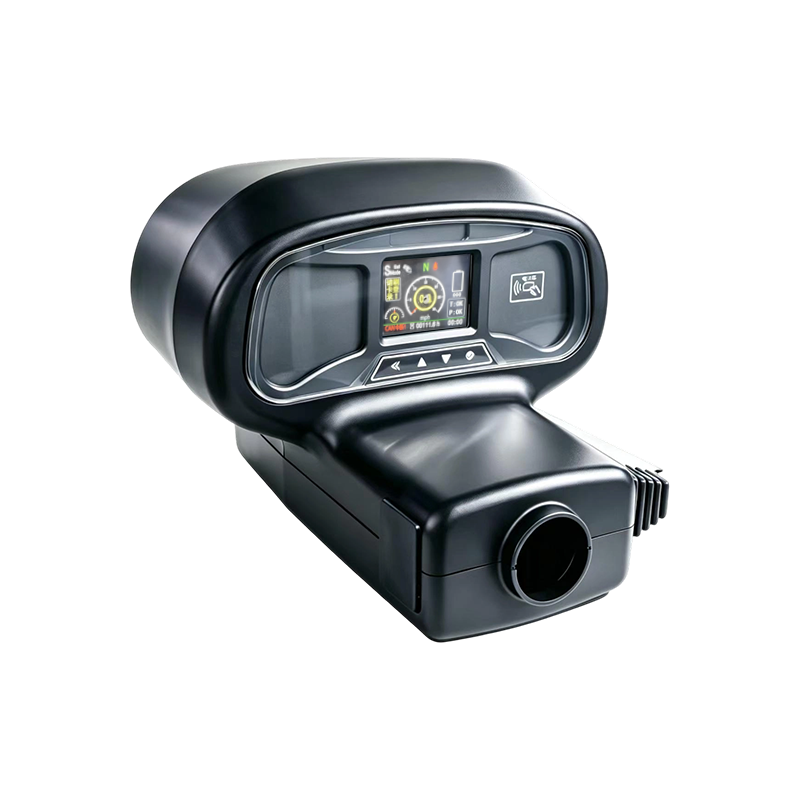
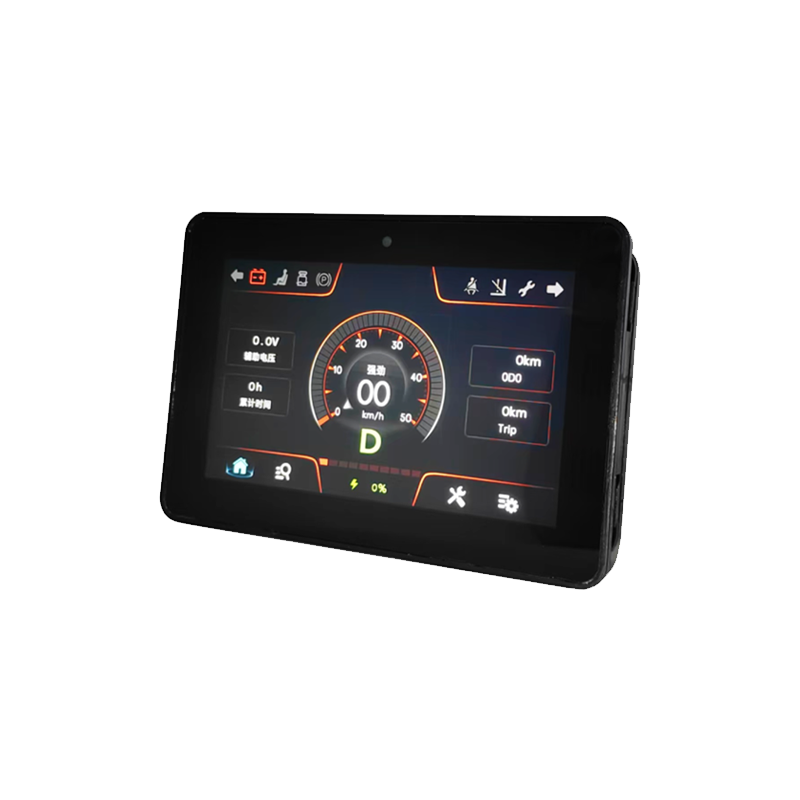
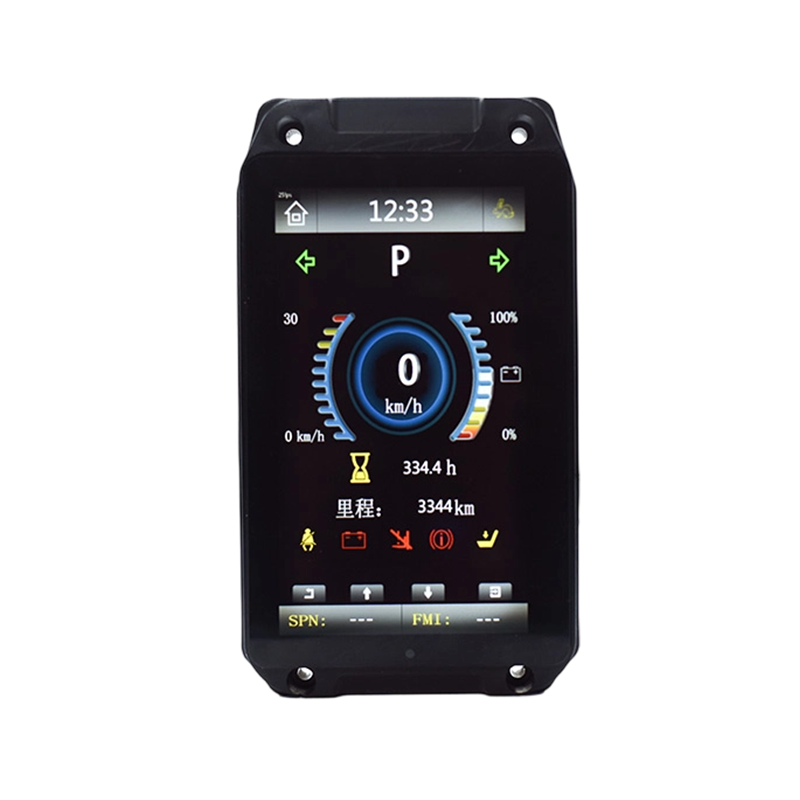

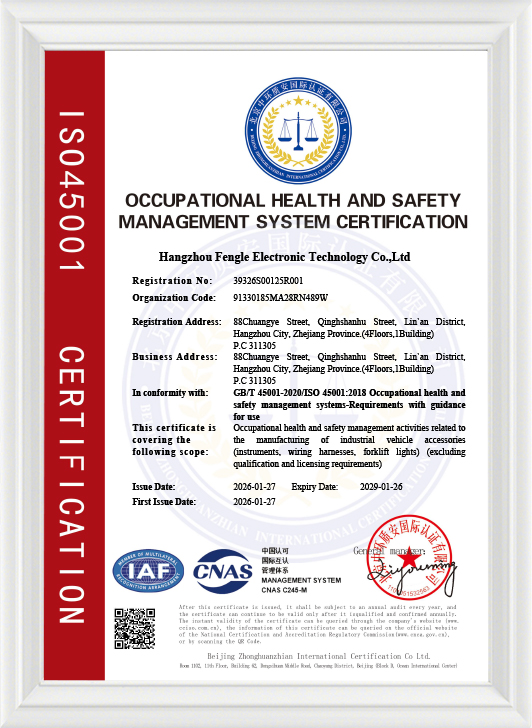
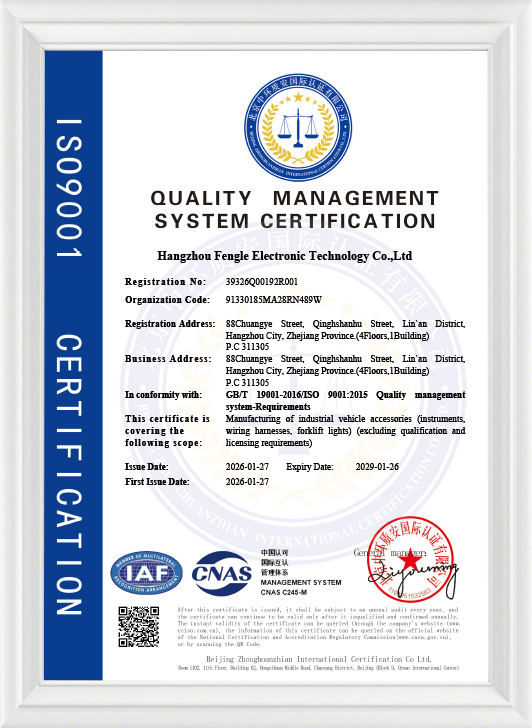
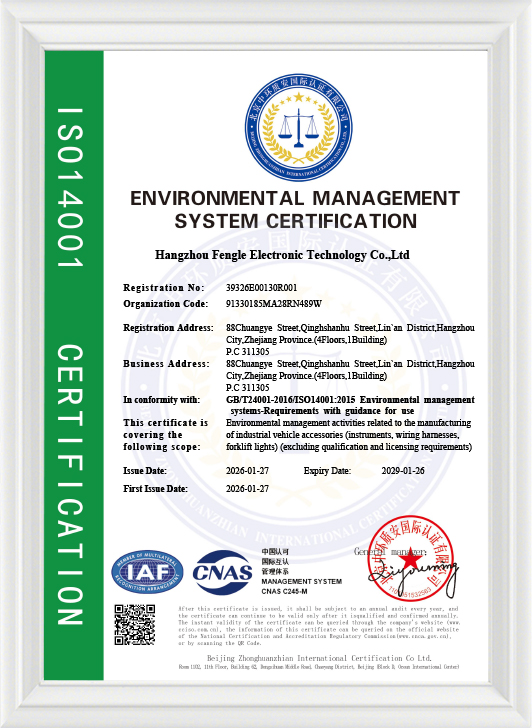
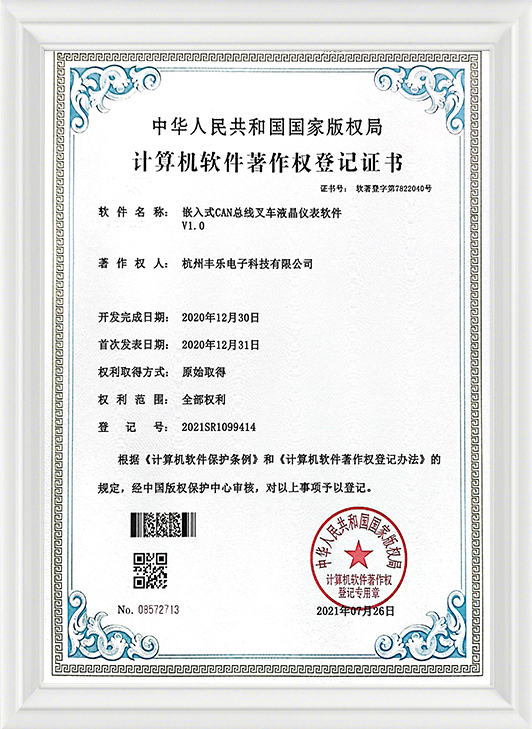
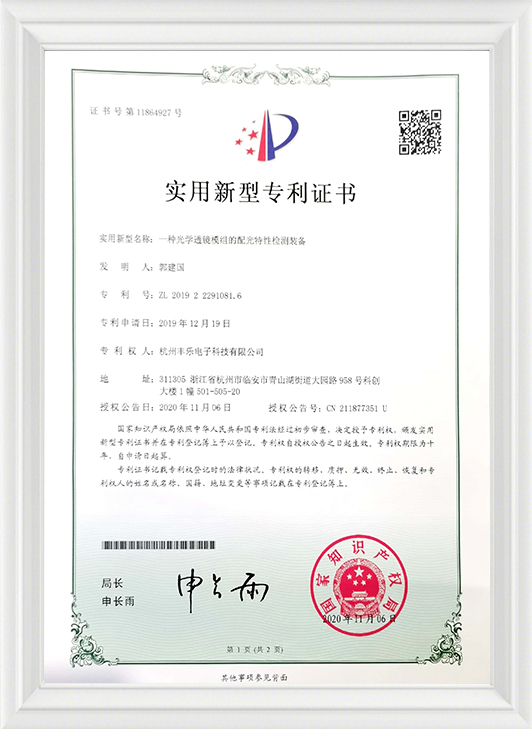
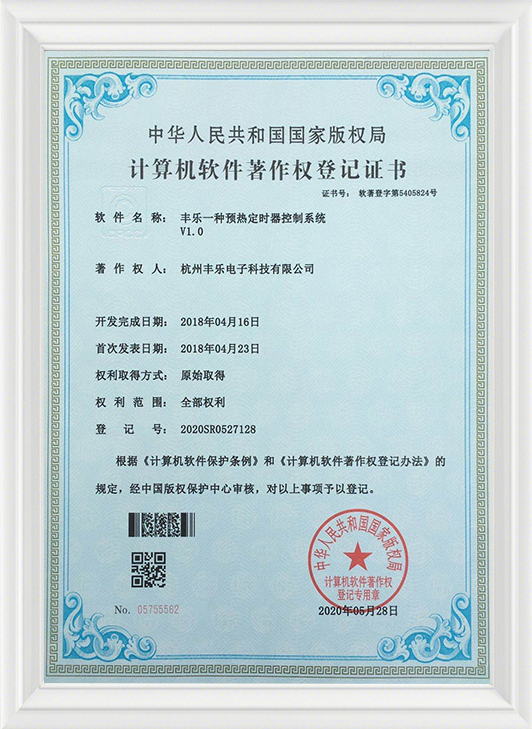
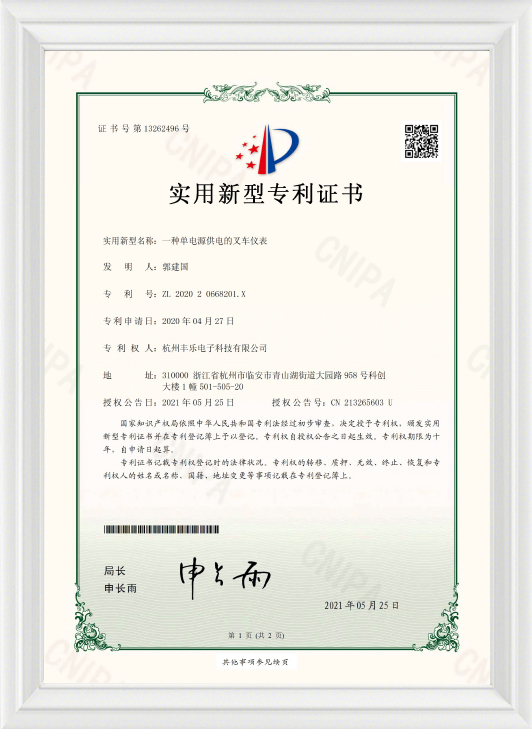
Internal Combustion (IC) industrial vehicles, such as forklifts, heavy duty trucks, excavators, and agricultural equipment, operate in some of the most demanding environments on Earth. Unlike passenger vehicles, industrial machinery requires specialized dashboard instrumentation to monitor thermal loads, heavy hydraulic pressures, and continuous operations.
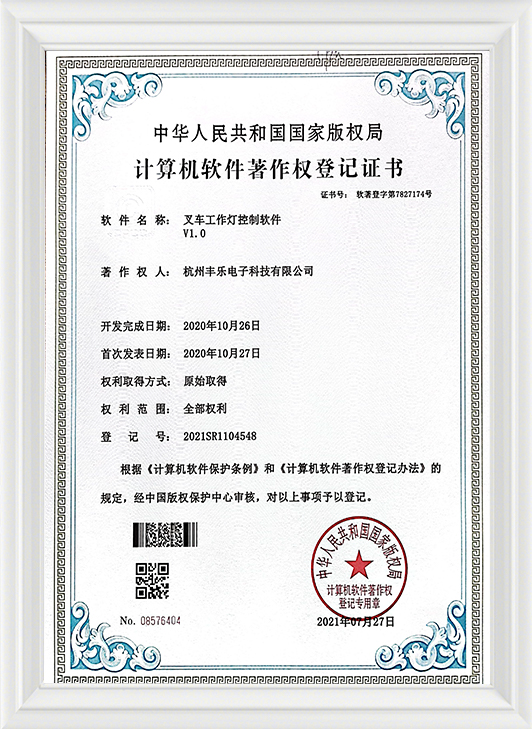
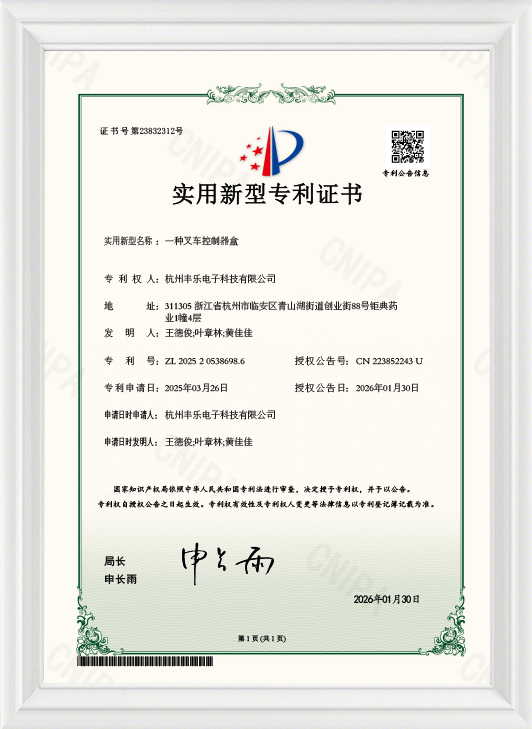
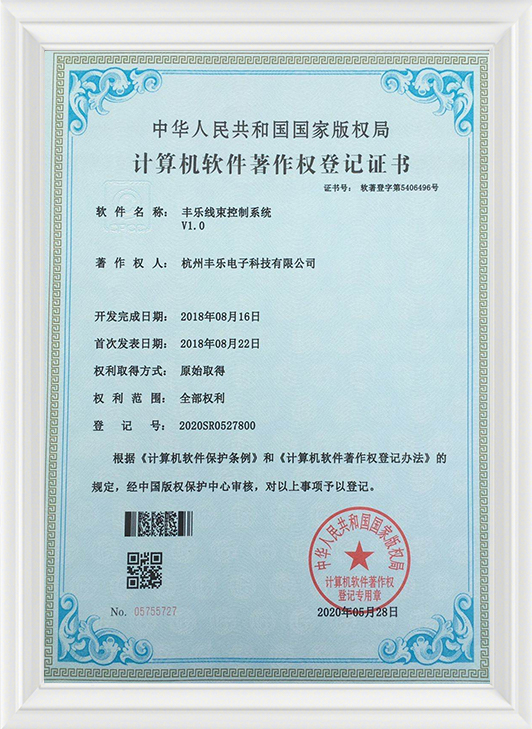
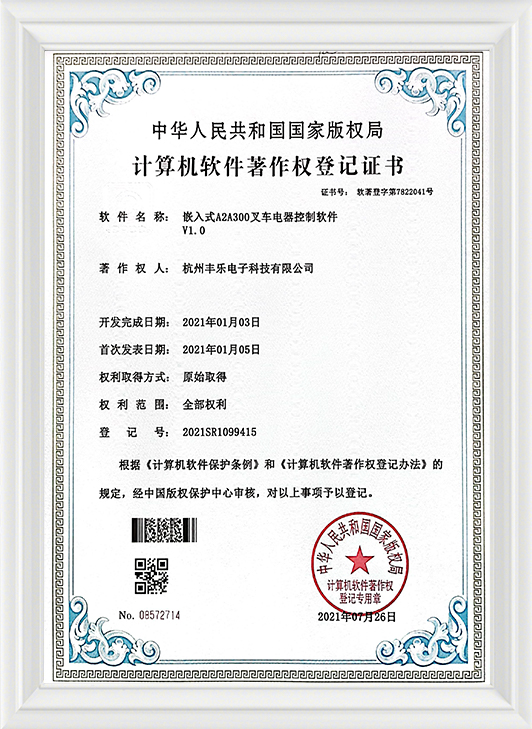
As a national high-tech enterprise, Hangzhou Fengle Electronic Technology Co., Ltd. engineering solutions focus on high reliability, rugged construction, and precise data delivery. This comprehensive industry analysis explores the core engineering behind IC industrial vehicle instrumentation, covering design standards, component architecture, and the strategic solutions that differentiate Hangzhou Fengle Electronic Technology Co., Ltd. in the automotive electronics sector.
1. Technological Architecture of Instruments for IC Industrial Vehicles
The instrument cluster of an internal combustion industrial vehicle acts as the central information hub, converting raw signals from various engine, transmission, and hydraulic sensors into actionable data for the operator.
Modern Information Processing Units
Modern industrial instrumentation has shifted from traditional mechanical linkages to digital systems. These assemblies utilize high-speed microcontrollers or Systems on Chip equipped with integrated Controller Area Network bus controllers. This architecture allows the cluster to communicate directly with the Engine Control Unit, Transmission Control Unit, and hydraulic management modules.
Display Technologies for Harsh Industrial Environments
Industrial vehicle operators must read critical diagnostic information under a wide variety of conditions, ranging from direct glare from the midday sun to low-light underground mining environments.
- Thin Film Transistor LCDs: High brightness panels, often exceeding 800 to 1000 nits, combined with anti-reflective coatings ensure readability under high ambient light conditions.
- Hybrid Systems: These setups pair physical, stepper-motor-driven needles for primary metrics like engine RPM with central digital dot-matrix screens for diagnostic error codes. This combination provides a balance of instant readability and high information density.
2. Key Instrumentation Metrics and Monitored Parameters
Industrial machinery relies on precise, real-time tracking of operational metrics to prevent catastrophic mechanical failures and ensure workplace safety.
Engine and Powertrain Diagnostics
- Tachometer: Monitoring engine rotation speeds ensures the vehicle operates within its peak torque curve while preventing over-revving during heavy material handling tasks.
- Coolant and Oil Temperature Indicators: IC engines working under heavy loads generate massive thermal energy. Instrumentation must track temperature spikes to trigger automatic derating or shutdown protocols before thermal damage occurs.
Hour Meters and Preventive Maintenance Schedule
Unlike passenger cars that track mileage, industrial equipment measures operational life in hours. The electronic hour meter inside the cluster logs precise engine run time. This data is critical for executing scheduled preventive maintenance, such as hydraulic fluid flushes, oil changes, and filter replacements.
3. Industrial Durability Standards and Technical Specifications
Industrial automotive electronics must withstand continuous vibrations, wide temperature swings, and exposure to moisture and fine particulates.
| Engineering Property | Industrial Instrumentation Requirement |
|---|---|
| Ingress Protection IP | IP65 to IP67 minimum for water and dust resistance |
| Operating Temperature | Wide functional envelope from minus 40 to plus 85 degrees Celsius |
| Communication Protocol | J1939 CAN bus network protocol integration |
| Vibration Resistance | High G-force rating according to international standards |
| Operating Voltage Range | Dual compatibility supporting 12V and 24V electrical systems |
Ingress Protection Ratings
An instrument cluster mounted on an open-cab forklift or agricultural tractor faces rain, wash-down procedures, and fine dust. Achieving an IP65 or IP67 rating requires specialized engineering, including UV-resistant polycarbonates, ultrasonic welding of the outer housing, and custom-molded silicone seals around electrical connectors.
Electromagnetic Compatibility
Heavy machinery generates high levels of electrical noise from starter motors, alternators, and hydraulic solenoids. Industrial instruments must integrate robust transient voltage suppression diodes and specialized filtering circuits to prevent display flicker, data corruption, or component failure caused by voltage spikes.
4. Engineering and Service Advantages of Hangzhou Fengle Electronic Technology Co., Ltd.
Hangzhou Fengle Electronic Technology Co., Ltd. has established itself as an end-to-end partner for global original equipment manufacturers and aftermarket distributors by managing every stage of the product lifecycle.
Complete Research and Manufacturing Integration
By maintaining dedicated design, research and development, production, and sales teams under one corporate structure, Hangzhou Fengle Electronic Technology Co., Ltd. eliminates supply chain fragmentation. This integrated approach ensures that design intent translates accurately to the manufacturing line, maintaining strict quality control across all production runs.
Advanced Customized Solution Development
Industrial applications vary widely; a cluster designed for a warehouse forklift requires a different form factor and software logic than one built for a heavy logging crane. Hangzhou Fengle Electronic Technology Co., Ltd. specializes in tailored solutions. Engineers modify display layouts, configure custom firmware warning thresholds, and adapt physical mounting brackets to match the exact specifications of different vehicle chassis.
Commitment to Long-Term Operational Reliability
As a national high-tech enterprise, Hangzhou Fengle Electronic Technology Co., Ltd. implements rigorous testing procedures, including environmental chamber baking, high-impact drop tests, and continuous electrical load cycling. This focus on reliability helps minimize vehicle downtime, lower warranty claims for machinery manufacturers, and ensure safe operation throughout the lifetime of the vehicle.
5. Frequently Asked Questions
FAQ 1: Why is J1939 CAN bus protocol communication critical for industrial vehicle instruments?
The SAE J1939 standard is the preferred network protocol for heavy duty and industrial vehicles. It allows the instrument cluster to receive high-speed digital data streams from the engine and transmission over a single pair of wires. This reduces the overall wiring harness complexity, minimizes point-to-point analog wiring faults, and enables the display of complex diagnostic trouble codes directly to the operator.
FAQ 2: How do instruments handle readability in open-cab vehicles exposed to direct sunlight?
To counteract glare, modern electronic displays utilize high-contrast liquid crystal layers along with high-brightness LED backlighting systems. Furthermore, optical bonding technology seals the protective top glass directly to the LCD panel. This eliminates the internal air gap, reducing reflections by up to 90 percent and preventing internal condensation in high-humidity environments.
FAQ 3: What is the primary difference between passenger car dashboards and heavy vehicle instrumentation?
While passenger vehicles prioritize aesthetic design and infotainment connectivity, industrial vehicle instruments focus heavily on component longevity, structural durability, and equipment protection metrics. Industrial instrumentation includes specialized displays for hour tracking, hydraulic fluid levels, transmission oil pressure, and system error codes that are rarely found on standard consumer cars.
FAQ 4: How does vibration resistance extend the operational lifespan of the electronics?
Industrial vehicles generate sustained low-frequency vibrations and experience frequent high-impact shocks during operation. Standard surface-mount electronics can experience solder joint fatigue or cracked circuit traces under these conditions. Hangzhou Fengle Electronic Technology Co., Ltd. addresses this by implementing heavy-duty mechanical mounting pins, structural potting compounds, and automotive-grade connectors designed to absorb mechanical shock.
FAQ 5: Can the instrumentation solutions be retrofitted into existing fleet vehicles?
Yes. Thanks to flexible firmware configurations and adaptable physical housings, customized instrumentation solutions from Hangzhou Fengle Electronic Technology Co., Ltd. can be tailored to support both modern digital networks and legacy analog sender networks. This dual-compatibility allows fleet operators to upgrade older industrial machinery to modern safety and diagnostic standards.

