


 русский
  Español
  中文简体
中文简体

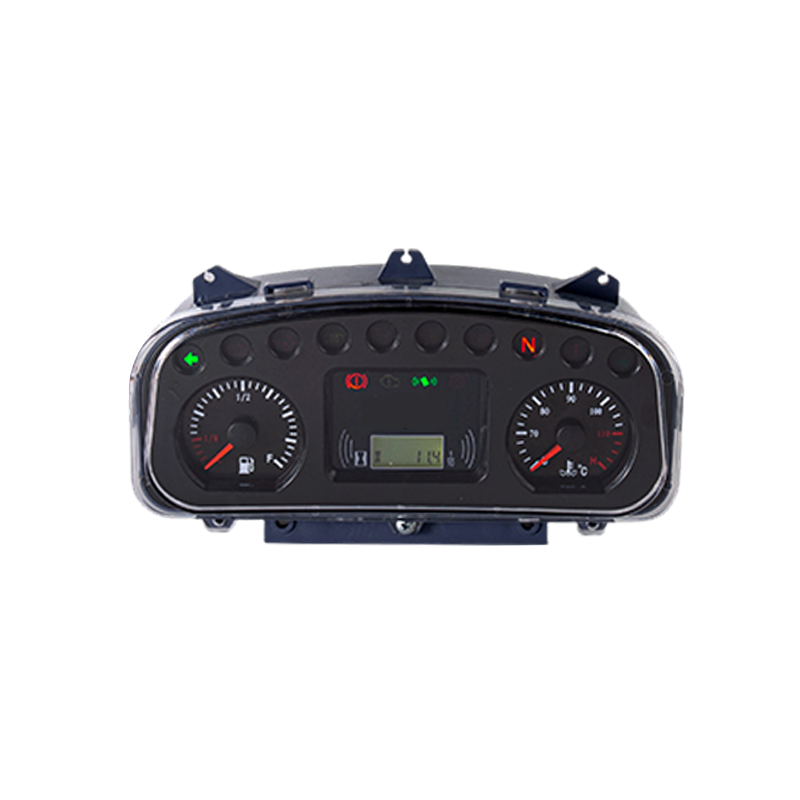
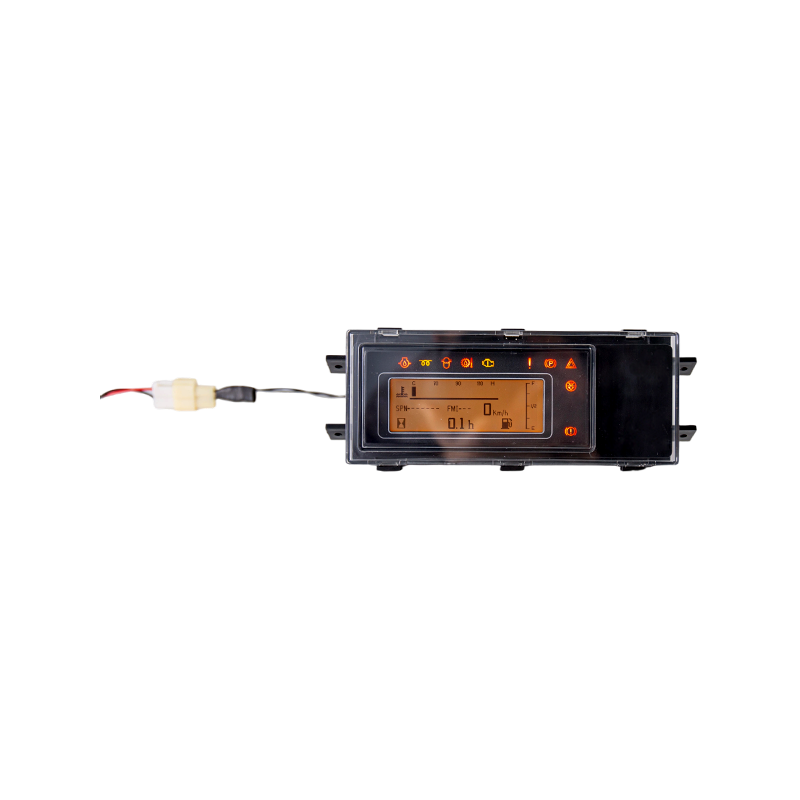
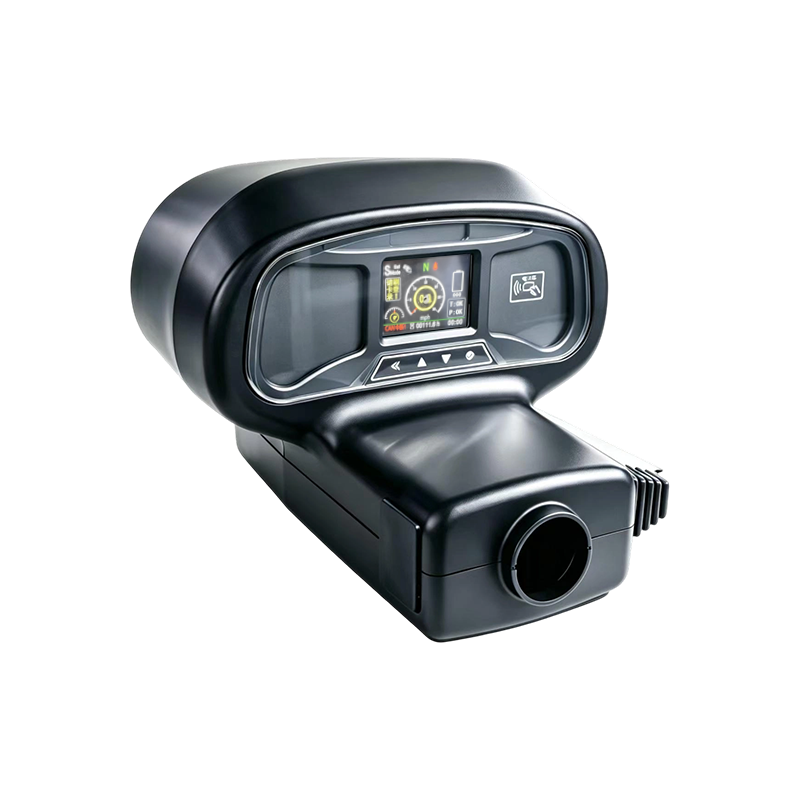
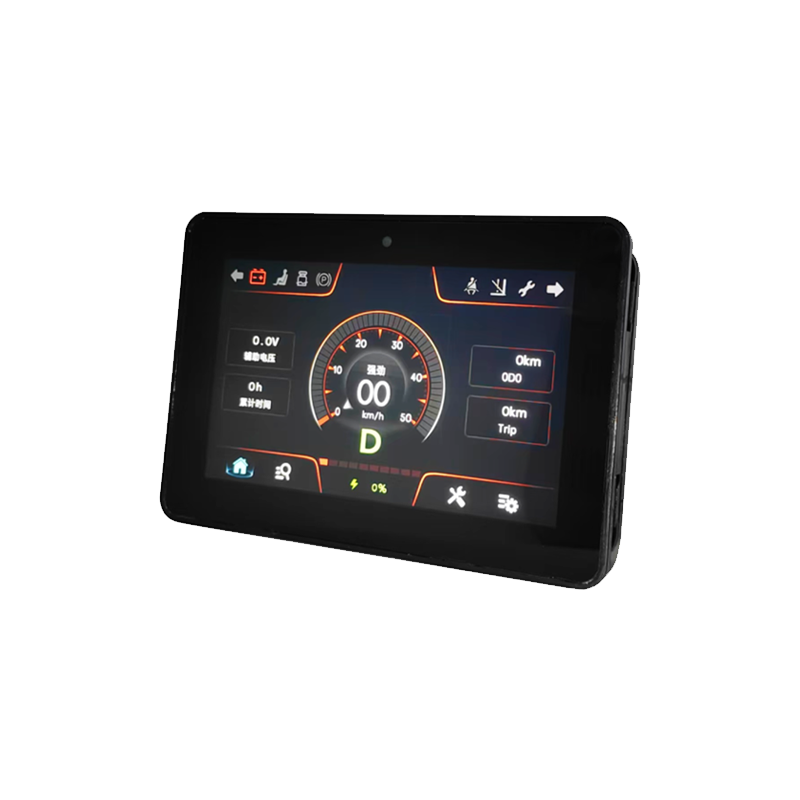
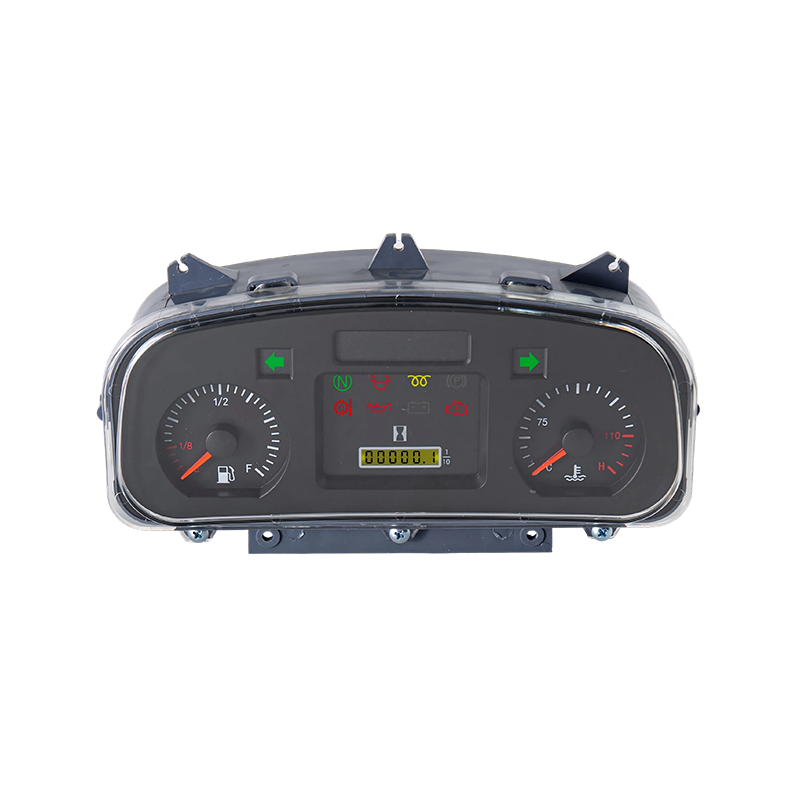
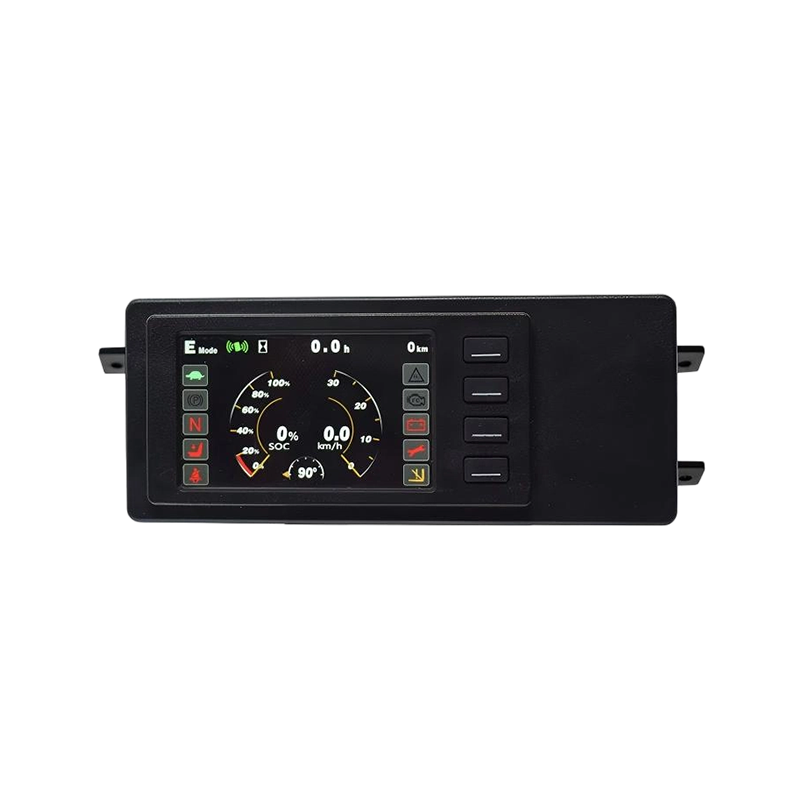
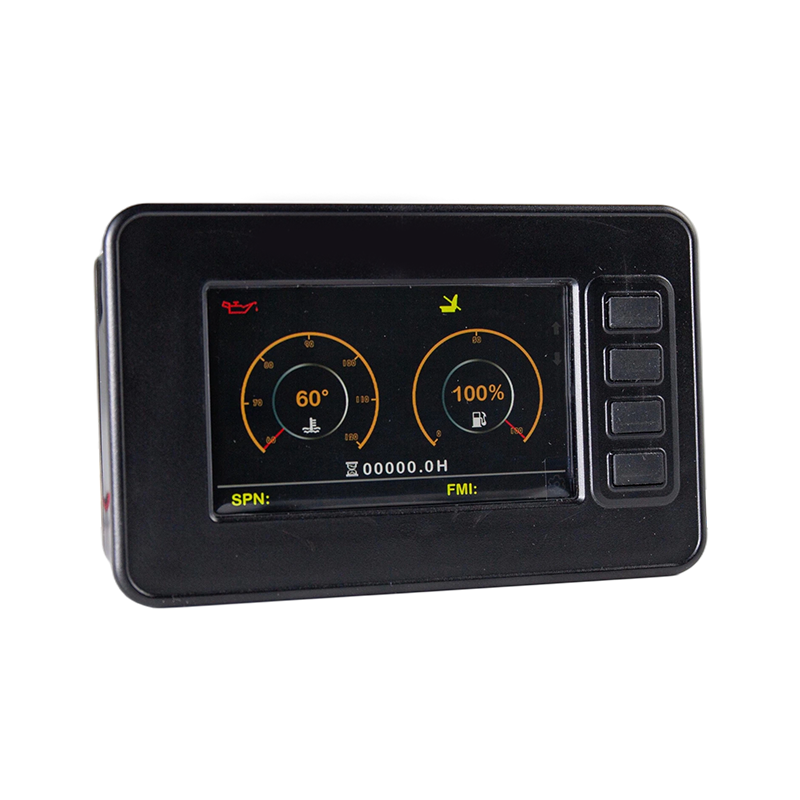
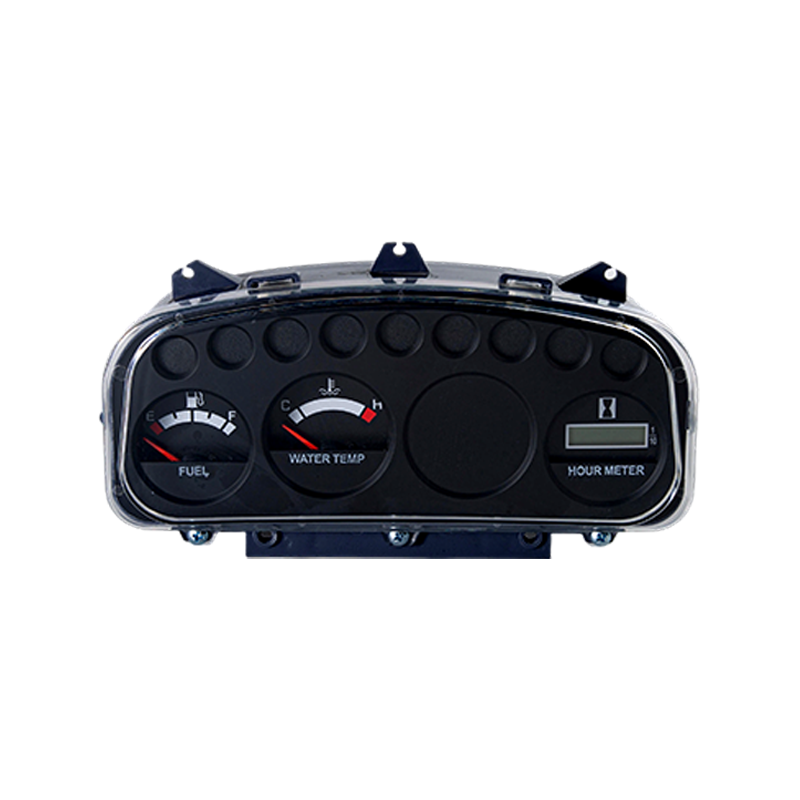

1 Introduction to Industrial Vehicles Instruments and Applications
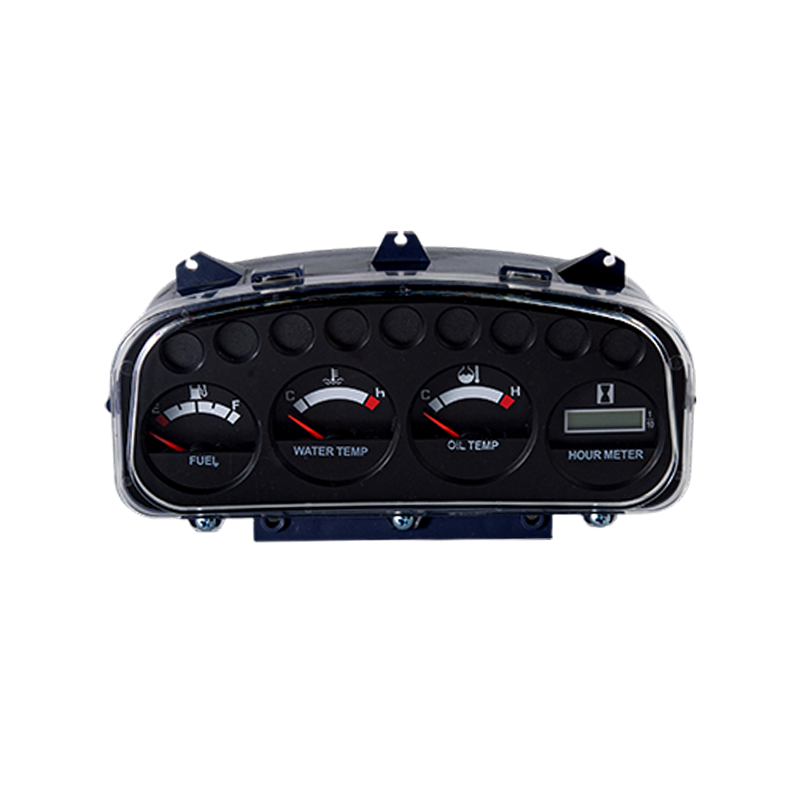
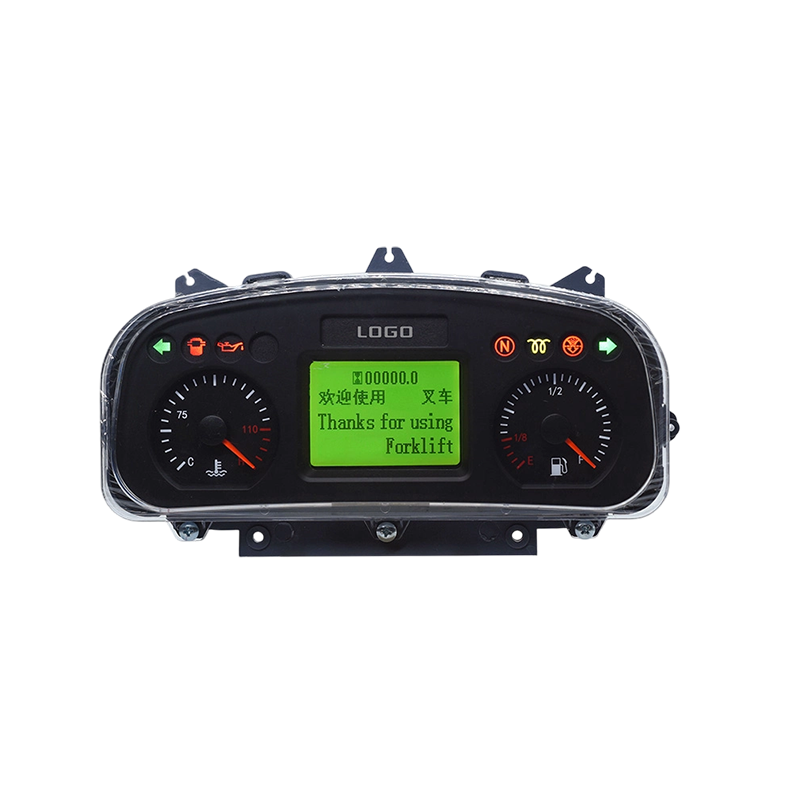
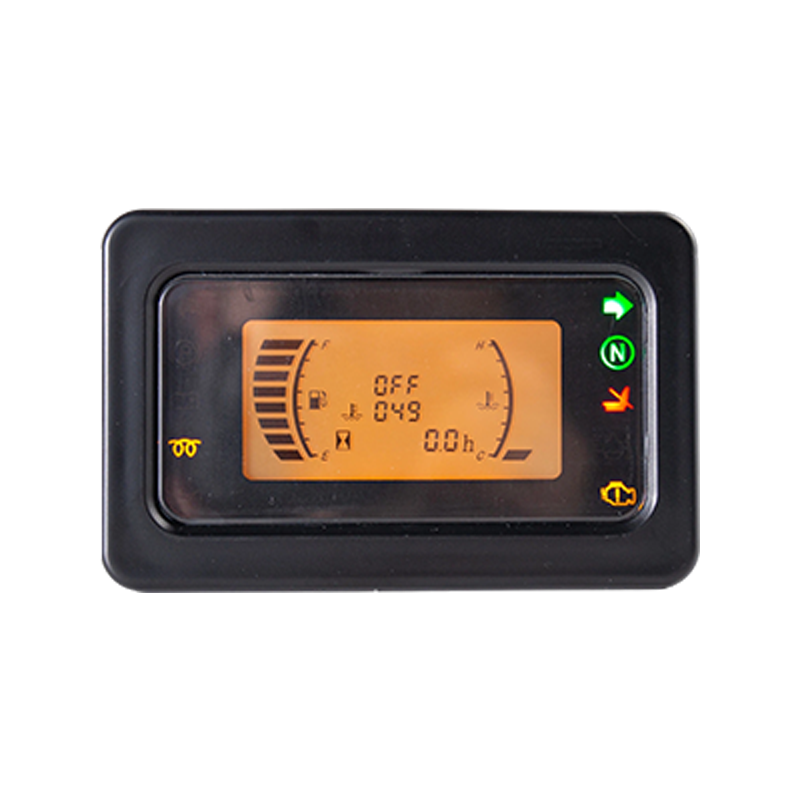
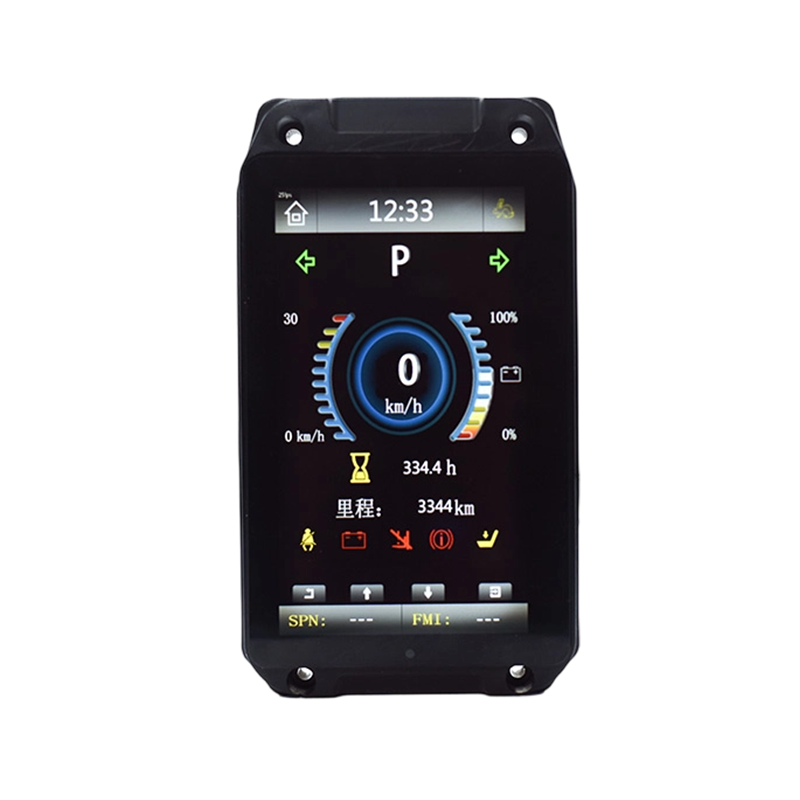
Industrial vehicles operate in some of the most demanding environments on Earth. From construction sites and mining operations to agricultural fields and logistics warehouses, these heavy-duty machines require precise monitoring to ensure operational efficiency, operator safety, and component longevity. The product series Industrial Vehicles Instruments serves as the critical communication bridge between the machine complex systems and the operator.
Unlike standard passenger car dashboards, instruments designed for engineering and industrial vehicles must withstand extreme temperatures, continuous mechanical vibrations, severe dust exposure, and moisture ingress. Hangzhou Fengle Electronic Technology Co., Ltd. specializes in engineering high-performance instrumentation solutions that translate raw sensor data into real-time, actionable insights for vehicle operators.
2 Core Technical Components of Modern Industrial Instrumentation
Understanding the underlying technology of industrial vehicle instruments is essential for procurement managers and engineering teams when selecting the right system for their fleet. Modern industrial displays have evolved from simple mechanical needles to highly integrated electronic hubs.
2.1 Microcontroller Units and Data Processing
At the heart of every electronic instrument panel is a robust microcontroller unit capable of processing multiple data streams simultaneously. These processors receive signals from engine sensors, hydraulic pressure lines, transmission units, and safety systems. The data is filtered and updated smoothly on the screen to prevent lagging, ensuring that the driver is immediately alerted to critical changes like an unexpected drop in fluid pressure.
2.2 Controller Area Network Bus Communication
Industrial vehicles rely heavily on the Controller Area Network bus protocol to link different electronic control units together. Instruments manufactured by Hangzhou Fengle Electronic Technology Co., Ltd. feature complete integration with these common automotive communication protocols. This architecture dramatically minimizes the physical wiring harness required inside the vehicle cabin, improving system reliability and simplifying troubleshooting diagnostics.
3 Categorization of Key Industrial Vehicle Gauges and Displays
Industrial vehicle instruments can be broadly categorized by their primary functional areas. A comprehensive overview of these systems highlights how different monitoring parameters contribute to the overall health of engineering equipment.
| Instrumentation Type | Monitored Parameters | Primary Industry Value |
|---|---|---|
| Engine Monitoring Systems | Revolution speed, coolant temperature, oil level, engine running hours | Prevents thermal overload and tracks preventative maintenance intervals |
| Hydraulic System Gauges | Fluid pressure, oil temperature, return line filter status | Ensures precise lifting control and prevents hydraulic line ruptures |
| Transmission Display Units | Gear selection, oil temperature, torque converter status | Optimizes fuel economy and reduces powertrain wear |
| Electrical Diagnostic Meters | Battery voltage, charging current, alternator output status | Detects electrical faults before battery drainage occurs |
| Safety Compliance Indicators | Tilt angle, load capacity limits, seatbelt sensors | Minimizes roll-over risks and maintains worksite safety compliance |
4 Environmental Resistance Standards for Industrial Environments
To survive in heavy industries, vehicle displays must be built to meet rigorous global engineering standards. Standard office or commercial electronics would fail within hours if exposed to the routine working conditions of an excavator or a heavy forklift.
- Ingress Protection Rating: Industrial vehicle panels must achieve high Ingress Protection ratings, such as IP65 or IP67. This guarantees complete protection against micro dust particles and prevents water damage from high-pressure cleaning or heavy rain storms.
- Vibration and Shock Resistance: Heavy machinery experiences constant physical vibration from tracks, heavy loads, and uneven ground surfaces. Internal electronic components are mounted using dampening techniques and robust soldering methods to ensure connections remain unbroken under mechanical strain.
- Thermal Tolerance Management: Whether operating in freezing Arctic conditions or desert mining heat, these screens must remain legible. Advanced instrumentation relies on industrial grade liquid crystal displays that operate efficiently across a wide temperature spectrum without losing brightness or experiencing screen lag.
5 Service Advantages of Hangzhou Fengle Electronic Technology Co., Ltd.
Choosing the right technology partner is vital for heavy equipment original equipment manufacturers and fleet operators looking for reliable electronic integration. Hangzhou Fengle Electronic Technology Co., Ltd. brings significant advantages to the table as a premier manufacturing partner.
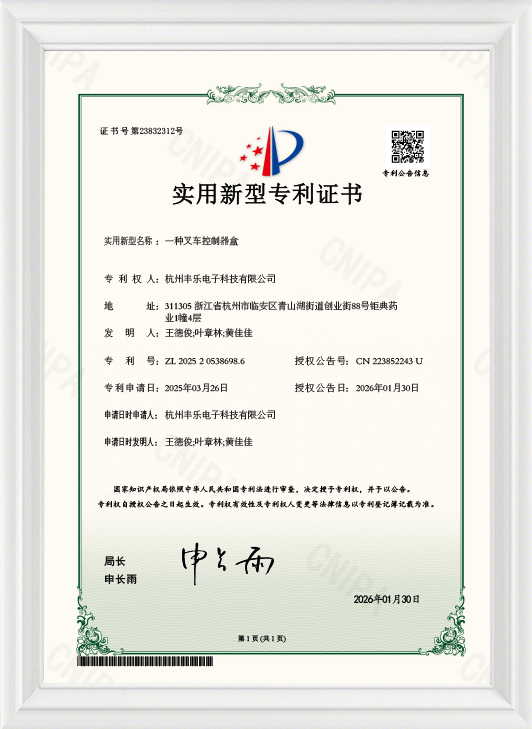
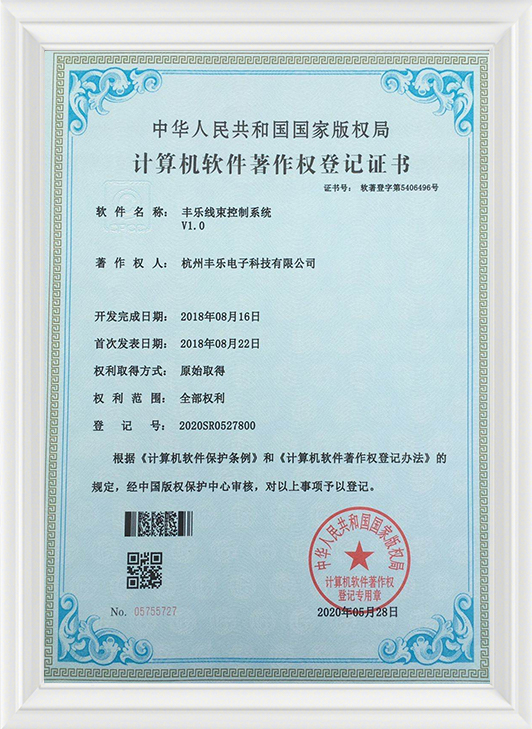
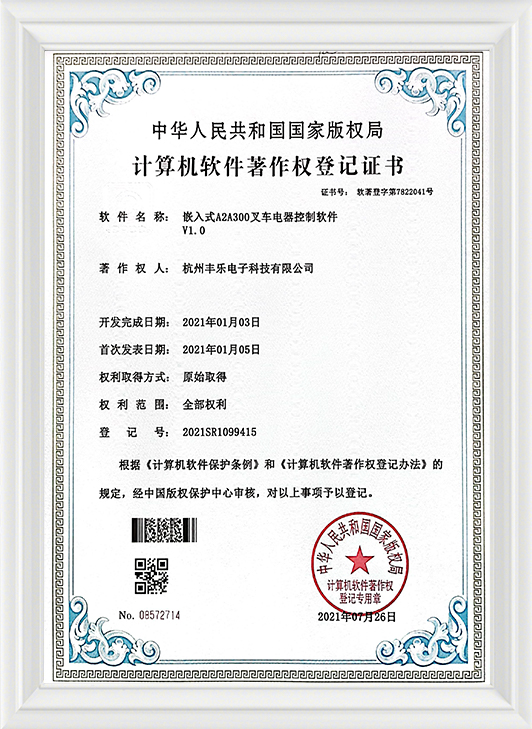
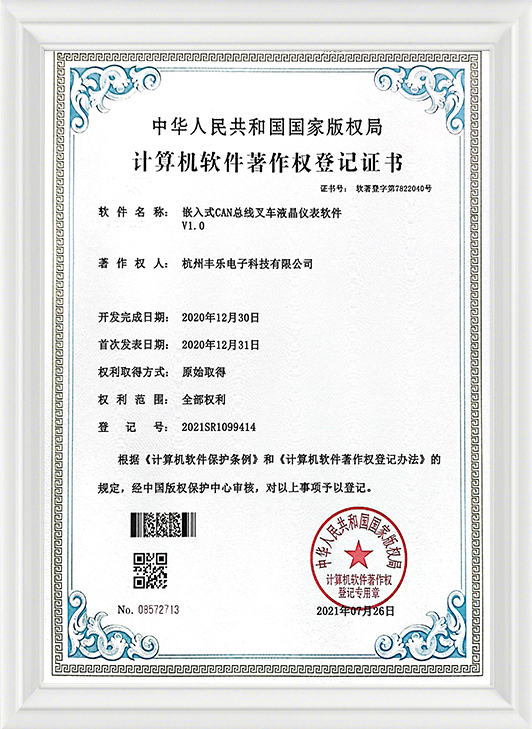
- Comprehensive Lifecycle Integration: As a national high-tech enterprise, the company provides a complete suite of services that encompasses initial design engineering, research and development, physical production testing, and global sales support.
- Highly Reliable Customized Solutions: Every industrial project has distinct physical dimensions, communication requirements, and operational parameters. The company excels at tailoring software interfaces and physical housings to match exact client specifications.
- Innovative Technical Excellence: With innovation serving as our core driving force, our team continuously integrates the latest automotive electronic advancements into heavy machinery applications, keeping your vehicles at the cutting edge of technological capability.
6 Frequently Asked Questions Regarding Industrial Instrumentation
FAQ 1 What is the importance of tracking engine hours on industrial vehicle instruments?
Engine hours are the standard metric used to schedule preventive maintenance for heavy machinery rather than physical mileage. Because these vehicles often spend hours idling or operating at low speeds while performing heavy lifting, tracking engine hours ensures that oil changes, filter replacements, and structural inspections occur at accurate intervals to prevent catastrophic failures.
FAQ 2 How does Controller Area Network bus integration improve vehicle diagnostic processes?
By using a centralized digital network, the vehicle display panel can show specific diagnostic trouble codes directly to the operator or mechanic. This eliminates the need to manually test individual wires and allows technicians to pinpoint the exact sensor or module experiencing an issue, drastically reducing machinery downtime.
FAQ 3 Can industrial vehicle screens be customized to display unique attachments?
Yes, modern electronic instruments can be programmed with multiple display screens or software configurations. When an operator switches a machine attachment, such as adding a specialized hydraulic arm, the instrumentation system can adapt to monitor the unique pressure and safety limits required for that specific tool.
FAQ 4 Why is anti-glare and high brightness technology necessary for industrial displays?
Engineering vehicles are frequently used outdoors under direct, intense sunlight. Standard screens become unreadable due to surface reflection, forcing operators to strain their eyes or miss crucial safety warnings. High brightness backlights paired with anti-glare glass treatments ensure optimal readability from all viewing angles.
FAQ 5 What steps are taken to protect these instruments from electrical voltage spikes?
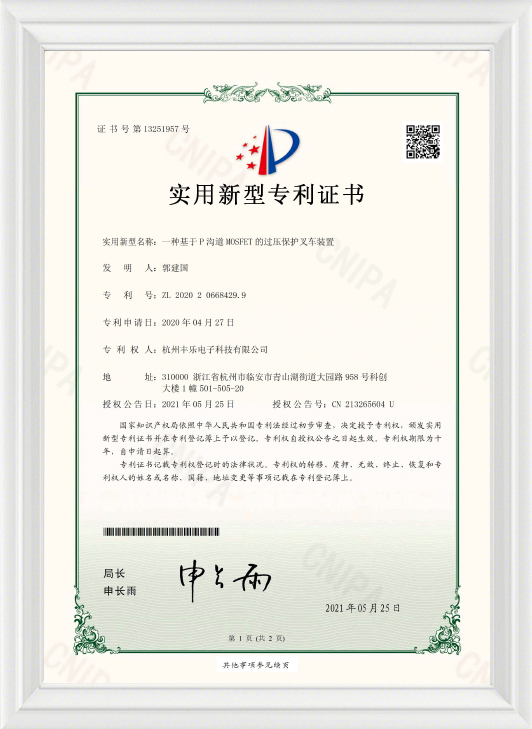
Industrial vehicle electrical systems can experience massive voltage fluctuations during engine startup or heavy electrical component activation. The internal power supply circuits of instruments designed by Hangzhou Fengle Electronic Technology Co., Ltd. include robust overvoltage, reverse polarity, and transient voltage protection to safeguard sensitive internal electronics.

