


 русский
  Español
  中文简体
中文简体

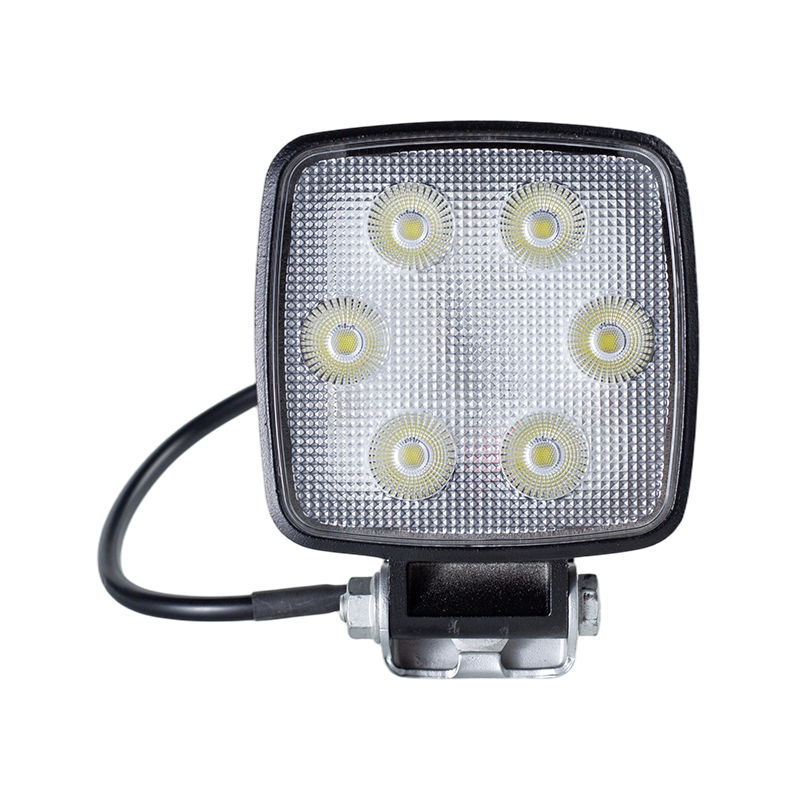
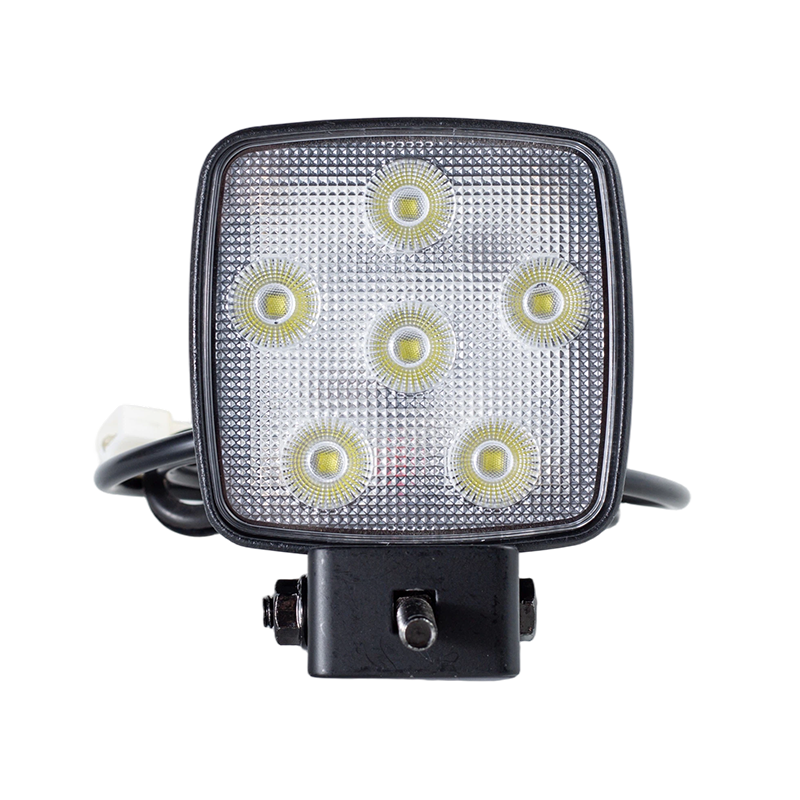
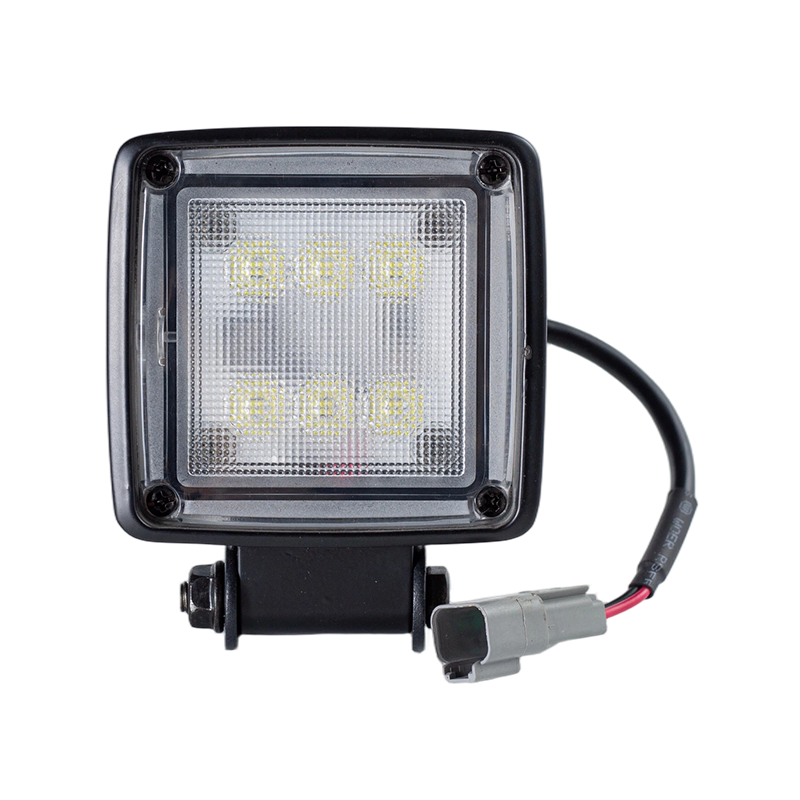
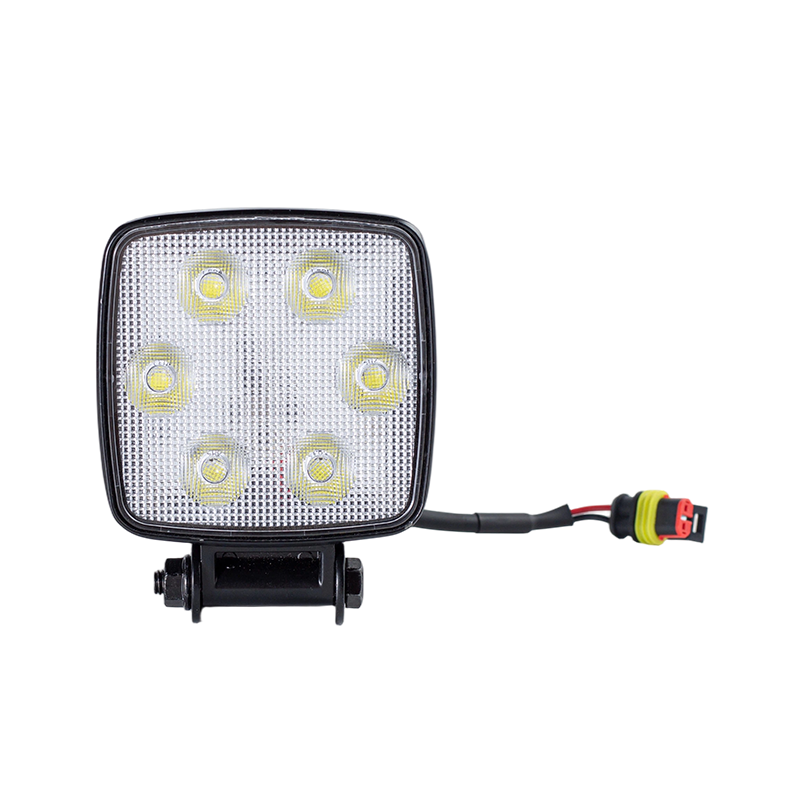
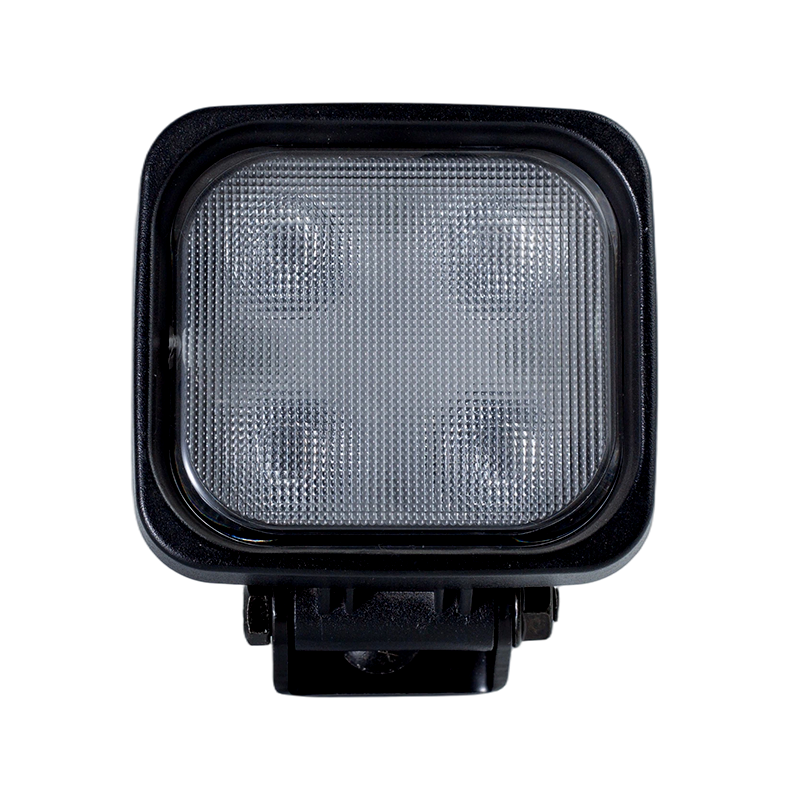
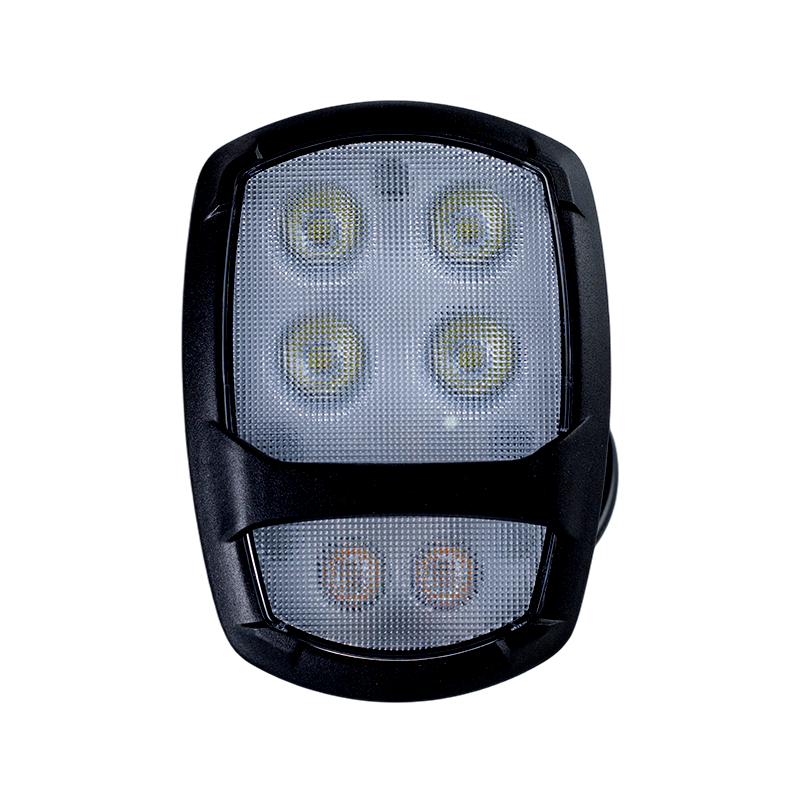
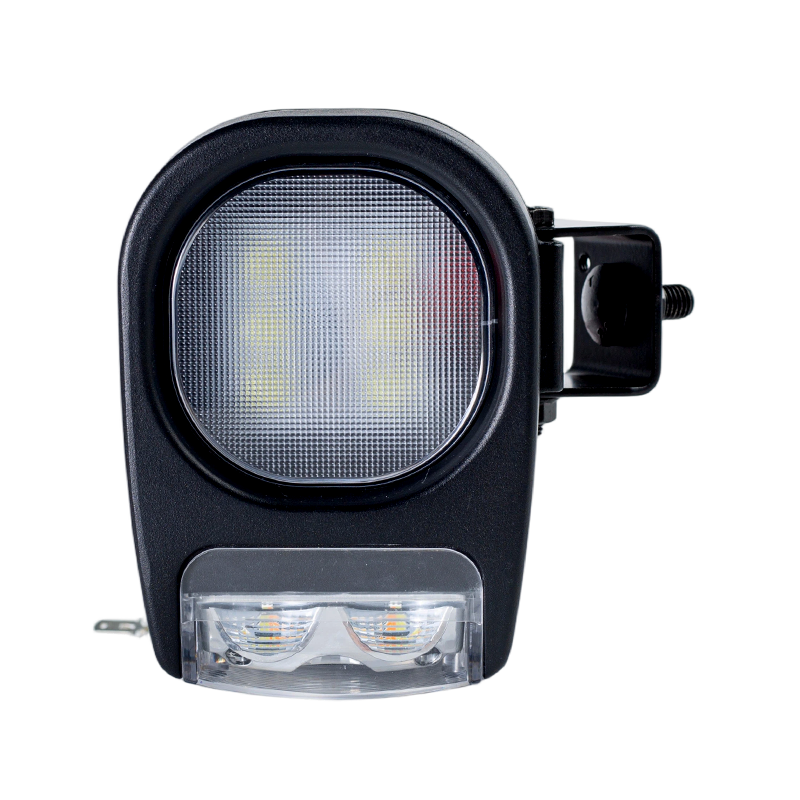
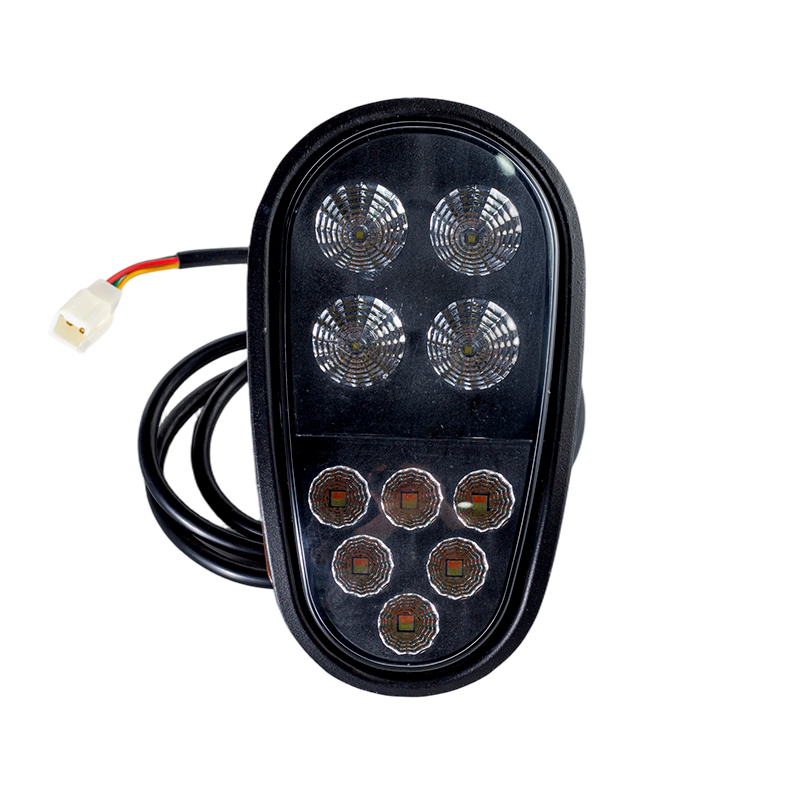
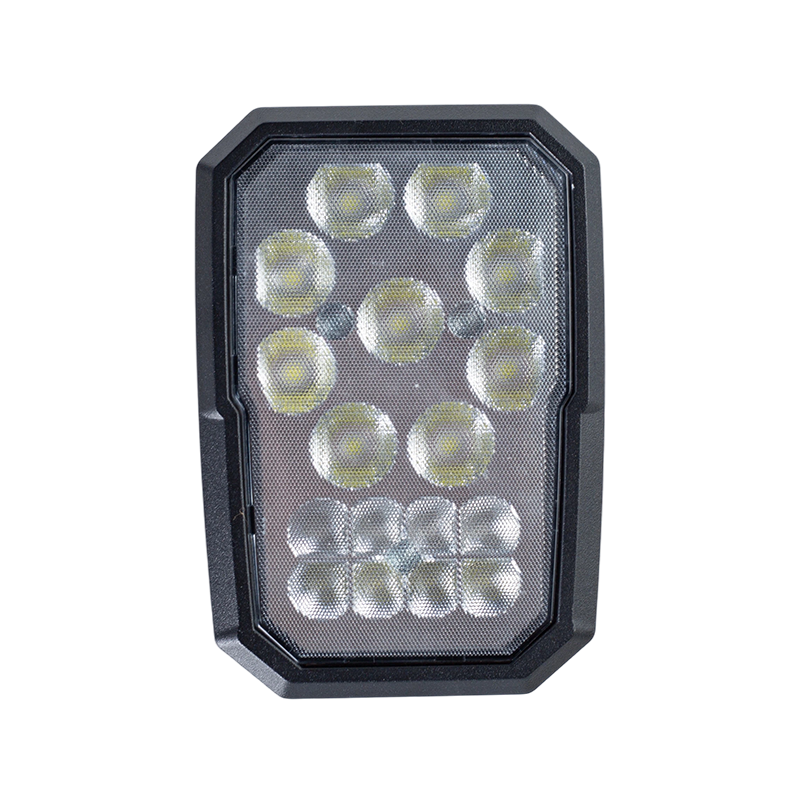
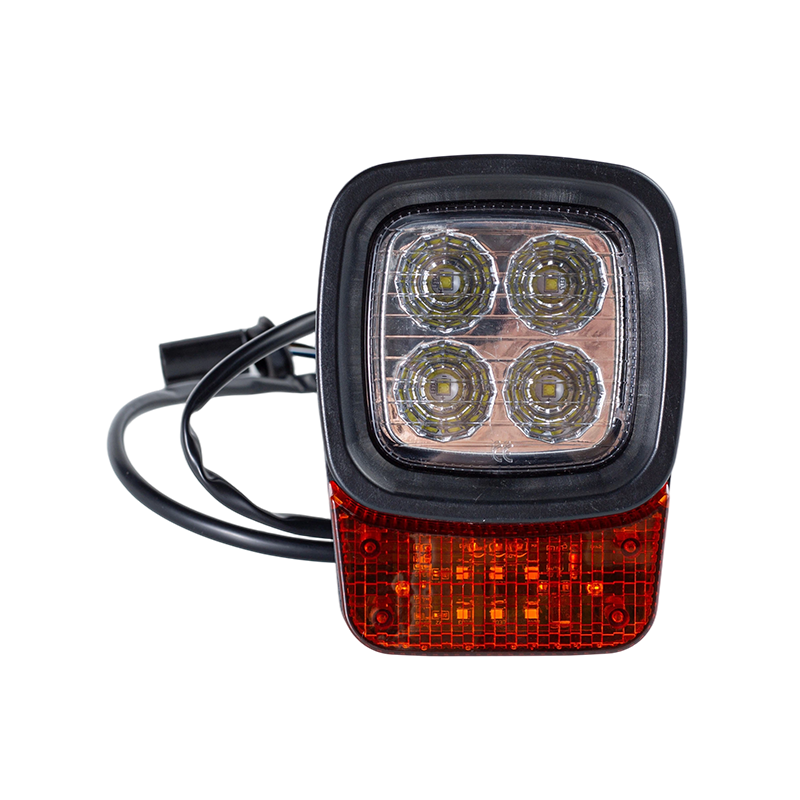
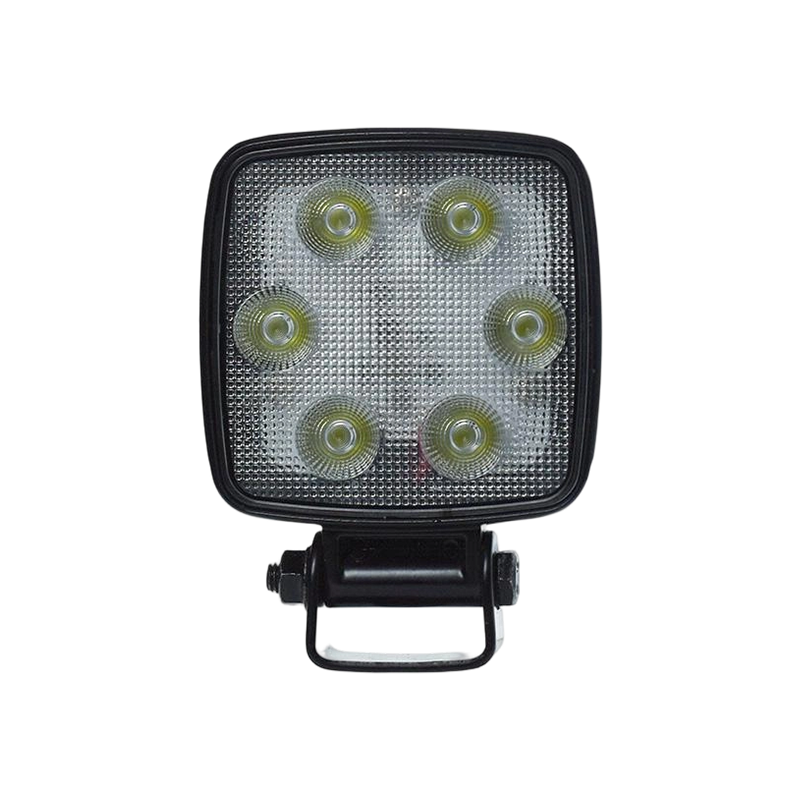
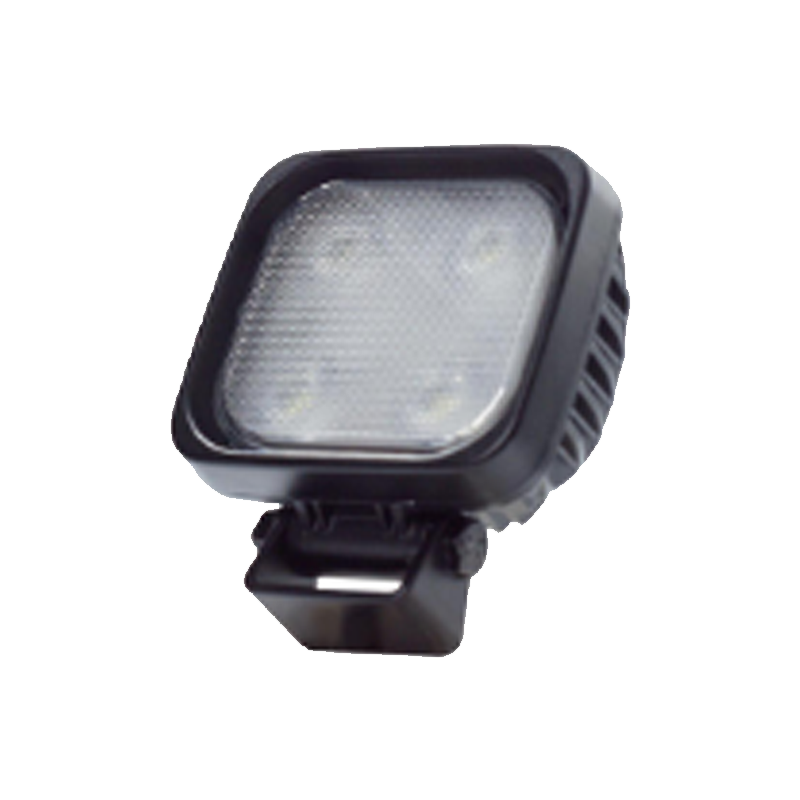
Industrial vehicles operate in some of the most unforgiving environments on Earth. From mining sites covered in heavy dust to construction zones facing torrential rain, standard automotive lighting falls short. High-quality heavy-duty lighting is a critical safety and operational requirement.
For global buyers seeking reliable components, understanding the engineering standards behind heavy-duty illumination is essential. This guide outlines the key technical factors that define premium lighting solutions for engineering and industrial vehicles.
1. Technical Standards for Industrial Vehicle Lighting
To withstand extreme conditions, heavy-duty lighting must meet specific international engineering standards. These parameters ensure that the equipment survives high physical stress while maintaining consistent performance.
1.1 Ingress Protection Ratings
The Ingress Protection rating defines how well an electrical enclosure seals against solids and liquids. For industrial vehicles, standard seals are inadequate. Heavy-duty fixtures require advanced protection.
- IP67: Dust-tight and capable of withstanding immersion in water up to 1 meter for 30 minutes.
- IP69K: The highest protection level available, ensuring the light can withstand high-pressure, high-temperature washdowns used to clean heavy mud and oil off engineering machinery.
1.2 Vibration and Shock Resistance
Engineering vehicles like excavators, bulldozers, and mining trucks generate intense, continuous structural vibrations. Standard filaments break instantly under these conditions. Premium industrial lights utilize solid-state LED technology housed in heavy-duty aluminum casings, combined with dampening brackets to endure constant mechanical shocks.
1.3 Thermal Management
LED components generate substantial localized heat. If this heat is not dissipated efficiently, the lifespan and brightness of the light decrease rapidly. High-end industrial lighting uses deep-finned die-cast aluminum heat sinks and advanced thermal management circuitry to pull heat away from the core electronics, ensuring steady performance even in hot climates.
2. Industrial Lighting Technology Comparison
When choosing specific lights for a fleet or an engineering project, technical buyers must evaluate beam patterns and raw performance metrics.
The table below contrasts the three primary types of industrial vehicle lighting setups:
| Lighting Type | Core Beam Pattern | Optimal Placement | Key Engineering Application |
|---|---|---|---|
| LED Work Lights | Wide Flood Beam | Rear and Side Panels | Provides clear close-range illumination around the immediate perimeter of excavators and tractors. |
| LED Driving Lights | Narrow Spot Beam | Front Grille or Roof Bar | Projects long-distance light paths for high-speed hauling trucks in deep mining tracks. |
| LED Warning Beacons | 360-Degree Strobe | Highest Point of Vehicle | Signals vehicle presence and operational hazards to nearby workers in high-traffic construction zones. |
3. The Advantages of Choosing Hangzhou Fengle Electronic Technology Co., Ltd.
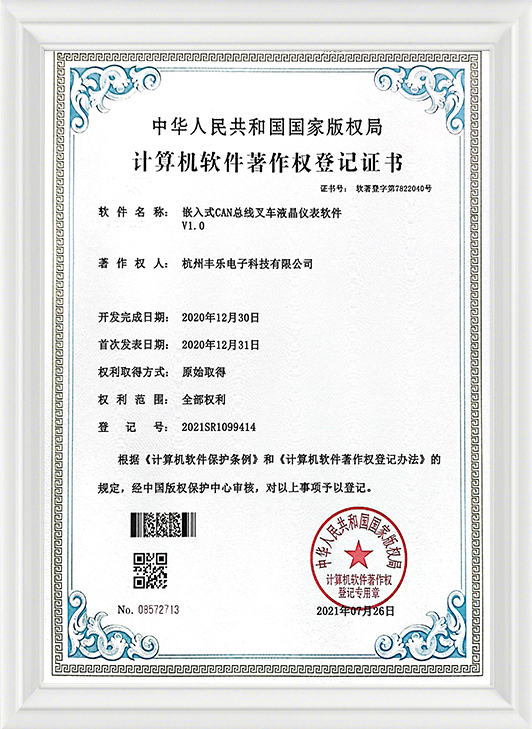
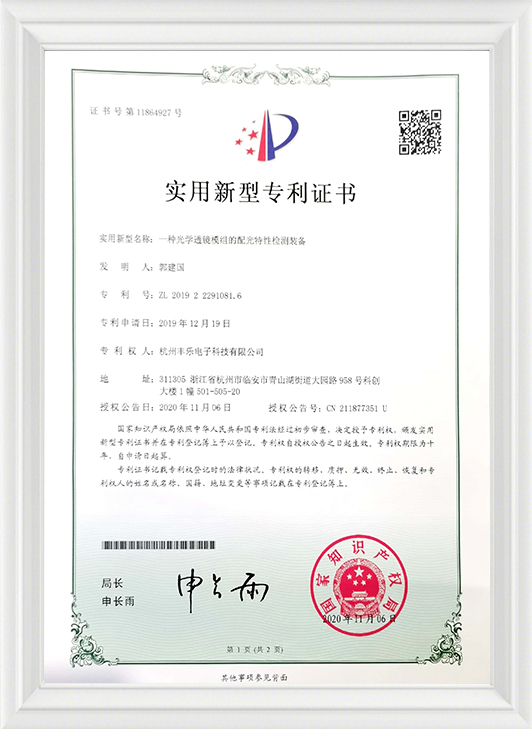
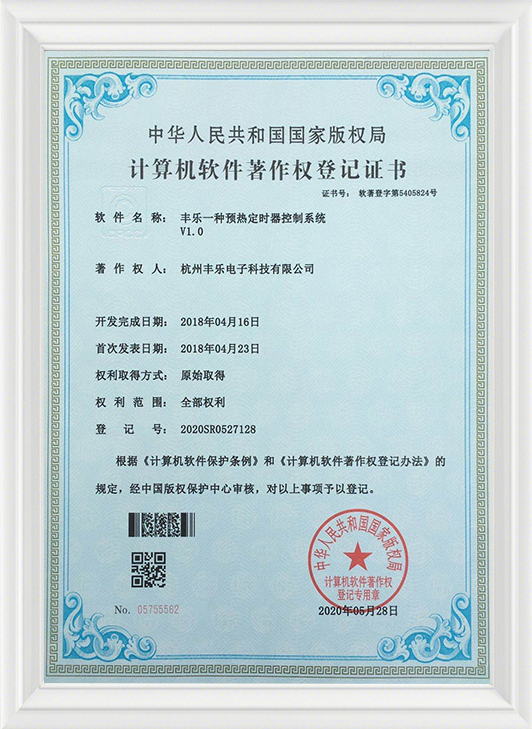
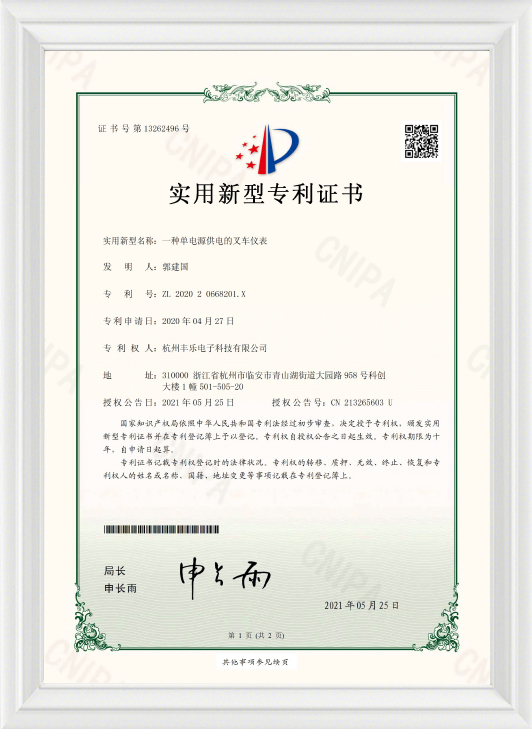
Developing reliable solutions for the global heavy-duty machinery market requires a partner with deep manufacturing expertise and a robust supply chain. Hangzhou Fengle Electronic Technology Co., Ltd. delivers specialized automotive electronics and integrated solutions designed for demanding industrial applications.
- Advanced Engineering Capabilities: Hangzhou Fengle Electronic Technology Co., Ltd. integrates design, research, development, and production to transform complex technical requirements into reliable customized solutions.
- Strictest Quality Control Protocols: As a national high-tech enterprise, the company employs precise manufacturing processes to ensure every lighting fixture satisfies rigorous vibration, thermal, and sealing standards.
- Comprehensive Integration Support: Beyond individual hardware components, Hangzhou Fengle Electronic Technology Co., Ltd. provides complete electronic system integration, ensuring seamless compatibility with complex engineering vehicle electrical architectures.
4. Industry Frequently Asked Questions
4.1 Why are LED lights preferred over halogen lamps for engineering vehicles?
LED lights offer vastly superior vibration resistance because they lack fragile filaments. They also consume up to 70 percent less energy while delivering higher lumen output and lasting over 50000 hours, which significantly reduces vehicle downtime and maintenance costs.
4.2 What is the difference between raw lumens and effective lumens in industrial lighting?
Raw lumens are a theoretical calculation based on the maximum output of the LED chips under ideal laboratory conditions. Effective lumens represent the actual, real-world light output of the fixture after accounting for thermal loss, optical lens restriction, and electrical inefficiencies.
4.3 How does color temperature affect visibility on industrial worksites?
A color temperature between 5000K and 6000K mimics natural daylight, which reduces operator eye strain and enhances contrast. However, in heavy dust, fog, or snow, lower color temperatures around 3000K amber are more effective because they reduce backscatter glare.
4.4 Why is electromagnetic compatibility important for industrial vehicle electronics?
Heavy machinery relies on sensitive communication networks, GPS tracking, and radio systems. Industrial lights must feature robust Electromagnetic Compatibility shielding to prevent the lighting electronics from emitting radio frequency interference that could disrupt critical machine telemetry.
4.5 Can these lighting solutions operate on both 12V and 24V electrical systems?
Yes, premium industrial lighting units are engineered with wide-voltage input circuits, typically ranging from 9V to 32V DC. This ensures flawless operation across both light utility vehicles and heavy-duty 24V industrial electrical systems without the need for external voltage converters.

